
Gyejeo Flood Damage Update: Current Situation and Recovery Efforts
Key Summary
Flood and Landslide Damage from Record-Breaking Rainfall
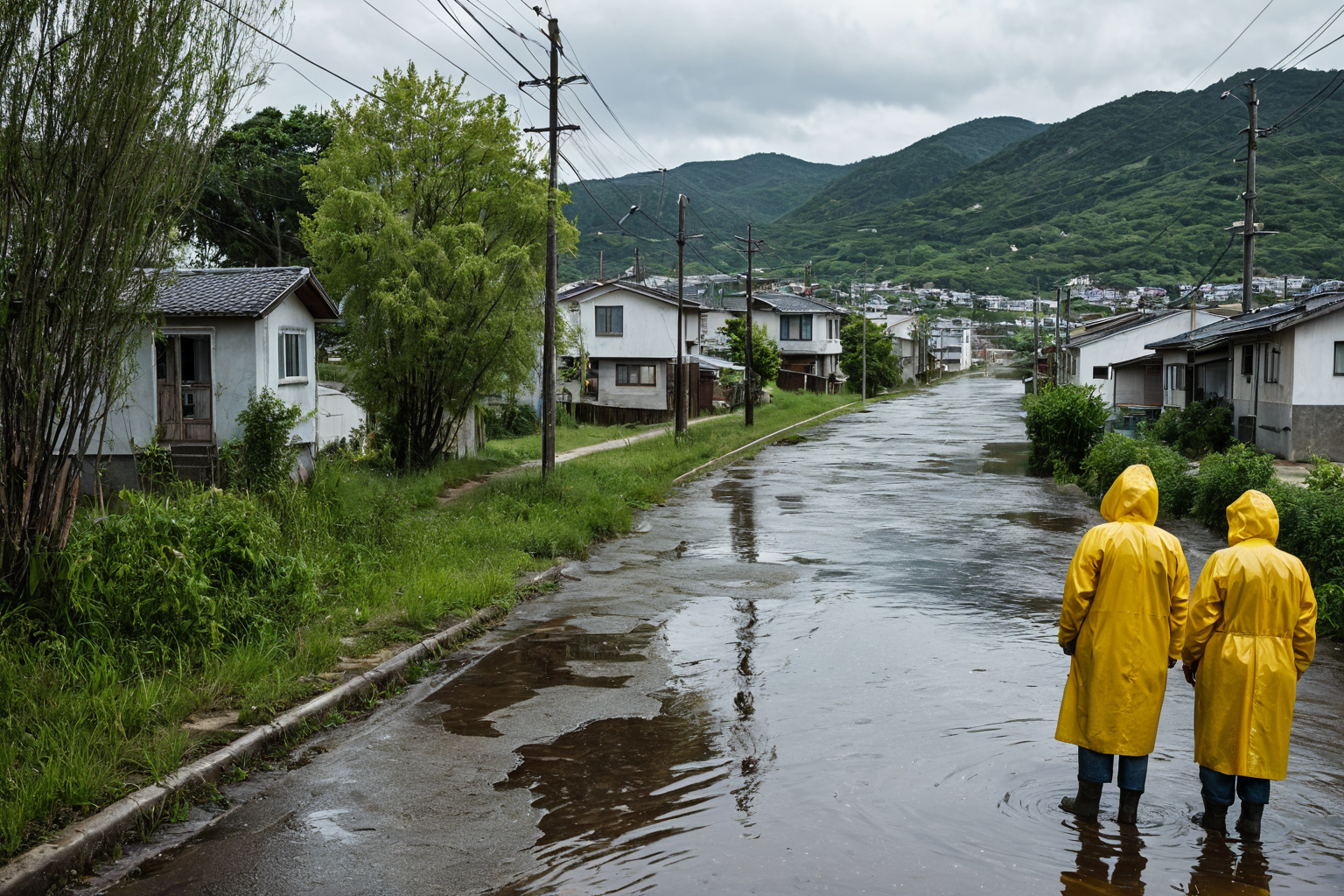
In mid-August 2026, Gyejeo experienced unprecedented rainfall, marking a historic flood disaster. According to meteorological data, the area around Goyeoncheon River recorded over 900mm of rain over three days, with some areas receiving 787.8-956mm in just 24 hours. This represents a once-in-200-years extreme weather event, with hourly rainfall peaking at 100mm.
The heavy rains caused widespread flooding and landslides across Gyejeo, resulting in severe damage including submerged apartments and building collapses. In low-lying areas near Goyeoncheon River, residents had to evacuate due to floodwaters reaching two-story heights. The Fire and Disaster Management Administration issued an initial emergency order, later expanding to a third-level mobilization to intensify rescue operations.
The Gyejeo floods are linked directly to climate change-induced extreme weather events, part of a global trend of increasing severe weather incidents. Experts note that Gyejeo's coastal and riverine geography makes it particularly vulnerable to flooding, with future similar disasters likely as climate patterns shift.
Damage Scale and Human Impact
Gyejeo's damage includes disruptions affecting thousands of households, leaving 4,495 people unable to return home. One person died and two were injured due to landslides in apartment and residential areas. The city officially reported flood-related damages exceeding ₩10 billion (KRW), significantly impacting the local economy.
Samsung Heavy Industries' Gyejeo shipyard minimized damage through its drainage pump system, operating 24/7 from the start of the storm to prevent flooding in and around the facility. This has been highlighted as a successful example of how large industrial facilities can respond effectively during disasters.
The city continues on-site investigations and data collection to accurately assess damages, while launching emergency fundraising efforts to support residents' stability. They are also reviewing improvements to Gyejeo's disaster response system, aiming not just for recovery but building a more resilient framework for future emergencies.
Status of Rescue and Recovery Operations
The Central Disaster Management Headquarters is focusing on rescue and recovery efforts in affected areas, with ₩300 million (KRW) allocated as emergency support. As of the 7th day, the emergency recovery rate for Gyejeo and Tongyeong areas reached 74.8%, indicating significant progress.
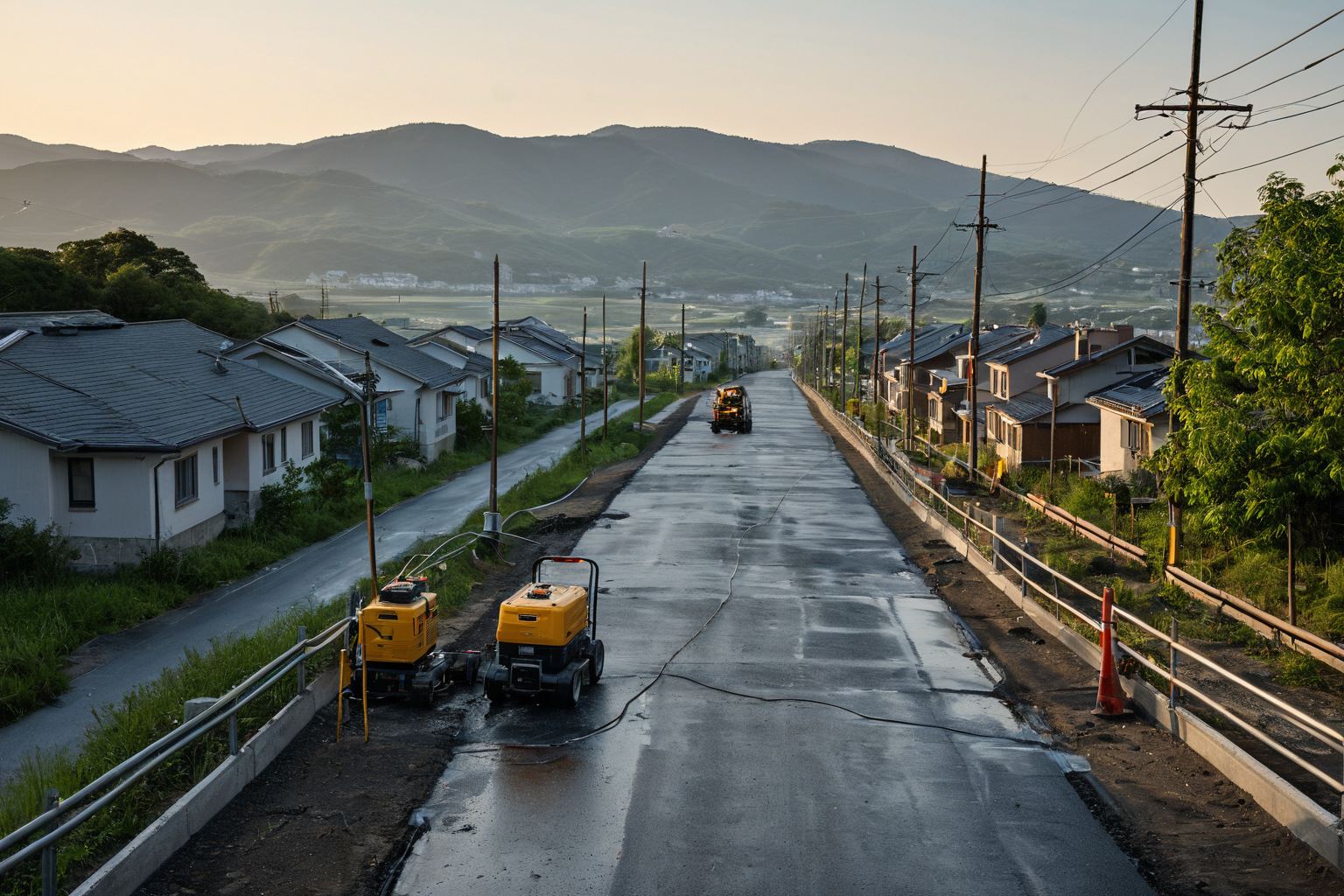
Recovery work focuses on two main fronts: infrastructure repairs and facilities restoration, alongside programs supporting residents' return to normal life. Temporary power and water supply systems have been established to address disruptions from blackouts and water outages, helping people resume daily routines.
Gyejeo City continues on-site investigations and data collection to accurately assess damages, while launching emergency fundraising efforts to support residents' stability. They are also reviewing improvements to Gyejeo's disaster response system, aiming not just for recovery but building a more resilient framework for future emergencies.
Long-Term Solutions for Urban Flooding
Experts argue that addressing Gyejeo's urban flooding requires long-term solutions beyond immediate rescue and recovery. The Ministry of Environment has confirmed plans to build a dam on the Goyeoncheon River, aiming to reduce flood risks in the area.
The dam project is part of a comprehensive multi-flood defense strategy, not just a single structure. This initiative aims to strengthen Gyejeo's resilience against climate change-driven extreme weather events. Additionally, urban planning around the river basin will be revised to minimize flooding risk.
A comprehensive approach including expanding green spaces, improving sewage systems, and preventive measures in flood-prone areas is being developed by Gyejeo City and the Ministry of Environment. These plans are expected to be completed within five years.
Upcoming Schedule and What to Watch For
A public hearing regarding the Goyeoncheon Dam construction is scheduled within one month, providing an opportunity for residents to share their opinions. The city aims to complete all recovery work by the end of 2026.
Residents should monitor:
- The official website for regular updates on flood damage status and rescue/recovery efforts
- Published materials detailing the Goyeoncheon Dam construction plan and budget execution
- Disaster response education programs and community engagement activities being implemented by Gyejeo City
Analyzing Climate Crisis Connections
The Gyejeo flood is directly linked to climate change-induced extreme weather events, part of a global trend of increasing severe weather incidents. Experts predict similar disasters will become more frequent as climate patterns shift.
Gyejeo City is developing a comprehensive climate crisis response strategy following this event, including identifying and addressing vulnerable areas to build a more systematic disaster response framework. This approach goes beyond simple recovery to prepare for future events.
While extreme weather impacts vary regionally, Gyejeo's coastal and riverine geography makes it particularly prone to flooding. The city is focusing on climate change adaptation strategies to strengthen community resilience against future disasters.
FAQ
When are rescue and recovery operations expected to be completed?
The Central Disaster Management Headquarters reports that emergency recovery in Gyejeo and Tongyeong areas has reached 74.8%, with full recovery work scheduled for completion by the end of 2026.
When will construction on the Goyeoncheon Dam begin?
The Ministry of Environment has confirmed plans to build a dam on Goyeoncheon River, with detailed design and construction to start after a public hearing within one month to collect resident feedback.
How was the damage estimate exceeding ₩10 billion calculated?
The city assessed damages by evaluating building and facility damage, agricultural losses, and infrastructure restoration costs, totaling over ₩10 billion (KRW).
You can find similar articles in one place.
View Related ArticlesFAQ
When are rescue and recovery operations expected to be completed?
The Central Disaster Management Headquarters reports that emergency recovery in Gyejeo and Tongyeong areas has reached 74.8%, with full recovery work scheduled for completion by the end of 2026.
When will construction on the Goyeoncheon Dam begin?
The Ministry of Environment has confirmed plans to build a dam on Goyeoncheon River, with detailed design and construction to start after a public hearing within one month to collect resident feedback.
How was the damage estimate exceeding ₩10 billion calculated?
The city assessed damages by evaluating building and facility damage, agricultural losses, and infrastructure restoration costs, totaling over ₩10 billion (KRW).
Korean Source
This article is an English localization of a Korean-language report from BlogScore. Original: 거제도 홍수 피해 현황, 구조 및 복구 상황