
The Reason Behind Gwangyang Health University's Closure and the Process
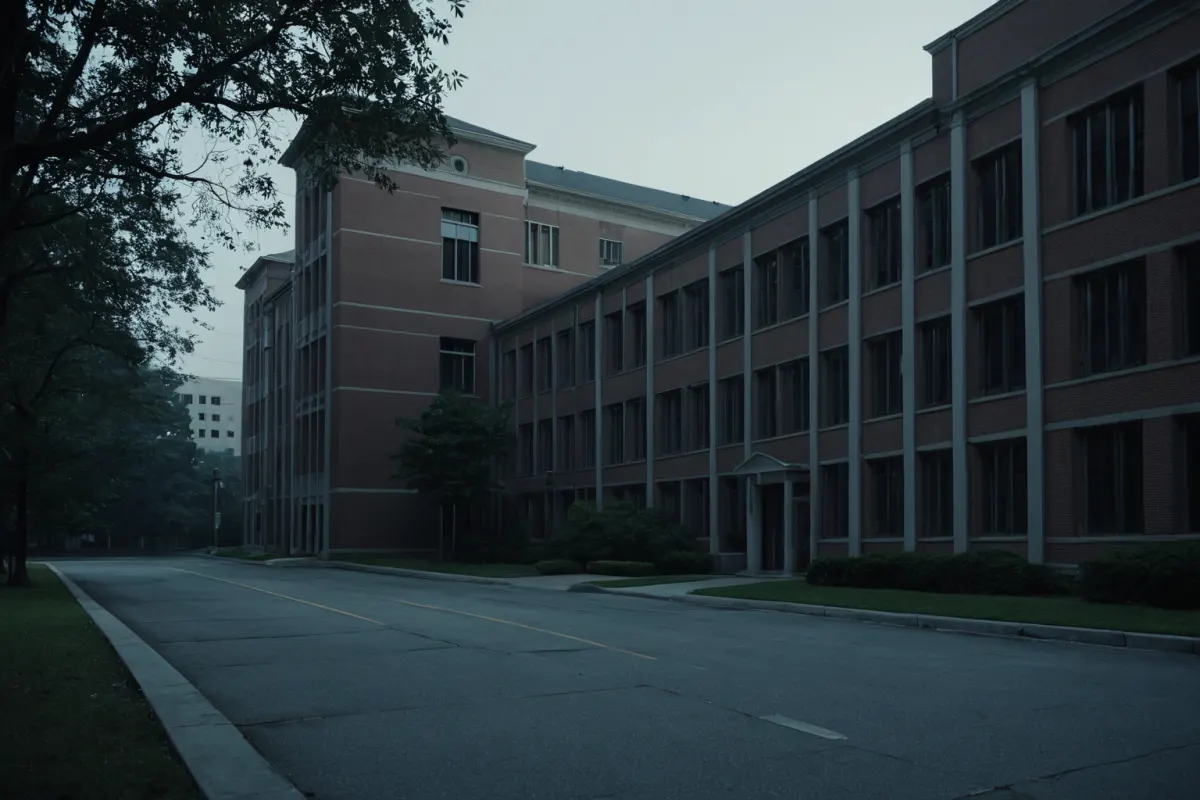
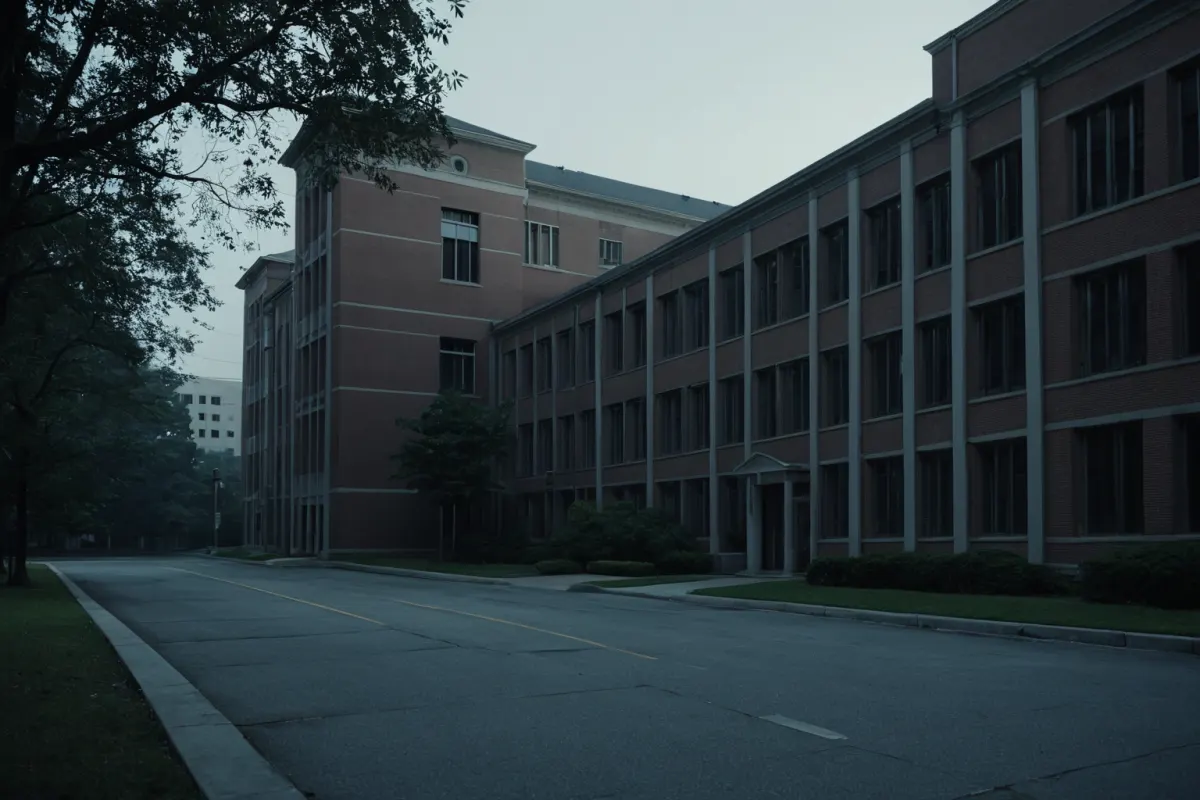
The closure of Gwangyang Health University is the result of a combination of factors: a sharp decline in student numbers, worsening finances, and an inability to sustain normal operations. It wasn't caused by a single event but rather accumulated over time due to persistent enrollment shortfalls and structural issues.
Direct Reasons for Closure
The primary reason behind Gwangyang Health University's closure is its failure to maintain sufficient student enrollment, which directly impacts tuition revenue. As new student recruitment struggles continue, income from tuition decreases, making it increasingly difficult to cover staff salaries and facility maintenance costs.
Technical colleges often closely align with regional demand, so a drop in enrollment can be hard to recover from quickly. When combined with declining youth population trends, this leads to long-term reduction rather than short-term recovery.
You can view similar articles on this topic in one place.
View Related ArticlesHow the Closure Process Works
Closure of a university is different from simply suspending operations. It involves a series of administrative procedures, including reviews by the school foundation, Ministry of Education, and relevant agencies, as well as resolving academic records, financial matters, and staff issues.
The process typically begins with determining that normal operation cannot continue, followed by halting academic activities, implementing protective measures for current students, managing academic records, and transferring documents. Finally, it's important to maintain a system for preserving records so that diplomas and transcripts can still be issued after closure.
What Current and Former Students Should Know
When news of closure breaks, the first concern is usually about what happens to academic records. Current students typically need to confirm options such as transfer to nearby universities, credit recognition, and alternative arrangements for completing coursework.
For graduates who have already received diplomas, their degrees remain valid. However, it's advisable to verify where academic records will be preserved after closure. In practice, student records are often transferred to designated institutions even after the school closes.

Impact on Local Communities
The closure of a university affects not just the institution but also local businesses and communities. A decline in student population often leads to reduced demand for rental housing, restaurants, tutoring centers, and transportation services. When a town has only one university, the impact is even more pronounced.
The closure of Gwangyang Health University should be viewed alongside broader demographic changes in the region. It reflects not just an individual school's challenges but also a trend of decreasing youth migration to the area and increasing difficulty maintaining educational institutions.
Key Points to Consider When Reviewing Similar Cases
When examining similar cases, it's better to focus on administrative procedures rather than just headlines. For example, while news might mention "closure decision," this could refer to a board resolution, Ministry approval, or the final stage of academic restructuring—each with different implications.
For those new to such news, understanding these four points can help clarify the situation:
- Whether normal operations are feasible
- If protective measures for students have been arranged
- How academic records will be preserved
- If foundation and staff issues have been resolved
The closure process is complete only when all four points are addressed. Therefore, the stage of the procedure matters more than simply saying "the school has closed."
What to Consider When Looking at Gwangyang Health University's Closure
University closures often seem emotional but are actually driven by numbers and policy changes. To understand the root causes, one should consider enrollment rates, financial status, regional population trends, and whether similar programs overlap.
Health-related departments that require practical facilities face higher operational costs. As support dwindles, simple staff reductions may not suffice, leading to program cuts and eventually closure.
Key Summary
Gwangyang Health University's closure is the result of accumulated challenges over time—declining enrollment, financial strain, and regional demographic shifts—not a sudden decision. The process involves multiple steps including student protection measures, record transfer, and administrative approvals.
When reviewing such news, it's important to not only ask "why did they close?" but also "what should students and graduates verify?" This helps determine the actual impact on individuals when closure is announced.
FAQ
Q1. Will current students at Gwangyang Health University no longer be able to attend classes after closure?
A1. While the closure process is ongoing, protective measures for current students are usually implemented, including options like transfer to nearby universities, credit recognition, and adjustments to academic schedules.
Q2. Do graduates' degrees remain valid after a university closes?
A2. Degrees that were legally conferred before closure remain valid. However, it's advisable to confirm where academic records will be preserved for future transcript requests.
Q3. What should be checked first when hearing about a university closure?
A3. Verify the stage of the process: whether it's a board resolution, Ministry approval, or final closure completion. Headlines alone can lead to misunderstanding the current status.
For the most up-to-date information, check official announcements and news reports as details may change over time.
Continue exploring similar topics.
View Category ArticlesFAQ
Will current students at Gwangyang Health University no longer be able to attend classes after closure?
While the closure process is ongoing, protective measures for current students are usually implemented, including options like transfer to nearby universities, credit recognition, and adjustments to academic schedules.
Do graduates' degrees remain valid after a university closes?
Degrees that were legally conferred before closure remain valid. However, it's advisable to confirm where academic records will be preserved for future transcript requests.
What should be checked first when hearing about a university closure?
Verify the stage of the process: whether it's a board resolution, Ministry approval, or final closure completion. Headlines alone can lead to misunderstanding the current status.
Korean Source
This article is an English localization of a Korean-language report from BlogScore. Original: 광양보건대 폐교 확정 배경과 절차는 어떻게 진행됐나