
Understanding Gwangju Military Airport's Toheu Zone Designation and Its Significance
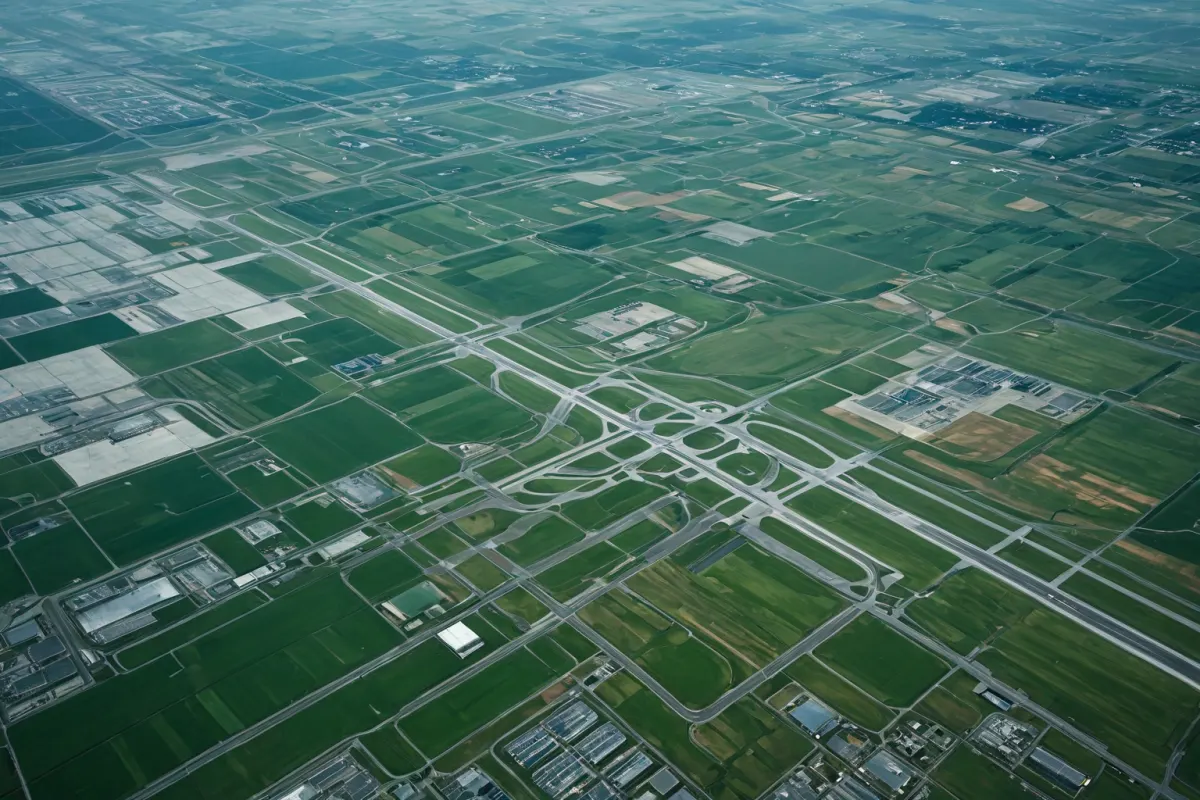
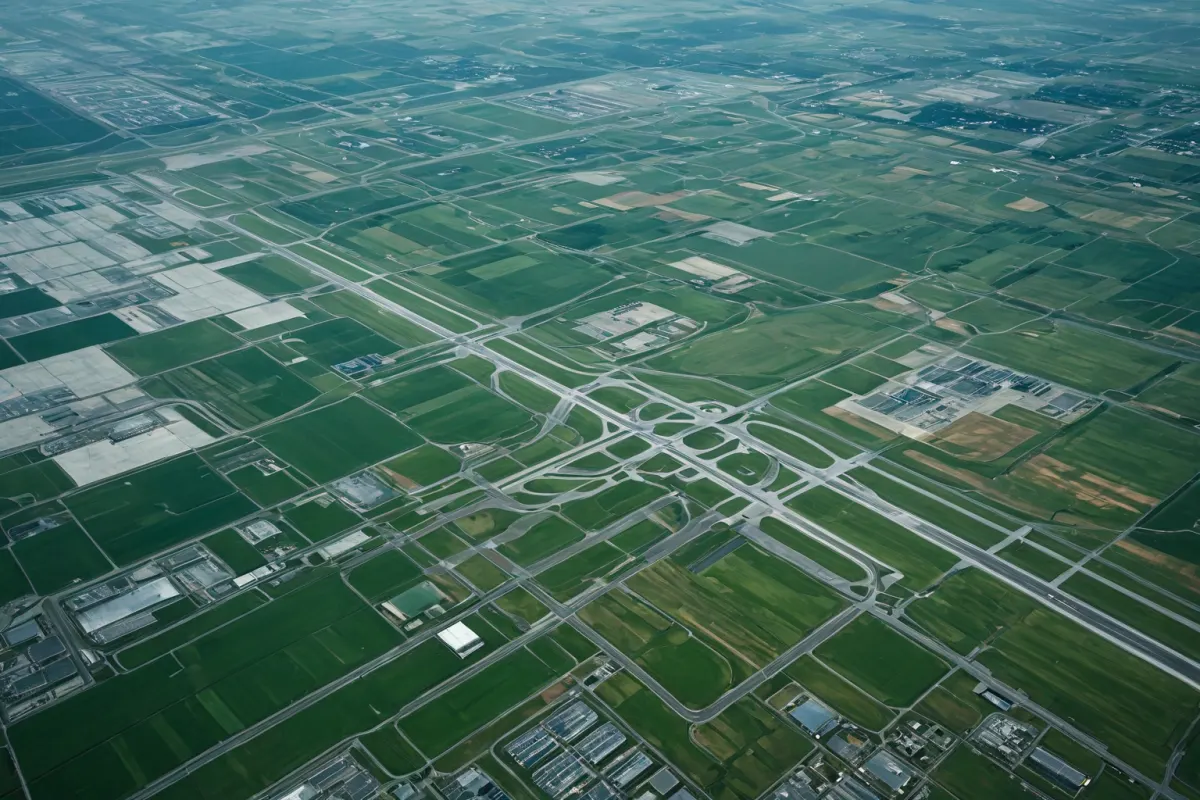
The Gwangju Military Airport Toheu Zone is a system proposed to reduce development pressure around military airports and manage land transactions more strictly. In short, being included in this zone makes buying or using certain lands more difficult than before, which helps curb speculative transactions and encourages planned redevelopment of surrounding areas.
Recently, this topic has gained attention not just because it's about land regulation alone. It's intertwined with discussions about the relocation of Gwangju Military Airport, expectations for surrounding area development, land compensation plans, and usage strategies—meaning both landowners and potential buyers are likely to be affected.
Why the Gwangju Military Airport Toheu Zone Has Become a Focus
Toheu Zone is short for 'Land Transaction Approval Zone,' a system requiring approval when buying or selling land within designated areas. The area around Gwangju Military Airport has become part of this discussion because as expectations about relocation grow, land prices can spike rapidly, and transactions unrelated to actual needs may increase.
Such areas typically involve significant development issues and information asymmetry. Some people buy land simply based on the possibility of relocation, while others aim for short-term profits without long-term ownership plans. The Toheu Zone designation helps moderate these trends and stabilize the market.
You can view similar articles all at once here.
View Related ArticlesWhat the Toheu Zone Designation Means for Changes
If an area is designated as a Toheu Zone, land transactions within that zone may require approval from local authorities. This approval process isn't just about paperwork—it also assesses whether the intended use of the land is reasonable, distinguishing it from regular property sales.
For example, three people looking at the same piece of land might face different outcomes based on their purpose: someone planning to use it for agriculture, another with clear long-term residence or business plans, and a third seeking short-term profit. The approval process will likely differ depending on these factors, so clarifying your intention before any transaction is crucial.

The key point here is that the Toheu Zone isn't an outright ban on all transactions. If you meet the approval criteria, a transaction can still proceed—but it requires more careful preparation of plans and intended use documentation.
Why Regulations Are Being Discussed Around Gwangju Military Airport
The area around military airports often involves noise, safety concerns, and future urban planning all at once. When relocation possibilities are added to the mix, land demand can surge suddenly, leading to speculative transactions based purely on development expectations.
Especially in outer areas with farmland or forests, those who quickly learn about upcoming developments may move first, causing price distortions. Discussions around regulation aim to reduce this imbalance and help ensure that airport relocation or surrounding redevelopment plans proceed more orderly in the long run.
Key Points to Confirm During Actual Transactions
If you're reviewing land related to Gwangju Military Airport's Toheu Zone, the first thing to check is whether the specific plot falls within the designated zone. Even within the same neighborhood, plots may or may not be included, so relying solely on address information can lead to missed details.
Next, consider your transaction purpose: whether it's for actual residence, farming, business, or rental. The required documents and explanations will vary accordingly. For example, if you're buying a small storage plot, clearly stating your intended use—rather than just seeking investment gains—will make approval much smoother.
For instance, someone planning to buy land on the outskirts of Gwangju with the sole intention of selling it later at a higher price may face difficulty obtaining approval. In contrast, having a specific and consistent purpose like "operating a weekend farm for personal use" makes the review process significantly easier.
Perceived Changes for Local Residents and Buyers
For residents, regulations might feel like a restriction on property rights. As transactions become more complicated, deal speed slows down, and expected price increases may level off. This often leads to sensitive reactions in the area when designation news breaks.
Conversely, for buyers, it can reduce uncertainty. With fewer speculative funds rushing into land based solely on price expectations, prices are less likely to become overheated, creating a more stable market for those who genuinely need the land. In essence, while regulations may feel burdensome to some individuals, they function as a tool to moderate overall market speed.
How to Verify If Land Is in the Gwangju Military Airport Toheu Zone
The first step is confirming the exact cadastral number of the land. After that, you can check whether it's designated as a Land Transaction Approval Zone using resources like 'Land Information' or local government notices. It’s safer to verify directly rather than relying solely on real estate agents.
It can be hard to determine if approval is required based only on property registration documents or land records; therefore, checking both the map location and administrative district is important. Especially in areas with high issue visibility like around military airports, where zone boundaries are often confusing, verifying at the plot level becomes critical.
Common Mistakes to Avoid
The most common mistake is assuming that all land within the same neighborhood falls under the same regulation. Toheu Zones are typically divided based on administrative boundaries or individual plots, meaning adjacent lands might be subject to different rules.
Another frequent error is thinking that once approval is granted, the process ends. In reality, using the land for purposes other than what was approved can lead to issues later, and failing to follow your planned use could result in penalties. It’s important to establish a realistic usage plan before signing any contract.
What to Watch For Right Now
The Gwangju Military Airport Toheu Zone remains relevant as it evolves alongside airport relocation discussions, surrounding development plans, and land market conditions. Therefore, instead of relying only on what you've heard previously, it's best to review the latest government notices and administrative announcements.
Especially for those planning to purchase land, verifying whether it falls under the approval zone, understanding the intended use, and checking how long the approval process takes relative to your timeline should be prioritized. Rushing into a contract without considering these factors can lead to being held up by approval issues later on.
FAQ
Q1. Does being in the Gwangju Military Airport Toheu Zone mean you can't buy land at all?
No, it doesn't mean that. While approvals are often required, transactions may still proceed if your intended use is reasonable. It just means the process is more rigorous than regular sales.
Q2. Can I get approval for investment purposes?
Solely seeking profit through price differences is likely to be viewed unfavorably in the approval process. Approval depends on factors like land use, location, and your stated purpose.
Q3. Where should I first check for confirmation?
After confirming the exact cadastral number of the land, it's best to review local government notices and official land-related information together. It’s safer to independently verify whether a property falls under approval requirements during real estate transactions.
The specific designated areas and approval criteria may vary based on administrative announcements, so always double-check recent data before any transaction takes place.
Continue exploring similar topics here.
View Category ArticlesFAQ
Does being in the Gwangju Military Airport Toheu Zone mean you can't buy land at all?
No, it doesn't mean that. While approvals are often required, transactions may still proceed if your intended use is reasonable. It just means the process is more rigorous than regular sales.
Can I get approval for investment purposes?
Solely seeking profit through price differences is likely to be viewed unfavorably in the approval process. Approval depends on factors like land use, location, and your stated purpose.
Where should I first check for confirmation?
After confirming the exact cadastral number of the land, it's best to review local government notices and official land-related information together. It’s safer to independently verify whether a property falls under approval requirements during real estate transactions.
Korean Source
This article is an English localization of a Korean-language report from BlogScore. Original: 광주 군공항 토허구역 지정 배경과 의미