
Where Is Gwangju Military Airport's Land and How Has Its Size Changed After Relocation?
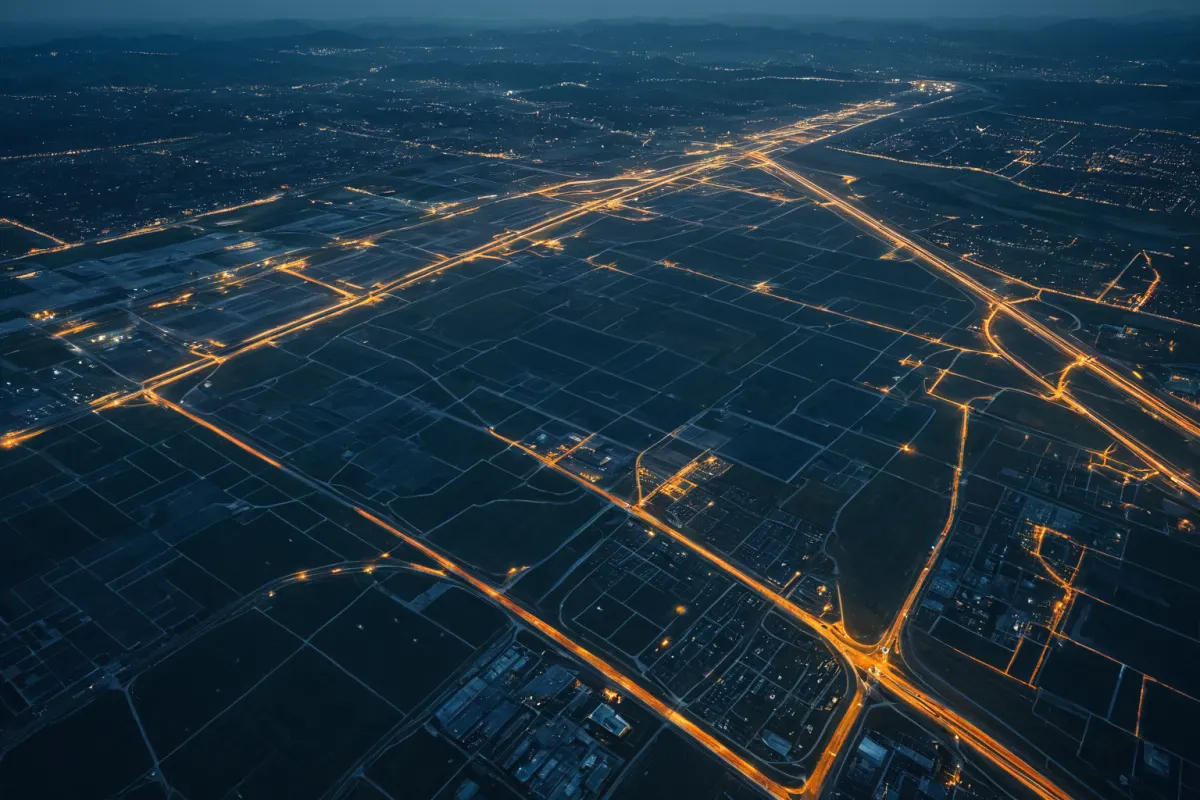
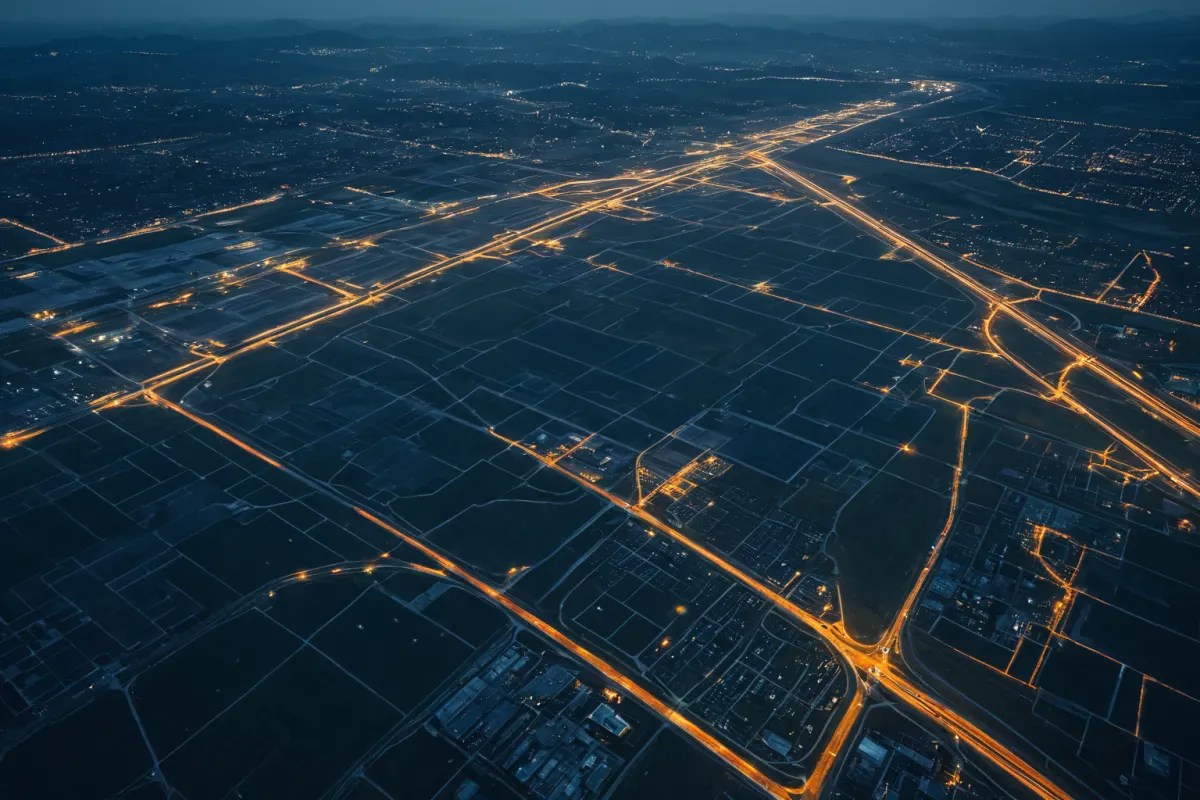
The Gwangju Military Airport site currently refers to the military airfield located in the Gwangsan District of Gwangju. As relocation discussions continue, attention has been drawn to both candidate locations and the required area. In short, the core issues are 'where to relocate it' and 'how much larger space is needed compared to the current site.'
Many people get confused because they focus only on the airport's location, not realizing that relocation discussions also involve checking factors like noise levels, safety concerns, and candidate area size. This article will clarify the current situation of the Gwangju Military Airport site, the significance of areas being considered as relocation candidates, and why the required land area keeps changing.
Current Location of the Gwangju Military Airport Site
The Gwangju Military Airport is located in the Songjeong-dong area of Gwangsan District, Gwangju Metropolitan City. Being relatively close to the city center, it has long been associated with issues like aircraft noise, flight safety concerns, and restrictions on surrounding development.
Therefore, the Gwangju Military Airport site is often viewed not just as a military facility but as a sensitive area connected to nearby residential zones, industrial parks, and transportation networks. Whenever relocation discussions arise, the first question people ask is ultimately 'Is this location still appropriate?'
You can find similar articles on this topic in one place.
View Related ArticlesAreas Being Considered as Relocation Candidates
Various regions in the Jeollanam-do area have been mentioned as potential relocation sites for the Gwangju Military Airport, with Muan County receiving the most attention. However, being a 'candidate' does not mean it has been officially confirmed.
In reality, the relocation process involves balancing multiple factors such as local opposition, noise impact, runway direction, accessibility, and availability of supporting land—making it more complex than it seems. Therefore, when news mentions a candidate location, it should not be assumed that relocation has already been decided.
For example, searches for 'Gwangju Military Airport relocated to Muan' are common, but this is merely a name frequently mentioned during negotiations, not the final decision. Candidate discussions can change over time, and the focus may shift depending on negotiation conditions.
Why the Land Area Appears to Change
The land area for the Gwangju Military Airport can appear different across various sources. This is because some reports include only the military facility's core area, while others factor in noise buffer zones or expanded relocation plans.
Additionally, when calculating total required area, factors like runway length, taxiways, aircraft parking areas, safety zones, and future expansion potential are considered, which can increase the needed space. Simply looking at the current map does not provide an accurate estimate of the relocation scale.
For instance, while the existing site may seem relatively small on maps, building a new airport requires considering surrounding residential areas, mountains, roads, and buffer zones, resulting in significantly larger land requirements. This discrepancy explains why people often wonder 'Why is so much land needed?'
Core Reasons Why Relocation Discussions Are Taking So Long
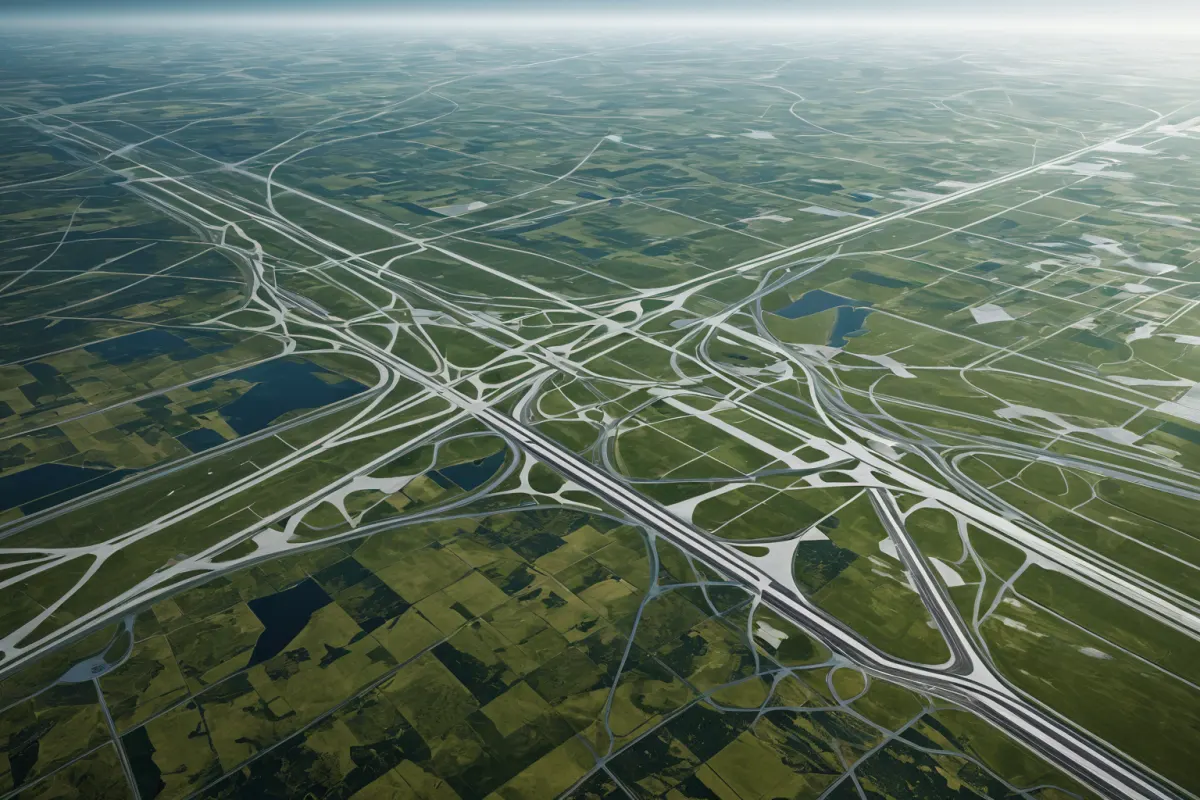
The relocation of the Gwangju Military Airport is less about moving a facility and more about balancing regional interests. Those supporting relocation want to reduce noise pollution and development constraints on the city, while communities in potential new locations worry about lifestyle changes and environmental burdens.
Compounding this are significant costs involved—new airport construction, auxiliary facility relocations, land compensation, and surrounding infrastructure improvements all come with high price tags, making it difficult to reach a quick conclusion.
An important factor is public perception. While relocating the airport could make Gwangju's city center quieter, new areas would face increased noise and safety issues. This is why relocation discussions often divide opinions clearly between supporters and opponents.
Noise Compensation and Changes in Surrounding Life
Noise compensation for the Gwangju Military Airport is one of the most sensitive issues for nearby residents. Repeated aircraft takeoffs and landings can disrupt daily life, even with windows closed, affecting study and sleep.
Compensation typically varies based on noise levels, residential location, and related criteria. Therefore, those seeking noise compensation should first verify if they meet the eligibility requirements.
In practice, noise perception can differ within the same neighborhood depending on building position or floor level. Keeping records of noise during peak times can be helpful, as missing application periods after notices are distributed could prevent access to support.
Why the Gwangju Military Airport Relocation Special Act Is Being Noted
The Gwangju Military Airport Relocation Special Act is frequently mentioned as a way to more realistically advance relocation procedures. Given that public projects involving multiple stakeholders require careful balancing, this special legal framework addresses the need for a dedicated structure.
This law gains attention because it doesn't just focus on relocating the airport but also covers candidate site selection, funding arrangements, and surrounding development and compensation—all in one comprehensive plan. Having a legal basis increases the likelihood of steady progress without disruption.
However, having such a law does not mean construction will immediately begin. In reality, further steps like local government negotiations, central government decisions, and public feedback collection are necessary, which may take additional time.
Key Points to Check When Searching
When looking for information about the Gwangju Military Airport's location or relocation candidates, it's important not to rely solely on article titles but also consider who issued the information and when. The same candidate area might be discussed at different stages—negotiation, review, or community briefing—each with a distinct meaning.
Additionally, land area figures can vary depending on their source. It's best to distinguish whether they refer to just the core facility or include supporting areas. Relying only on one number can lead to misunderstanding, so checking the scope of the measurement is essential.
For example, '1 million square meters for Gwangju Military Airport land' might describe the current facility size, while 'total required area for relocation candidate site' could refer to the overall project scale. These are not equivalent terms.
What to Watch in Current Discussions
The Gwangju Military Airport relocation is intertwined with regional politics and development plans, so discussions don't lead to immediate conclusions. Therefore, it's more accurate to view updates as part of a long-term trend rather than short-term announcements.
In particular, the candidate locations and required land area are likely to continue adjusting. Depending on noise standards, land acquisition challenges, and public acceptance levels, both numbers and locations may change over time.
To fully understand the Gwangju Military Airport site, it's necessary to consider not just its current location but also the conditions and calculation methods for the relocation candidate area. This will help avoid confusion when encountering varying figures across different articles.
FAQ
Q. Where is the Gwangju Military Airport located?
The airport is currently in the Songjeong-dong area of Gwangsan District, Gwangju Metropolitan City. Due to its proximity to residential areas, noise issues have been ongoing for a long time.
Q. Has the relocation candidate site been finalized?
No, it's still at the negotiation and review stage. While Muan County has been frequently mentioned as a potential site, this is not yet an official decision.
Q. Why does the required land area keep changing?
The figures differ based on whether they include only the core facility or also factors like runways, safety zones, and supporting areas. Different sources use different calculation scopes, leading to varying numbers.
Note: Information about Gwangju Military Airport site and relocation candidates may change over time, so it's advisable to verify important figures against the latest available data.
Continue exploring similar topics.
View Category ArticlesFAQ
Where is the Gwangju Military Airport located?
The airport is currently in the Songjeong-dong area of Gwangsan District, Gwangju Metropolitan City. Due to its proximity to residential areas, noise issues have been ongoing for a long time.
Has the relocation candidate site been finalized?
No, it's still at the negotiation and review stage. While Muan County has been frequently mentioned as a potential site, this is not yet an official decision.
Why does the required land area keep changing?
The figures differ based on whether they include only the core facility or also factors like runways, safety zones, and supporting areas. Different sources use different calculation scopes, leading to varying numbers.
Korean Source
This article is an English localization of a Korean-language report from BlogScore. Original: 광주 군공항 부지, 이전 후보지와 면적 변화는?