
Gwacheon City's Successful Appeal in Religious Facility Restriction Case: Key Steps and Insights
Key Points Summary
Gwacheon City recently won an appeal in a lawsuit challenging its refusal to approve the conversion of the 9th floor of E-Mart into a religious facility by Shincheonji. The court ruled that Gwacheon's public interest-based refusal was justified, and Mayor Sin Kye-yong was praised for safeguarding community unity and safety. This marks a reversal from the first-instance loss, highlighting an important case where civic engagement influenced legal proceedings to protect public welfare. The victory is seen as demonstrating how community awareness can shape legal outcomes, prompting other local governments to strengthen their legal basis for refusing such changes on public interest grounds.Background and Case Progression
In November 2023, Gwacheon City refused Shincheonji's request to convert the 9th floor of E-Mart into a religious facility under Article 5 of its Building Use Change Ordinance, which allows refusal based on public safety and resident convenience. Shincheonji filed an administrative lawsuit over this decision, winning at first instance but losing on appeal in August 2026. The case is seen as more than just a routine legal dispute—it has significant implications for local residents' safety and the direction of public policy. Gwacheon City's refusal was linked to Shincheonji's history of operating multiple locations in Gwacheon since 2021. Concerns included potential safety risks from large entrances if the E-Mart 9th floor, previously a commercial space, were converted into a religious facility. The city publicly discussed these concerns and also considered possible conflicts with surrounding commercial activities.Court's Legal Reasoning
The court determined that Gwacheon City's refusal was lawful based on public interest considerations. This ruling relied on Article 5 of the Building Use Change Ordinance, which permits refusing use changes to protect public safety and resident convenience. Specifically, Gwacheon had raised concerns about large entrances affecting nearby residents' safety if the E-Mart 9th floor were converted from commercial to religious use. The court found these concerns valid. Additionally, the possibility of increased anxiety among residents due to concentrated religious facility operations in specific areas was taken into account. The court's ruling explicitly stated that 'Gwacheon City’s refusal is a legitimate measure for public interest and represents a reasonable exercise of authority by local governments to protect residents’ safety and convenience.' This case is viewed as evidence that Gwacheon did not merely make an administrative decision but carefully considered community needs before making its choice.Significance of the Victory and Civic Engagement
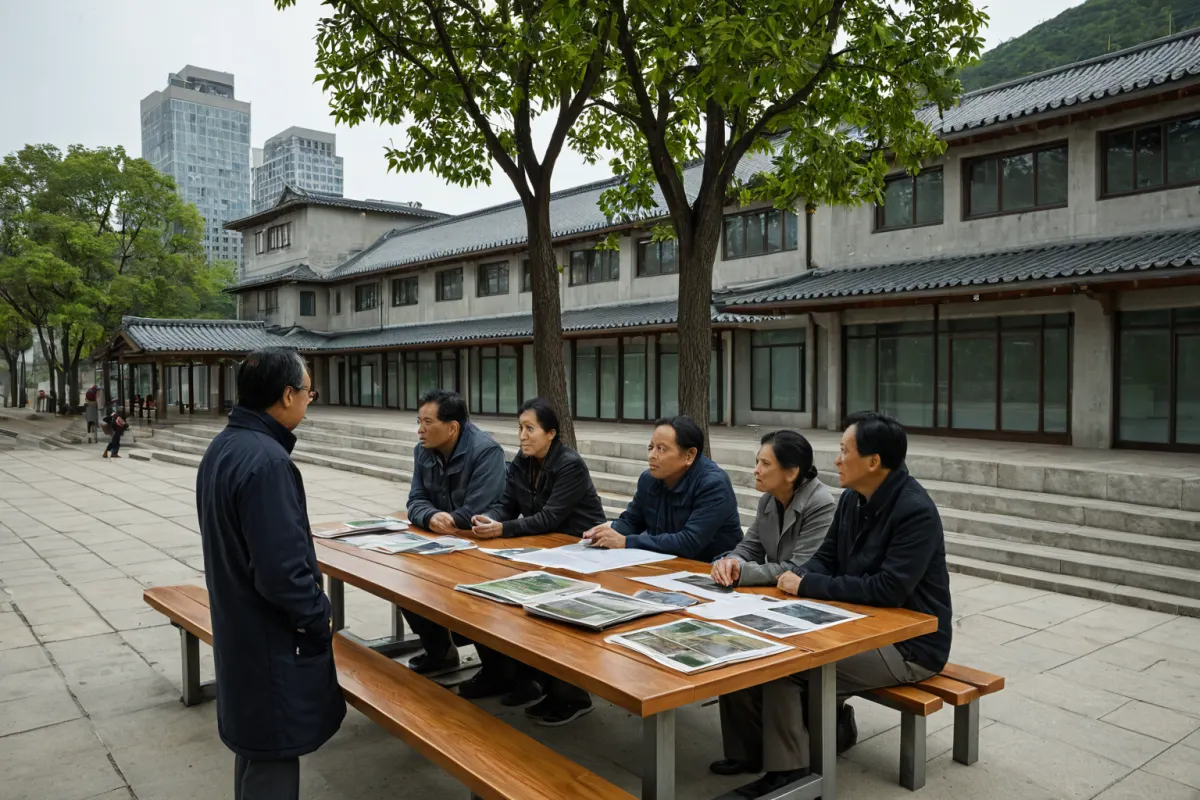
Mayor Sin Kye-yong described the victory as a result of 'community unity' and 'public interest protection.' This followed citizen mobilization after the first-instance loss, including public hearings where residents and civic groups actively participated. The city's 'Gwacheon Citizen Communication Platform,' which allows direct policy suggestions from citizens via an online platform and weekly meetings to discuss opinions, was instrumental in this process. The Gwacheon Citizen Communication Platform has been operational since 2023, enabling residents to directly propose policies through an online system while discussing their views in weekly meetings. In this case, a large turnout at a public hearing on opposing the E-Mart 9th floor conversion into a religious facility highlighted how effectively resident input was integrated into policy decisions.Future Steps and Considerations
Gwacheon City plans to continue proactively pursuing public interest-based refusals based on this victory. While Shincheonji may file further appeals, Gwacheon will respect the court's ruling and prepare for any necessary legal responses. Residents can check the procedures and ordinances related to building use change requests on Gwacheon City’s website. Public hearings for gathering resident opinions will continue regularly. Starting in mid-September 2026, Gwacheon plans to hold explanation sessions about 'reasons for refusing building use changes and procedural steps' to help residents understand potential legal risks early and prevent disputes. Additionally, the city aims to further clarify its Building Use Change Ordinance to ensure transparency.What Readers Should Know
- Residents can check the ordinance detailing reasons for refusing building use change approvals on Gwacheon City’s website by searching 'Building Use Change Ordinance.'
- Public hearing schedules for gathering resident opinions are available on Gwacheon City’s website and local news outlets.
- Administrative lawsuit information can be found through the Supreme Court's ruling search system.
Frequently Asked Questions
Q: What is the reason for refusing Shincheonji's request to convert a religious facility?
A: Gwacheon City refused based on public safety and resident convenience, as outlined in Article 5 of the Building Use Change Ordinance.
Q: Is there a possibility of further appeals by Shincheonji?
A: Shincheonji may file additional appeals, but Gwacheon City will respect the court ruling and prepare for any necessary legal responses.
Q: How did residents participate in the administrative lawsuit process?
A: Civic groups and residents provided input through public hearings and contributed to policy decisions via the Gwacheon Citizen Communication Platform.
You can view similar articles all in one place.
View Related ArticlesFAQ
What is the reason for refusing Shincheonji's request to convert a religious facility?
Gwacheon City refused based on public safety and resident convenience, as outlined in Article 5 of the Building Use Change Ordinance.
Is there a possibility of further appeals by Shincheonji?
Shincheonji may file additional appeals, but Gwacheon City will respect the court ruling and prepare for any necessary legal responses.
How did residents participate in the administrative lawsuit process?
Civic groups and residents provided input through public hearings and contributed to policy decisions via the Gwacheon Citizen Communication Platform.
Korean Source
This article is an English localization of a Korean-language report from BlogScore. Original: 과천시 항소심 승소 사례와 절차 안내