
The Historical Context and Significance of 'Gunpowder Over International Law'
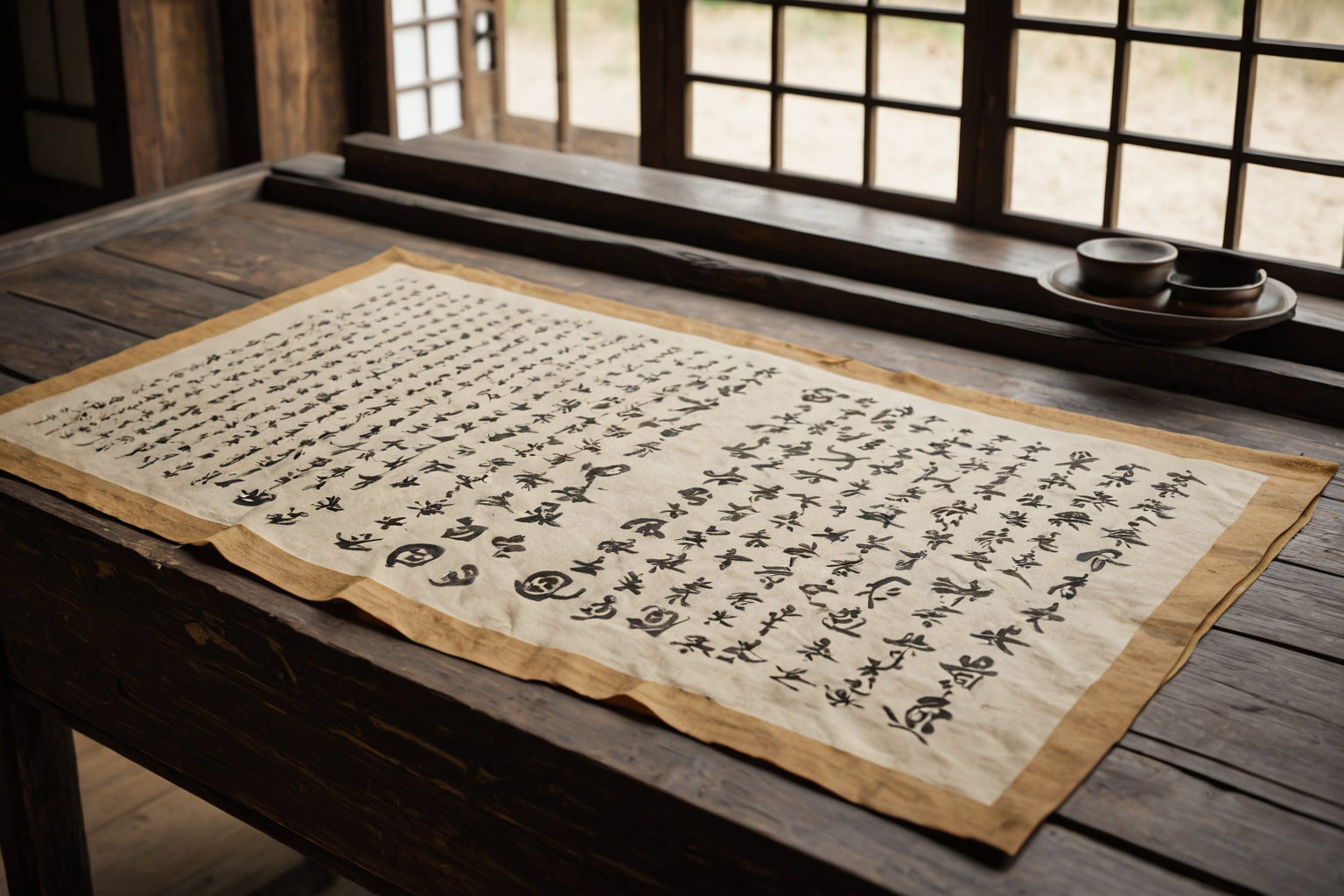
The Identity of 'Man-guk Gongbeop Bulyeo Daepo'
An Jung-geun's prison manuscript 'Man-guk Gongbeop Bulyeo Daepo' was recovered from Japan and publicly displayed in South Korea for the first time on August 13, 2026. The phrase means that military force (cannon) is more important than international law (man-guk gongbeop). After 116 years, this manuscript symbolically expresses historical background and the limitations of international law.
Historical Background of the Manuscript
The phrase was written by An Jung-geun in prison after receiving his death sentence, reflecting the international situation following the signing of the Japan-Korea Treaty of 1905 (Eulsa Treaty). At that time, Japan had imposed a coercive treaty to fully control Korea, while international law ignored real power dynamics.
An Jung-geun's manuscript criticizes 'international law' and emphasizes the necessity of military resistance. It expresses both the hopes and disillusionment of Korean independence activists toward the international community at that time.
Recovery and Public Display Process
The manuscript was recovered from Japan and returned to South Korea on August 13, 2026, marking a historic moment after 116 years. It had been held in Japan but its exact location and condition were unknown until recently.
Starting August 14, 2026, various media outlets highlighted the historical significance of this recovery, emphasizing how it serves as a reminder about the limitations of international law.
The Meaning of 'Man-guk Gongbeop Bulyeo Daepo'
The phrase symbolically conveys that military force (cannon) is more important than international law. It criticizes the reality where powerful nations ignore international law, and suggests strategies necessary for smaller nations to survive in international relations.
Written by An Jung-geun in prison before his execution, it reflects his realization of international law's limitations at the time of sacrifice. The phrase resonates today as smaller nations face similar situations in global politics.
Historical Significance
The 'Man-guk Gongbeop Bulyeo Daepo' manuscript is an important historical document that illustrates the context of past events and limitations of international law, contributing to understanding An Jung-geun's thoughts and the identity of Korea's independence movement. After 116 years, it serves as both a cultural heritage and a source of historical lessons.
The public display goes beyond a simple historical event; it has become an opportunity to reconsider the relationship between international law and military power. This is especially relevant today as smaller nations face pressure from powerful countries in global affairs.
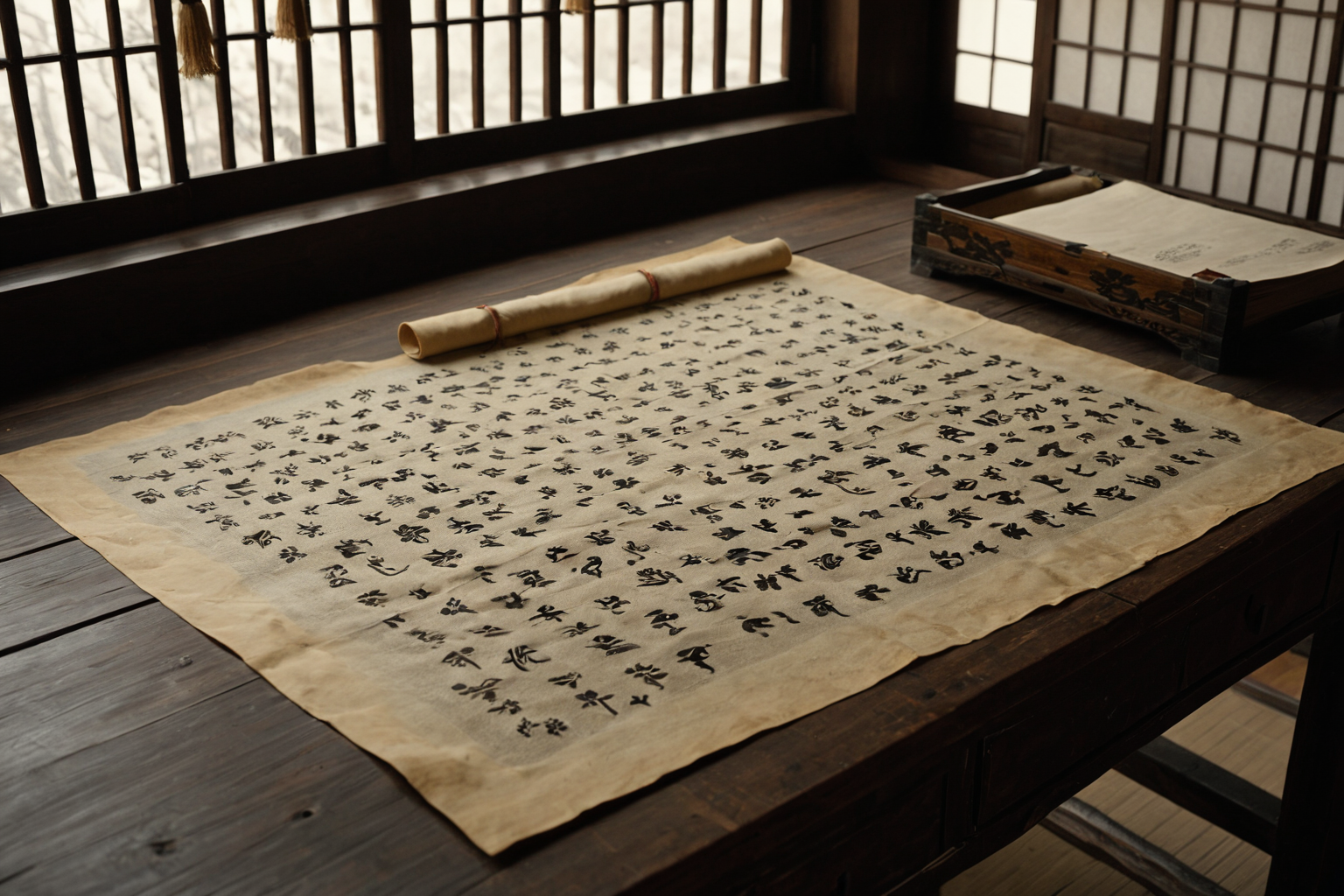
Additional Information About the Manuscript
An Jung-geun's manuscript was written during his imprisonment following Japan's control of Korea after the 1905 Eulsa Treaty. It symbolically represents the limitations of international law and resistance against powerful nations.
The exact content of the manuscript is not confirmed, but the phrase 'Man-guk Gongbeop Bulyeo Daepo' itself carries historical significance. After returning after 116 years, it plays an important role in preserving An Jung-geun's thoughts and the identity of Korea's independence movement.
Re-examining Historical Context
'Man-guk Gongbeop Bulyeo Daepo' reflects the international situation following the 1905 Eulsa Treaty. Japan had imposed a coercive treaty to fully control Korea, revealing that international law often prioritized powerful nations' interests over those of smaller countries.
An Jung-geun's prison manuscript criticizes this reality while emphasizing military resistance. It expresses both hope and disillusionment among independence activists toward the international community at that time. This resonates with current global dynamics where smaller nations face similar challenges.
Recovery Process of the Manuscript
The manuscript was recovered from Japan and returned to South Korea on August 13, 2026, after a 116-year absence. It had been held in Japan but its exact location and condition remained unknown until recently.
The recovery process involved multiple steps with cooperation between Japanese authorities and relevant institutions to return the manuscript to An Jung-geun's descendants. This is seen as a symbolic acknowledgment of historical heritage's importance.
Frequently Asked Questions
What is 'Man-guk Gongbeop Bulyeo Daepo'?
The phrase refers to a prison manuscript written by An Jung-geun, meaning that military force (cannon) is more important than international law.
When was the manuscript recovered from Japan?
It was recovered on August 13, 2026, and publicly displayed for the first time in South Korea. This marks a historic event after 116 years.
What is the historical significance of 'Man-guk Gongbeop Bulyeo Daepo'?
The phrase symbolically represents the limitations of international law and resistance against powerful nations, contributing to understanding An Jung-geun's thoughts and Korea's independence movement identity.
Frequently Asked Questions
The 'Man-guk Gongbeop Bulyeo Daepo' manuscript is a historical cultural heritage that returned after 116 years. It symbolically conveys the limitations of international law and resistance against powerful nations. Its public display goes beyond history, resonating with today's global situation where smaller nations face similar challenges, prompting reflection on the relationship between international law and military power.
You can view more articles on this topic in one place.
View Related ArticlesFAQ
What is 'Man-guk Gongbeop Bulyeo Daepo'?
It is a prison manuscript written by An Jung-geun, meaning military force (cannon) is more important than international law.
When was the manuscript recovered from Japan?
On August 13, 2026, after 116 years of being held in Japan.
What is the historical significance of 'Man-guk Gongbeop Bulyeo Daepo'?
It symbolizes the limitations of international law and resistance against powerful nations, reflecting An Jung-geun's thoughts on Korea's independence movement.
Korean Source
This article is an English localization of a Korean-language report from BlogScore. Original: 만국공법불여대포의 역사적 배경과 중요성