
Government Response and Official Stance on the 1 Line Protest
Key Points Summary
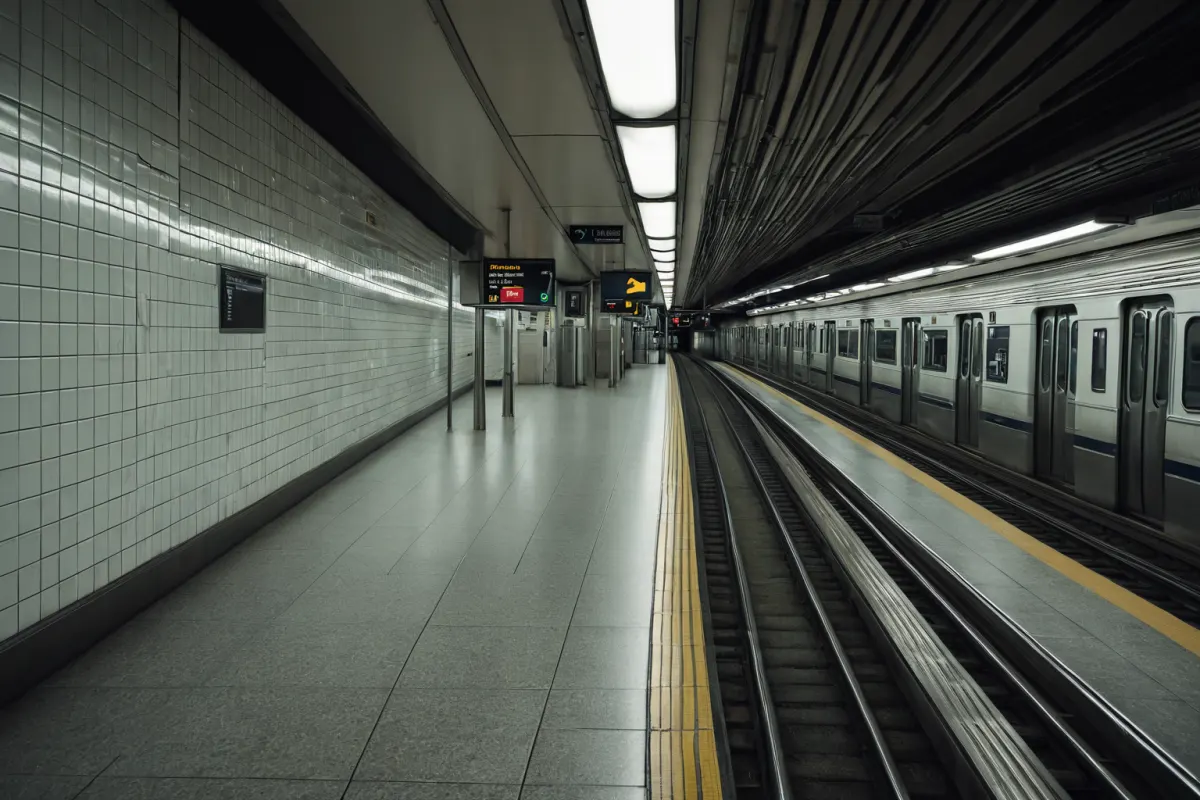
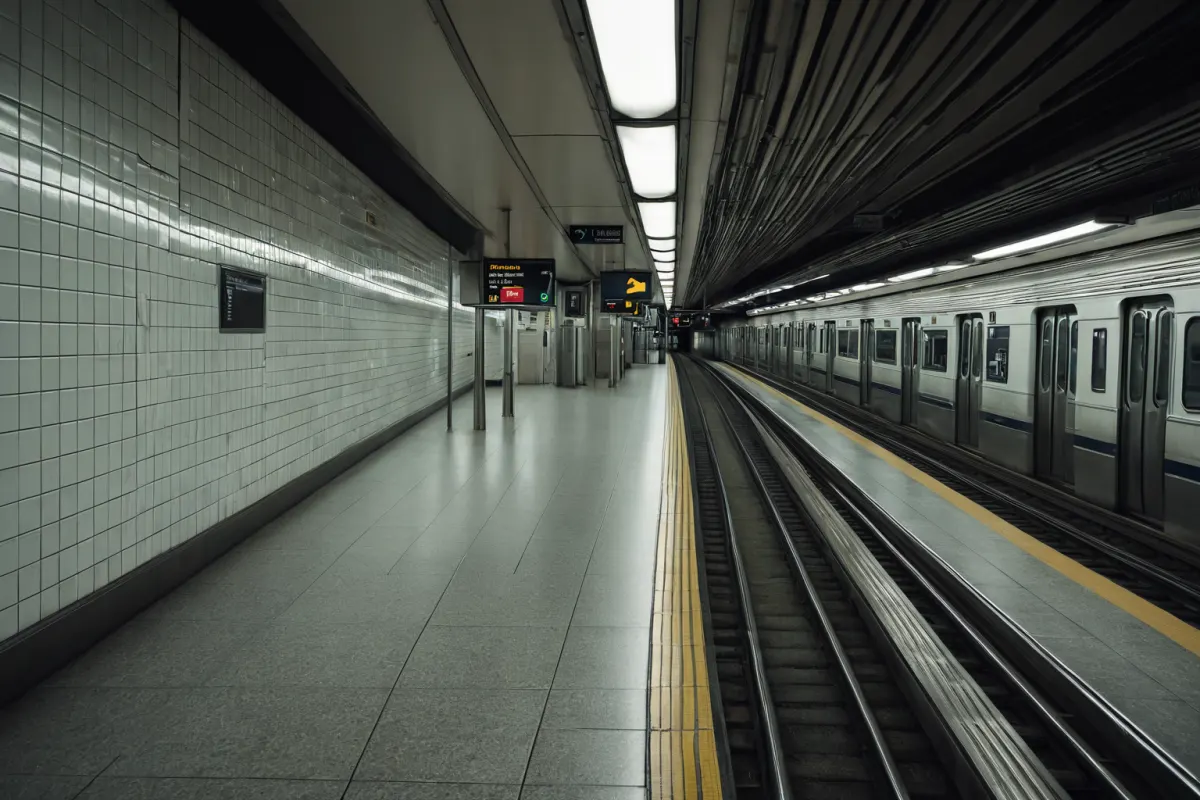
The National Council of Persons with Disabilities (NCPD) held subway protests during rush hours from July 2 to August 10, demanding the inclusion of disability rights funding in government budgets. This led to trains bypassing Yongsan Station on Line 1 and Hyeowa Station on Line 4, where a 30-minute no-stop operation was recorded. The situation reflects escalating tensions between disability advocacy groups and the government over unmet budgetary demands.
Protest Background and Purpose
The NCPD's protest began as part of their campaign to secure increased government funding for disability welfare. The group resumed their rush-hour subway protests after a six-month pause, aiming to draw public attention. Using the slogan 'Rights-Based Job Restoration,' they emphasized social inclusion and economic self-sufficiency for people with disabilities while urging budget increases. This follows the 2025 amendment to the Disability Welfare Act, which proposed funding hikes that were not implemented. In December 2024, the NCPD submitted a written request to the government asking for at least a 30% increase in disability welfare funding, but the government did not accept this proposal.
Protest Timeline
The NCPD resumed their rush-hour subway protests on July 2, marking the first major demonstration after six months. From August 3 to 10, concentrated protests occurred at Yongsan and Hyeowa stations. On August 10, Line 1 trains bypassed Yongsan Station without stopping, while Line 4 at Hyeowa Station experienced a 30-minute no-stop operation. These protests were conducted daily during morning rush hours, with continuous boarding reported for two hours at Yongsan Station on August 10. As a result, Seoul Metro decided to implement bypass operations at Yongsan Station and a 30-minute no-stop period at Hyeowa Station for Line 4.
Government and Police Response
The government and police have taken a firm stance on the protests. However, no official statements or specific response plans from the government were found in available materials. Some media reported that police considered forcibly dispersing protesters, but this did not occur. The NCPD criticized the government's lack of responsibility and called for further discussions on funding increases. The Police Agency stated that additional measures would be taken if protests continue, though specific details remain undisclosed. Seoul Metro has strengthened alternative route guidance and real-time information services to minimize traffic congestion caused by the protests, starting from August 10.
Public Reaction
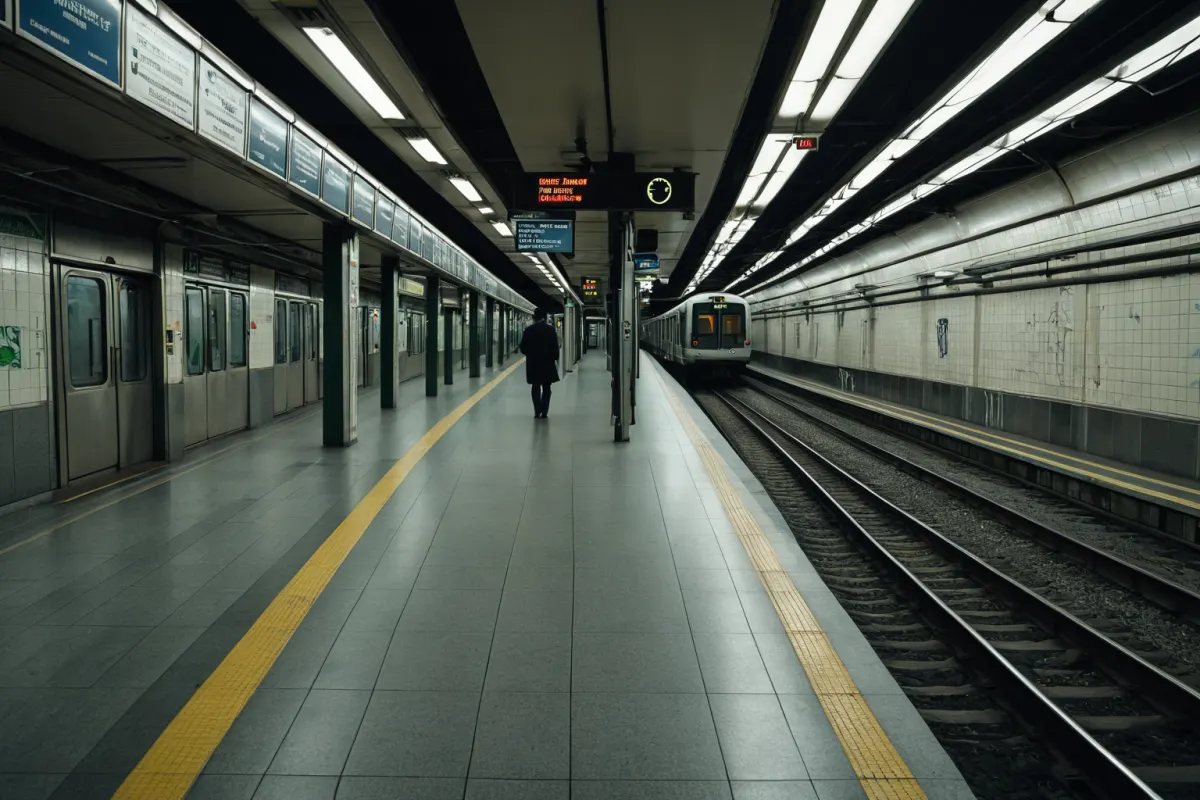
The public expressed frustration over travel disruptions during rush hours due to bypassed trains. Many commuters faced delays and congestion as subway services were disrupted. Some citizens criticized the situation as 'using ordinary citizens' mobility rights as hostages,' calling for a balance between disability rights and general commuter needs. The protests at Hyeowa Station on Line 4 also negatively impacted nearby commercial areas and traffic flow. In response, Seoul City is reviewing ways to improve public transportation services to minimize citizen inconvenience, particularly through coordination with local businesses around Hyeowa Station.
Future Schedule and Expected Developments
The NCPD plans to continue its efforts for increased disability rights funding beyond the August protests. Large-scale gatherings or demonstrations are likely to follow. Discussions between the government and the group on concrete budgetary agreements are expected, though no official stance or specific plan has been announced yet. By mid-September, the NCPD is anticipated to request a meeting with the government for deeper discussions on funding inclusion. Seoul Metro also plans to introduce additional measures to minimize traffic congestion caused by future protests.
What Readers Should Check
1. Review official government reports or statements regarding the NCPD's protest demands and disability rights budgetary requirements. 2. Verify available alternative solutions to minimize travel disruptions caused by subway bypass operations. 3. Monitor ongoing public discussions about balancing disability rights with general commuters' mobility rights.
Frequently Asked Questions
Q: Why did the NCPD hold subway protests?
A: To demand increased government funding for disability welfare, specifically to secure higher budget allocations for disability-related programs.
Q: Has there been an official government response?
A: No formal government statement or specific response plan has been made public. Police considered but did not carry out forced dispersal of protesters.
Q: How have citizens reacted?
A: Many commuters criticized the disruption as 'using ordinary citizens' mobility rights as hostages,' calling for a balance between disability rights and general commuter needs.
You can view similar articles in one place.
View Related ArticlesFAQ
Why did the NCPD hold subway protests?
To demand increased government funding for disability welfare, specifically to secure higher budget allocations for disability-related programs.
Has there been an official government response?
No formal government statement or specific response plan has been made public. Police considered but did not carry out forced dispersal of protesters.
How have citizens reacted?
Many commuters criticized the disruption as 'using ordinary citizens' mobility rights as hostages,' calling for a balance between disability rights and general commuter needs.
Korean Source
This article is an English localization of a Korean-language report from BlogScore. Original: 1호선 집회에 대한 정부 대응 및 공식 입장 확인