
Government-Private Sector AI Data Center Alliance: Achievements and Future Outlook
Government-Private Sector AI Data Center Alliance Launched
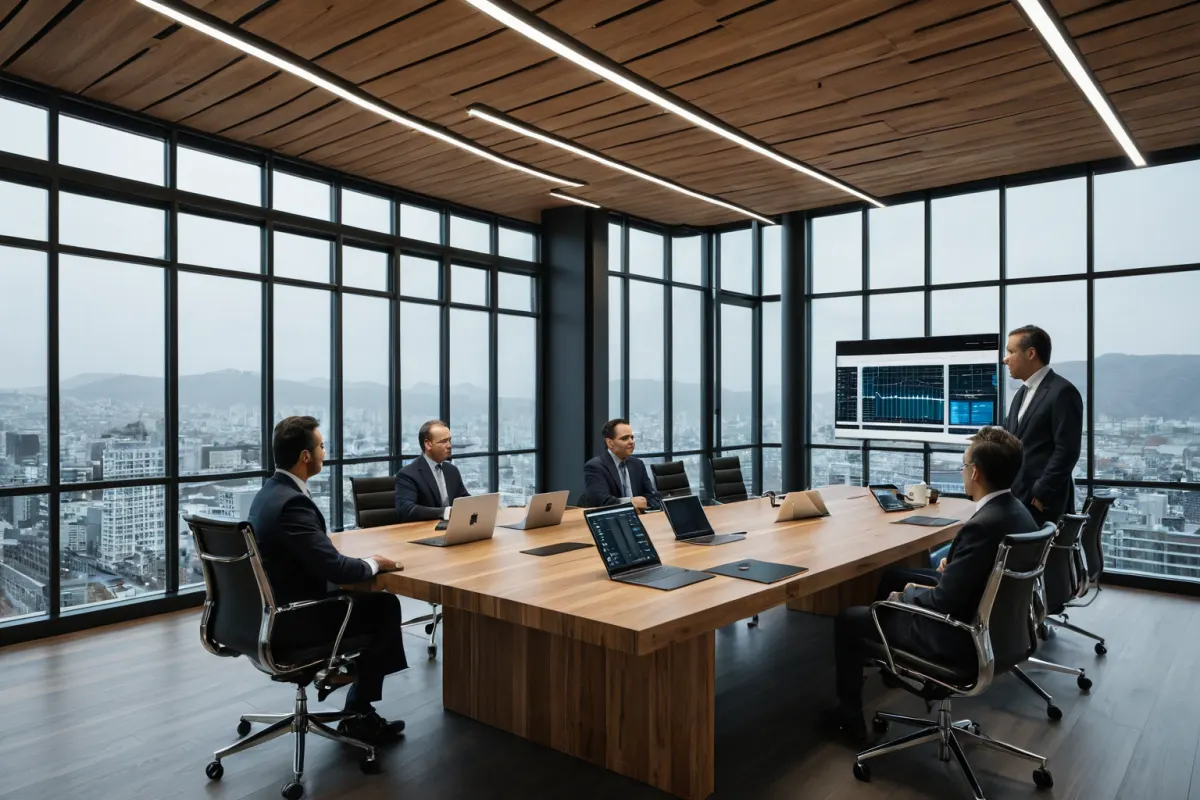
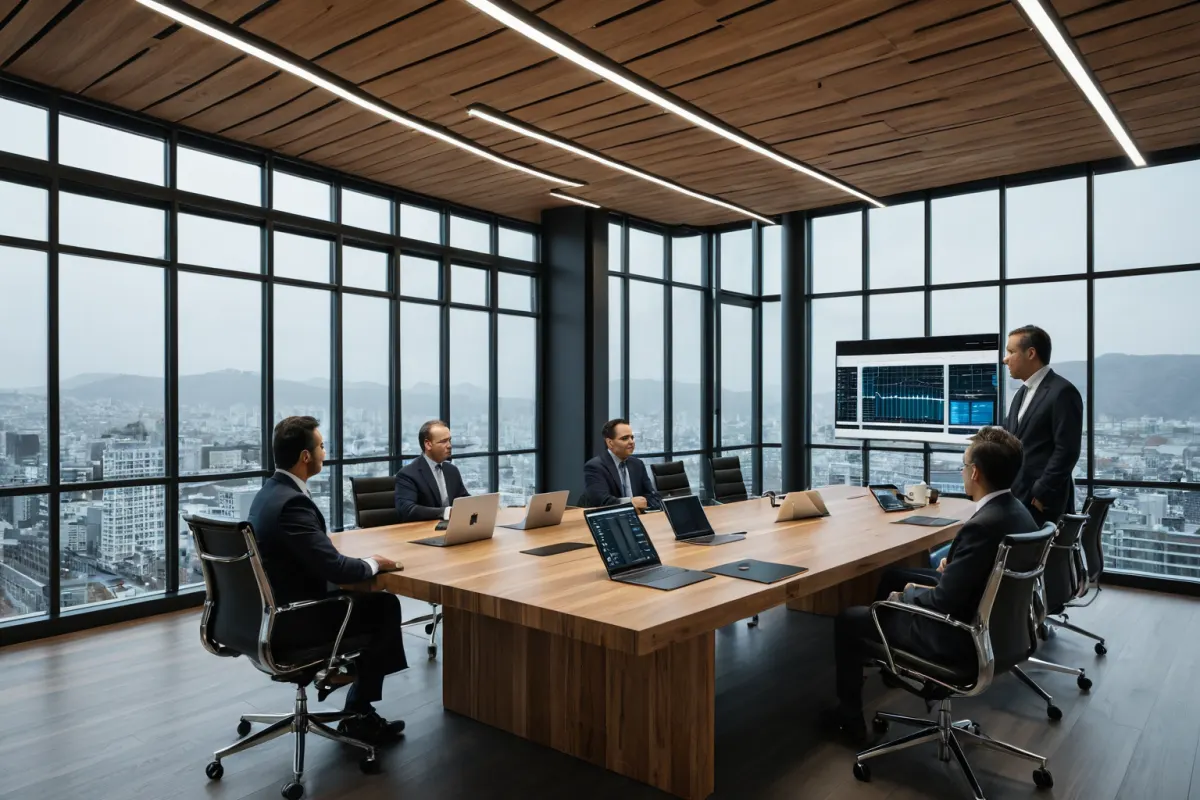
The government and private companies have officially launched the 'AI Data Center Alliance,' marking a significant step toward securing a leading position in physical AI with a 16 trillion won investment. Deputy Prime Minister Baek Gyeong-hoon urged telecom companies to invest boldly to transform into AI-focused enterprises, while President Yoon Suk-yeol met with OpenAI, NVIDIA, and Broadcom to strengthen South Korea's AI supply chain cooperation.
The 'AIDC Alliance' was launched on July 29, 2026, coinciding with the first steps of the government-private joint AI Data Center Alliance. This is seen as the initial step in concretizing the '140 trillion won AI Alliance.' Major companies including SKT, Naver, LG, and Kakao are leading subcommittees to accelerate data center construction and operations collaboration.
The government aims for 'physical AI 1st place' leadership, developing strategies to accelerate innovation in biotechnology, semiconductors, and quantum fields. It is also expanding international cooperation to strengthen the AI supply chain in response to the 'San Francisco AI Declaration.'
16 Trillion Won Investment to Secure Leadership in Physical AI
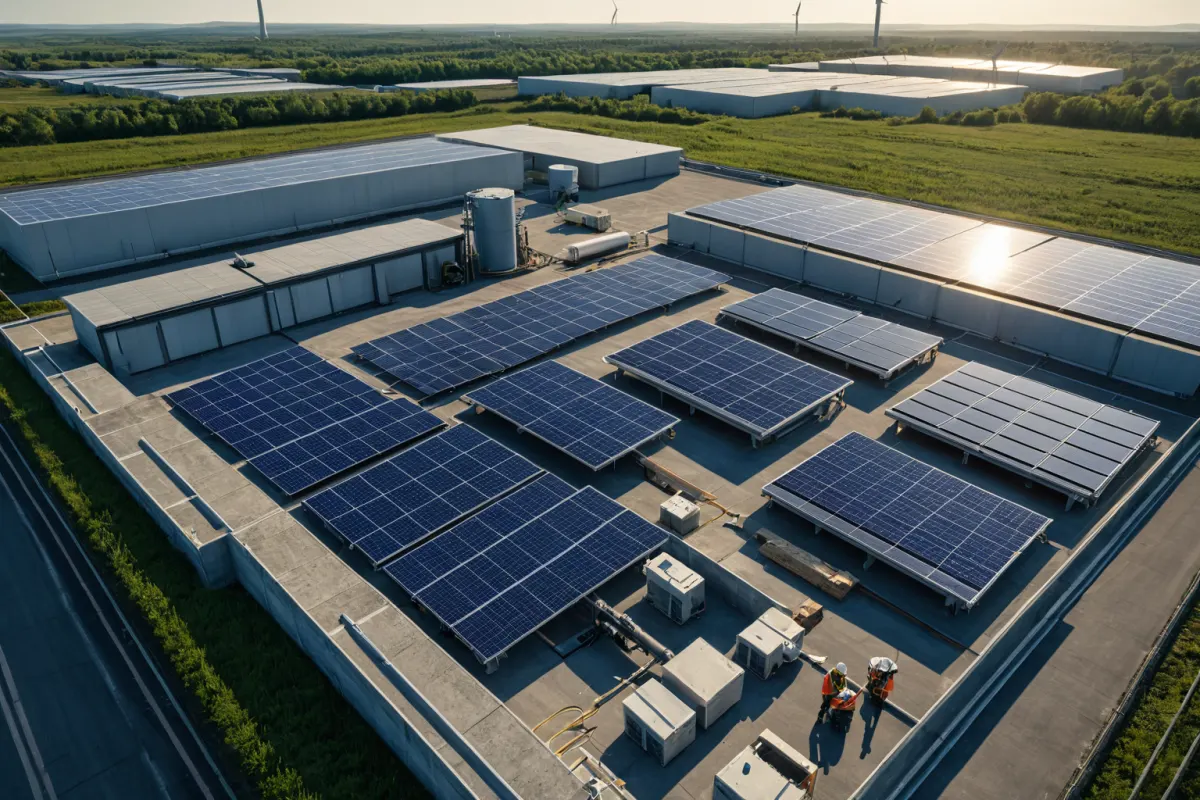
The government announced a 16 trillion won investment targeting 'physical AI 1st place' by July 1, 2026. This focus is on data center construction and operations, with key companies like SKT, Naver, LG, and Kakao leading subcommittees to enhance collaboration.
Construction contracts related to AI and data centers increased by 23% in the first quarter, reflecting tangible progress of government-private sector projects. The launch of the 'AI Data Center Alliance' is viewed as a key step in advancing the AIDC national strategy.
The government declared its semiconductor and AI national strategy, setting a goal to become a 'superior industry power.' The Ministry of Science and ICT has activated an AI Data Center Mega Project Support Task Force (TF) to support these initiatives. South Jeolla Province announced plans to build a 5.5 trillion won AI data center in Jangseong and Gangjin.
Need for Stronger Demonstration Areas and Power/Water Solutions
The failure of Gwangju City's bid to host the National AI Computing Center on October 22, 2025, highlights the need to strengthen demonstration areas. This case underscores a critical lesson: data center construction requires careful consideration of power and water solutions.
According to a June 27, 2026 article in Gyeongnam Daily, 'Power and water solutions are necessary for AI data center acquisition.' These practical considerations have become prominent issues that must be addressed during the planning phase.
The government and private companies are working on power and water plans as part of the alliance launch, while also leveraging construction industry stimulation effects. This contributed to a 23% increase in first-quarter construction contracts—a tangible sign of progress from government-private collaboration.
Future Outlook for Government-Private Sector Projects
The 'AI Data Center Alliance,' launched on July 14, 2026, is seen as the initial step toward concretizing the '1400 trillion won AI Alliance.' Deputy Prime Minister Baek Gyeong-hoon urged telecom companies to invest boldly to become AI-focused enterprises, while President Yoon Suk-yeol met with OpenAI, NVIDIA, and Broadcom to expand South Korea's AI supply chain cooperation.
On July 14, 2026, the 'AI Data Center Alliance' was launched, with inter-ministerial support systems also activated. The Ministry of Science and ICT has activated an AI Data Center Mega Project Support Task Force (TF) to assist these projects.
South Jeolla Province announced plans to build a 5.5 trillion won AI data center in Jangseong and Gangjin, seen as a strategic move to enhance synergies within the AI industry. The government has declared its semiconductor and AI national strategy with the goal of becoming a 'superior industry power.'
Key Information to Verify
The failure of Gwangju City's bid for the National AI Computing Center highlights the need to strengthen demonstration areas, which is a critical issue to consider during data center construction. The emphasis on power and water solutions, as noted by Gyeongnam Daily, has become an essential factor in attracting AI data centers.
The government's 16 trillion won investment plan targets establishing leadership in physical AI infrastructure, seen as a concrete strategy for achieving 'physical AI 1st place.' Major companies including SKT, Naver, LG, and Kakao are leading subcommittees to accelerate data center construction and operations collaboration.
Frequently Asked Questions
Where is the government's 16 trillion won investment focused?
The government is investing 16 trillion won in 'physical AI' to support data center construction and operations. This strategy aims to strengthen the AI supply chain and build demonstration area capabilities.
What does the AIDC Alliance launch mean?
The launch of the 'AIDC Alliance' marks the first step toward cultivating AI data centers as a national strategic industry through government-private collaboration. It is considered an important milestone in concretizing the '1400 trillion won AI Alliance.'
What can we learn from Gwangju City's failed bid for the National AI Computing Center?
Gwangju's failure highlights the need to strengthen demonstration areas. It also shows that power and water solutions are essential during data center construction, serving as a key lesson for future projects.
Frequently Asked Questions
The government-private sector collaboration in AI data centers is presenting new strategies. With the launch of the 'AIDC Alliance' and 16 trillion won investment, South Korea is moving toward securing leadership in physical AI infrastructure. This aligns with its semiconductor and AI national strategy to achieve the goal of becoming a 'superior industry power.'
Collaboration between private companies and the government emphasizes the importance of practical support such as power and water solutions. Learning from Gwangju's failure, future projects must be better prepared. The 23% increase in first-quarter construction contracts reflects tangible progress from these collaborative efforts.
The outlook remains positive, but careful preparation for practical issues like power and water is critical during data center construction. With continued government-industry collaboration, South Korea's AI industry can secure a leading position in global competition.
You can explore more articles on similar topics.
View Related ArticlesFAQ
Where is the government's 16 trillion won investment focused?
The government is investing 16 trillion won in 'physical AI' to support data center construction and operations. This strategy aims to strengthen the AI supply chain and build demonstration area capabilities.
What does the AIDC Alliance launch mean?
The launch of the 'AIDC Alliance' marks the first step toward cultivating AI data centers as a national strategic industry through government-private collaboration. It is considered an important milestone in concretizing the '1400 trillion won AI Alliance.'
What can we learn from Gwangju City's failed bid for the National AI Computing Center?
Gwangju's failure highlights the need to strengthen demonstration areas. It also shows that power and water solutions are essential during data center construction, serving as a key lesson for future projects.
Korean Source
This article is an English localization of a Korean-language report from BlogScore. Original: 민관 AI 데이터센터 협력 프로젝트 성과와 향후 전망