
Government Physical AI: Impact and Future Outlook for Industry
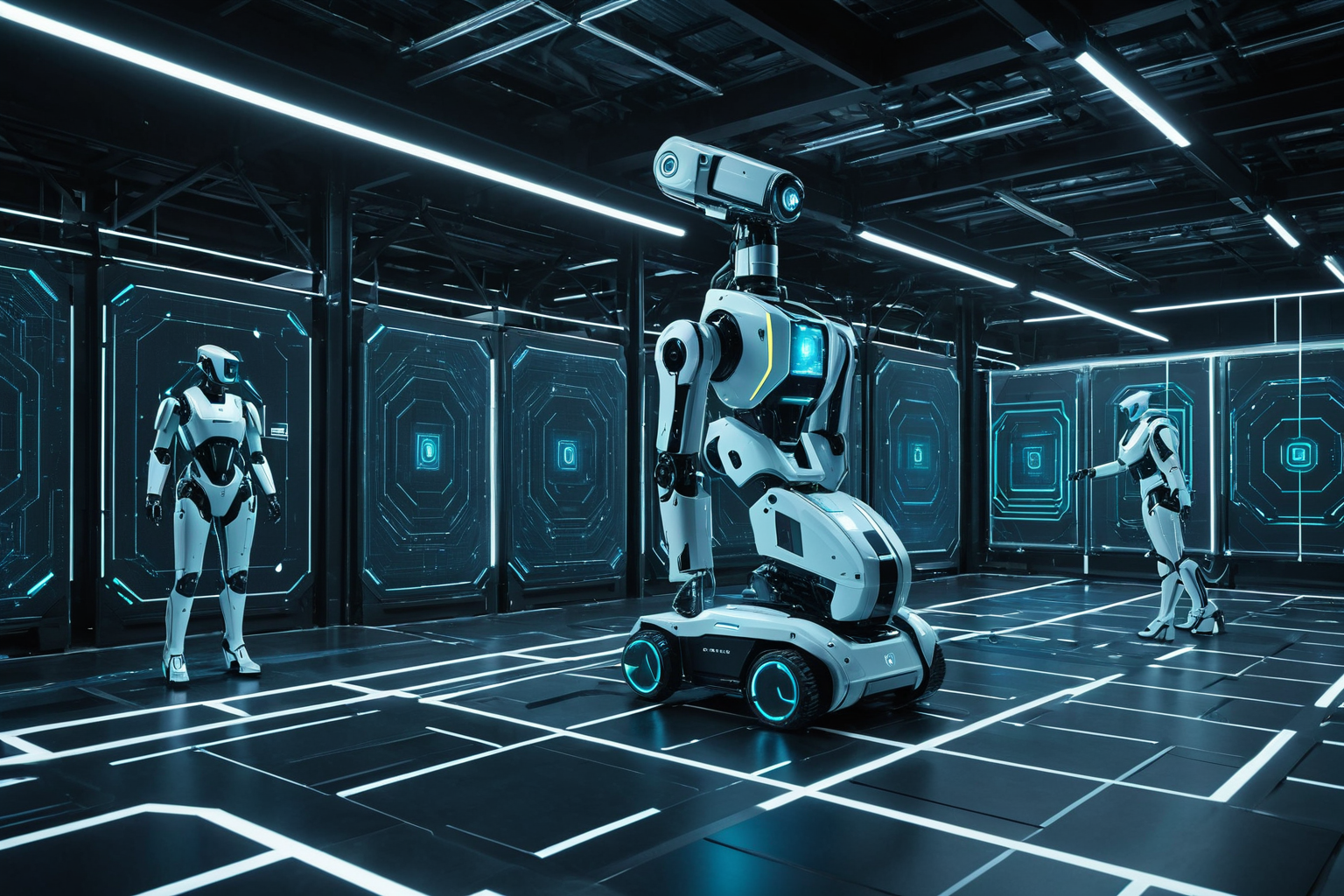
Government Physical AI has become one of the most frequently discussed tech terms in industrial settings lately. Simply put, it refers to a trend where AI moves beyond screen-based information processing to connect with and control physical systems like robots, machinery, autonomous vehicles, and logistics networks. This concept is gaining particular attention in sectors such as manufacturing, logistics, construction, defense, and caregiving, especially when government policies align with industrial strategies to accelerate adoption.
For beginners, questions like 'Why is Physical AI suddenly important?', 'Why is the government focusing on it?', and 'What should businesses prepare for?' might come up. This article breaks down complex terms into simple explanations to compare how Government Physical AI impacts industries and what its future outlook looks like.
Government Physical AI: The AI That Moves Real-World Systems
Physical AI differs from AI that merely generates text or creates images. Its core lies in reading the surrounding environment through sensors, making decisions, and controlling actual machinery such as robotic arms or mobile devices. In other words, it's closer to 'AI that moves' rather than just 'thinking AI.'
The government views this field as important for good reason: It can address social challenges like labor shortages, safety issues, productivity improvements, and supply chain stability through technology. For example, an AI system in a factory analyzing camera data to detect defects could then direct robots to automatically sort products, significantly boosting efficiency.
Here, Government Physical AI isn't just about private companies competing technologically—it's tied to the overall competitiveness of entire industries. Infrastructure, data standards, regulations, pilot projects, and talent development must all align for real-world implementation to succeed.
You can find more articles on similar topics in one place.
View Related ArticlesExpected Benefits Vary by Industry
In manufacturing, the biggest expected benefits are automated quality inspections and optimized processes. For instance, equipment with cameras and sensors can detect minute defects in products, while AI analyzes causes and adjusts operating conditions. This reduces manual checks without sacrificing precision, improving efficiency.
In logistics, autonomous mobile robots combined with warehouse management systems are typical examples. These systems locate items, calculate optimal paths, and guide movements for faster processing. In construction sites, safety monitoring and risk prediction are key; in caregiving, repetitive task assistance and condition monitoring are central.
Thus, while Physical AI is the same concept across industries, expected outcomes vary. When reviewing Government Physical AI policies, it's important to consider 'which industry faces which challenges' for resolution. Specific initiatives may change based on announcement timing, so checking official websites for details is recommended.
Government Policies Drive Technology Adoption Speed
Physical AI won't spread rapidly just because the technology itself is good—it must connect with real equipment, requiring safety validation, data collection, and pilot environments. Here, government plays a crucial role: R&D support, pilot projects, regulatory improvements, public procurement, and standardization policies all work together to lower industry entry barriers.
For example, SMEs often lack expensive equipment and specialized staff for independent trials. When the government provides testing centers or test beds, companies can reduce costs and assess technological feasibility more easily. Additionally, as on-site data accumulates, follow-up services and parts industries can grow alongside.
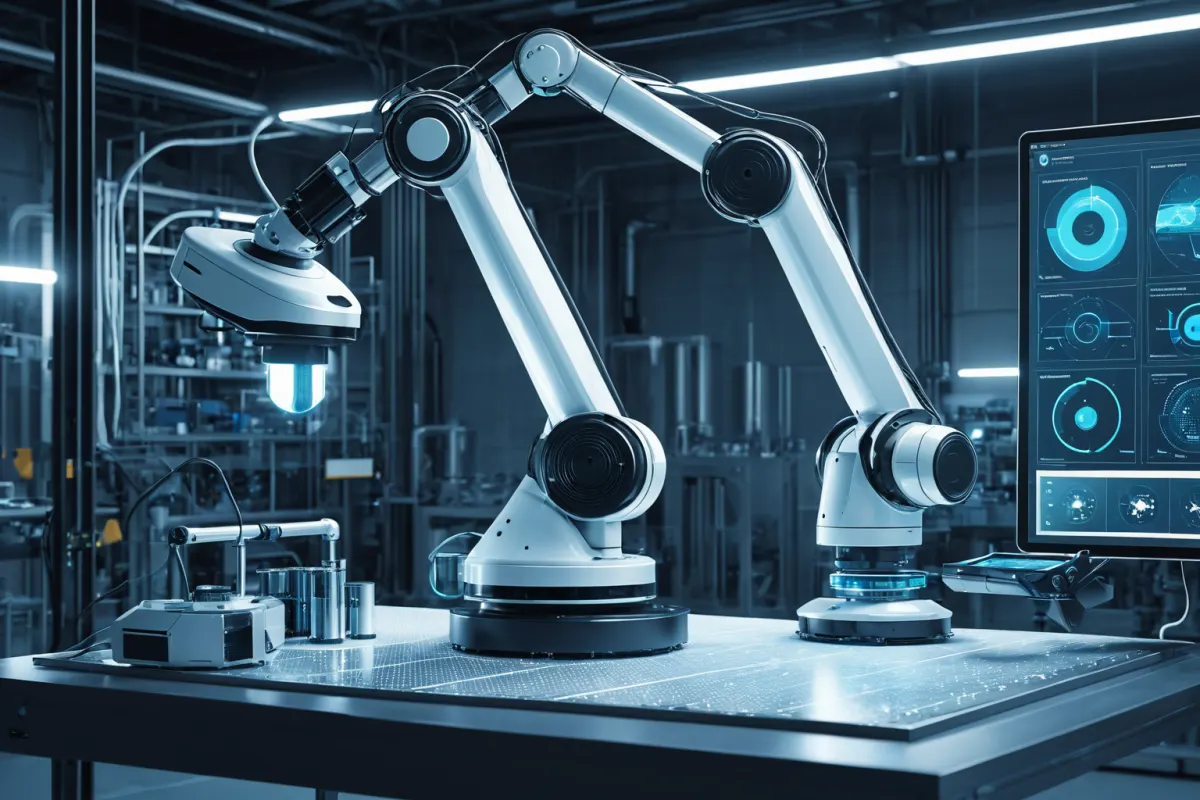
However, it's important to avoid overestimating policy impacts. Just because subsidies are available doesn't mean all processes will automate immediately. Compatibility with existing equipment, worker training, and maintenance systems must also be considered for real results.
Practical Steps for Beginners to Prepare for Adoption
To understand the Government Physical AI trend, businesses or individuals should first clearly define their problem. Instead of saying 'We'll implement AI,' specify goals like 'Inspection times are too long' or 'We want to reduce safety risks' or 'Automate repetitive logistics tasks.' Clear goals help identify suitable technologies.
Next, assess available data and equipment status. Check if sensor information is sufficient, whether camera installations are possible, and if integration with existing systems can be achieved. For example, a small factory might start with automated defect detection or equipment anomaly alerts rather than aiming for full automation from the beginning.
A beginner-friendly example: In packaging processes, replace manual visual checks for missing items with AI-powered cameras that flag problematic products. This approach is less burdensome than overhauling entire processes and allows quick verification of results.
Common Mistakes Beginners Make
The most common mistake is treating Physical AI as a universal solution. In reality, performance can drop if conditions change slightly, and combining with machinery increases safety standards significantly. So, don't decide based solely on demos—thoroughly test under actual site conditions.
Another error is neglecting data preparation. Physical AI requires various data types like video, sensor readings, and location information. Poor-quality data leads to incorrect AI decisions. It's crucial for on-site staff and tech teams to align on standards together.
Finally, waiting passively for government support is problematic. While policies help, businesses must define their own implementation goals and start with small-scale pilots to achieve results. Support programs are tools that expand opportunities—not devices that create outcomes directly.
In Summary: Industry Competitiveness Will Be Determined by Execution Speed
Government Physical AI isn't just a buzzword—it's a technological trend capable of reshaping industrial structures. It offers significant potential to reduce repetitive tasks and improve safety and productivity across sectors like manufacturing, logistics, construction, and caregiving. However, success depends not only on AI model performance but also on how well data, equipment, personnel, and policies align.
Looking ahead, short-term growth will likely focus on pilot projects and specific automation cases, while mid-to-long term may see wider adoption of integrated intelligent systems across entire processes. That said, adoption speeds will vary by industry, so monitoring both government announcements and sector trends is advisable. Related regulations and project notices change over time, so checking official websites regularly remains essential.
For beginners, start by considering 'what problem to solve' rather than aiming for grand technology implementations. Clearly defining problems leads to a more realistic understanding of Government Physical AI and significantly higher chances of successful application.
FAQ
Q1. How is Government Physical AI different from regular AI?
A1. Regular AI primarily handles text, images, or data analysis, while Physical AI connects to physical devices like robots or machinery.
Q2. Can small and medium businesses adopt Government Physical AI?
A2. Yes, though starting with smaller-scale applications like inspection assistance or anomaly detection is more realistic than full automation from the start.
Q3. Where can I find related policies or support programs?
A3. Department-specific announcements and project details change frequently, so always verify through official websites.
Continue exploring articles on similar topics.
View Category ArticlesFAQ
How is Government Physical AI different from regular AI?
Regular AI primarily handles text, images, or data analysis, while Physical AI connects to physical devices like robots or machinery.
Can small and medium businesses adopt Government Physical AI?
Yes, though starting with smaller-scale applications like inspection assistance or anomaly detection is more realistic than full automation from the start.
Where can I find related policies or support programs?
Department-specific announcements and project details change frequently, so always verify through official websites.
Korean Source
This article is an English localization of a Korean-language report from BlogScore. Original: 정부 피지컬AI가 산업에 미치는 영향과 전망 비교 분석