
Government Emergency Disaster Relief Fund: Eligibility and Payment Schedule
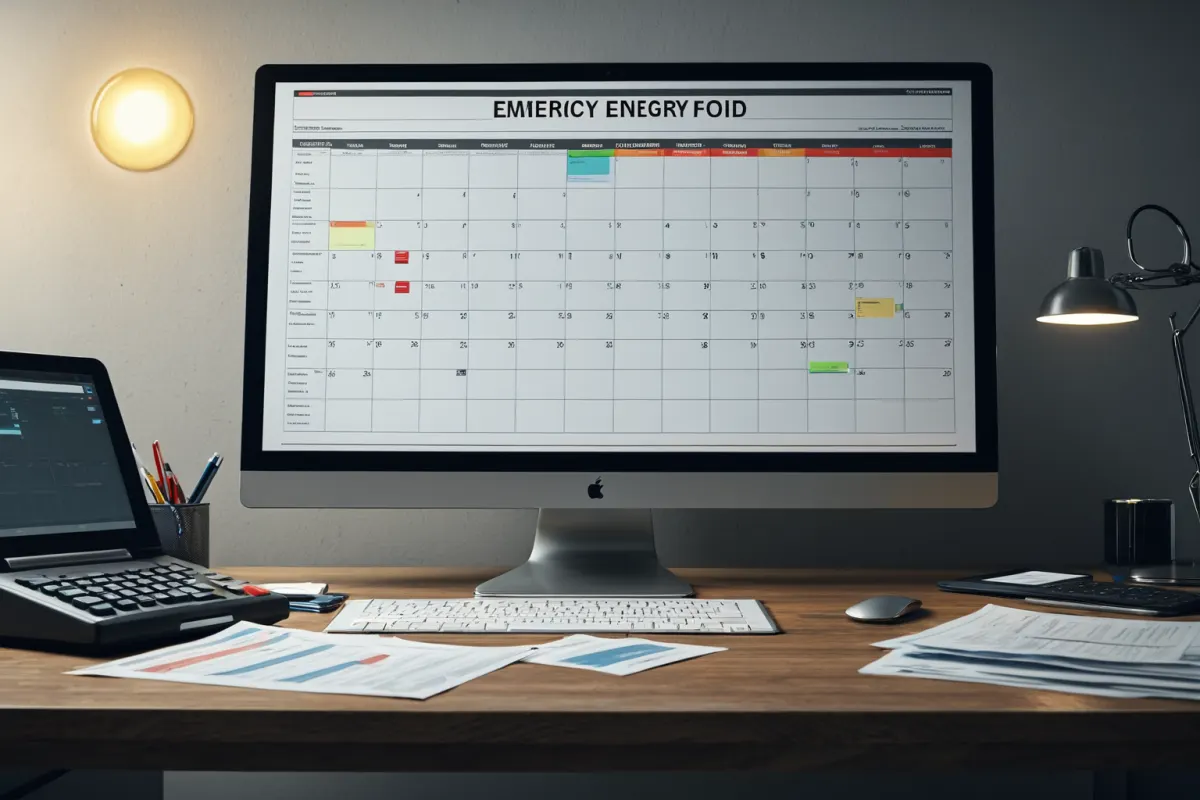
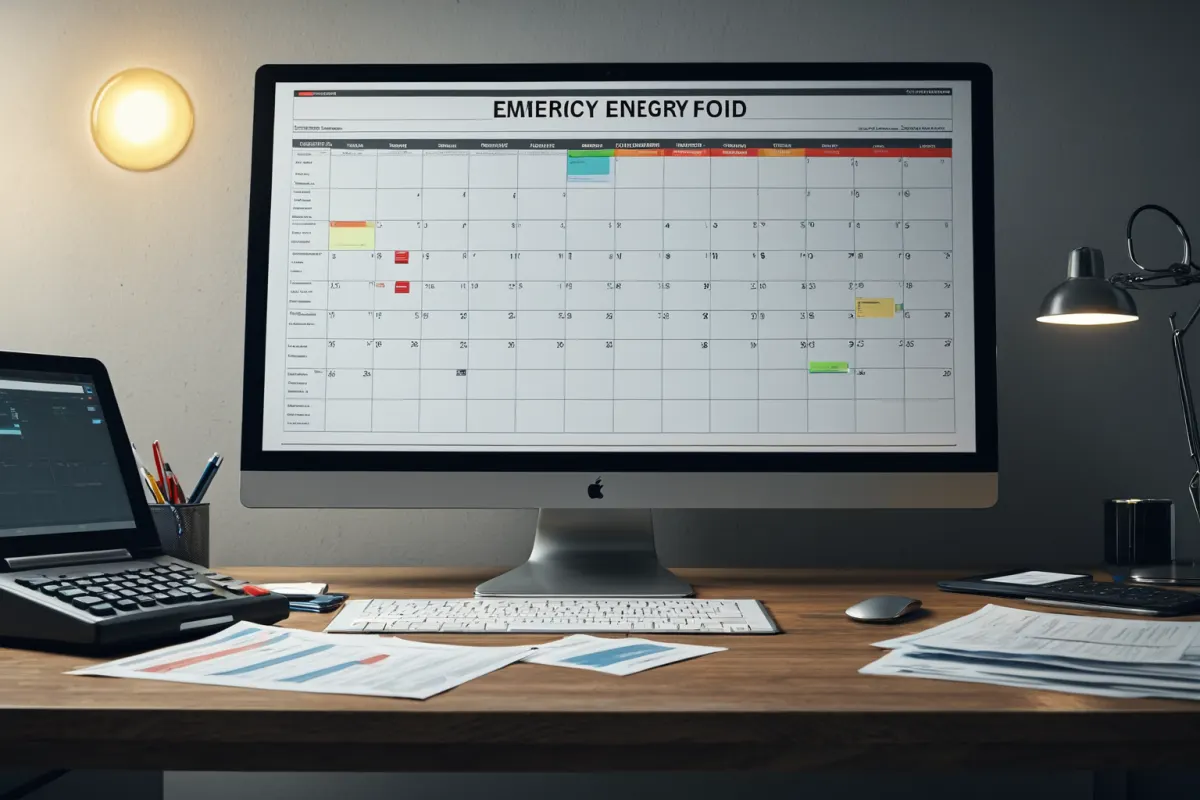
The Government Emergency Disaster Relief Fund is typically provided to households that have experienced a sudden drop in income or disaster-related damage. Applications are reviewed before payment is issued, but it's not a nationwide blanket distribution. Eligibility, amount, and timing depend on local governments, the type of disaster, and income thresholds. Therefore, the first step is to confirm "Am I eligible?" followed by "Where do I apply?" and finally "When will I receive it?"
Why Confirming Eligibility First Is Important
Although the names may sound similar, eligibility criteria vary depending on circumstances. The requirements differ based on the cause—such as natural disasters, infectious diseases, regional economic downturns, or financial hardship—and whether applications are processed at a household level or individual basis.
The most common factors include income, assets, household composition, and proof of disaster damage. For example, two neighbors living in the same area may have different outcomes: one with income above a certain threshold could be excluded, while another who has lost income due to business closure or unemployment might qualify.
A common point of confusion is thinking "If it's a disaster relief fund, I should automatically qualify." In reality, eligibility depends on whether the purpose is to stabilize daily life, aid recovery from damage, or provide emergency living expenses. The review process varies accordingly.
You can find similar articles in one place.
View Related ArticlesHow to Apply for the Government Emergency Disaster Relief Fund
Applications are usually submitted through Government 24, local government websites, community centers, or welfare offices. Some programs allow online applications, but offline submissions may be required if identity verification or document submission is needed.
New applicants should prepare documents such as a resident registration certificate, ID card, bank statement copy, and proof of income reduction. For example, business owners might need a closure confirmation letter or sales decline documentation, while employees may require pay stubs or employment-related evidence.
A common mistake is entering household information incorrectly. Errors in details like whether households are separated, who counts as dependents, or the reference date for address can lead to applications being rejected during review even if submitted successfully.
Why Payment Dates Aren't Immediate
The Government Emergency Disaster Relief Fund isn't paid out immediately after application. It typically takes several days to weeks for verification of eligibility, checking duplicate claims, and reviewing documents.
Payment schedules vary depending on the program's nature. Some programs start after local budgets are approved, while others begin following central government guidelines. Thus, assuming "application date = payment date" can lead to misunderstandings.
In practice, most people receive funds within 1-3 business days after approval notification, but delays may occur if additional documents are requested or application volume is high. It's important to verify the expected payment date and ensure bank account details are correct.
Common Reasons for Exclusion from Eligibility
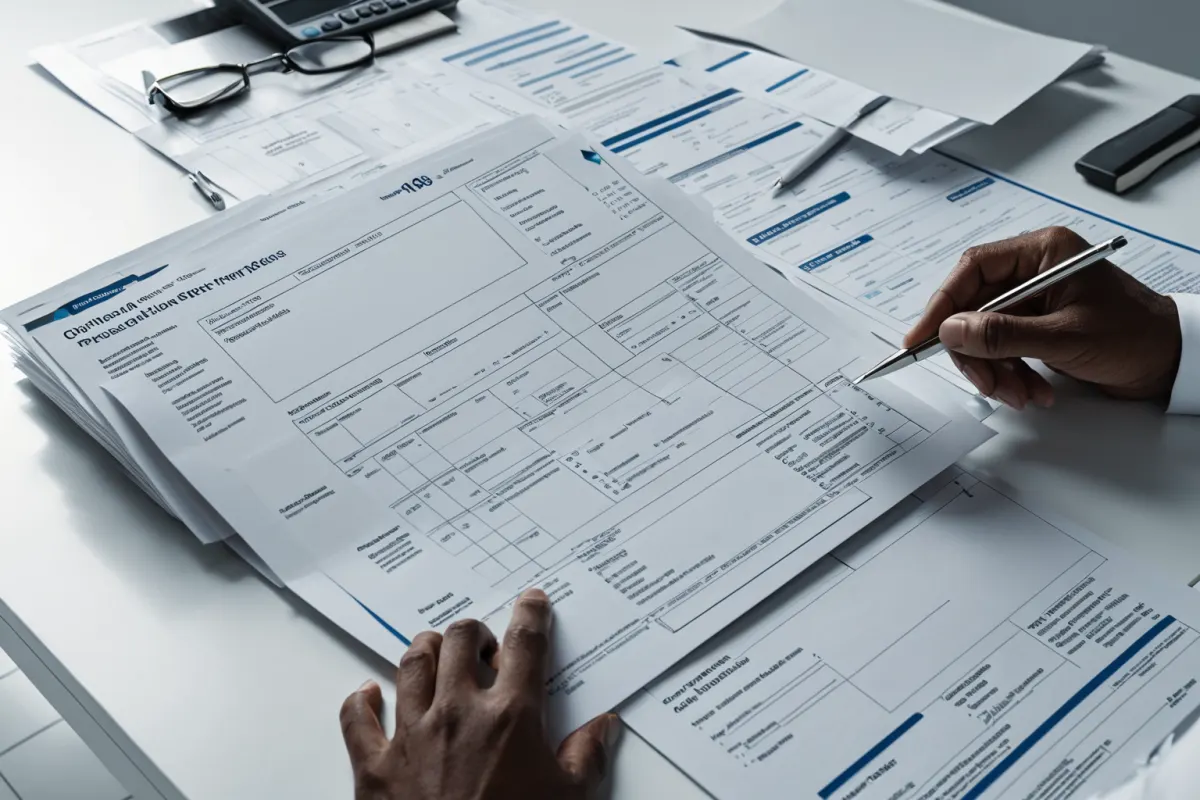
Even if you seem eligible, certain criteria may exclude you. Common cases include households with income above the threshold, those owning significant assets, individuals who have already received similar support, or applicants not meeting address requirements.
Another frequent issue is missing the application deadline. Disaster relief programs often have short application periods, so even if you qualify, missing the cutoff date means you won't receive funds. Many people miss deadlines by waiting only for text notifications, so it's important to check schedules as soon as announcements are made.
For example, a single-person household that recently lost their job and faces financial hardship might still be disqualified if they don't meet the reference date for residency or have delayed registration. Conversely, submitting complete documents can speed up processing even with similar circumstances.
Preparation Tips Before Applying
The first step is to summarize your situation in one line: "Did I lose income due to unemployment?" "Do I have disaster-related damage?" "How many people are in my household?" This helps identify the right program quickly.
Next, gather required documents from recent announcements. Visiting a community center without all necessary paperwork means you may need to return later. Always bring your ID and bank statement copy as basic requirements, along with proof of income decline or damage photos.
For example, small business owners applying for disaster relief should prepare their business registration, sales decline records, and lease agreements. Employees typically need leave confirmation letters, pay change statements, and employment insurance documents.
Difference Between Government Emergency Disaster Relief Fund and Emergency Living Support
Although the names are similar, these two programs serve different purposes. The disaster relief fund is designed to respond to damage from disasters or social shocks, while emergency living support focuses on helping households facing immediate financial hardship.
As a result, some programs may provide non-cash benefits like prepaid cards, local community vouchers, or service vouchers instead of cash. It's important to check the payment method as usage may be restricted. Note that similar-sounding programs such as "emergency living loans" involve repayment obligations, unlike grants.
Key Details Often Overlooked
Announcements are often missed by skimming only the title, but detailed conditions like eligibility criteria, reference dates, application deadlines, required documents, and appeal options should all be reviewed carefully.
The most common error is misunderstanding "household reference date." Even if you live with family today, if your household composition on the specified date in the announcement doesn't match, you might be processed as a different household. Always confirm this date before applying.
Also verify whether the bank account is in your name, if it's protected from seizure, and if proxy applications are allowed. Elderly or mobility-impaired individuals may need power of attorney and family relationship certificates for such cases.
FAQ
Q1. Can anyone apply for the Government Emergency Disaster Relief Fund?
A. No. Eligibility depends on disaster type, income level, assets, and household requirements as outlined in the official announcement.
Q2. Will I receive funds immediately after applying?
A. Typically not. It usually takes several days to weeks for document review and eligibility verification before payment is issued.
Q3. Where can I check the fastest updates?
A. Check Government 24, local government announcements, and community center notices together. Requirements and schedules may vary by region.
Continue exploring similar topics.
View Category ArticlesFAQ
Can anyone apply for the Government Emergency Disaster Relief Fund?
No. Eligibility depends on disaster type, income level, assets, and household requirements as outlined in the official announcement.
Will I receive funds immediately after applying?
Typically not. It usually takes several days to weeks for document review and eligibility verification before payment is issued.
Where can I check the fastest updates?
Check Government 24, local government announcements, and community center notices together. Requirements and schedules may vary by region.
Korean Source
This article is an English localization of a Korean-language report from BlogScore. Original: 정부 긴급 재난 지원금 신청 조건과 지급 일정