
Global Oil Prices Drop: Strategies and Case Studies for Importing Nations
International Oil Price Fluctuations and Government Response
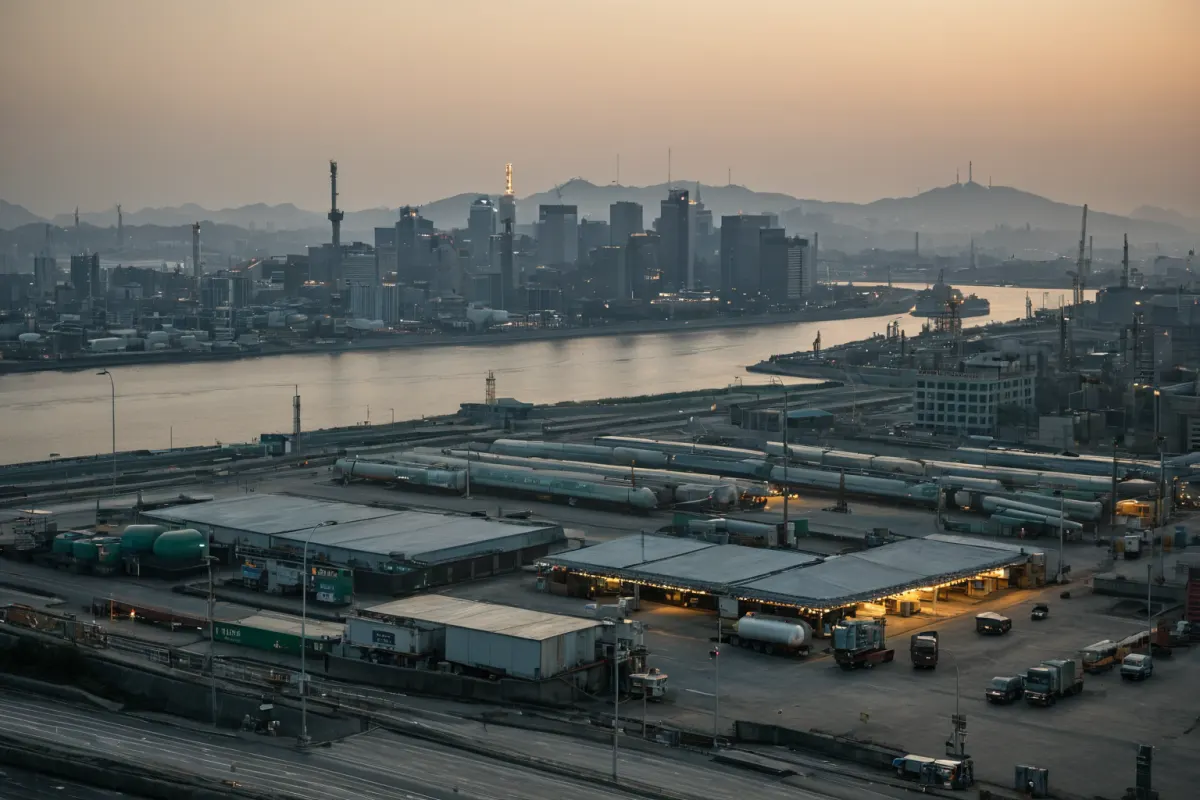
Global oil prices have dropped from $100 to the $90s per barrel, prompting urgent responses across the world's energy markets. Governments are working to mitigate price volatility through measures such as implementing price ceilings, securing supply chains, and diversifying energy sources.
Economic Impact of Falling Oil Prices
Domestic gasoline prices have fallen into the 1,900 won range, easing consumer burden. However, the refining industry faces warning signs due to performance misrepresentation during high-price periods. Analysis shows a 0.021% decline in overall industrial profit margins for every 1% increase in global oil prices.
Government Policies and Supply Chain Stability
The South Korean government maintains the world's sixth-largest petroleum reserve stockpile and is preparing for potential blockades of the Hormuz Strait. Strengthening oil security cooperation with the UAE and expanding AI-energy infrastructure strategic alliances aim to stabilize supply chains. Additionally, implementing tariff exemptions under US crude oil FTA provisions through third countries is expected to reduce import costs.
Regional Response Strategies
Wonju City has established an emergency economic task force to address Middle East conflicts and oil price fluctuations, focusing on stabilizing prices. Customs authorities have resolved origin certification issues for Canadian Alberta crude imports and implemented a zero-tariff policy to stabilize supply chains.
Corporate Response Strategies
Companies are activating emergency systems to defend costs and diversify supply lines. Various strategies addressing dual shocks from oil price and exchange rate fluctuations due to Middle East risks have been proposed, with some exploring energy-saving measures through public transportation use.
Predictions on Oil Price Fluctuations and Implications
Industry leaders emphasize the need for annual targets to be revised in light of the $100 oil era. Forecasts also predict a 1,450 won decline in the Korean won's value within six to twelve months, reflecting exchange rate impacts on energy markets.
Resurgence of the 30-Year-Old Oil Price Ceiling System
The oil price ceiling system, inactive for 30 years, will resume effective from midnight on the 13th. The system operates on a two-week basis as part of government efforts to stabilize prices.
International Cooperation and Energy Strategy
G7 nations are considering releasing strategic oil reserves as part of international responses. Strengthening South Korea-UAE oil security cooperation is gaining attention as an important strategy for supply chain stability, with ongoing expansion of AI-energy infrastructure strategic alliances.
Price Stability Policies
The president has identified price stabilization as a top priority to alleviate public burden, ordering active development and implementation of relevant policies. Wonju City's emergency economic task force is focusing on Middle East situation response through comprehensive efforts.
Oil Price Fluctuations and Supply Chain Diversification
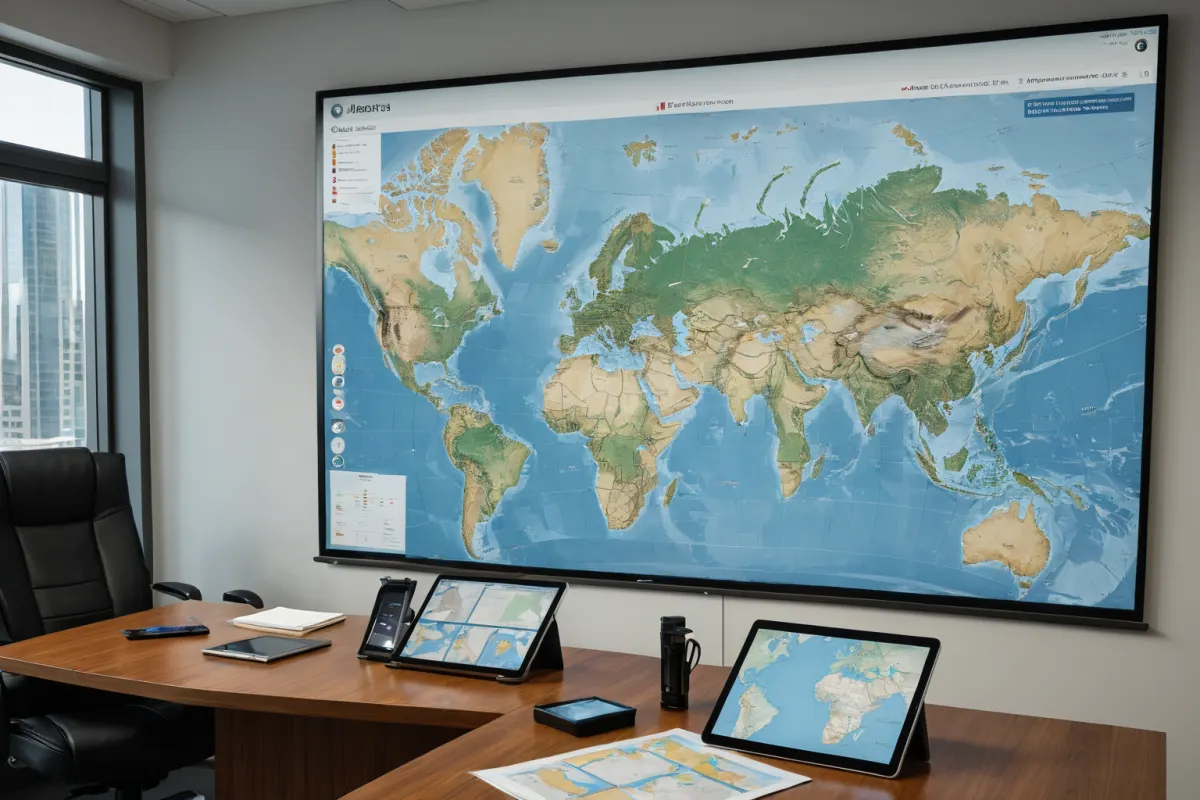
To mitigate economic impacts from falling international oil prices, governments and businesses are establishing supply chain diversification strategies. In response to Middle East instability, oil-importing nations are exploring policies including the implementation of price ceilings, managing reliance on Middle Eastern crude, and applying FTA exemptions for US crude via third countries.
Changes in Energy Markets and Responses
The industry emphasizes the need to revise annual targets to align with the $100 oil era. This reflects the exposure of performance misrepresentation during high-price periods as prices fall. The refining industry is developing strategies to respond to these changes.
Government Price Stabilization Measures
The government aims to reduce market volatility by introducing a price ceiling system. This measure seeks to prevent a 0.021% decline in overall industrial profit margins for every 1% increase in global oil prices. Additionally, utilizing petroleum reserves is part of preparations against potential Hormuz Strait blockades.
Activation of Corporate Emergency Systems
Companies are activating emergency systems to defend costs and diversify supply lines. Some have proposed energy-saving measures through public transportation use as a strategy to address dual shocks from oil price and exchange rate fluctuations due to Middle East risks.
Predictions on Won Exchange Rate Fluctuations
Forecasts predict the Korean won's value will fall to around 1,450 won within six to twelve months. This is expected to proceed as previously agreed upon for exchange rate stability, though a weaker won may increase import costs and economic impacts.
Middle East Conflicts and Energy Markets
Energy instability due to Middle East conflicts directly influences global oil price fluctuations. Governments and businesses are exploring various strategies to respond to Middle East risks, with particular focus on diversifying crude oil supply chains.
History of the Oil Price Ceiling System
The oil price ceiling system, inactive for 30 years, will resume effective from midnight on the 13th. The system operates on a two-week basis as part of government efforts to stabilize prices. Historically, this system was introduced during periods of sharp oil price increases to reduce consumer burden.
Zero-Tariff Policy and Supply Chain Stability
The customs authority has resolved origin certification issues for Canadian Alberta crude imports and implemented a zero-tariff policy. This is expected to increase the stability of crude oil imports and contribute to building supply chains.
Operation of Wonju City's Emergency Economic Task Force
Wonju City operates an emergency economic task force to respond to Middle East situations, leading policies for price stabilization and reducing consumer burden. The task force focuses on crude oil import management and supply chain operations.
Expansion of Energy Strategic Alliances
Strengthening South Korea-UAE oil security cooperation and expanding AI-energy infrastructure strategic alliances are strategic measures for energy stability. These initiatives aim to reduce supply chain risks due to instability in the Middle East region.
Oil Price Fluctuations and Industrial Impact
Analysis shows a 0.021% decline in overall industrial profit margins for every 1% increase in global oil prices, demonstrating how price fluctuations impact the broader economy. Industries are activating emergency systems to respond to these changes.
Verified Information
The government's resurgence of the oil price ceiling system is the first in 30 years, effective from midnight on the 13th. Additionally, Wonju City's emergency economic task force has been operating since March 23rd to respond to Middle East situations. The zero-tariff policy for Canadian Alberta crude imports by customs authorities began April 21st.
Frequently Asked Questions
How is consumer burden being eased due to falling oil prices?
The government has introduced an oil price ceiling system setting a maximum price, and expects cost reduction effects through the zero-tariff policy for crude oil imports.
How are companies responding to oil price fluctuations?
Companies are activating emergency systems to defend costs and diversify supply lines. Some are exploring energy-saving measures through public transportation use as part of their strategy against dual shocks from oil prices and exchange rates due to Middle East risks.
What is the forecast for won exchange rate fluctuations?
Forecasts predict a 1,450 won decline in the Korean won's value within six to twelve months. This is expected to proceed as previously agreed upon for exchange rate stability, though a weaker won may increase import costs and economic impacts.
Frequently Asked Questions
Various strategies are being implemented by governments and businesses to minimize economic impacts from international oil price fluctuations. Key policies include the resurgence of the oil price ceiling system, supply chain diversification, and zero-tariff policies for crude imports. Additionally, the operation of Wonju City's emergency economic task force and strengthened South Korea-UAE oil security cooperation are strategic measures for energy stability.
You can view similar articles all at once.
View Related ArticlesFAQ
How is consumer burden being eased due to falling oil prices?
The government has introduced an oil price ceiling system setting a maximum price, and expects cost reduction effects through the zero-tariff policy for crude oil imports.
How are companies responding to oil price fluctuations?
Companies are activating emergency systems to defend costs and diversify supply lines. Some are exploring energy-saving measures through public transportation use as part of their strategy against dual shocks from oil prices and exchange rates due to Middle East risks.
What is the forecast for won exchange rate fluctuations?
Forecasts predict a 1,450 won decline in the Korean won's value within six to twelve months. This is expected to proceed as previously agreed upon for exchange rate stability, though a weaker won may increase import costs and economic impacts.
Korean Source
This article is an English localization of a Korean-language report from BlogScore. Original: 국제 유가 급락, 원유 수입 국가의 대응 방안과 사례