
Global Logistics Costs Shift as Hormuz Maritime Passage Reopens
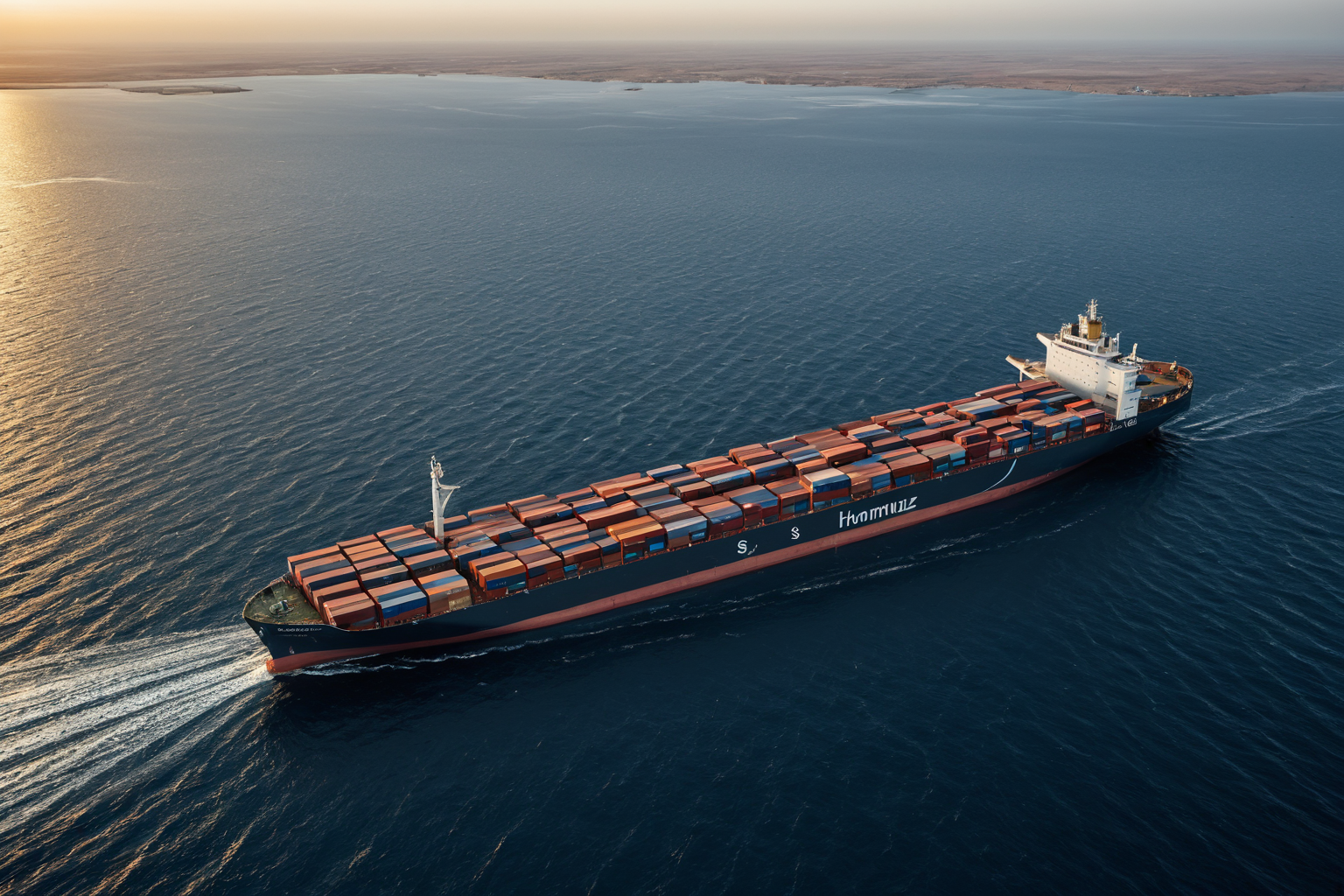
Global Logistics Cost Changes Following Hormuz Strait Reopening
The reopening of the Hormuz Strait has led to a 4.7% increase in global manufacturing costs, with industries showing uneven recovery patterns. While some vessels have exited the Hormuz Strait, easing supply chain concerns, risks related to potential Iranian toll fees and unpredictable U.S. policy under the Trump administration remain a concern.
Rising Manufacturing Costs and Uneven Industry Recovery
Manufacturing costs have risen by 4.7% following the reopening of the Hormuz Strait, with recovery rates varying significantly across industries, creating what analysts describe as a 'K-shaped divergence.' Some sectors expect cost reductions from eased logistics challenges, while others continue to bear high expenses.
The increase in manufacturing costs is primarily due to supply chain instability and rising transportation costs in the Middle East. Energy transport disruptions have led to heightened oil price volatility, directly impacting manufacturers.
Vessel Passage Status and IMO Evacuation Operation
As of June 24, 2026, four South Korean vessels have passed through the Hormuz Strait as part of an International Maritime Organization (IMO)-led evacuation operation. The HMM Winner had already exited the Hormuz Strait on May 24.
A notable point in recent coverage is Iran's indication that toll fees could be imposed 60 days after the reopening, which appears to contradict earlier reports about moving up the reopening date. This suggests potential policy shifts by Iran affecting global maritime traffic.
While supply chain tensions appear to have eased as vessels escape from the Hormuz Strait, long-term stability remains uncertain due to the possibility of Iranian toll fees.
Potential Iranian Toll Fees and Risk Factors
Reports indicate that Iran may impose toll fees 60 days after reopening the Hormuz Strait. This appears to contrast with earlier reports about advancing the reopening date, suggesting Iran's pursuit of economic gain through this policy shift.
The timing of U.S.-Iran agreement normalization remains uncertain. Risks are heightened by potential Iranian toll fees and unpredictable policies under a Trump administration. If U.S.-Iran relations deteriorate again, the stability of the Hormuz Strait could be threatened.
Global logistics cost changes following the Hormuz Strait reopening present both short-term relief and long-term risks. Iran's policy direction is expected to be a key variable.
K-Beauty and Retail Industry Expectations vs. Reality
The K-beauty and retail industries are anticipating eased logistics challenges and supply chain normalization following the Hormuz Strait reopening. However, these expectations remain at the reporting stage, with no confirmed cost reduction effects yet observed.
Energy transport disruptions caused by the Hormuz Strait blockade led to rapid changes in tanker routes, directly impacting the retail sector. Some reports suggest K-beauty companies expect cost reductions, but this remains unconfirmed.
The easing of tensions at the Hormuz Strait following a U.S.-Iran agreement has shown signs of logistics recovery, though the risk of re-blockade has caused some tankers to return, reflecting both hope and concern for global supply chain normalization.
Long-Term Impact on Logistics Cost Changes
The changes in logistics costs following the Hormuz Strait reopening extend beyond simple transportation cost increases, potentially reshaping industry structures. The energy market has also raised warnings about possible oil price hikes.
The profitability of the energy and shipping industries will likely be determined by the direction of the Hormuz Strait blockade and reopening. Some sectors plan to defend profitability through rising freight rates and cost pass-through, while others expect logistics cost reductions.
Predicting the long-term impact of these changes remains difficult, as Iran's policy direction and U.S.-Iran relations will serve as key variables.
Key Information to Verify
We've summarized key points related to the Hormuz Strait reopening. However, the exact toll fee criteria and schedule from Iran remain unconfirmed. Similarly, the timing of U.S.-Iran agreement normalization remains highly uncertain.
The global logistics cost changes following the Hormuz Strait reopening have been analyzed based on rising manufacturing costs, uneven industry recovery, vessel passage status, and potential Iranian toll fees. However, some reported details are still unverified.
Frequently Asked Questions
How much did manufacturing costs rise due to the Hormuz Strait reopening?
Manufacturing costs have increased by 4.7% following the Hormuz Strait's reopening, according to confirmed reports.
When might Iran begin imposing toll fees?
Iran has indicated potential toll fee imposition 60 days after the opening date, which was reportedly advanced from an earlier planned timeline.
Are K-beauty companies expecting cost reductions from eased logistics challenges?
K-beauty and retail industries are anticipating eased logistics challenges and supply chain normalization following the Hormuz Strait reopening. However, actual cost reduction effects have not been confirmed yet.
Frequently Asked Questions
As global logistics costs fluctuate with the Hormuz Strait's reopening, manufacturing costs have risen by 4.7% while industries show uneven recovery patterns. While some vessels have exited the Hormuz Strait easing supply chain concerns, risks related to potential Iranian toll fees and U.S.-Iran relations remain high.
The normalization of U.S.-Iran agreements has eased tensions at the Hormuz Strait, providing a positive signal. However, the uncertainty around Iranian toll fees and unpredictable policies under a Trump administration continues to be significant.
Global logistics cost changes present both short-term relief and long-term risks, with Iran's policy direction and U.S.-Iran relations serving as key variables for future developments.
You can view similar articles on this topic all in one place.
View Related ArticlesFAQ
How much did manufacturing costs rise due to the Hormuz Strait reopening?
Manufacturing costs have increased by 4.7% following the Hormuz Strait's reopening, according to confirmed reports.
When might Iran begin imposing toll fees?
Iran has indicated potential toll fee imposition 60 days after the opening date, which was reportedly advanced from an earlier planned timeline.
Are K-beauty companies expecting cost reductions from eased logistics challenges?
K-beauty and retail industries are anticipating eased logistics challenges and supply chain normalization following the Hormuz Strait reopening. However, actual cost reduction effects have not been confirmed yet.
Korean Source
This article is an English localization of a Korean-language report from BlogScore. Original: 호르무즈 해양 통항 재개로 인한 글로벌 물류 비용 변화