
Glacier Distribution and Current Changes: A Global Climate Crisis
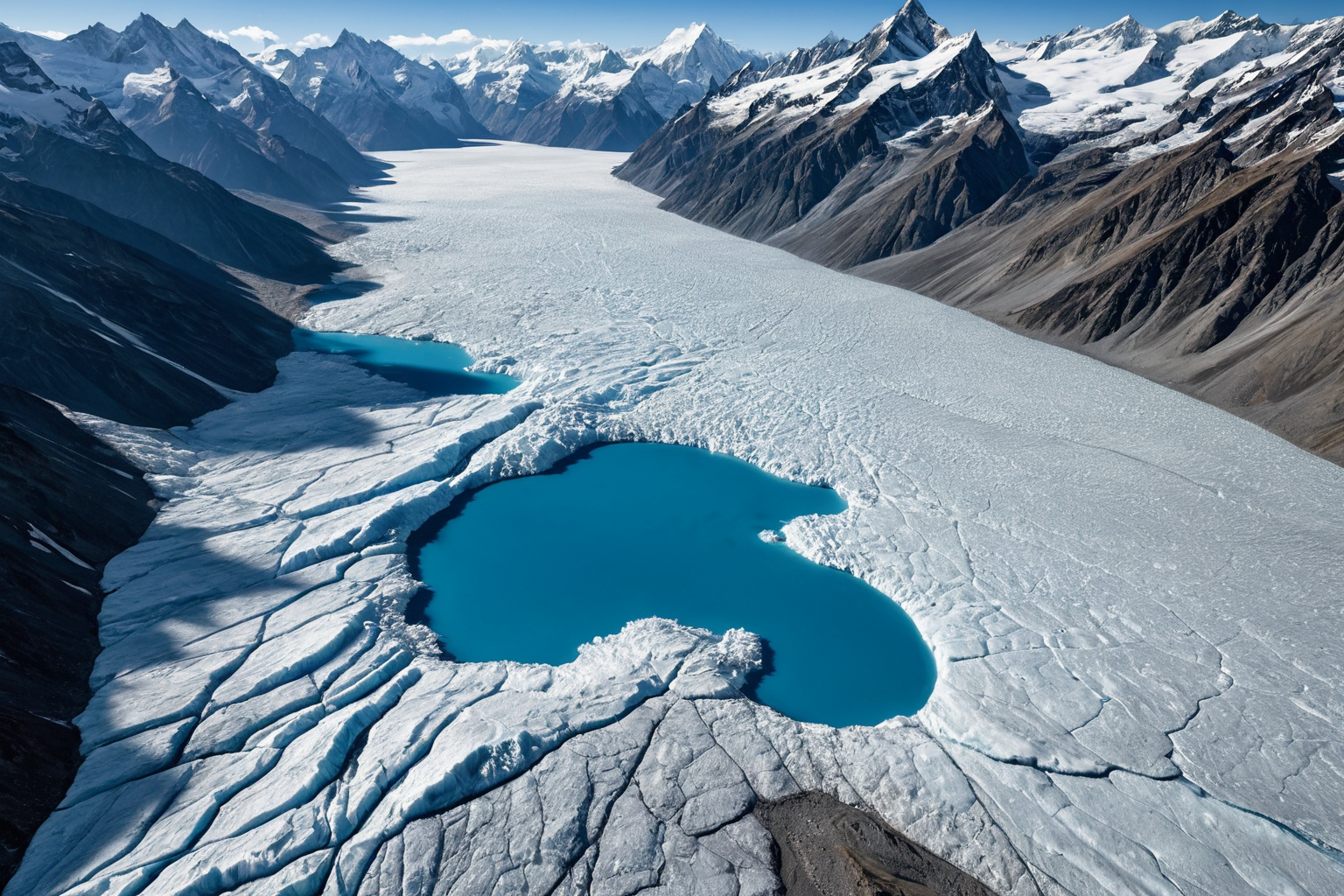
Himalayan Glacier Lakes Expand by 27%
The area of glacier lakes in the Himalayas has surged by 27% recently, raising alarms about increased flood risks. This rapid expansion is a critical indicator of accelerating glacial melt due to climate change. The drastic changes in Himalayan glacier lakes directly impact local residents' safety and water resource management.
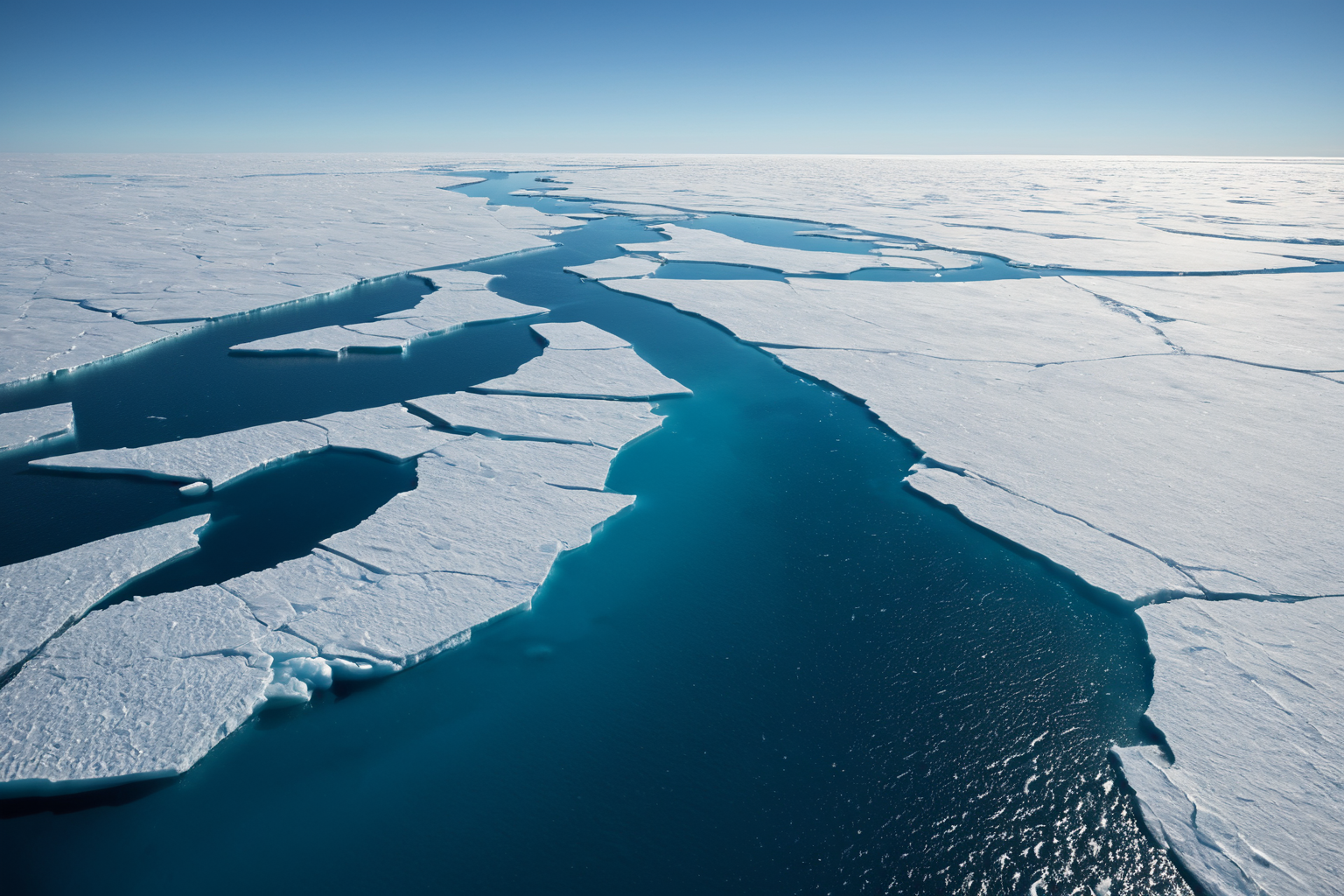
Antarctic Ice Shelf Collapse Warns of 58-Meter Sea Level Rise
New research has warned that the collapse of Antarctic ice shelves could cause sea levels to rise by up to 58 meters. This global climate crisis will have devastating effects, particularly on low-lying cities and island nations. Recent studies detected rising ocean heat accelerating the collapse of Antarctic glaciers.
Arctic 'Ice-Free Arctic' Expected Before 2050
The rate of Arctic glacier loss is so severe that an 'ice-free Arctic' could become reality before 2050. This symbolic event reflects accelerated climate change, with Europe and the Arctic experiencing record-breaking heatwaves, wildfires, and rapid glacial decline simultaneously.
Himalayan glaciers are predicted to lose about 80% of their mass by 2100, significantly impacting Asia's water supply. Globally, glaciers have decreased by approximately 5% over the past 23 years, while Andean glaciers have lost more than half their volume in 60 years.
In Europe, 2025 marked the worst climate records on record, with Arctic regions experiencing wildfires and heatwaves exceeding 30°C. These conditions accelerate glacial melting.
Korea's Sea Level Rise Status
Korea's sea level has risen by approximately 11.5 cm over the past 36 years, directly resulting from climate change. Asia is particularly vulnerable to climate change impacts, with warming rates exceeding those of other regions.
Analysis of Antarctic ice shelf trajectories provides crucial insights for predicting future sea level rise. This will significantly impact global water resource management, especially as melting Himalayan and Andean glaciers alter river systems across Asia.
Multifaceted Impacts of Glacier Decline
Glacier decline extends beyond sea-level rise to cause ecosystem shifts, emergence of new plant species, and potential release of viruses trapped in Arctic ice. These developments pose catastrophic risks to humanity.
Ecosystem changes due to glacial melting are already being observed, with concerns raised about the release of viruses buried beneath Arctic glaciers. This exemplifies climate change's complex impacts.
Timeline of Glacier Distribution Changes
On February 15, 2025, global sea ice reached its lowest recorded level. On April 28, 2026, rising ocean heat was detected accelerating Antarctic glacier collapse.
On October 23, 2025, reports highlighted melting in Andean glaciers. On August 30, 2026, a 27% increase in Himalayan glacier lake areas was confirmed. On May 1, 2026, warnings of up to 58 meters sea level rise due to Antarctic ice shelf collapse were issued.
On September 8, 2026, reports predicted an 80% loss of Himalayan glaciers by 2100. In 2025, Europe recorded its worst climate year with Arctic heatwaves exceeding 30°C.
Response Strategies for Glacier Changes
Precise monitoring of glacier distribution and changes is essential to understand these phenomena. Analysis of Antarctic ice shelf trajectories provides key insights for predicting future sea level rise.
Korea should develop water resource management plans based on the 11.5 cm sea level rise over 36 years. Given Asia's disproportionate vulnerability to climate change, region-specific response strategies are necessary.
Verified Information
To accurately track glacier changes, comprehensive analysis of multiple data sources is required. The expansion of Himalayan glacier lakes, Antarctic ice shelf collapse warnings, and Arctic glacier loss rates are currently documented as confirmed facts.
Some reports have described Antarctica as being in a 'state of war,' highlighting the severity of climate change impacts and emphasizing the need for improved public awareness alongside scientific data.
Precise predictions about glacier changes require ongoing research, with current data providing future projections. This serves as an important reference for developing climate crisis response strategies.
Frequently Asked Questions
Why has the area of Himalayan glacier lakes increased by 27%?
Meltwater from glaciers accumulates in lakes, increasing their surface area. This directly results from climate change-induced glacial loss.
How reliable is the prediction of a 58-meter sea level rise due to Antarctic ice shelf collapse?
The 58-meter sea level rise warning represents the worst-case scenario if complete Antarctic ice shelf collapse occurs, based on scientific research.
Why has Korea's sea level risen by 11.5 cm over the past 36 years?
This is part of global sea level rise caused by melting polar glaciers in Antarctica and the Arctic due to climate change.
Frequently Asked Questions
Glacier distribution changes and their progression serve as direct indicators of the accelerating climate crisis. Events like a 27% expansion of Himalayan glacier lakes, warnings of up to 58 meters sea level rise from Antarctic ice shelves, and the expected 'ice-free Arctic' before 2050 all highlight accelerated climate change.
These phenomena extend beyond global warming concerns to directly impact water resource management, ecosystem conservation, and human safety. Therefore, accurately understanding glacier changes and developing response strategies based on this knowledge is urgent.
As scientific data accumulates, the severity of climate change becomes increasingly clear. This requires active participation from both individuals and governments.
You can explore more articles on similar topics in one place.
View Related ArticlesFAQ
Why has the area of Himalayan glacier lakes increased by 27%?
Meltwater from glaciers accumulates in lakes, increasing their surface area. This directly results from climate change-induced glacial loss.
How reliable is the prediction of a 58-meter sea level rise due to Antarctic ice shelf collapse?
The 58-meter sea level rise warning represents the worst-case scenario if complete Antarctic ice shelf collapse occurs, based on scientific research.
Why has Korea's sea level risen by 11.5 cm over the past 36 years?
This is part of global sea level rise caused by melting polar glaciers in Antarctica and the Arctic due to climate change.
Korean Source
This article is an English localization of a Korean-language report from BlogScore. Original: 빙하의 분포와 현재 변화 추이