
Gijeo and Tongyeong Flood Damage Status and Recovery Process
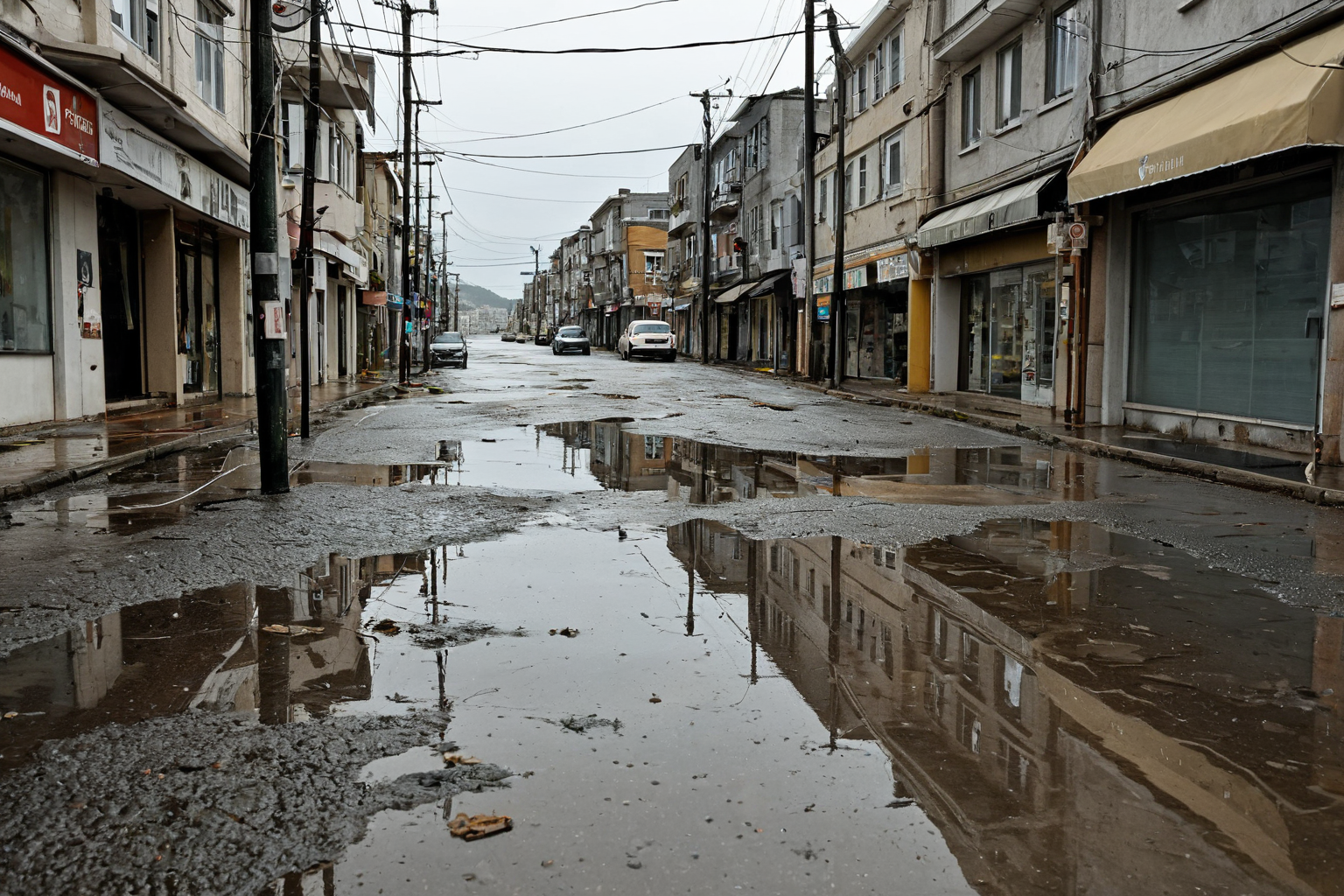
Flood Damage Status in Gijeo and Tongyeong
Severe torrential rains caused landslides and flooding across Gijeo and Tongyeong, leading to widespread damage. The entire city of Tongyeong has been declared a special disaster area. The Coastal Fisheries and Harbor Agency donated 20 million won, while the Korea Disaster Relief Foundation provided relief supplies.
Declaration of Special Disaster Area and Major Damage Situations
On August 17, 2026, torrential rains hit Gijeo and Tongyeong, causing major damage from landslides and flooding. Tongyeong City officially declared the entire region a special disaster area on September 6. This declaration aims to facilitate rapid government support and recovery efforts.
The Coastal Fisheries and Harbor Agency donated 20 million won to the affected areas, while the Korea Disaster Relief Foundation delivered relief supplies and funds. The Korea Education Facility Safety Institute conducted emergency inspections of damaged schools, and the government has committed to fast-tracking disaster relief payments.
Areas hit by landslides saw apartment complexes submerged, forcing residents to evacuate to shelters. Low-lying areas in Tongyeong experienced severe flooding. Rising river levels caused road and bridge damage, complicating recovery efforts.
The declaration of a special disaster area allows the government to accurately assess damage and establish a rapid support system. This also provides legal grounds for offering various forms of assistance to residents of the affected regions.
Recovery Personnel and Support Systems
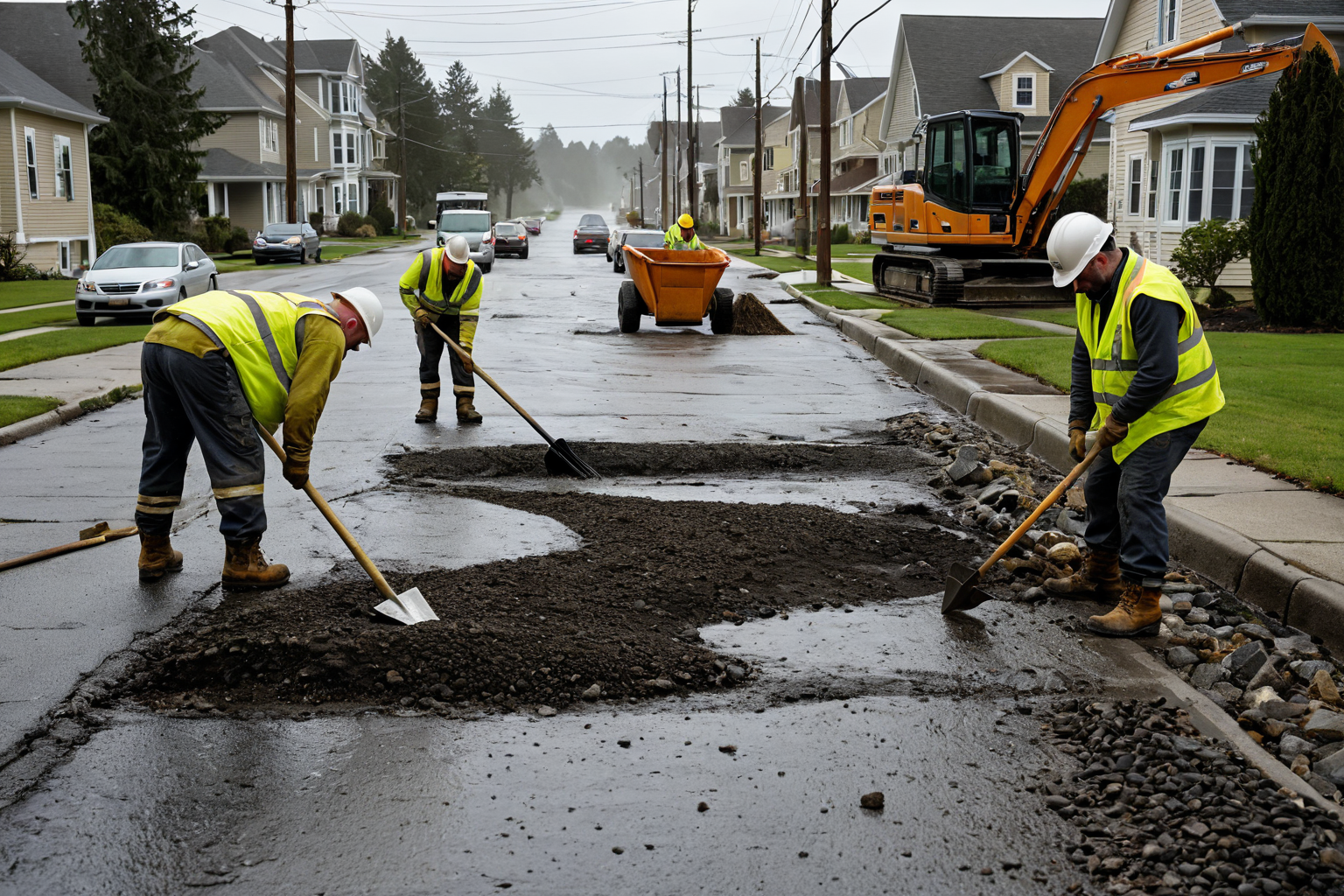
Nearly 900 personnel were deployed over weekends for recovery work. Gyeongsangnam-do (South Gyeongsang Province) conducted intensive inspections of river facilities and damaged areas, while Gijeo City operated a unified support headquarters around the clock.
30 local government officials from Jinju and the Forest Management Central Association provided relief supplies. Governor Park Wan-su of Gyeongsangnam-do ordered all-out recovery efforts, and Education Director Kwon Soon-gi requested school inspections.
Samsung Fire & Marine Insurance provided 1,700 emergency kits, while Korea Gas Corporation supported affected residents with 20 million won. A one-stop support center was activated in traditional markets to aid recovery efforts.
Recovery work is progressing in stages: first, removing water from flooded areas; second, repairing roads and bridges; third, restoring residential and commercial facilities. In landslide-affected zones, safety checks were conducted alongside recovery to prevent further risks.
Small Business Damage and Lack of Flood Insurance
Small businesses suffered significant damage due to lack of flood insurance coverage. The government has initiated emergency procurement support to accelerate recovery efforts.
The government began emergency procurement support for Gijeo and Tongyeong on August 25, 2026, and decided to fast-track disaster relief payments by August 31.
Many small businesses faced severe damage without flood insurance, making insurance claims impossible. To address this, the government and private organizations have created special support programs offering financial aid and encouraging insurance enrollment.
In the future, the government plans to provide premium subsidies and educational programs to help small businesses secure flood insurance. This is seen as an important step toward regional economic recovery and sustainable development.
Progress of Recovery Efforts and Estimated Timeline
Recovery efforts in Gijeo and Tongyeong are expected to take about a month. Residents from landslide-affected apartment complexes are gradually returning home, while the one-stop support center in traditional markets continues to assist with recovery procedures.
The Procurement Agency, platform companies, and distribution sectors are contributing through emergency procurement support and relief kits. Gijeo City canceled its Citizens' Day event to prioritize disaster recovery operations at the 24-hour unified support headquarters.
The Korea Education Facility Safety Institute conducted urgent inspections of damaged schools, while Gyeongsangnam-do focused on intensive river facility checks. The government is accelerating recovery through disaster relief payments and emergency procurement support.
A key part of the recovery process involves clearing and cleaning flooded areas, with environmental protection and safety inspections carried out simultaneously. Communication channels were also established to incorporate resident feedback into recovery planning.
Traditional markets have seen active participation from business owners in shaping recovery plans and improving support systems, contributing to local economic revitalization and encouraging community engagement.
Important Information to Note
The government decided to distribute disaster relief payments starting August 31, 2026, aiming for swift delivery to affected areas. Small businesses that suffered damage due to lack of flood insurance are advised to consider securing coverage in the future.
Over 900 personnel were deployed over weekends, and residents from landslide-affected apartment complexes are gradually returning home. The one-stop support center in traditional markets provides various forms of assistance for recovery efforts.
To ensure transparency during recovery, regular on-site inspections and resident feedback sessions are being held to share progress updates. This is helping build community trust in the recovery process.
Frequently Asked Questions
When will disaster relief payments begin?
The government has decided to fast-track disaster relief payments for Gijeo and Tongyeong starting on August 31, 2026.
What can small businesses do to address damage from lack of flood insurance?
Flood insurance is essential; the government offers support to help businesses secure coverage.
What services does the traditional market one-stop support center provide?
The center provides all recovery-related assistance in one place, including relief supplies, donations, and disaster relief payments.
You can view similar articles at once.
View Related ArticlesFAQ
When will disaster relief payments begin?
The government has decided to fast-track disaster relief payments for Gijeo and Tongyeong starting on August 31, 2026.
What can small businesses do to address damage from lack of flood insurance?
Flood insurance is essential; the government offers support to help businesses secure coverage.
What services does the traditional market one-stop support center provide?
The center provides all recovery-related assistance in one place, including relief supplies, donations, and disaster relief payments.
Korean Source
This article is an English localization of a Korean-language report from BlogScore. Original: 거제·통영 집중호우 피해 현황 및 복구 절차