
Gijeo City's Flood Damage and Response Measures
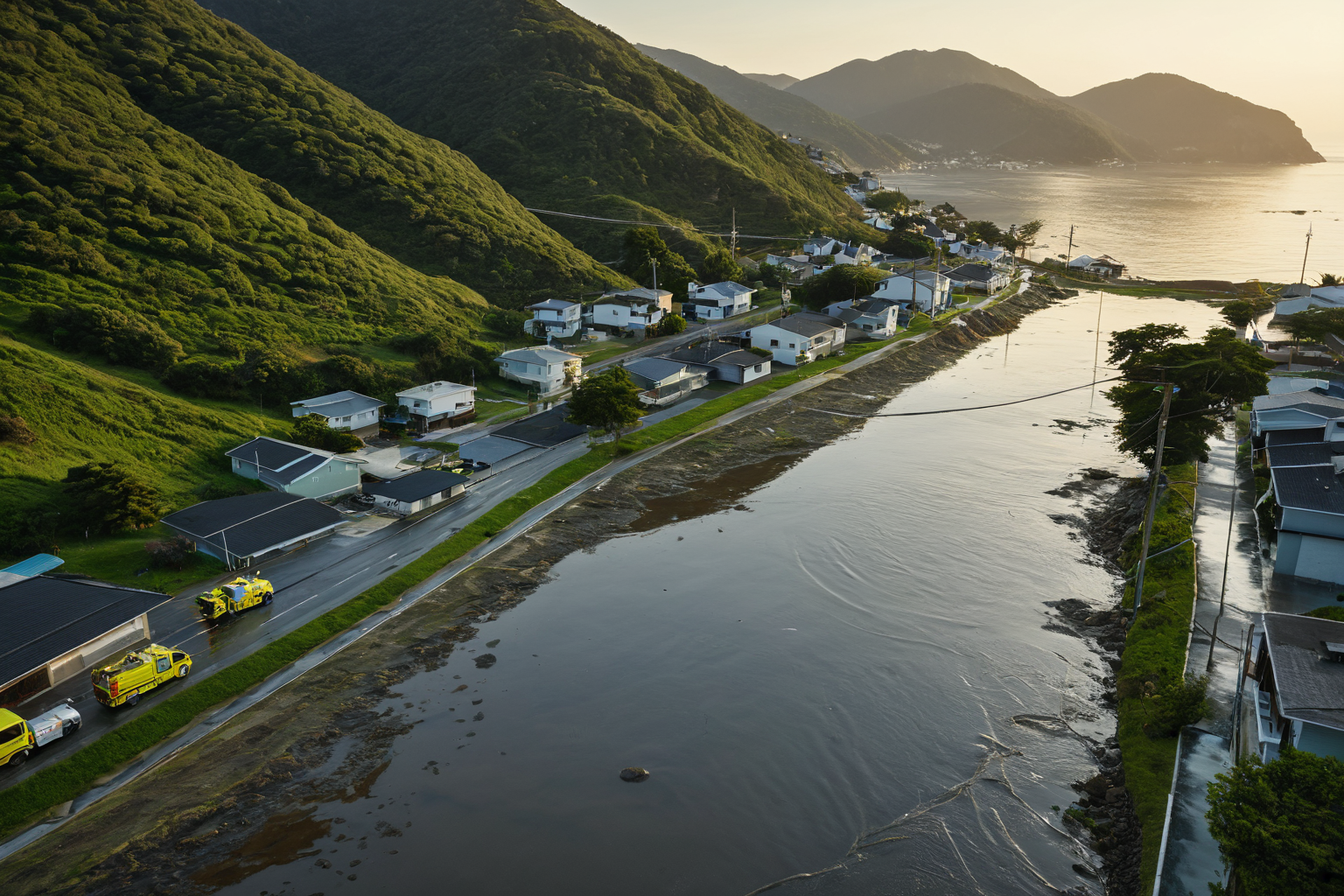
Flood Damage Situation in Gijeo City
Gijeo City experienced severe flooding, landslides, and power outages due to record-breaking rains. One person died, four were injured, and thousands of households faced power and water cuts. The city has deployed all staff and over 11,000 people for emergency repairs of public facilities (72% completed), and requested special disaster area designation to secure government support.
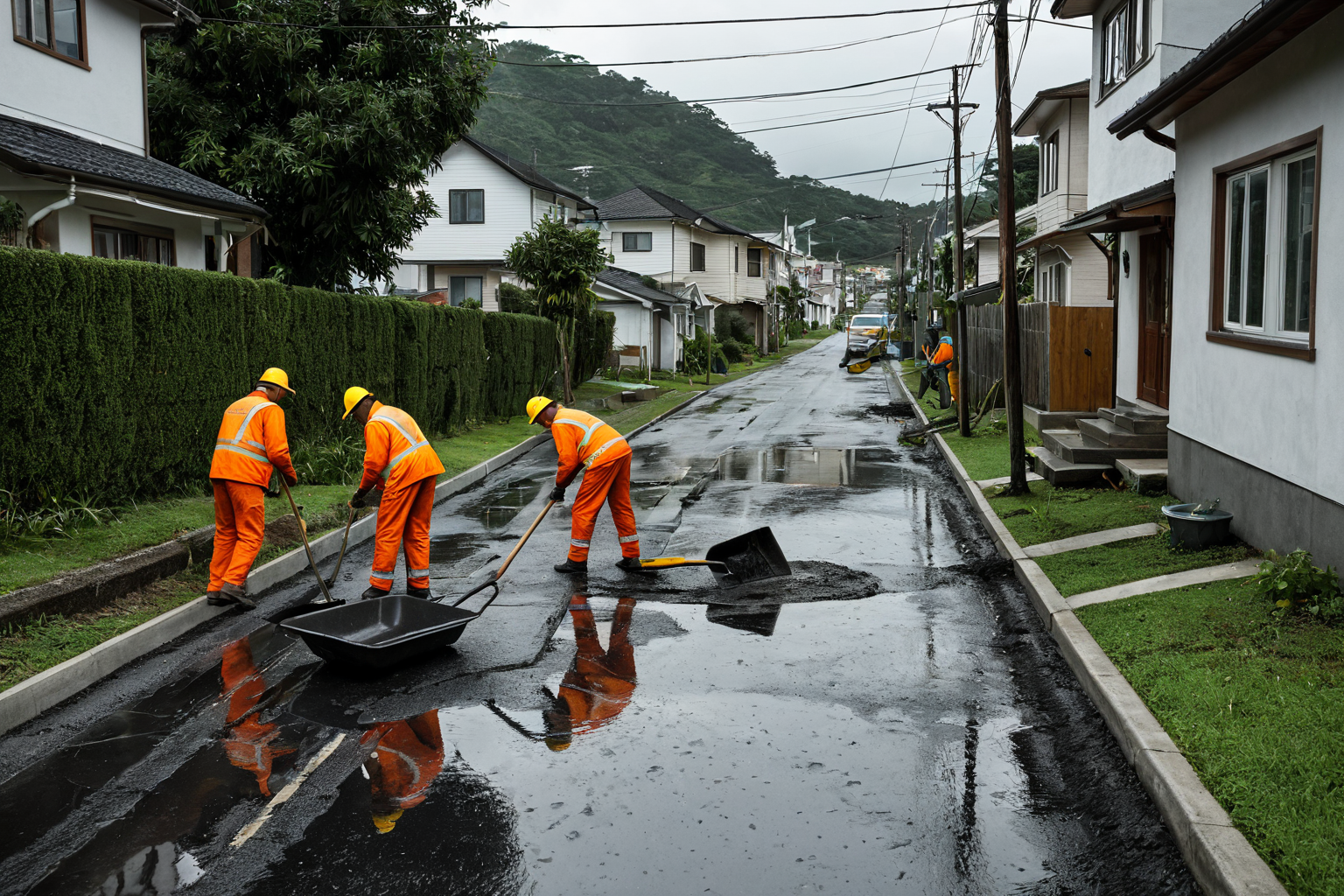
Flood Intensity and Damage Scale
Gijeo City recorded 800-850mm of rainfall on August 17, 2026, the highest in history. This caused damage to 27 rivers, 45 educational facilities, and flooding in residential areas resembling waterfalls.
Reports indicate one fatality and four injuries, with 208 households evacuated. Thousands of homes faced power outages and water shortages. The low accuracy rate (2%) for landslide-prone areas highlights a weakness in disaster response systems, necessitating urgent preventive measures.
Notably, the heavy rain concentrated during the Liberation Day holiday period. According to meteorological data, Gijeo's rainfall exceeded historical records along South Korea's southern coast—a clear indication of an extreme weather event rather than ordinary rain.
The low 2% accuracy rate for landslide-prone areas reveals gaps in preventive measures. Future disaster prevention plans must prioritize policy development and regular inspections to address these vulnerabilities.
Incident Timeline
On August 17, residents began evacuating as heavy rain started. By afternoon, rainfall intensified, causing waterfalls of rain to pour into residential areas. Many attempted to escape in vehicles that became submerged, with some stranded until rescue arrived.
That evening, Gijeo City activated immediate response protocols to ensure safety. By nightfall, all 208 evacuated households were secured, and the city requested special disaster area status from the government and National Assembly.
On August 18, the city mobilized all staff for recovery efforts. The same day, 208 households had been evacuated, and emergency repairs began on public facilities. Requests for special disaster area designation were also submitted to the government and National Assembly.
By August 21, Gijeo City was officially designated a special disaster area, launching 'Crisis Fund' community support initiatives. Hanwha Group Chairman Kim Seung-yeon prioritized human rescue over financial aid, adhering to the principle that 'people come before money.'
Hanwha Group provided relief supplies and medical assistance to flood victims, demonstrating corporate social responsibility. Similarly, the fisheries cooperative chairman is working tirelessly to support recovery efforts for affected fishermen.
Cause Investigation
The primary cause of Gijeo's flooding was extreme rainfall along South Korea's southern coast, with over 800mm recorded on August 17 during the Liberation Day holiday period.
Meteorological analysis suggests this rain resulted from a collision between marine tropical low pressure and continental high pressure. These conditions are known to trigger intense rainfall in coastal regions.
The low accuracy rate (2%) for landslide-prone areas indicates insufficient preventive measures. Future disaster response plans must incorporate regular inspections of high-risk zones and community education programs to prevent recurrence.
Gijeo City deployed all staff and over 11,000 people from August 17-24 to rapidly restore flood damage. Emergency repairs for public facilities are 72% complete, with ongoing efforts to repair rivers and educational facilities.
Response and Safety Information
Gijeo City has requested government support as a special disaster area. Mayor Byun Gwang-yong has submitted proposals for flood damage recovery funding to the government and National Assembly, expecting additional financial aid.
The community is utilizing 'Crisis Fund' donations to strengthen disaster response through collaboration between residents and businesses—a model that could serve as a best practice in future emergencies.
Gijeo Bridge remained intact, though some vacation rentals faced refund disputes. This stems from guests canceling or requesting refunds due to the heavy rain. The city is coordinating with relevant companies to address these issues appropriately.
The fisheries cooperative chairman is also working hard to support recovery efforts for affected fishermen. Fisheries activities were suspended in impacted areas, and the cooperative is providing relief supplies and economic support to help sustain livelihoods.
Gijeo City announced that 72% of emergency repairs for public facilities were completed by August 24, with over 11,000 people involved in recovery efforts. This collaborative achievement between residents and government has been widely recognized as a model response.
Key Information to Verify
The low accuracy rate (2%) for landslide-prone areas requires further analysis and action plans. These findings will be valuable for future policy development on landslide prevention.
Insufficient data is currently available regarding the structural integrity of Gijeo Bridge, necessitating additional investigations. The city and relevant agencies are preparing official reports to clarify this matter.
Gijeo City's recovery efforts have reached 72% completion for public facility repairs, with ongoing work expected in both public infrastructure and residential areas. Continued collaboration between the community and government will remain critical for future success.
Frequently Asked Questions
How many fatalities occurred due to the Gijeo flood?
One fatality and four injuries were reported, based on official city announcements.
What was the rainfall amount during the Gijeo flood?
Rainfall reached 800-850mm—a record-breaking amount concentrated during the Liberation Day holiday period.
When was Gijeo City designated a special disaster area?
Gijeo City was officially declared a special disaster area on August 21, 2026, to facilitate government support requests.
You can find more articles on similar topics in one place.
View Related ArticlesFAQ
How many fatalities occurred due to the Gijeo flood?
One fatality and four injuries were reported, based on official city announcements.
What was the rainfall amount during the Gijeo flood?
Rainfall reached 800-850mm—a record-breaking amount concentrated during the Liberation Day holiday period.
When was Gijeo City designated a special disaster area?
Gijeo City was officially declared a special disaster area on August 21, 2026, to facilitate government support requests.
Korean Source
This article is an English localization of a Korean-language report from BlogScore. Original: 거제도 폭우로 인한 피해 현황과 대응 방안