
General Branson's 'Multi-Domain Force' Strategy and South Korea's Role in Northeast Asia
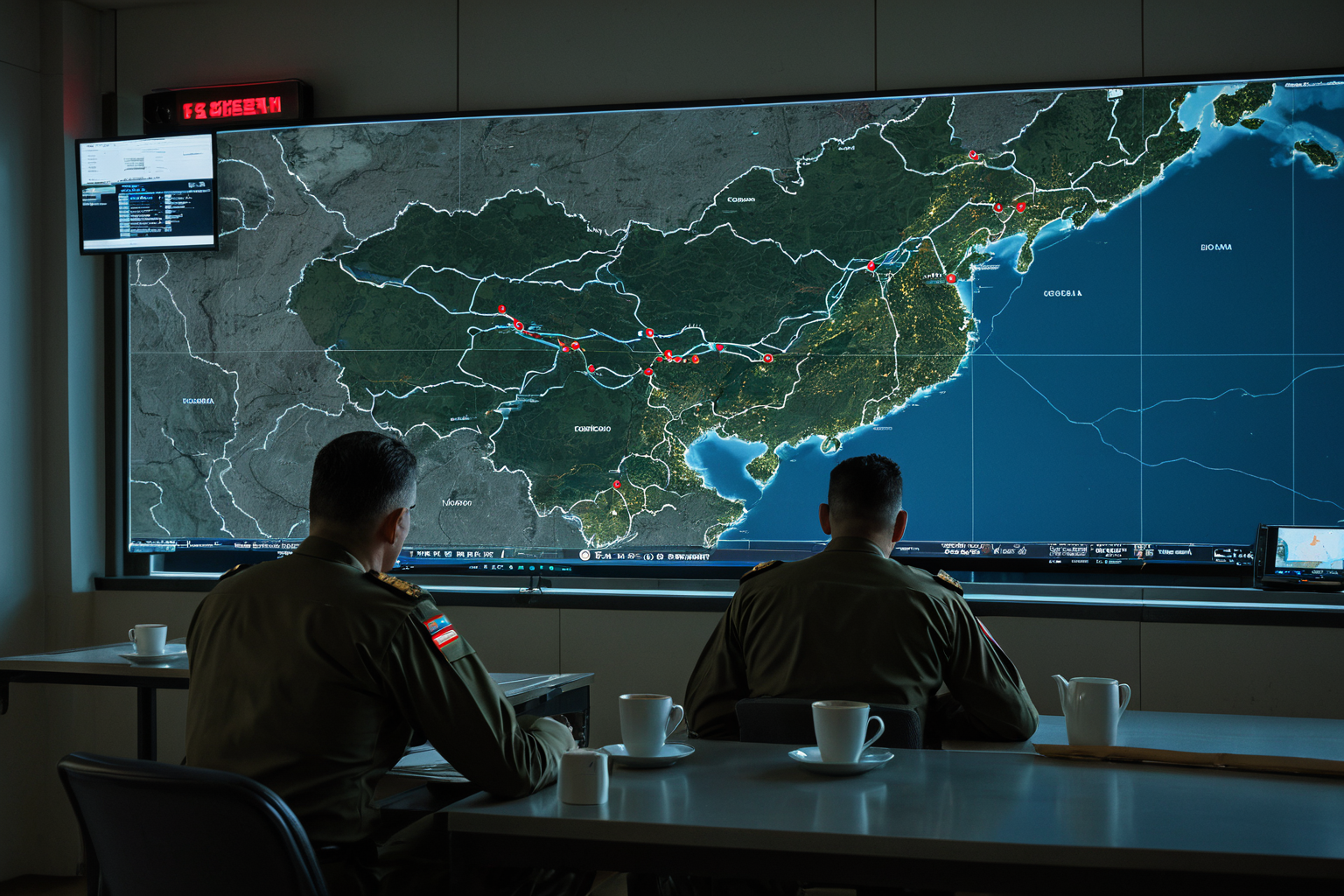
Branson’s 'Multi-Domain Force' Strategy and Redefining the Korean Peninsula Security System
U.S. Forces Korea Commander General Branson is shifting the peninsula's strategy toward a 'multi-domain force,' developing new operational plans to counter North Korean provocations. He emphasized South Korea's role as an aircraft carrier between Japan and China, highlighting the importance of U.S. forces in Northeast Asia. The U.S. and South Korea established a new operational plan last year amid increasing violations of the Military Demarcation Line by North Korea.
Branson’s 'Dagger' Remarks and Sovereignty Concerns
General Branson referred to South Korea as a 'dagger aimed at China,' sparking sovereignty concerns in both the government and media. The U.S.-South Korean Combined Forces Command appears focused on defense, having terminated Phase 2 counterattack operations early. U.S. forces confirmed no relocation of THAAD, while monitoring potential conflicts involving North Korea and Iran.
Killweb Concept: Proposing a Collective Combat System Among South Korea, Japan, and the Philippines
General Branson proposed the 'Killweb' concept—a collective combat system among South Korea, Japan, and the Philippines—to strengthen alliances. However, critics argue this could fracture existing alliances. The Ministry of Defense stated there are no discussions about reducing U.S. forces in South Korea, while Joint Chiefs Chairman Jin Young-seung and General Branson reviewed operational conditions at Eastern Front GP/GOP posts.
Increase in North Korean Military Demarcation Line Violations and Combined Response
North Korean forces have crossed the Military Demarcation Line 20 times in one month, indicating accelerated provocations. The U.S. and South Korea developed a new operational plan to respond to these threats. General Branson's strategy includes leveraging South Korea as a forward base against China.
Shift in U.S.-South Korea Alliance Strategy and Pressure on South Korea’s Choices
The U.S. strategic shift is pressuring South Korea to make choices regarding its alliance approach. The Combined Forces Command focuses on defense, terminating Phase 2 counterattacks early. U.S. forces confirmed no THAAD relocation while monitoring North Korean and Iranian conflicts. Branson's remarks have sparked sovereignty concerns in the South Korean government and media.
The South Korean government stated that General Branson, as a nominee for U.S.-South Korea Combined Forces Commander, should emphasize North Korea’s nuclear threats to reinforce trust in the 'nuclear umbrella.' This reflects tensions between U.S. alliance strengthening efforts and South Korea's independent foreign policy.
No THAAD Relocation and Monitoring of North Korean-Iran Conflicts
Following his explanation for the 'dagger' remarks, General Branson confirmed no relocation of THAAD, easing domestic concerns about its deployment. U.S. forces are monitoring potential conflicts involving North Korea and Iran while advancing security system restructuring in Northeast Asia.
Killweb Concept and Strengthening South Korea-Japan-Philippines Alliance
General Branson proposed the 'Killweb' concept as a collective combat framework among South Korea, Japan, and the Philippines. This is seen as an effort to strengthen China containment through cooperation with these nations. However, critics warn this could fracture existing alliances.
The government stated there are no discussions about reducing U.S. forces in response to the Killweb concept. Joint Chiefs Chairman Jin Young-seung and General Branson reviewed operational conditions at Eastern Front GP/GOP posts to enhance joint responses.
Increase in North Korean Military Demarcation Line Violations and Response Measures
North Korean forces have crossed the Military Demarcation Line 20 times within a month, signaling accelerated provocations. General Branson developed new operational plans to address these threats. The U.S. and South Korea are focusing on defense, having terminated Phase 2 counterattacks early.
General Branson emphasized South Korea's role as an aircraft carrier between Japan and China, underscoring its strategic importance in Northeast Asia—a key element in the peninsula security system restructuring.
Branson’s 'Multi-Domain Force' Strategy and 'Killweb' Concept
General Branson is transitioning the peninsula's strategy to a 'multi-domain force,' developing new operational plans to counter North Korean provocations. He highlighted South Korea's role as an aircraft carrier between Japan and China, stressing U.S. forces' importance in Northeast Asia. The U.S. and South Korea established a new operational plan last year amid increasing Military Demarcation Line violations by North Korea.
Branson’s 'Killweb' concept aims to position South Korea as a forward base against China, reflecting tensions between the U.S. alliance strategy and South Korea's independent foreign policy.
Shift in U.S.-South Korea Alliance Strategy and Pressure on South Korea’s Choices
The U.S. strategic shift is pressuring South Korea to make choices regarding its alliance approach. The Combined Forces Command focuses on defense, terminating Phase 2 counterattacks early. U.S. forces confirmed no THAAD relocation while monitoring North Korean and Iranian conflicts. Branson's remarks have sparked sovereignty concerns in the South Korean government and media.
The South Korean government stated that General Branson should emphasize North Korea’s nuclear threats to reinforce trust in the 'nuclear umbrella,' reflecting tensions between U.S. alliance strengthening efforts and South Korea's independent foreign policy.
No THAAD Relocation and Monitoring of North Korean-Iran Conflicts
General Branson, following his explanation for the 'dagger' remarks, confirmed no THAAD relocation, easing domestic concerns about its deployment. U.S. forces are monitoring potential conflicts involving North Korea and Iran while advancing security system restructuring in Northeast Asia.
Killweb Concept and Strengthening South Korea-Japan-Philippines Alliance
General Branson proposed the 'Killweb' concept as a collective combat framework among South Korea, Japan, and the Philippines. This is seen as an effort to strengthen China containment through cooperation with these nations. However, critics warn this could fracture existing alliances.
The government stated there are no discussions about reducing U.S. forces in response to the Killweb concept. Joint Chiefs Chairman Jin Young-seung and General Branson reviewed operational conditions at Eastern Front GP/GOP posts to enhance joint responses.
Increase in North Korean Military Demarcation Line Violations and Response Measures
North Korean forces have crossed the Military Demarcation Line 20 times within a month, signaling accelerated provocations. General Branson developed new operational plans to address these threats. The U.S. and South Korea are focusing on defense, having terminated Phase 2 counterattacks early.
Branson emphasized South Korea's role as an aircraft carrier between Japan and China, underscoring its strategic importance in Northeast Asia—a key element in the peninsula security system restructuring.
Branson’s 'Dagger' Remarks and Sovereignty Concerns
General Branson referred to South Korea as a 'dagger aimed at China,' sparking sovereignty concerns in both government and media. The U.S.-South Korean Combined Forces Command appears focused on defense, having terminated Phase 2 counterattack operations early.
Killweb Concept and Concerns Over Alliance Fracture
General Branson's 'Killweb' concept proposes a collective combat system among South Korea, Japan, and the Philippines to strengthen alliances. However, critics argue this could fracture existing alliances. The Ministry of Defense stated no discussions about reducing U.S. forces in South Korea, while Joint Chiefs Chairman Jin Young-seung and General Branson reviewed operational conditions at Eastern Front GP/GOP posts.
Branson's remarks have sparked sovereignty concerns in the South Korean government and media. The U.S. strategic shift is pressuring South Korea to make choices regarding its alliance approach.
South Korea’s Response and Alliance Relations
The South Korean government stated that General Branson, as a nominee for U.S.-South Korea Combined Forces Commander, should emphasize North Korea’s nuclear threats to reinforce trust in the 'nuclear umbrella.' This reflects tensions between U.S. alliance strengthening efforts and South Korea's independent foreign policy. U.S. forces confirmed no THAAD relocation while monitoring potential conflicts involving North Korea and Iran.
General Branson emphasized South Korea's role as an aircraft carrier between Japan and China, stressing the importance of U.S. forces in Northeast Asia. The U.S. and South Korea established a new operational plan last year amid increasing Military Demarcation Line violations by North Korea.
Key Information to Verify
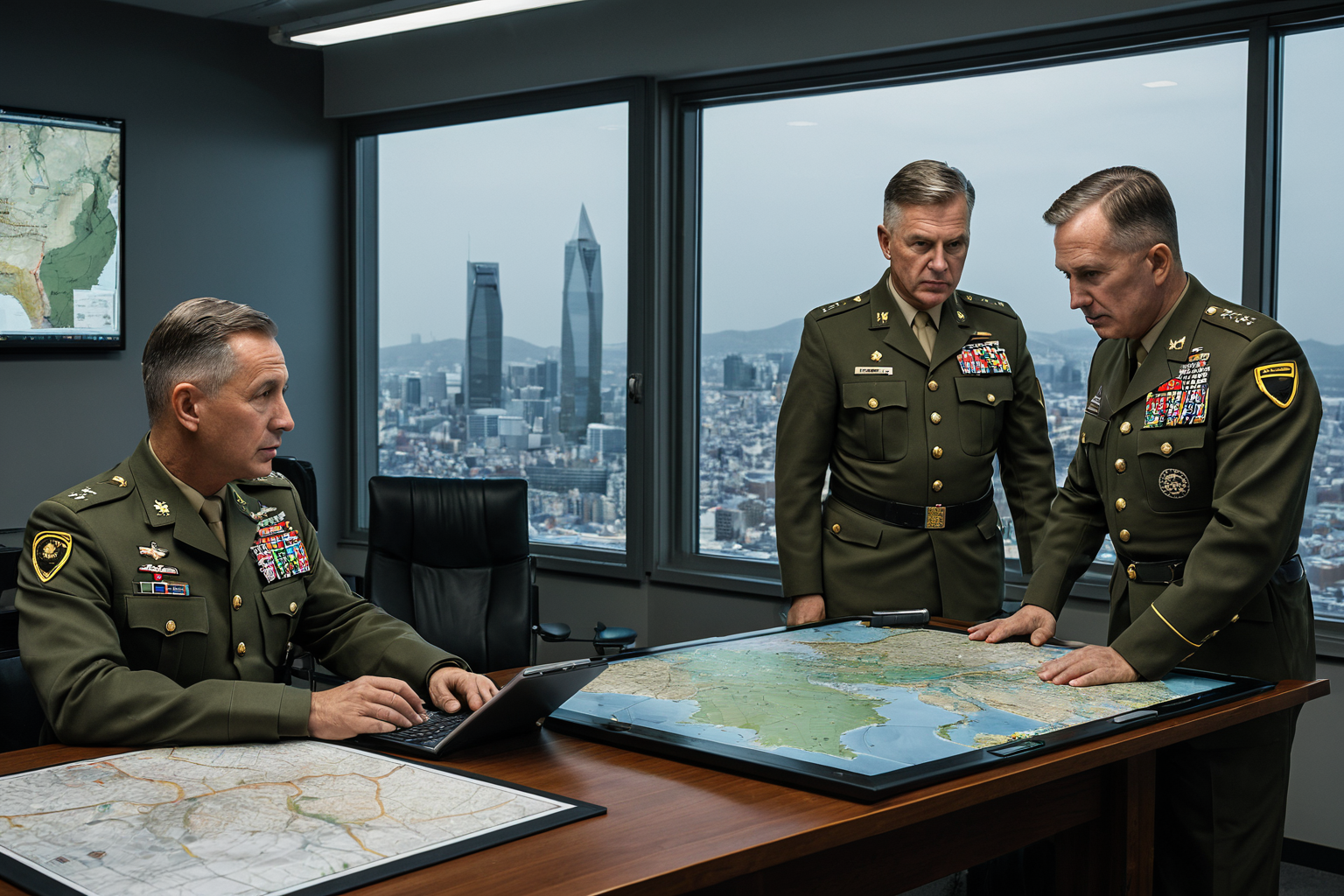
General Branson’s 'multi-domain force' strategy and the 'Killweb' concept are central to redefining the Korean Peninsula security system. The U.S.-South Korea alliance's strategic shift has sparked sovereignty concerns, while increasing North Korean Military Demarcation Line violations have led to enhanced joint responses.
Frequently Asked Questions
What was the significance of General Branson’s 'dagger' remarks?
Branson compared South Korea to a 'dagger aimed at China,' emphasizing containment strategy against China, which sparked sovereignty concerns.
How might the 'Killweb' concept impact alliances among South Korea, Japan, and the Philippines?
The 'Killweb' concept aims to strengthen alliances but has faced criticism for potentially fracturing existing partnerships.
Are there ongoing discussions about reducing U.S. forces in South Korea?
The Ministry of Defense stated no discussions are underway regarding reducing U.S. forces in South Korea, which is seen as a government response to the Killweb concept.
FAQ
What was the significance of General Branson’s 'dagger' remarks?
Branson compared South Korea to a 'dagger aimed at China,' emphasizing containment strategy against China, which sparked sovereignty concerns.
How might the 'Killweb' concept impact alliances among South Korea, Japan, and the Philippines?
The 'Killweb' concept aims to strengthen alliances but has faced criticism for potentially fracturing existing partnerships.
Are there ongoing discussions about reducing U.S. forces in South Korea?
The Ministry of Defense stated no discussions are underway regarding reducing U.S. forces in South Korea, which is seen as a government response to the Killweb concept.
Korean Source
This article is an English localization of a Korean-language report from BlogScore. Original: 브런슨 주한미군 사령관, 최근 북한 도발 대응 방안