
How Long Will Gas Prices Keep Falling? Key Factors to Watch
A 12-week decline in gas prices typically occurs when international oil prices fall, exchange rates stabilize, and refineries adjust their supply strategies. However, it's difficult to pinpoint exactly when the trend will end—gas prices can change more quickly than expected if oil prices rebound or the won-dollar exchange rate rises.
When the downward trend persists for an extended period, it's more important to focus on what conditions might halt the decline and trigger a rise rather than how much further prices could drop. Gas station prices often lag behind international markets, making it hard to immediately perceive changes just from news reports.
Why Gas Prices Have Been Falling for 12 Weeks
The main reason is that international oil prices have been weak for some time. As crude oil prices fall, refinery supply costs decrease, and over time, gas station prices gradually follow suit.
Additionally, the won-dollar exchange rate has not surged sharply, which also plays a role. Since oil is traded in dollars, stable exchange rates reduce pressure on domestic gas prices to rise.
Price competition among gas stations shouldn't be ignored either. Especially within the same area, some stations may slightly lower their prices to attract customers, prompting nearby stations to follow suit.
You can view similar articles on this topic in one place.
View Related ArticlesFactors That Could Reverse the Price Drop
Even if gas prices continue to fall for an extended period, a single strong movement in any of the following factors could halt the trend:
- International oil price rebound
- Rising won-dollar exchange rate
- OPEC+ production cuts announcement
- Escalating tensions in the Middle East
- Changes to domestic tax structure
International oil prices are particularly sensitive to short-term news. For example, if oil inventories drop more than expected or major oil-producing countries announce reduced supply, markets react quickly.
Another factor is seasonality. During summer vacation periods or around holidays, travel demand increases, which can halt the downward trend or accelerate a rebound.
Difference in Gas Price Adjustment Speeds
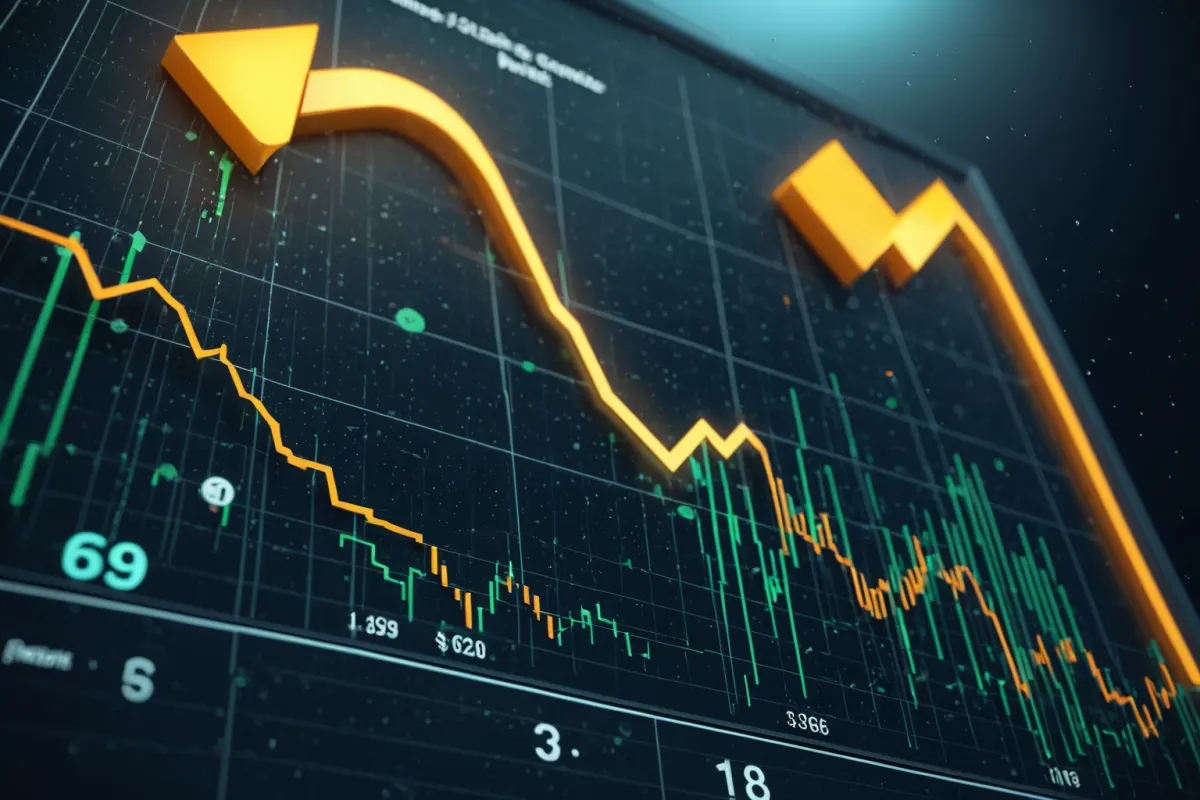
A common point of confusion for many is that gas prices don't immediately drop when international oil prices fall. Conversely, when oil prices rise, the increase may feel more immediate at the pump.
This lag occurs due to inventory and supply contracts. Gas stations often have already purchased fuel, and supply contracts are adjusted on a set schedule, so today's news doesn't appear on tomorrow's price list immediately.
For example, even if international oil prices have fallen for two weeks, local gas station prices may still lag behind. So it's not unusual to feel like prices haven't dropped yet.
How Consumers Can Track Price Changes
When observing the 12-week decline in gas prices, don't just look at average prices—also check the price at your usual gas station. Even within the same area, there can be significant differences between self-service stations and regular stations.
For instance, commuters traveling from outer areas of Seoul might find cheaper prices at gas stations before entering highways compared to those near their homes. Conversely, central city areas often have less price competition due to higher turnover rates.
If you drive a vehicle with lower fuel efficiency, even a 30-won difference per liter can affect monthly costs significantly. Changing your refueling timing by just once can lead to noticeable savings.
Real-Life Examples of Refueling Habits
For example, if you fill up 40 liters twice a month at a price that's 50 won cheaper per liter, you could save approximately 4,000 won monthly. While this may seem small, it adds up to over 40,000 won annually.
For long commutes, it can help to use gas stations with lower prices on specific days. Checking locations in advance via apps and avoiding rushed refueling can also reduce costs.
However, always focusing only on the cheapest station may lead to longer routes. If price differences are minimal compared to distance traveled, factoring in travel time is more practical.
Signs That Gas Price Decline Is Ending
The end of a downward trend often becomes visible through numbers first. If international oil prices rise consistently for several days or the exchange rate surges rapidly, gas station prices will likely follow with some delay.
A narrowing price gap between regions can also be a signal. During a downturn, competition causes wider price differences, but during rebounds, prices tend to rise at similar rates across areas.
However, a single day of price increases doesn't necessarily mean the trend has reversed. It's more accurate to observe trends over 1-2 weeks rather than just one or two days.
Practical Tips for Now
While waiting for the gas price decline to end, simply adjusting your refueling habits can help. Avoid rushing refueling, and keep a record of prices at your usual stations for easier decision-making.
If you have long-distance travel planned, checking prices before departure is advisable. If prices are lower near your destination, it might be more cost-effective to fill up there instead of earlier.
Here's a simple way to stay informed:
- Check if international oil prices have rebounded for over two weeks
- Monitor for sharp rises in the won-dollar exchange rate
- Keep track of prices at your regular gas stations
- Plan refueling locations before long trips
FAQ
Q. How long does a 12-week gas price decline typically last?
A. It's hard to predict precisely. The trend can continue if oil prices and exchange rates remain stable, but it could end quickly if rebound signals appear.
Q. Do gas station prices drop immediately when international oil prices fall?
A. No, they don't. Due to inventory and supply contracts, price changes often lag by several days or even weeks.
Q. Are self-service stations always cheaper?
A. Generally yes, but there are exceptions. In some areas, regular stations may have lower prices on certain days due to competition.
The key to understanding gas price trends is looking beyond a single news headline and considering global oil prices, exchange rates, and local competition. During periods of significant price changes, checking prices before refueling remains the most practical approach.
Continue exploring similar topics.
View Category ArticlesFAQ
How long does a 12-week gas price decline typically last?
It's hard to predict precisely. The trend can continue if oil prices and exchange rates remain stable, but it could end quickly if rebound signals appear.
Do gas station prices drop immediately when international oil prices fall?
No, they don't. Due to inventory and supply contracts, price changes often lag by several days or even weeks.
Are self-service stations always cheaper?
Generally yes, but there are exceptions. In some areas, regular stations may have lower prices on certain days due to competition.
Korean Source
This article is an English localization of a Korean-language report from BlogScore. Original: 기름값 12주 하락 언제 끝날까? 변동 요인