
Gangwon Province Drought Eases, But Daily Life Changes Persist
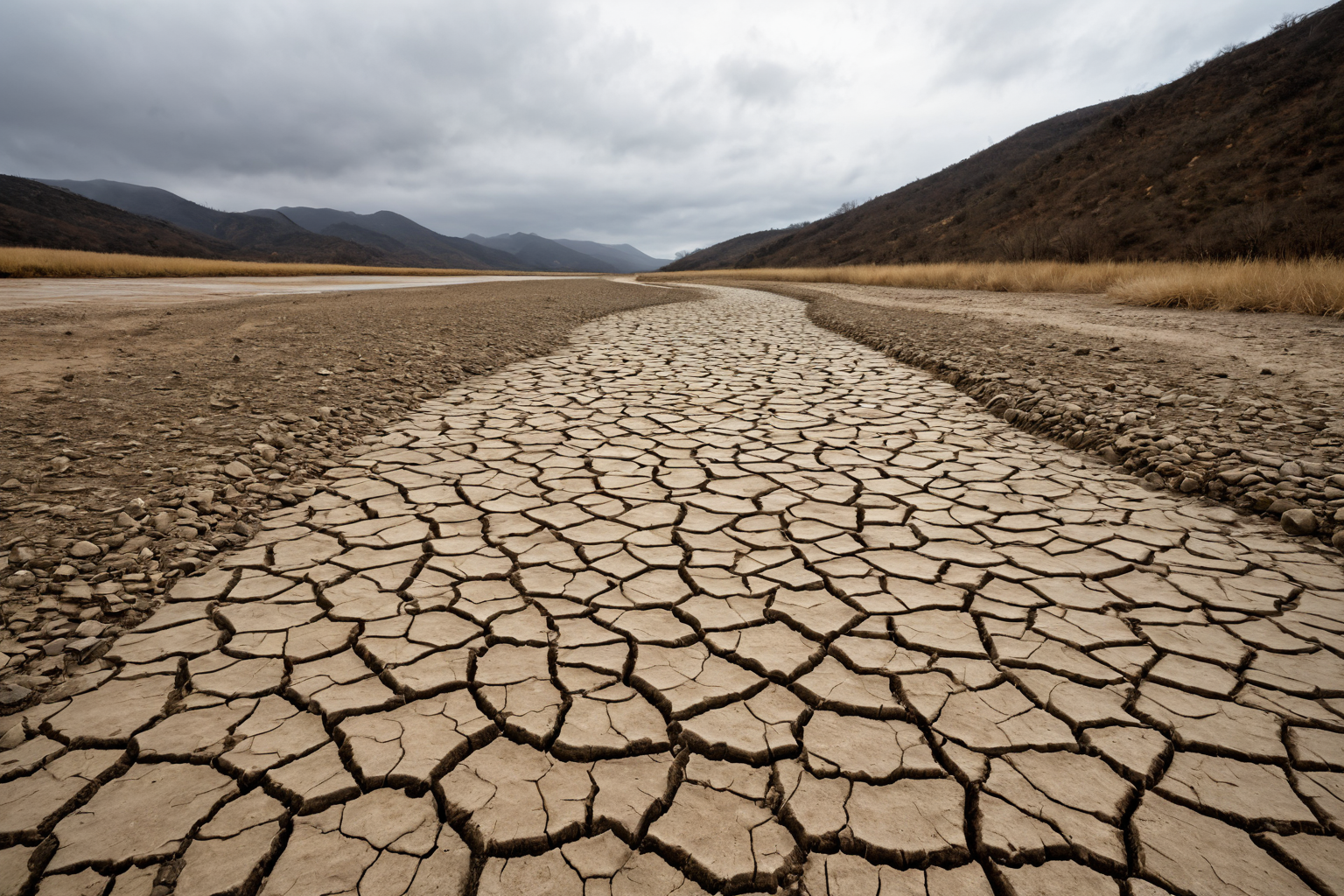
Gangneung's Extreme Drought Reality
The Gangneung area in Gangwon Province is experiencing its worst drought in 108 years, disrupting daily life. Despite recent light rain, the O-bong Reservoir remains at only 23.4% capacity, prompting residents to buy bottled water for restaurant operations and other needs.
Gangneung City declared a drought alert status starting July 2025, with minimal improvement even after mid-September rains. Gangwon Province's reservoir levels remain the lowest in the country, leading government and local authorities to consider measures like releasing water from Doam Dam.
Specific Changes in Drought Conditions
The drought began in July 2025 and has continued through September. In July, Gangwon Province faced its most severe drought in 108 years, with O-bong Reservoir levels starting to rise after 52 days. However, despite a water level increase of 1.37 meters and reservoir capacity improvement to 23.4%, the drought relief efforts proved insufficient.
By mid-August, public facilities like restrooms and swimming pools were closed. Early September saw preparations for ritual ceremonies before light rain fell, but the drought relief effect was minimal. Doam Dam considered emergency release after 24 years, but due to insufficient rainfall, the drought continues.
Drought Progression and Response
Gangneung has endured extreme drought since July 2025, marking it as the worst in 108 years. O-bong Reservoir's capacity at 23.4% remains the lowest nationwide.
On September 7, reports indicated that Doam Dam emergency releases were being considered to alleviate Gangneung's extreme drought. On September 8, news emerged about opening Doam Dam's gates for the first time in 24 years as a last resort. However, by mid-September, despite light rain on September 13, drought relief remained insufficient.
On September 15, 100mm of rainfall in Gangneung raised O-bong Reservoir water levels by 1.37 meters, but the reservoir capacity remained low, showing that the drought relief was inadequate.
Cause and Duration of Drought
The drought in Gangneung is expected to continue until February 2026, starting from July 2025. However, specific reports on when the drought will end are still lacking.
Long-term drought results from reduced rainfall and poor reservoir management, with minimal relief even after mid-September rains. Despite extreme rain events in July and September 2025, the drought did not subside.
Gangwon Province's reservoir levels remain the lowest nationwide, signaling potential for prolonged drought. A forecast of up to 20mm rainfall over two days in late September 2025 still proved insufficient.
Government and Resident Responses
Gangneung City declared an emergency 'Water Conservation' situation, urging residents to save water and closing public facilities like restrooms and swimming pools. However, these measures proved inadequate for drought relief.
Residents have taken individual actions, such as buying bottled water to run restaurants, while some express economic losses due to the drought. Policy measures like Doam Dam release are underway but remain ineffective due to insufficient rainfall.
On September 20, 2025, Doam Dam released water for the first time in 24 years, offering hope for relief, yet reservoir capacity improvements remain inadequate. This suggests prolonged drought conditions may continue.
Key Information on Drought Relief
Specific reports on the duration of Gangneung's drought relief are still lacking. The drought is expected to last from July 2025 through February 2026, but exact end dates remain unclear.
Reservoir improvement status and Doam Dam release considerations continue, though insufficient rainfall limits effectiveness. Gangwon Province's reservoir levels remain the lowest nationwide.
Individual efforts by residents like using bottled water for restaurant operations have been made, but government and local authorities need more action. Delayed drought relief may lead to further damage.
Frequently Asked Questions
How long will the drought last?
The Gangneung drought began in July 2025 and is expected to continue until February 2026, though specific reports on when it will end are still lacking.
Will Doam Dam releases alleviate the drought?
Doam Dam considered emergency release after 24 years, but due to insufficient rainfall, drought relief effects have been minimal. Reservoir capacity improvements remain inadequate as of now.
How are residents responding?
Gangneung residents are using bottled water for restaurant operations and other individual efforts to cope with water shortages. Some express economic losses caused by the drought.
Frequently Asked Questions
Gangneung is experiencing its worst drought in 108 years, disrupting daily life despite recent rainfall. O-bong Reservoir capacity remains at a critically low 23.4%, requiring further government and local action.
Residents are using bottled water for restaurant operations on an individual level, but additional measures may be needed as the drought continues to delay relief. Continued monitoring of reservoir improvements and Doam Dam release efforts is essential.
Specific reports on the duration of drought relief remain insufficient, making it difficult to accurately assess current conditions. Ongoing attention to Gangwon Province's drought situation will be necessary moving forward.
You can view similar articles on this topic in one place.
View Related ArticlesFAQ
How long will the drought last?
The Gangneung drought began in July 2025 and is expected to continue until February 2026, though specific reports on when it will end are still lacking.
Will Doam Dam releases alleviate the drought?
Doam Dam considered emergency release after 24 years, but due to insufficient rainfall, drought relief effects have been minimal. Reservoir capacity improvements remain inadequate as of now.
How are residents responding?
Gangneung residents are using bottled water for restaurant operations and other individual efforts to cope with water shortages. Some express economic losses caused by the drought.
Korean Source
This article is an English localization of a Korean-language report from BlogScore. Original: 강원도 가뭄 해갈, 지역 주민들의 생활 변화 분석