
Fuel Price Cuts: A Regional Comparison of Seoul vs. Provincial Areas
Regional Disparities in Fuel Price Cuts
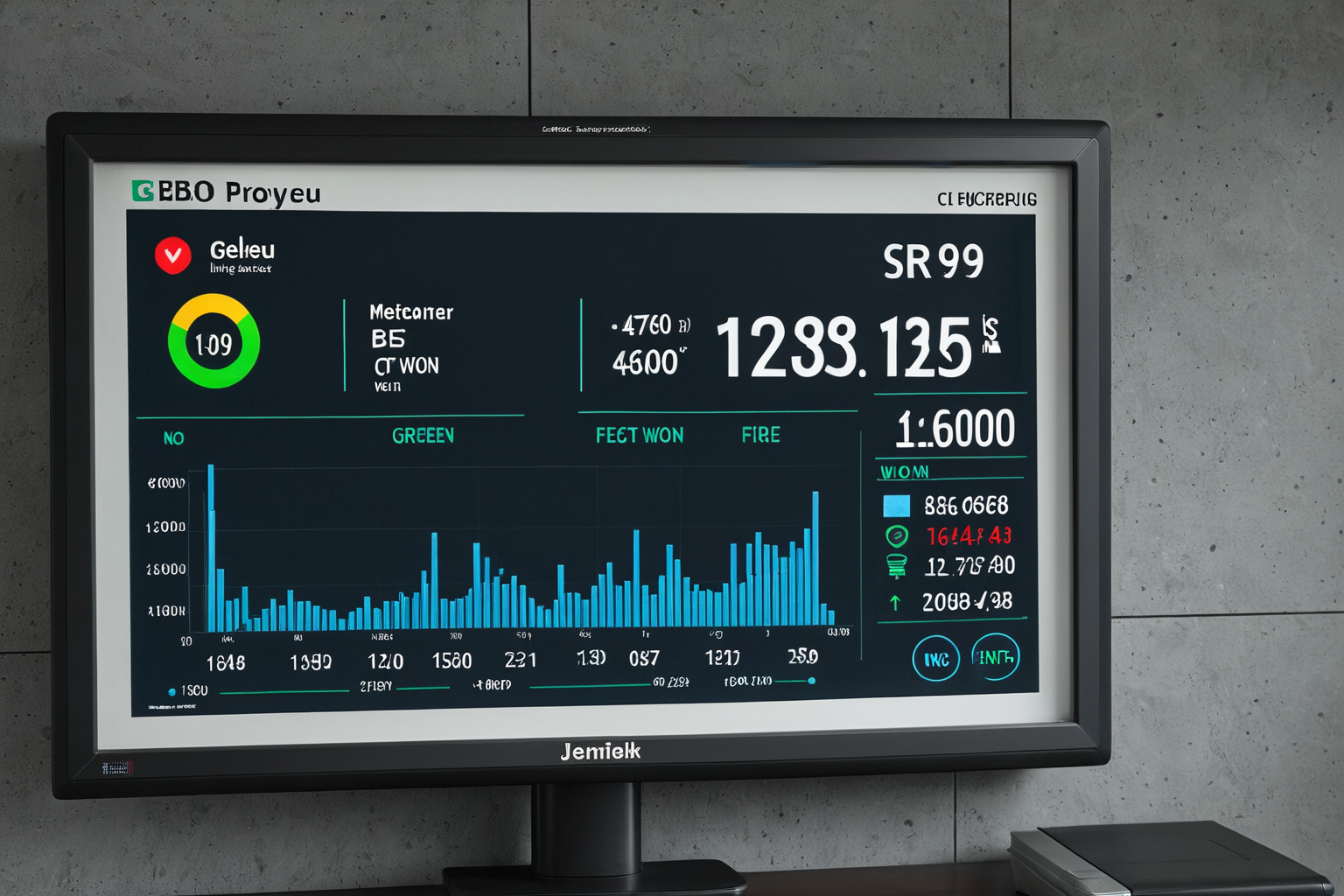
Recent fuel price reductions show significant regional differences. In the Daegu-Gyeongbuk region, gasoline and diesel prices have dropped by 150 won each, while Seoul's diesel has surpassed 2,000 won per liter with continued upward trends. Within the same regions, price differences between gas stations can reach up to 739 won, prompting the Fair Trade Commission (FTC) to conduct nationwide investigations into potential price collusion.
Regional Fuel Price Reduction Status
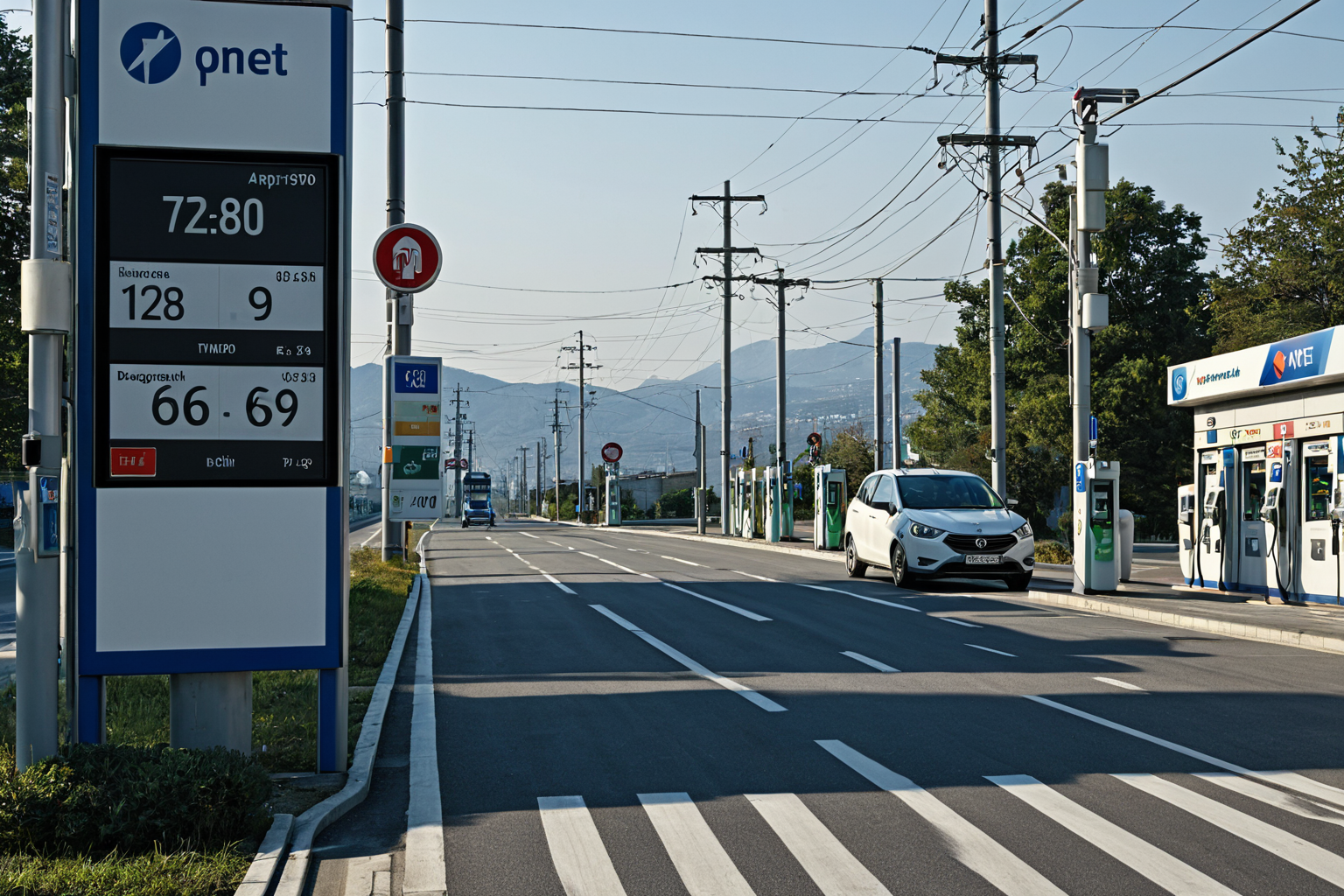
In Daegu-Gyeongbuk, both gasoline and diesel prices have decreased by 150 won each. This appears to be a coordinated price adjustment across stations in the region. Meanwhile, in Seoul and Gyeonggi Province, fuel prices are rising instead of falling. Specifically, Seoul's diesel has surpassed 2,000 won per liter, with average gasoline prices also climbing to 2,008 won.
In Seoul, fuel prices have entered the 1,900 won range, and diesel prices have even overtaken gasoline in pricing, indicating a new market structure. This reflects an expanding price gap between gas stations nationwide.
Price Differences Between Gas Stations and FTC Investigation
Even within the same region, price differences between gas stations can reach up to 739 won. This appears to be due to inconsistent pricing policies among stations. The Fair Trade Commission (FTC) has launched nationwide inspections into potential price collusion, mobilizing all regional offices for investigation.
The FTC's emergency inspection follows reports that price gaps have widened between gas stations even after the implementation of a maximum pricing system. This system is known to slow down the pace of fuel price reductions.
Regional Fuel Price Trends
In Sejong City, fuel prices had fallen for eight consecutive weeks before recently rebounding. This shows that even with the government's gasoline price cap policy, station prices remain inconsistent across regions.
In North Jeolla Province, fuel prices have dropped to the 1,900 won range after two months, leading to increased visits to gas stations during morning commutes. This illustrates clear regional differences in pricing fluctuations.
Perceived Price Cuts and App-Based Strategies
Even though fuel prices have uniformly decreased by 150 won at some stations, the perceived price reduction varies significantly between locations. This is due to the maximum pricing system causing gas stations to delay price adjustments.
The OPINET app can help reduce fuel costs. It provides real-time price information for gas stations nationwide, helping users find the most affordable options. It's recommended to check prices before commuting or weekend trips.
Price Collusion Issues and Policy Responses
Price collusion between gas stations is one of the factors contributing to rising fuel costs. The FTC is working to ensure market fairness through these investigations.
The government has implemented a policy freezing gasoline prices, but gas stations are setting different prices, burdening consumers. This appears to be due to differing competitive structures among regional gas stations.
Consumer Strategies
Given the significant regional price differences, consumers should compare prices to find cheaper options. The OPINET app provides real-time pricing information for this purpose.
Especially when refueling during morning commutes or weekends, it's advisable to check prices in advance and choose stations with lower rates. This habit can help reduce long-term fuel costs.
Key Information to Monitor
To understand regional price differences, consumers should monitor FTC investigation results and use the OPINET app for real-time pricing information. The impact of the government's gasoline price cap policy on station prices is also worth noting.
In Sejong City, fuel prices rebounded after eight consecutive weeks of decline, while in North Jeolla Province, prices have dropped to the 1,900 won range after two months. These examples illustrate varying regional pricing patterns.
Frequently Asked Questions
Q: What does it mean that fuel prices decreased by 150 won in Daegu-Gyeongbuk?
In the Daegu-Gyeongbuk region, both gasoline and diesel prices have dropped by 150 won each. This appears to be a coordinated price adjustment across stations in the region.
Q: Why has Seoul's diesel price surpassed 2,000 won?
Seoul's diesel price recently exceeded 2,000 won per liter and continues its upward trend. This shows that fuel prices remain higher in metropolitan areas compared to provincial regions.
Q: Will using the OPINET app reduce fuel costs?
The OPINET app provides real-time pricing information for gas stations nationwide, helping users find the most affordable options. Using it can help reduce fuel cost burdens.
Frequently Asked Questions
Fuel prices show significant regional disparities, with a growing polarization between metropolitan and provincial areas. In Daegu-Gyeongbuk, prices dropped by 150 won, while Seoul's diesel has surpassed 2,000 won per liter. Price differences between stations can reach up to 739 won, prompting the FTC to investigate potential price collusion.
Consumers should use the OPINET app to check real-time prices and select cheaper gas stations. They should also monitor how the government's gasoline price cap policy affects station pricing. Fuel prices are determined by international oil prices and regional competitive structures, so consistently checking price information is important for minimizing fuel cost burdens.
You can view similar articles on this topic in one place.
View Related ArticlesFAQ
What does it mean that fuel prices decreased by 150 won in Daegu-Gyeongbuk?
In the Daegu-Gyeongbuk region, both gasoline and diesel prices have dropped by 150 won each. This appears to be a coordinated price adjustment across stations in the region.
Why has Seoul's diesel price surpassed 2,000 won?
Seoul's diesel price recently exceeded 2,000 won per liter and continues its upward trend. This shows that fuel prices remain higher in metropolitan areas compared to provincial regions.
Will using the OPINET app reduce fuel costs?
The OPINET app provides real-time pricing information for gas stations nationwide, helping users find the most affordable options. Using it can help reduce fuel cost burdens.
Korean Source
This article is an English localization of a Korean-language report from BlogScore. Original: 주유소 가격 인하 지역별 비교: 수도권 vs 지방