
Analyzing France vs Spain Soccer Matchups: A Dynamic Rivalry
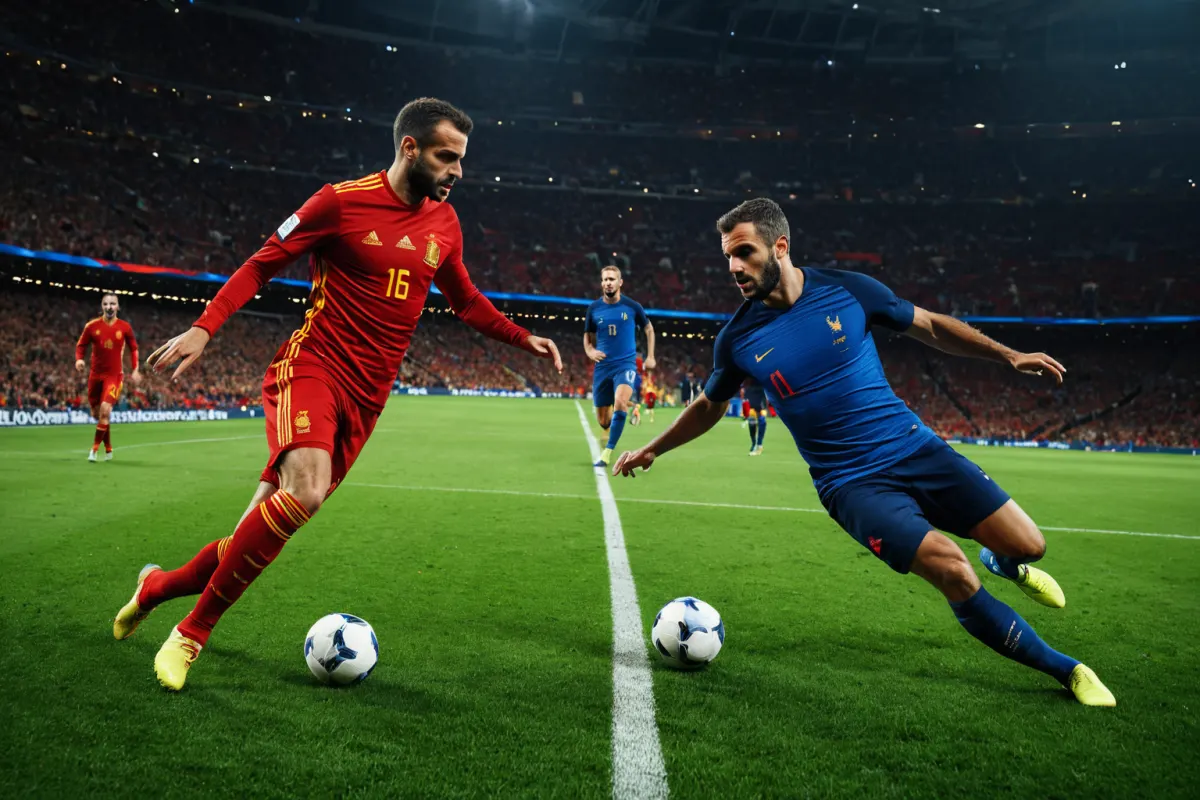
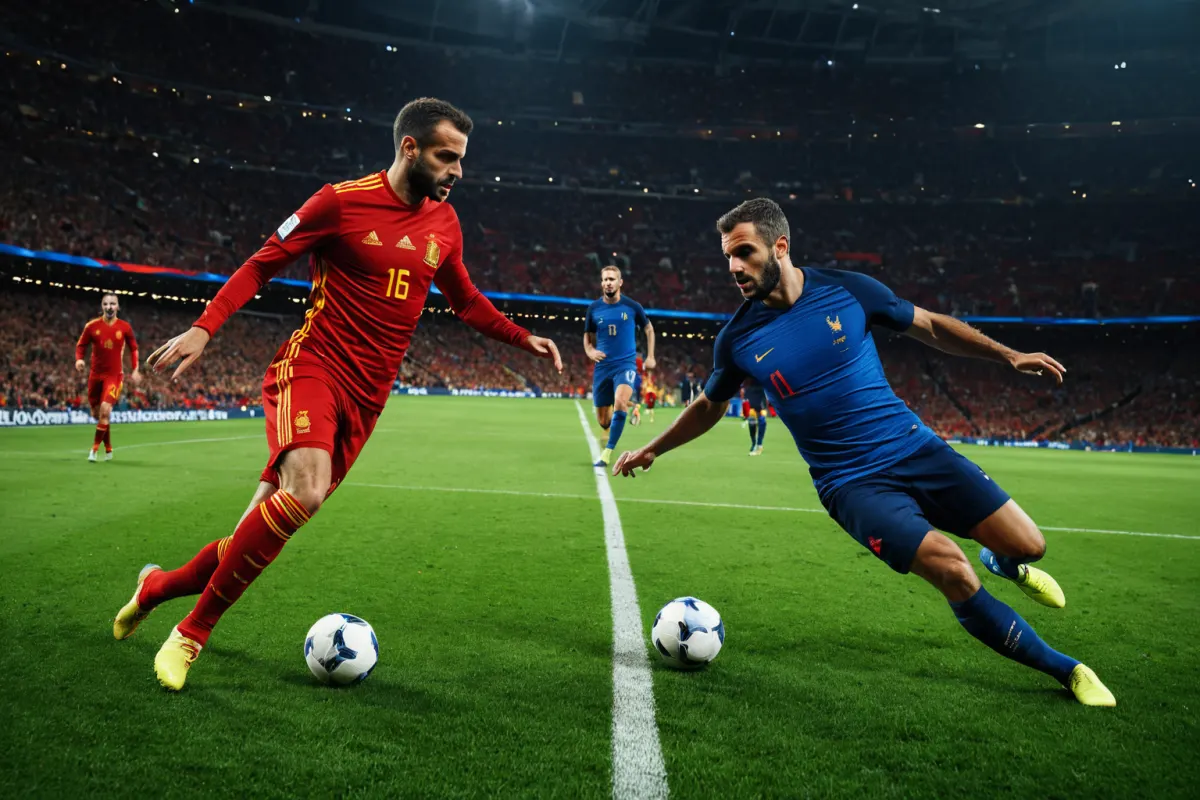
When examining France vs. Spain soccer history, it's not a case of one team dominating consistently—instead, control often shifts between matches. However, in major tournaments, Spain may hold more possession, but France frequently secures results through efficient counterattacks and clinical finishing. Simply looking at win-loss numbers can obscure the true nature of these matchups.
Therefore, analyzing this rivalry requires considering not just historical records, but also the context of each competition and the tactical approaches employed. While France and Spain have distinct styles that prevent direct predictions from past results, their history offers valuable insights into potential game flow.
The Underlying Pattern in Historical Records
France vs. Spain soccer matches show significant variation across eras. During periods when Spain dominated, they often controlled midfield to neutralize France's play. Conversely, when France held the upper hand, their individual skill and speed created decisive differences.
International matchups carry more weight than friendly games—especially in major tournaments like World Cup, Euro, or Nations League. The context of the competition significantly influences strategy, so it's important to consider match type alongside statistics.
You can explore similar articles on this topic in one place.
View Related ArticlesTactical Differences That Shape Outcomes
Spain traditionally relies on short passing and possession-based play, maintaining prolonged pressure in the opponent's half to break down defensive structures before finding gaps.
France favors a more direct approach. They may not maintain long ball possession but create threats through rapid transitions and finishing ability—making them particularly effective against teams like Spain that focus heavily on ball retention.
This is why analyzing France vs. Spain matches often focuses less on possession percentage and more on shot quality, box entries, and set-piece effectiveness. Possession alone doesn't guarantee an advantage in this rivalry.

How Tournament Context Changes Match Interpretation
In friendly matches, results can be less meaningful due to experimental lineups and tactical testing. These games often reflect coaching intentions more than actual team strength comparisons.
Conversely, in knockout tournaments, where one mistake leads to elimination, teams play with greater caution. France's quick transitions may give them an edge here, while Spain’s possession-based strategy can extend matches by minimizing risk.
For example, even if Spain maintains over 65% possession, France might win through just two or three quality shots. In such cases, who created the more dangerous chances—rather than pure statistics—better explains the outcome.
The Importance of Checking Lineups
A key reason why predictions about France vs. Spain matchups often vary is due to significant lineup influence. The absence of a key midfielder can disrupt Spain's pressing structure, while losing main attackers may reduce France’s counterattack effectiveness.
Checking lineups before the match provides more accurate insights into potential game flow. For instance, if Spain deploys two defensive midfielders, it increases stability but reduces forward passing options. If France uses more wing players, it could lead to a faster-paced game focused on speed and width.
This difference becomes immediately noticeable during broadcasts. Rather than who holds the ball longer in the first 15 minutes, it's more important to see which team gets closer to the opponent's goal more effectively.
Key Viewing Points and Examples
To better understand this matchup, focus on three elements: midfield battles, wide play, and set pieces. Teams that dominate two or more of these aspects typically control game flow.
For instance, if Spain increases cross deliveries from the flanks, it may indicate central penetration is being blocked. Conversely, when France applies high pressure upfront to disrupt Spain’s build-up, Spain struggles to execute their preferred patterns.
A common oversight fans miss is substitution timing. Late in games (after 60 minutes), if Spain speeds up passing tempo, France's defense often becomes more vulnerable. Similarly, introducing fast wingers can destabilize Spain's formation quickly—making these moments key indicators of the match’s turning point.
Important Considerations When Reviewing Historical Records
Historical records should be treated as reference material—not absolute predictors. Player generations change, team styles evolve, and even a coaching change can significantly alter how matches are played.
Additionally, relying solely on the last one or two results is risky. National teams don't play regularly, so current form and injury status heavily influence outcomes.
Therefore, analyzing France vs. Spain matchups most effectively combines overall records, recent trends, competition context, and starting lineups. This holistic approach leads to more reliable insights than vague predictions based on limited data alone.
Additional Information for Better Understanding
To better understand these matches, consider checking match times, broadcast channels, and predicted lineups—especially as last-minute changes often occur before kickoff, altering tactical expectations.
When reviewing historical records, don't just look at wins and losses; also note goal differences, whether the game went to extra time or penalties. A win with different circumstances can reflect entirely different match dynamics.
If you're analyzing these matches in depth, go beyond basic predictions by examining recent 5-match goals scored/conceded ratios and first-goal statistics. Even beginners can gain a solid understanding of match nature with this approach.
FAQ
Q1. Can historical records alone predict France vs Spain outcomes?
A. No, they're not sufficient on their own. Historical data offers context but actual results depend heavily on lineups, tactics, and match circumstances.
Q2. What's the most important metric in these matches?
A. Shot quality, box entries, and counterattack success rates matter more than possession percentage. These metrics directly correlate with winning outcomes more often.
Q3. What should you check first when watching France vs Spain live?
A. Start by reviewing the starting lineup and midfield composition. Teams dominating central play tend to shape early game flow most effectively.
For safety, always verify match schedules and broadcast details right before kickoff.
Continue exploring similar topics.
Browse Category ArticlesFAQ
Can historical records alone predict France vs Spain outcomes?
No, they're not sufficient on their own. Historical data offers context but actual results depend heavily on lineups, tactics, and match circumstances.
What's the most important metric in these matches?
Shot quality, box entries, and counterattack success rates matter more than possession percentage. These metrics directly correlate with winning outcomes more often.
What should you check first when watching France vs Spain live?
Start by reviewing the starting lineup and midfield composition. Teams dominating central play tend to shape early game flow most effectively.
Korean Source
This article is an English localization of a Korean-language report from BlogScore. Original: 프랑스 스페인 축구 전적 비교로 보는 승부 양상