
Follow-Up Measures to the Revised Criminal Procedure Act: 5 Common Questions and Details
Overview of Follow-Up Measures to the Revised Criminal Procedure Act
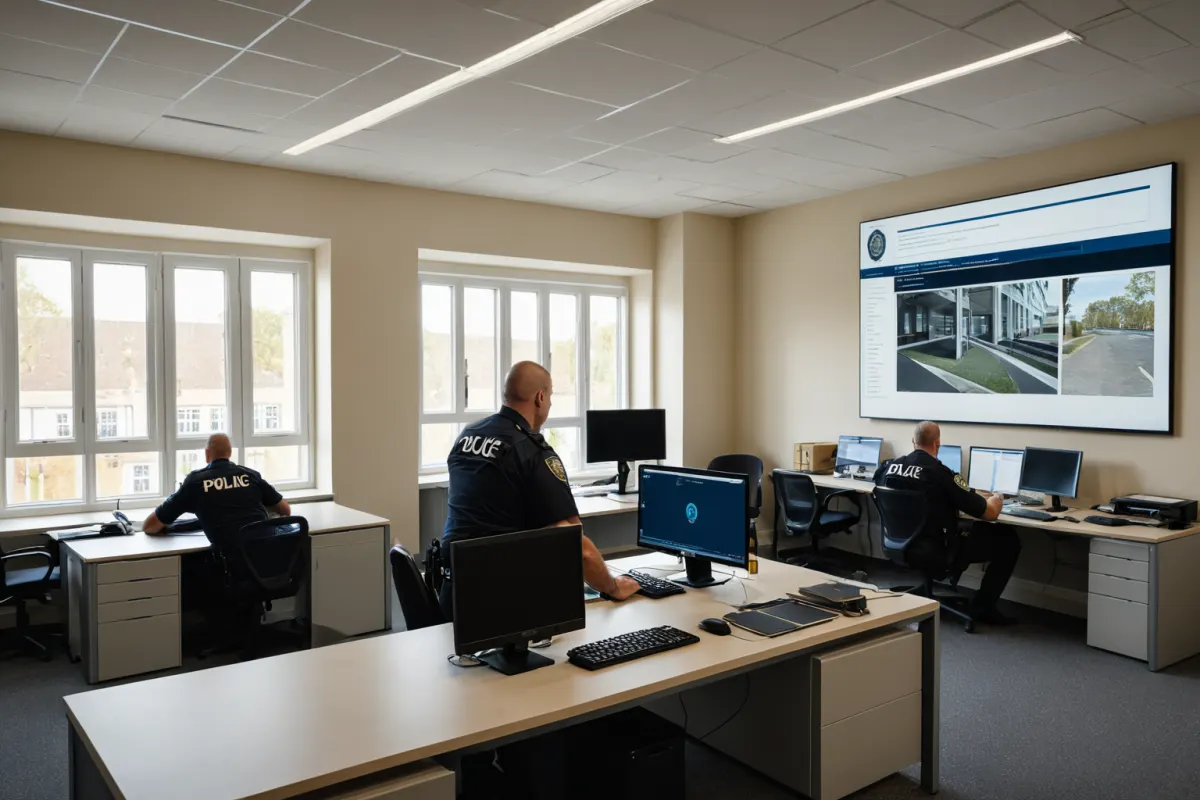
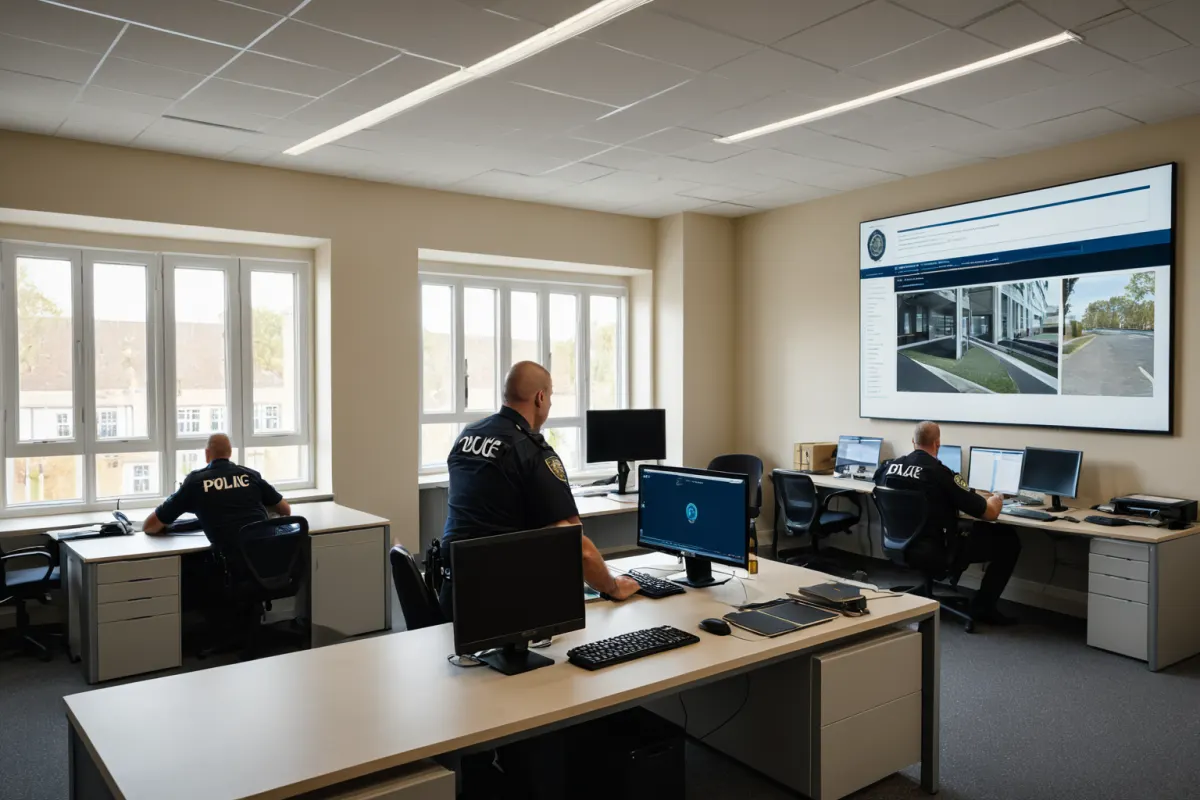
The revision of the Criminal Procedure Act is accelerating the enhancement of police investigative capabilities while reducing prosecutorial authority. The National Police Agency has bolstered its investigative staff by 881 officers through a reduction in mobile units, preparing for implementation in October.
Strengthening Investigative Personnel and TF Operations
To align with the revised Criminal Procedure Act, police have secured an additional 881 investigative personnel by reducing mobile units. This is essential as from October, complaints and reports will be directed to the police rather than prosecutors.
The National Police Agency has launched a 'Follow-Up Measures Task Force' (TF) to concretize cooperation strategies between prosecutors and police at each investigation stage. Yu Jae-seong has been appointed as team leader, with operations scheduled from August 5 to October 2.
Measures by the Ministry of the Interior and National Safety and the Central Investigation Agency
The Ministry of the Interior is making concerted efforts to secure investigators for the Central Investigation Agency (CIA), with expectations of forming a joint investigation office involving police, prosecutors, and the CIA. This strategy aims to strengthen police capabilities and establish victim protection systems as the prosecution's investigative system ends after 72 years.
The police plan to implement 'Case Transparency' to enhance investigation credibility. This measure reflects the system changes following the revised Criminal Procedure Act by improving transparency and fairness in investigations.
Political Disputes Between Parties and Presidential Remarks
Debates over the revised Criminal Procedure Act have intensified into a political conflict between parties. The government and opposition are divided on abolishing prosecutors' supplementary investigation authority, with heightened tensions on August 6 under the theme 'Laws Ignored vs Ending Prosecutorial Monopoly.'
President Lee Myung-bak sparked controversy by stating he had not read the revised act, saying 'prosecutors have not investigated,' which further highlighted the government-opposition divide.
Concerns Among Complainants
Some complainants are expressing anxiety about how their cases will be handled. Inquiries regarding case progression have increased, with concerns over inadequate or delayed investigations.
While specific examples of these concerns remain unclear, they appear to stem from the transitional period as the investigation system changes due to the revised act. The National Police Agency plans to address these worries through the TF operations.
Schedule for Implementation of Revised Criminal Procedure Act
The revised act was approved at a cabinet meeting on August 4, meaning that from October, complaints and reports will be handled solely by police.
The National Police Agency will operate the 'Follow-Up Measures Task Force' until October 2 to establish cooperation frameworks between prosecutors and police and develop stage-specific investigation strategies. During this period, police capabilities and system improvements will be prioritized.

Main Schedule for Follow-Up Measures
On August 3, Han Byung-do announced strong condemnation of false rumors about the Criminal Procedure Act and a nationwide briefing to address misunderstandings and prejudices regarding the revision.
On August 5, the 'Follow-Up Measures Task Force' was launched with Yu Jae-seong as team leader. On the same day, President Lee Myung-bak made his controversial statement about not having read the revised act.
On August 6, political tensions over the Criminal Procedure Act escalated between parties, with the government stating it would revise problematic policies without exception, prioritizing changes in people's lives.
End of Prosecutorial Investigation System and Strengthening Police Roles
The end of the prosecution's investigative system after 72 years has elevated police roles. This marks a shift in cooperation between courts and prosecutors, placing police investigative capabilities and victim protection systems under scrutiny.
The National Police Agency plans to implement 'Case Transparency' to enhance investigation credibility, improving transparency and fairness in investigations as part of the revised act's system changes.
Key Issues Discussed in the Follow-Up Measures TF
The TF is concretizing cooperation strategies between prosecutors and police at each investigation stage. This aims to establish a collaboration framework for handling complaints and reports between police and prosecutors during the investigation process.
Discussions on enhancing investigative fairness are also underway. The police plan to implement 'Case Transparency' to improve investigation credibility and enhance victim protection systems.
Key FAQs About the Revised Criminal Procedure Act
After the revision, complaints and reports will be directed to the police starting in October, abolishing prosecutors' supplementary investigation authority.
The police have bolstered investigative staff by 881 officers through mobile unit reductions as part of preparations for the revised act's implementation.
The TF will operate from August 5 to October 2. During this period, cooperation strategies between prosecutors and police will be detailed at each investigation stage.
Pre-Implementation Checkpoints
Before the revised act takes effect, the police are strengthening investigative personnel and operating the TF to establish a prosecutor-police cooperation framework ahead of the October implementation of directing complaints to police exclusively.
While complainants express anxiety about case handling, the TF is expected to alleviate these concerns. The National Police Agency plans to enhance investigation fairness.
Common Questions
The follow-up measures aim to strengthen police investigative capabilities while reducing prosecutorial authority. With implementation approaching in October, the National Police Agency is using a TF to concretize stage-specific cooperation strategies between prosecutors and police.
While political disputes and presidential remarks have caused some anxiety, the government has stated it will revise problematic policies without exception, prioritizing changes in people's lives.
The revision marks the end of prosecution's 72-year investigative system, making this a pivotal moment for police capabilities and victim protection. To prepare for these changes, the National Police Agency plans to implement 'Case Transparency' to enhance investigation credibility.
You can view similar articles on this topic in one place.
View Related ArticlesFAQ
What happens to complaints after the revised act takes effect?
Complaints will be handled by police starting October, with prosecutors' supplementary investigation authority abolished.
How many additional officers are being added to police investigative units?
881 officers through a reduction in mobile units.
When does the Follow-Up Measures Task Force operate?
From August 5 to October 2, 2023.
What is 'Case Transparency' and why is it being implemented?
'Case Transparency' aims to improve investigation credibility by enhancing transparency and fairness in investigations as part of the revised act's system changes.
Why has there been political tension over the revision?
The government and opposition disagree on abolishing prosecutors' supplementary investigation authority, with President Lee Myung-bak sparking controversy by saying he hadn't read the law.
Korean Source
This article is an English localization of a Korean-language report from BlogScore. Original: 형소법 후속 조치: 5가지 자주 묻는 질문과 세부 안내