
Foldable Smartphone Price Guide: How Prices Vary by Model


Foldable smartphone prices are generally higher than standard flagships, with noticeable differences depending on the model. Budget-friendly vertical foldables typically start around 1 million won (mid to upper range), while larger-screen book-style foldables often begin at about 2 million won.
However, even within the foldable category, prices can vary significantly based on screen size, hinge structure, battery capacity, camera performance, and storage. So rather than simply concluding that "foldables are expensive," it's more practical to first determine which price range suits your intended use case.
Why Foldable Smartphones Cost More Than Regular Phones
The main cost difference comes from the display and hinge mechanisms. The folding structure requires more components than standard rectangular phones, and durability standards are stricter, leading to higher manufacturing costs.
Specifically, the main screen needs thin, flexible panels, and the folding mechanism must be precisely engineered. Adding features like large batteries, multiple cameras, and dust/water resistance further increases prices.
This is why foldables were initially high-priced, with gradual price reductions as components stabilized over time. However, unlike regular phones where prices drop sharply with each new generation, foldables still maintain a premium pricing position.
You can find more articles on similar topics in one place.
View Related ArticlesPrice Differences by Foldable Type
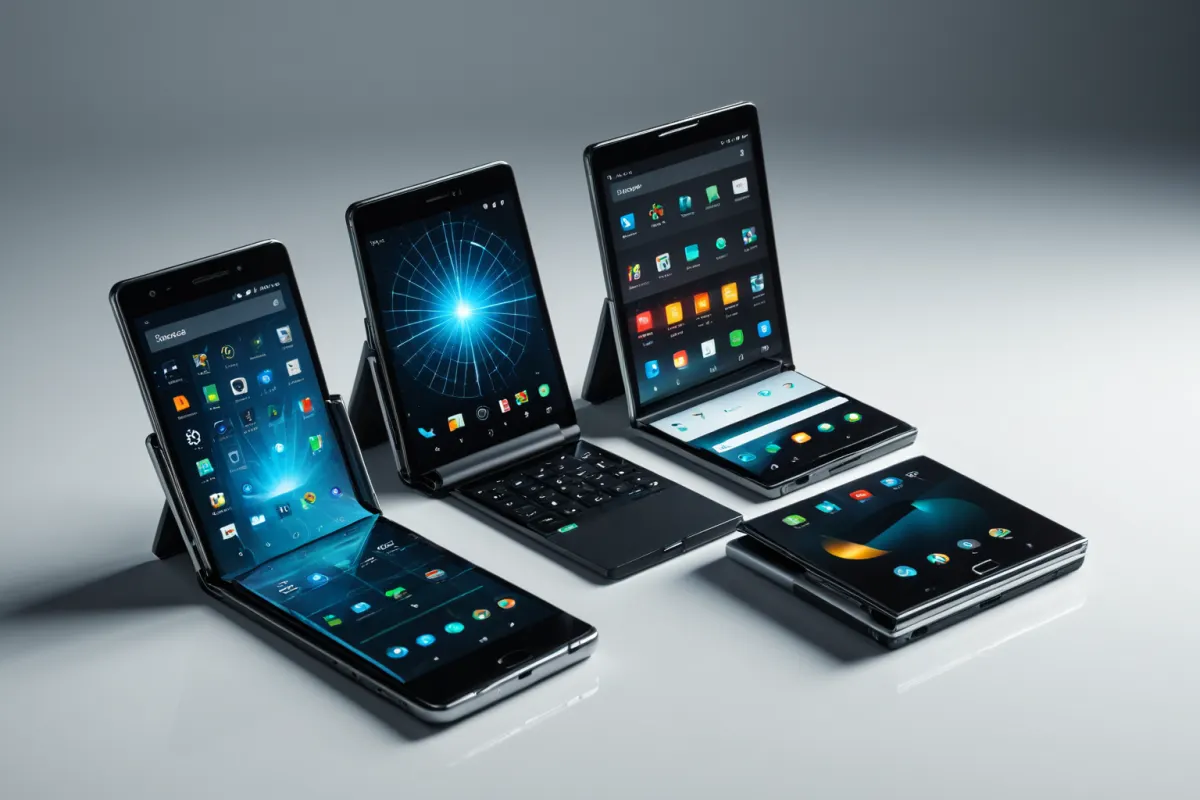
Foldables are broadly categorized into vertical folding (clamshell) and horizontal unfolding (book-style). Clamshell designs offer better portability, making them relatively more accessible, while book-style models provide higher screen utility but come at a higher price point.
For example, vertical foldables suit users who prefer smartphone-like experience and typically cost between 1 million won mid-range to 2 million won low range. Book-style models, which offer tablet-like usability, often reach 2 million won mid-to-high range.
Even within the same brand, storage capacity differences can lead to price gaps of over 100,000 won. Color variations usually don't affect pricing much, but limited editions or high-capacity models may carry a premium in their initial release period.
Key Factors to Consider When Checking Model Prices
Focusing only on the manufacturer's suggested retail price can overlook actual purchase burden. In reality, factors like pre-order discounts, credit card promotions, trade-in programs, and carrier subsidies significantly impact final pricing.
For instance, a model with an MSRP of 2.39 million won might see over 300,000 won difference when combining pre-order benefits and trade-ins. Conversely, adding accessory costs can unexpectedly increase total expenditure.
Foldable phone cases, screen protectors, and insurance are also important considerations. Since screen replacement costs tend to be high, many buyers opt for damage protection services from the start.
Practical Purchase Options by Budget
If your budget is around 1.5 million won, consider last-generation models or vertical foldables rather than the latest flagship. This range often offers better value during significant discount periods.
For budgets near 2 million won, you can explore higher-end vertical foldables or basic book-style options with specific storage configurations. Prioritize vertical if portability and design matter most; choose book-style for multitasking needs.
If planning to spend over 2.5 million won, compare factors like storage capacity, performance, camera quality, and display excellence comprehensively. This segment is ideal for users who intend to use the device as a productivity tool rather than just a foldable phone.
Factors That Affect Actual Purchase Price
The actual purchase price of foldables matters more than the listed price. Especially right after launch, promotions might seem attractive but often come with conditions like minimum contract periods or return requirements that need careful review.
The most common discount methods include pre-orders, carrier subsidies, credit card discounts, and trade-in programs. For example, a high-value trade-in can make a 200,000 won difference feel noticeable in actual cost savings.
However, overly generous discounts might be tied to return-based contracts, so it's essential to calculate total payment amounts. While monthly installments may seem affordable, the cumulative amount over the contract period could end up being significantly higher than expected.
Best Value Purchase Examples
Many users report high satisfaction with "last-generation vertical foldables on sale" rather than "latest flagship book-style models." This is because they offer better portability and require less adaptation from standard smartphone use.
For example, if your primary use cases are messaging, social media, photography, and basic document viewing, a vertical foldable may suffice. Conversely, for video editing, multi-window tasks, or frequent PDF reading requiring screen splitting, the book-style model delivers better value.
Many buyers also consider resale value. While foldables tend to depreciate faster than standard phones, popular colors and high-capacity models often maintain strong secondary market demand, making initial selection crucial for long-term value.
Market Outlook and Price Trends
The foldable smartphone market has expanded with more options, leading to some price competition. As production volumes increase, component costs may stabilize, though core components like hinges and panels remain expensive.
In the near term, we're seeing a gradual reduction in entry barriers within the premium segment rather than mass-market affordability. So it's better to view foldables as products to select based on discounts and usage needs rather than something you can buy without concern.
Each new generation tends to improve camera capabilities, reduce creasing, enhance durability, and slim down thickness—increasing perceived value. However, the highest prices apply to latest models, so waiting for discount periods after previous generations are phased out is a smart strategy if urgency isn't an issue.
FAQ
Q. What's the typical price range for foldable smartphones?
A. Vertical foldables generally start around 1 million won (mid to upper), while book-style models often begin at about 2 million won. Prices vary based on storage capacity and release timing.
Q. Why are foldable smartphones much more expensive than regular phones?
A. Because of the complex display and hinge mechanisms, as well as durability design costs. The same performance level with a more intricate structure leads to higher prices.
Q. When is the best time to buy at the lowest price?
A. During pre-launch promotions or just before new generations are announced when older models get discounted. However, always check contract terms and return conditions carefully.
Foldable smartphone pricing often feels more variable than the listed MSRP suggests. Prices may fluctuate based on release timing and carrier policies, so it's advisable to compare options one last time before purchasing.
Continue exploring similar topics.
View Category ArticlesFAQ
What's the typical price range for foldable smartphones?
Vertical foldables generally start around 1 million won (mid to upper), while book-style models often begin at about 2 million won. Prices vary based on storage capacity and release timing.
Why are foldable smartphones much more expensive than regular phones?
Because of the complex display and hinge mechanisms, as well as durability design costs. The same performance level with a more intricate structure leads to higher prices.
When is the best time to buy at the lowest price?
During pre-launch promotions or just before new generations are announced when older models get discounted. However, always check contract terms and return conditions carefully.
Korean Source
This article is an English localization of a Korean-language report from BlogScore. Original: 폴더블 스마트폰 가격대 정리: 모델별로 얼마나 달라질까