
Why Flood Damage Causes Odors and Mold: Causes and Solutions
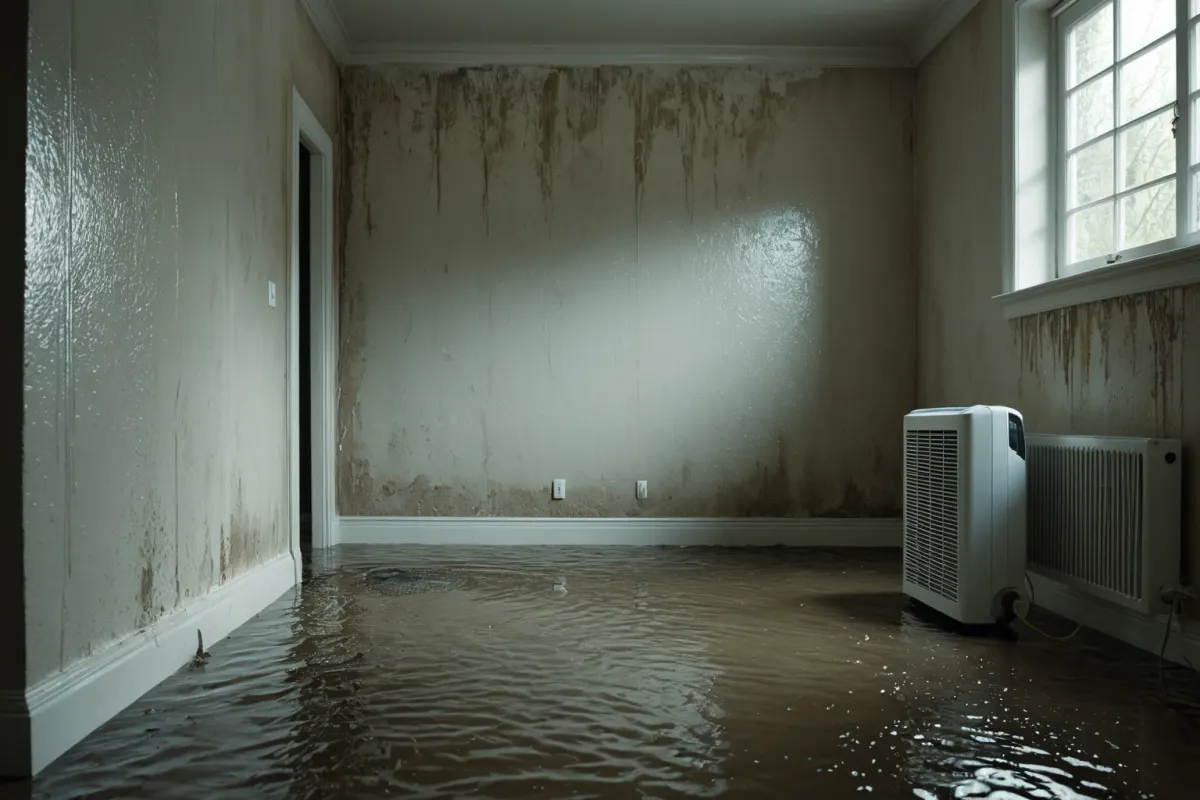
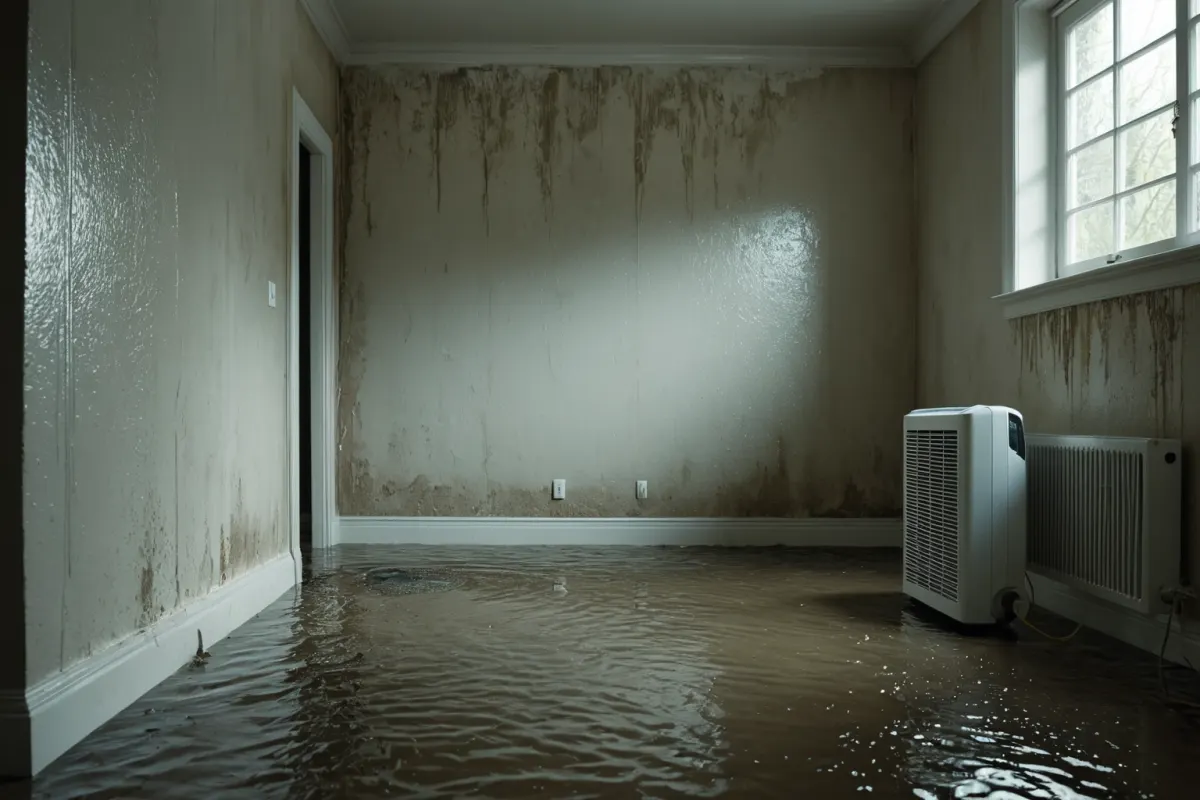
The main reason odors and mold appear after flooding is that water-soaked materials don't dry completely. Moisture left in wet wallpaper, flooring, or furniture interiors allows bacteria and mold to grow rapidly, causing persistent unpleasant smells.
Even if surfaces look fine, trapped moisture inside insulation or finishing materials can cause long-term issues. After a flood, it's not enough to clean the surface—wet materials should be removed, followed by drying and disinfection to reduce odors and mold.
Why Flood Odors Last
Flood odors aren't just a wet smell—they're a mix of damp dust, dirt, household contaminants, mold spores, and bacterial smells that linger as a musty odor.
Especially after heavy rain or flood damage, high humidity often means areas inside walls, under floors, or behind built-in cabinets may still be moist even if they appear dry on the surface.
You can find similar articles in one place.
View Related ArticlesConditions That Promote Mold Growth
Mold doesn't grow just because of water—it thrives when moisture, warmth, and poor ventilation combine. Warm indoor temperatures with stagnant air speed up mold growth.
Opening windows for ventilation right after a flood might seem like the solution, but high outdoor humidity can slow drying inside. In such cases, use fans, dehumidifiers, or air conditioning's dehumidifying function to keep air moving continuously.
Mold often starts inside walls rather than on visible surfaces. If odors persist despite clean-looking exteriors, internal moisture may be the culprit.
First Steps After a Flood
Safety comes first after flooding. Avoid using electricity if power is still on to prevent electric shock—wait for professional inspection before reactivating electrical systems or entering suspected areas.
Next, quickly sort wet items: fabrics, paper, and plywood are hard to restore once soaked, so prioritize cleaning more durable materials like plastic or metal first.
For example, removing shoes from a damp closet isn't enough. Separate shelves, clean the interior thoroughly, dry completely before reuse to minimize lingering odors.
Key Steps for Removing Odors and Mold
To effectively reduce odors and mold, follow a specific order—spraying air fresheners first just masks the smell while leaving the cause untreated.
Start by removing wet items, then clean off dirt and debris, followed by washing, disinfecting, and thorough drying. Only after these steps should you address lingering smells.
- Step 1: Remove wet materials
- Step 2: Clean surface contaminants
- Step 3: Wash and disinfect
- Step 4: Dry thoroughly with ventilation
- Step 5: Check for remaining odors
Treating Walls and Flooring
Wallpaper can feel dry on the surface but remain damp inside. If edges lift or colors change, replacing it is often more practical than just cleaning a small area.
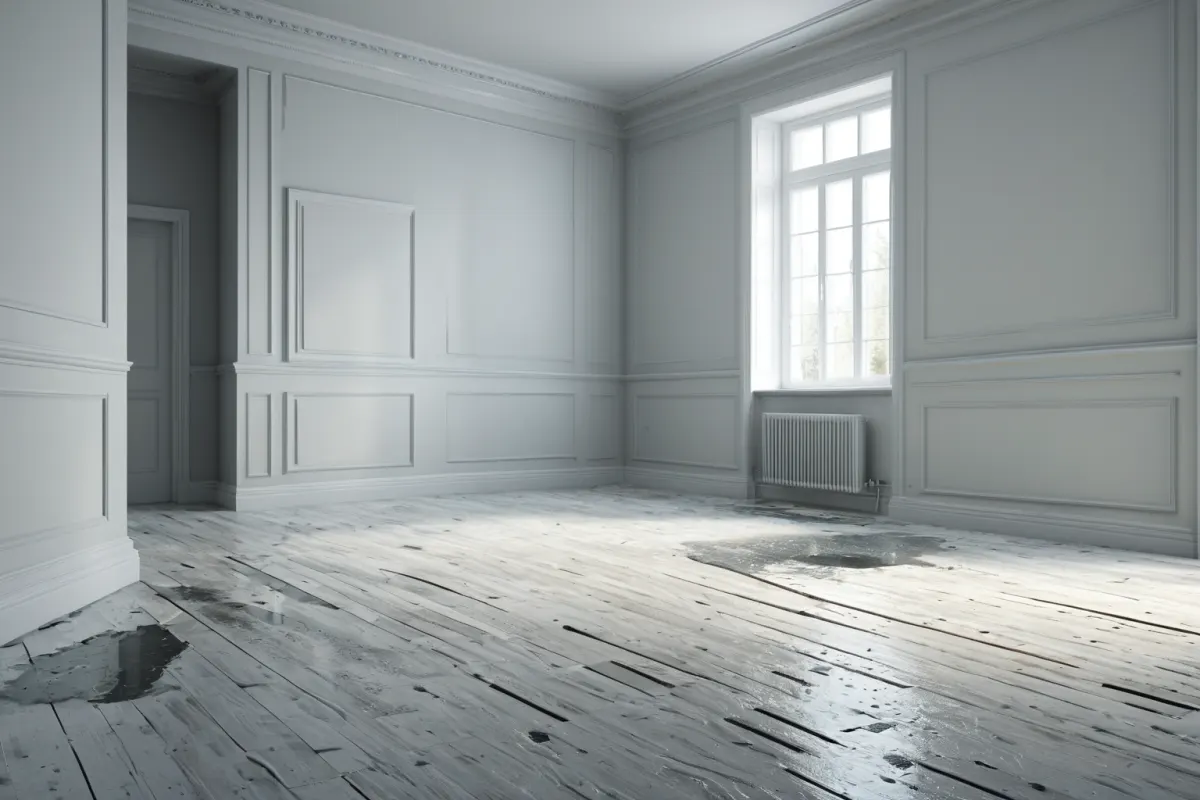
Flooring works similarly—surface moisture may be removable, but if water seeped underneath (visible as stains or wetness when pressed), separation and drying are necessary. Leaving it untreated can lead to warping or persistent mold odors.
For example, homes that removed flooring only after 2–3 days often find mold and mineral deposits beneath. Homes that acted immediately see smaller restoration needs.
Simple Home Remedies for Odor Removal
For small areas, home solutions can help—but focus on reducing moisture first, not just masking odors.
Avoid overusing vinegar or strong air fresheners, as they may mix with the smell and make it worse. A safer approach is to wipe away dirt with a clean damp cloth, dry thoroughly, then run a dehumidifier for extended periods.
For shoes or small furniture that still smells, sun-drying alone isn't enough—leave doors open and use fans for longer airflow to ensure internal drying.
Mold Removal: Key Considerations
Wiping visible mold won't prevent regrowth if underlying moisture remains. Even after cleaning surfaces, ongoing dampness can leave spores behind.
Also, avoid using bleach or other cleaners on all surfaces—some materials like fabric, wood, wallpaper, or metal react differently. Always test a small area first to avoid discoloration or damage.
If mold smells strong and covers large areas or seems to come from inside walls, don't delay seeking professional help. Prolonged exposure can cause respiratory irritation, so quick action is important for health reasons.
Commonly Overlooked Areas
After flood damage, overlooked spots include the back of wardrobes, under beds, and around electronics—areas that seem fine on the surface but trap moisture due to poor airflow.
Another common issue is curtains and rugs. Even if they didn't get wet directly, they can absorb floor moisture and become mold odor sources. If smells persist, remove or replace these fabrics first.
A helpful way to think about it: hidden areas where air doesn't reach are often the real problem, not visible water marks.
- Wet wall surfaces behind furniture
- Moisture under flooring
- Dampness inside built-in cabinets
- Odors trapped in fabrics
Maintenance Habits to Prevent Recurrence
Areas where mold has grown before are prone to recurrence without proper follow-up. After restoration, continue monitoring humidity and odors for several days.
Avoid running dehumidifiers only briefly—regularly lower indoor humidity on rainy or humid days. Especially in enclosed spaces like wardrobes or storage areas, keep doors open to improve air circulation.
If mold is a recurring issue, avoid placing furniture directly against walls—leaving a small gap improves airflow and reduces odor buildup.
When Medical Attention Is Needed
Persistent coughing, eye irritation, nasal congestion, or headaches after flood exposure may signal more than just discomfort. Those with asthma or allergies often experience stronger symptoms.
If breathing becomes uncomfortable only when indoors, consider indoor air quality as the cause. Even if you feel repairs are complete, ongoing symptoms mean rechecking your space is necessary.
FAQ
Q1: How long does flood odor last?
If moisture remains inside materials or mold has started growing, odors won't disappear in just a few days. Removing wet materials and drying thoroughly reduces the smell.
Q2: Can I just wipe off visible mold?
For small areas, it may work—but if walls or flooring are soaked underneath, surface cleaning alone isn't enough. Persistent odors mean internal moisture is likely still present.
Q3: Is it okay to use air fresheners first?
Not recommended. Masking the smell without addressing moisture can make things worse. Drying and removing contaminants should come first.
Flood-related odors and mold aren't problems that resolve on their own over time—they depend on how quickly you reduce trapped moisture and wet materials. For larger areas or suspected wall flooding, consult current restoration standards alongside your specific situation for best results.
Check out more articles on similar topics.
See All ArticlesFAQ
How long does flood odor last?
If moisture remains inside materials or mold has started growing, odors won't disappear in just a few days. Removing wet materials and drying thoroughly reduces the smell.
Can I just wipe off visible mold?
For small areas, it may work—but if walls or flooring are soaked underneath, surface cleaning alone isn't enough. Persistent odors mean internal moisture is likely still present.
Is it okay to use air fresheners first?
Not recommended. Masking the smell without addressing moisture can make things worse. Drying and removing contaminants should come first.
Korean Source
This article is an English localization of a Korean-language report from BlogScore. Original: 침수 후 냄새·곰팡이 생기는 이유와 제거 방법