
Flood Damage in Geoje and Tongyeong: Agricultural Losses and Compensation Process
Key Points Summary
Flood Damage Scale and Special Disaster Area Declaration in Geoje and Tongyeong
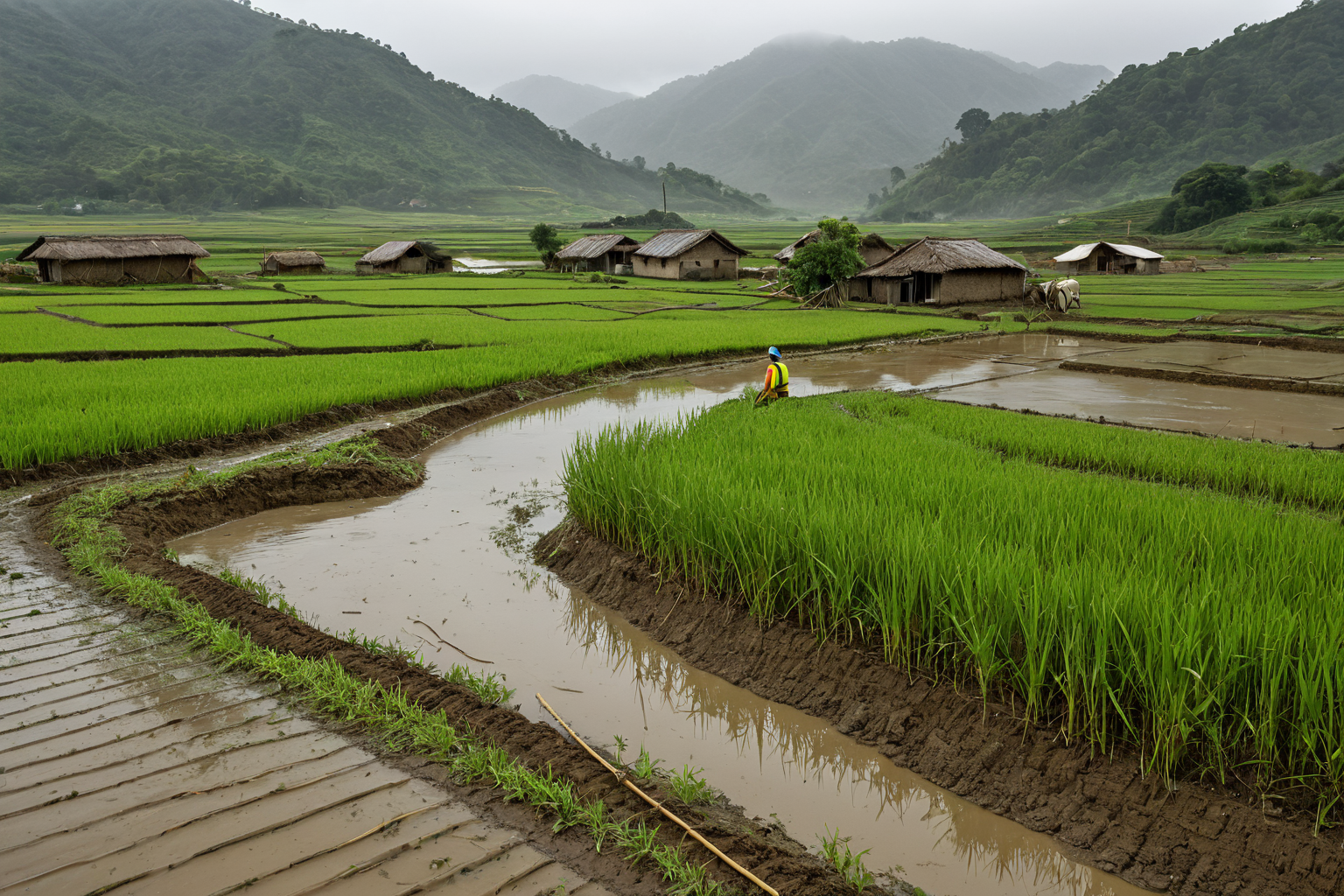
In mid-August 2026, extreme rainfall hit the Geoje and Tongyeong regions of South Gyeongsang Province, causing widespread agricultural damage. According to weather agency data, Geoje recorded 968.1mm of rain in a short period, nearly double the average August rainfall for the region, severely impacting farming productivity. The provincial government and Ministry of Agriculture, Food and Rural Affairs confirmed that 877 homes and 2,484 small businesses in Geoje qualified for support, while Tongyeong was additionally declared a special disaster area. This declaration signifies expanded government support aimed at economic recovery.
Recovery Efforts and Support Systems
The government and private organizations are working together to restore the affected areas. On August 20, the Ministry of National Defense announced deployment of 1,700 soldiers and 70 pieces of equipment for recovery efforts in Geoje and Tongyeong, addressing damage to riverside infrastructure and flooded roads. Samsung Fire & Marine Insurance provided 1,700 relief kits to affected customers, while the Government Procurement Service implemented emergency procurement support. Gyeongsangnamdo Agricultural Cooperative launched a 'Hopeful Hand' campaign visiting farms directly, with Chairman Kang Ho-dong pledging full support during an August 21 site visit—a move strengthening agricultural sector collaboration.
Insurance Claim Rejections and Compensation Process
Some farmers reported insurance claim rejections due to unmet coverage criteria. One farm that had cultivated tangerines for 40 years was denied compensation as their damage did not meet the insurer's standards, highlighting a mismatch between policy terms and actual losses. The Ministry of Agriculture is distributing guidance documents to clarify claims procedures, while Gyeongsangnamdo has simplified re-evaluation requests for rejected cases to reduce farmers' burdens.
Emergency Recovery Rate and Chuseok Restoration Goal
As of August 31, the emergency recovery rate in Geoje and Tongyeong reached 93.5%, indicating rapid progress. The government aims to fully restore all damage before Chuseok (Korean Mid-Autumn Festival), with enhanced support from the Ministry of Agriculture and Gyeongsangnamdo. On September 4, Tongyeong's full area was declared a special disaster zone, expanding available aid—a critical step for economic recovery and agricultural reconstruction.
Upcoming Schedule and Important Notes
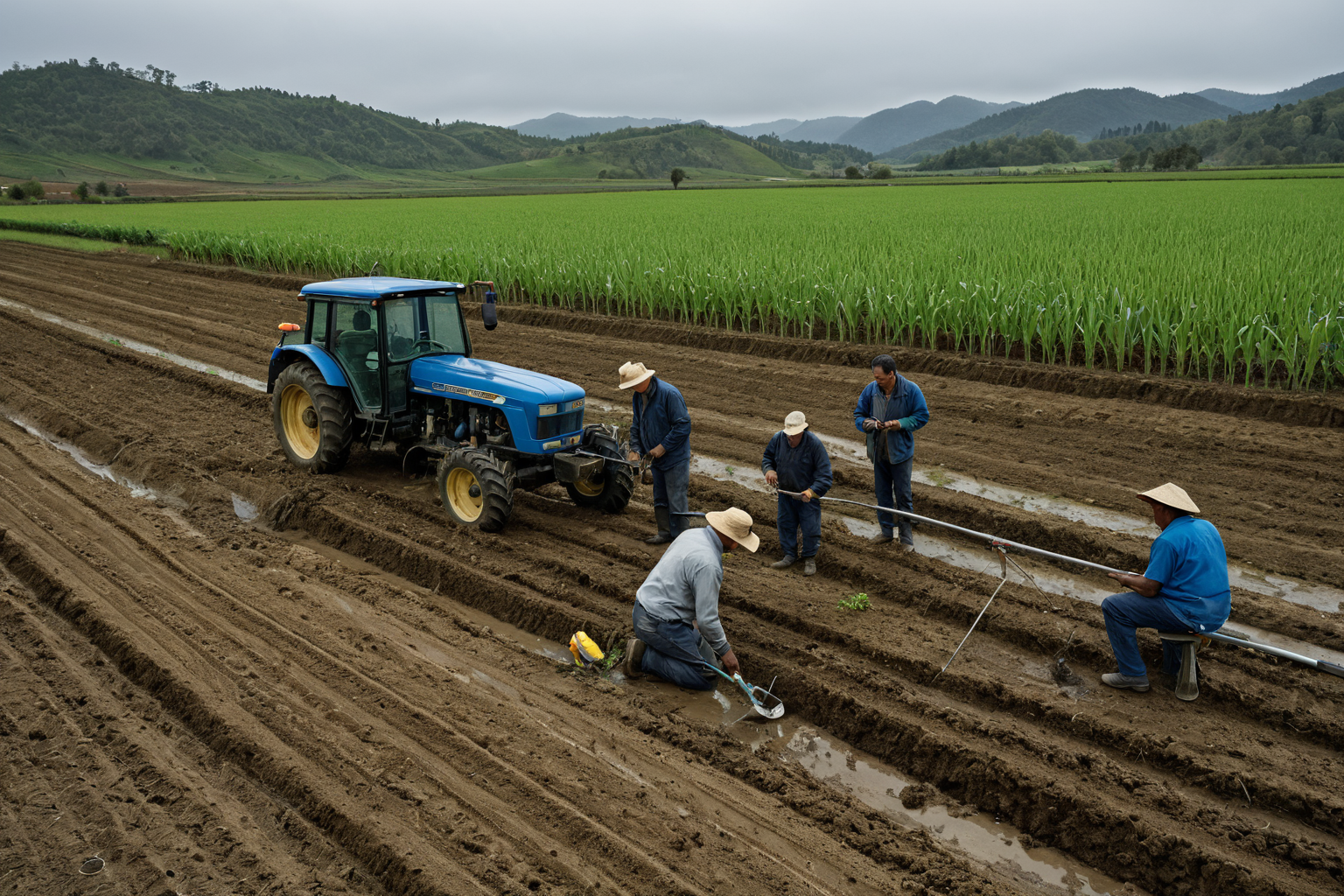
Key upcoming tasks include soil restoration for farming by mid-September and completing individual farm compensation procedures by early October. Gyeongsangnamdo plans to introduce special support programs to restore agricultural productivity in affected areas. Readers should verify government application processes, documentation requirements for claims, re-evaluation procedures for denied insurance payments, and soil improvement resources. Additional economic recovery policies are expected by late September, with updates available on the Gyeongsangnamdo website.
Damage Across Other Sectors
The floods impacted industries beyond agriculture: Hanwha Ocean and Samsung Heavy Industries halted operations for 17 days, adding economic strain. Damaged river infrastructure has heightened disaster risks, prompting emergency inspections by Gyeongsangnamdo. On August 25, the Government Procurement Service provided emergency procurement support for facility repairs—a key measure to alleviate industrial losses.
Important Information for Readers
Government compensation applications can be processed through Gyeongsangnamdo's website or agricultural cooperatives. Denied insurance claims may request re-evaluation directly with insurers or via the Ministry of Agriculture's consultation center. Free soil restoration materials are available at Gyeongsangnamdo Agricultural Technology Centers, accessible in person or online. Additional support programs for farming recovery will be announced by mid-September, with details on the Gyeongsangnamdo website.
FAQ
Q: What should I do if my insurance claim is denied?
A: If your damage does not meet the insurer's criteria, you can request a re-evaluation through the Ministry of Agriculture's consultation center.
Q: How do I apply for government compensation?
A: Obtain application documents from Gyeongsangnamdo's website or agricultural cooperatives and submit your form. Detailed procedures are available on the official site.
Q: Where can I get soil restoration materials?
A: Free soil improvement resources are distributed at Gyeongsangnamdo Agricultural Technology Centers, either in person or online.
You can find more articles on similar topics all in one place.
View Related ArticlesFAQ
What should I do if my insurance claim is denied?
If your damage does not meet the insurer's criteria, you can request a re-evaluation through the Ministry of Agriculture's consultation center.
How do I apply for government compensation?
Obtain application documents from Gyeongsangnamdo's website or agricultural cooperatives and submit your form. Detailed procedures are available on the official site.
Where can I get soil restoration materials?
Free soil improvement resources are distributed at Gyeongsangnamdo Agricultural Technology Centers, either in person or online.
Korean Source
This article is an English localization of a Korean-language report from BlogScore. Original: 거제 통영 폭우로 인한 농업 피해 규모와 보상 절차