
Five Key Strategies Behind the Collaboration Between Joo Jeong-sik and Kim Min-seok in South Korea's Political Landscape
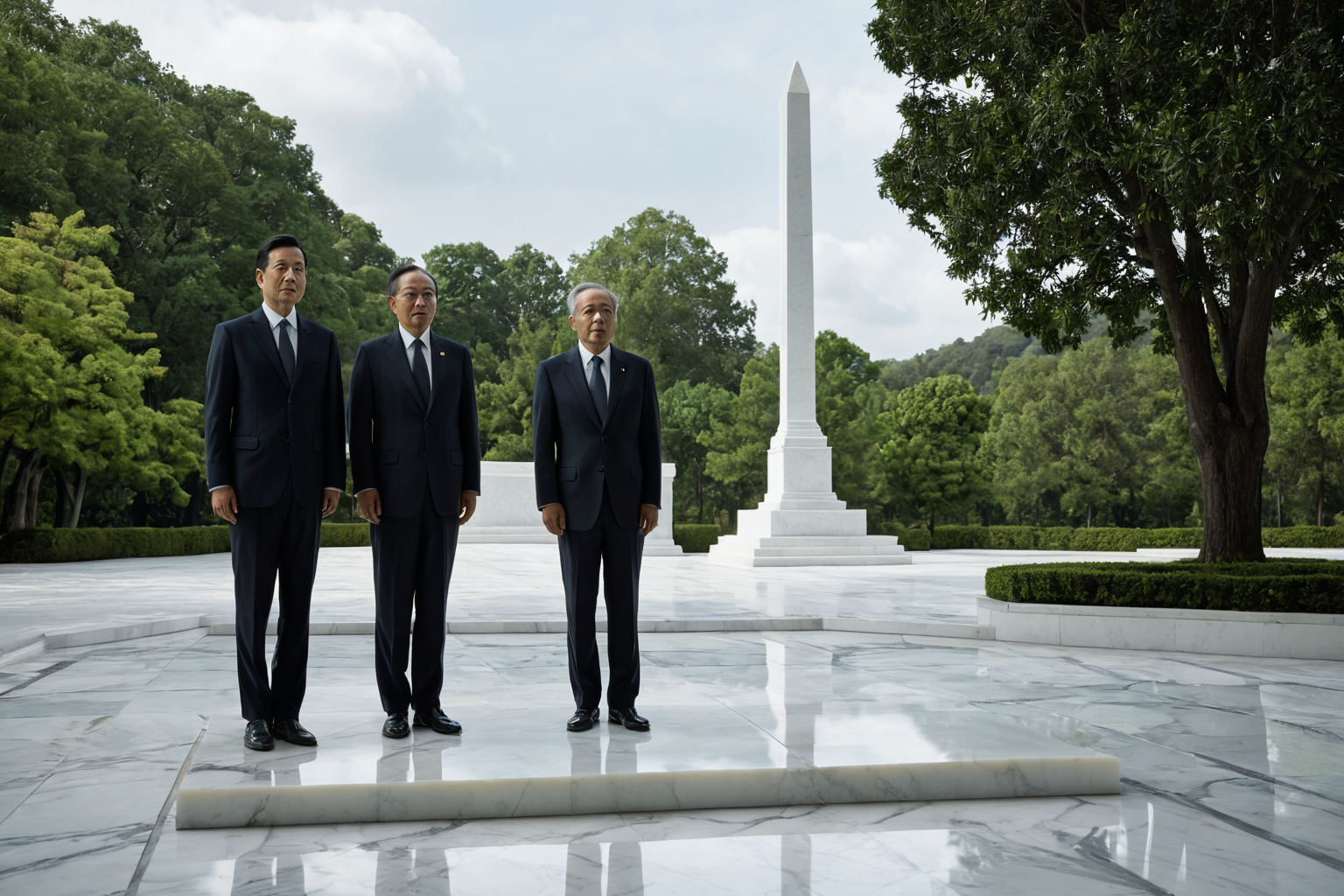
Core Strategies of Joo Jeong-sik and Kim Min-seok's Collaboration
National Assembly Speaker Joo Jeong-sik and Democratic Party leader Kim Min-seok met during the 17th anniversary memorial service for former President Kim Dae-jung on August 18, 2026. They discussed the demand to expel or suspend Member of Parliament Lee Jin-sook over her disparagement of the May 18 Gwangju Uprising. Following this meeting, news outlets reported their 'warm conversation' photo taken before the regular session opening ceremony on August 20, strengthening their cooperative relationship.
Expulsion Demand for Lee Jin-sook and Building Cooperation
Kim Min-seok argued that 'expulsion or a one-year suspension is necessary' regarding Lee Jin-sook's disparagement of the May 18 Gwangju Uprising, directly proposing this to Joo Jeong-sik. The discussion at the memorial service was analyzed as a strategic move to resolve internal Democratic Party conflicts and strengthen inter-party cooperation, demonstrating consistent party response.
The demand for Lee Jin-sook's expulsion is interpreted as a signal emphasizing party unity within the Democratic Party regarding the May 18 disparagement controversy. Joo Jeong-sik emphasized 'a parliament with integration and practical spirit,' showing his intention to improve inter-party relations.
Significance of the Memorial Service and Pre-Session Conversation
On August 18, 2026, during the 17th anniversary memorial service for former President Kim Dae-jung, photos captured Joo Jeong-sik and Kim Min-seok having a warm conversation. This became an important milestone showing the cooperative relationship between the new Democratic Party leader and the National Assembly Speaker. Subsequently, on August 20, news outlets like News1 and Nocut News published these photos, generating significant public reaction.
Before the opening ceremony of the regular session on September 1, Joo Jeong-sik held a pre-session conversation with Kim Min-seok to further solidify their cooperative relationship. This was interpreted as preparation for building trust and policy discussions between parties.
Background Behind the Expulsion Demand for Lee Jin-sook
Lee Jin-sook faced internal criticism within the Democratic Party due to her disparagement of the May 18 Uprising, leading to discussions on response strategies. Kim Min-seok proposed expulsion demands to Joo Jeong-sik, emphasizing the need for party unity and consistent responses.
The demand for Lee Jin-sook's expulsion is interpreted as an official stance by the Democratic Party regarding the May 18 disparagement controversy, a strategic choice to deliver a unified message within the party. Joo Jeong-sik emphasized 'a parliament with integration and practical spirit' at the memorial service, signaling intentions to improve inter-party relations.
Concrete Strategies for Strengthening Inter-Party Cooperation
Joo Jeong-sik and Kim Min-seok have held multiple meetings and warm conversations regarding Lee Jin-sook's expulsion demand to strengthen cooperation. This approach is analyzed as a strategy aiming simultaneously at resolving internal Democratic Party conflicts and improving inter-party relations.
Through the pre-session conversation before the regular session opening, they laid the groundwork for policy discussions, which is being evaluated as the first step toward strengthening inter-party cooperation. Joo Jeong-sik's emphasis on 'a parliament with integration and practical spirit' was interpreted as a message aimed at building trust between parties.
Significance of Memorial Service Remarks
At the memorial service for former President Kim Dae-jung's 17th anniversary, Joo Jeong-sik stated that 'the parliament will continue with an integrated and practical spirit.' This was interpreted as demonstrating determination to improve inter-party relations beyond internal Democratic Party conflicts. His remarks were received as a message to foster an integrated political culture in line with Kim Dae-jung's legacy.
This statement served as a strategy to simultaneously achieve two goals: consistent party response internally and strengthening inter-party cooperation. Combined with the expulsion demand for Lee Jin-sook, Joo Jeong-sik's remarks are seen as a turning point for redefining the Democratic Party's identity.
Future Outlook and Key Points to Watch
The cooperative relationship between Joo Jeong-sik and Kim Min-seok is expected to lead to more active policy discussions and cooperation between parties in the future. If inter-party cooperation intensifies during the regular session, it could contribute to improving political atmosphere.
Within the Democratic Party, there are expectations that a unified message delivery system will be strengthened following the expulsion demand for Lee Jin-sook. This can clarify the party's policy direction and serve as an important foundation for building trust between parties.
Necessary Information to Verify
The specific details of discussions between Joo Jeong-sik and Kim Min-seok regarding Lee Jin-sook's expulsion demand have not been publicly disclosed. However, the emphasis on consistent party response suggests this is a strategic choice for internal unity.
Further reporting is needed to determine the concrete impact of their warm conversation at the memorial service and pre-session meeting on improving inter-party relations. Particularly noteworthy will be how inter-party cooperation progresses after the regular session opening.

Frequently Asked Questions
1. What was Lee Jin-sook's disparagement of the May 18 Uprising?
The specific content of Lee Jin-sook's disparagement remarks regarding the May 18 Gwangju Uprising has not been publicly disclosed, but she faced internal criticism within the Democratic Party, leading to calls for her expulsion.
2. Why did Joo Jeong-sik emphasize 'a parliament with integration and practical spirit'?
Joo Jeong-sik aimed to convey a message of fostering an integrated political culture for improving inter-party relations. This is seen as a strategy to simultaneously resolve internal Democratic Party conflicts and strengthen inter-party cooperation.
3. What is the significance of the pre-session conversation before the regular session opening?
The pre-session conversation before the regular session opening was interpreted as preparation for building trust and policy discussions between parties, expected to contribute to strengthening future cooperation.
Frequently Asked Questions
Speaker Joo Jeong-sik and Democratic Party leader Kim Min-seok have demonstrated strategic movements to resolve internal party conflicts and strengthen inter-party relations, using the May 18 disparagement controversy as a catalyst. The expulsion demand for Lee Jin-sook, warm conversation at the memorial service, and pre-session meeting before the regular session opening all served as important milestones for improving inter-party relations and achieving consistent internal responses.
It is important to watch how the Democratic Party and inter-party cooperation will progress in the future, which could contribute to improving political atmosphere. Joo Jeong-sik's statement about 'a parliament with integration and practical spirit' is expected to serve as a turning point for redefining the Democratic Party's identity.
You can view similar articles on this topic in one place.
View Related ArticlesFAQ
What was Lee Jin-sook's disparagement of the May 18 Uprising?
The specific content of Lee Jin-sook's disparagement remarks regarding the May 18 Gwangju Uprising has not been publicly disclosed, but she faced internal criticism within the Democratic Party, leading to calls for her expulsion.
Why did Joo Jeong-sik emphasize 'a parliament with integration and practical spirit'?
Joo Jeong-sik aimed to convey a message of fostering an integrated political culture for improving inter-party relations. This is seen as a strategy to simultaneously resolve internal Democratic Party conflicts and strengthen inter-party cooperation.
What is the significance of the pre-session conversation before the regular session opening?
The pre-session conversation before the regular session opening was interpreted as preparation for building trust and policy discussions between parties, expected to contribute to strengthening future cooperation.
Korean Source
This article is an English localization of a Korean-language report from BlogScore. Original: 조정식 김민석 환담 블로그 운영의 핵심 전략 5가지