
Five Key Challenges and Solutions in Building South Korea's National AI Computing Center Infrastructure
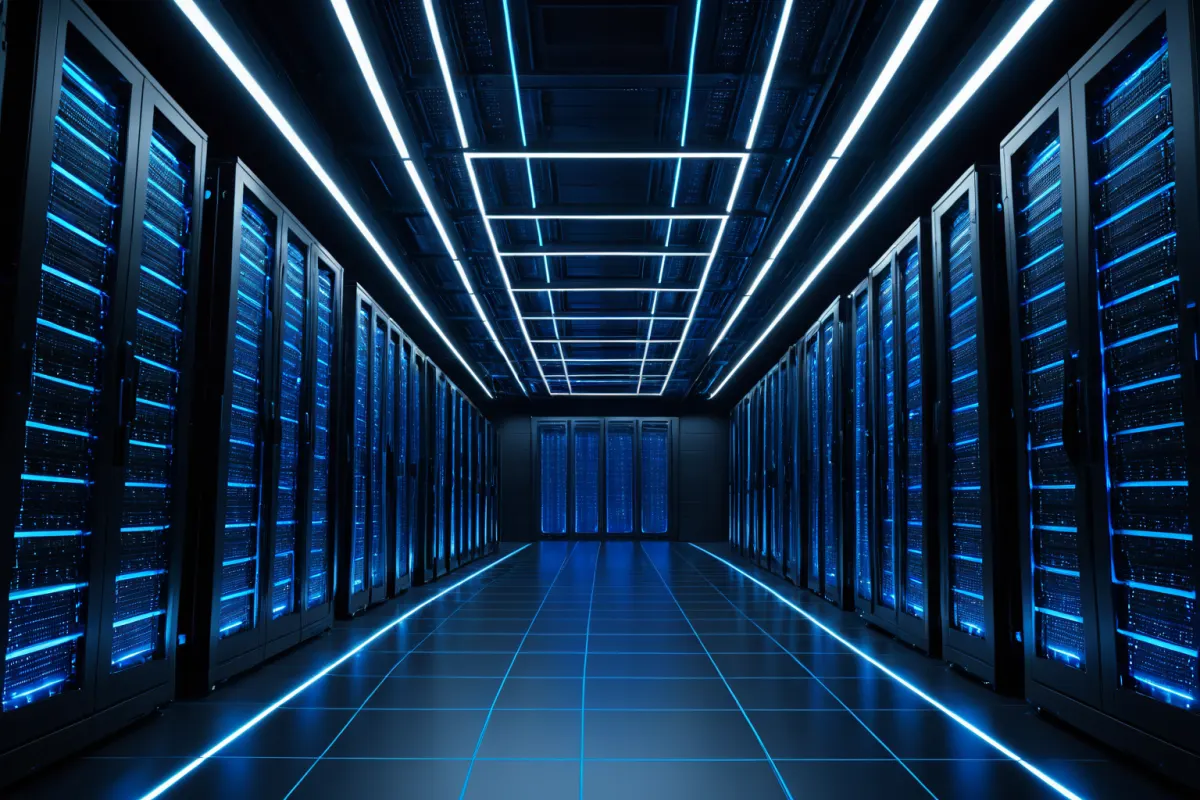
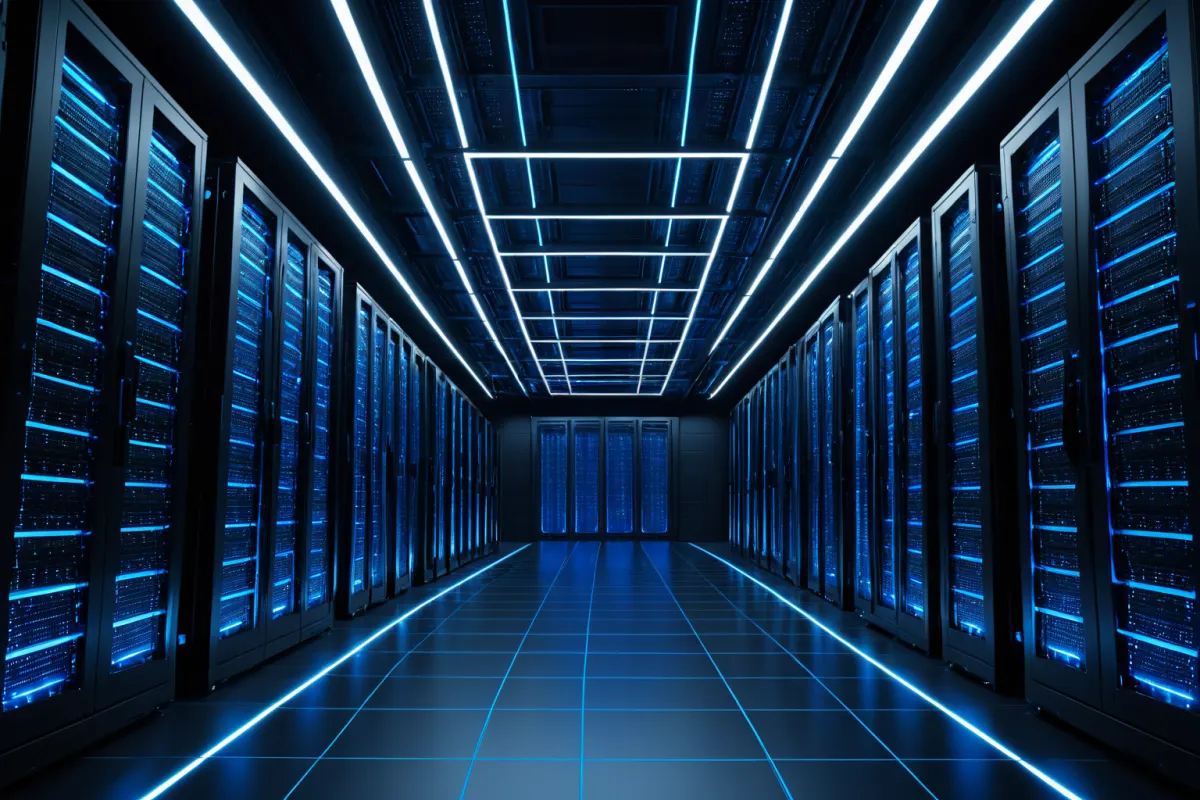
The most crucial aspect of building the National AI Computing Center infrastructure isn't simply installing many servers—it's about harmonizing training, inference, data storage, power supply, and operational systems all at once. It's not just about speed or cost savings; the key is designing a comprehensive structure that can reliably run large-scale AI.
Especially since the National AI Computing Center must meet public interest, security, scalability, and energy efficiency requirements—unlike private data centers—the infrastructure challenges extend far beyond equipment procurement. Below are common issues encountered and practical solutions to address them in order of priority.
Large-Scale GPU Resource Acquisition
The first major hurdle is securing sufficient high-performance GPUs. AI model training and inference require more power than standard servers can provide, so having enough GPUs is essential. However, it's not just about quantity—it's also critical to cluster devices of the same generation to minimize performance variation.
For example, if different GPU generations are mixed within a single center, resource allocation becomes complicated for operations teams. Large model training tends to concentrate on faster equipment while lightweight inference uses remaining resources. Thus, separating dedicated pools by purpose from the beginning is crucial.
The solution is clear: separate clusters for training, inference, and experimentation, designed as modular systems that can scale incrementally as demand grows. Rather than over-investing upfront, a structure that expands according to actual needs ensures long-term stability.
You can find similar articles in one place.
View Related ArticlesPower Supply and Cooling Design Challenges
AI computing centers consume significantly more power than regular data centers, with GPU servers using substantial electricity while generating considerable heat. Power supply and cooling must be addressed together—they often consume the most budget and time in planning.
Especially during peak summer periods or when long training sessions overlap, cooling efficiency can decline. Simple air conditioning isn't enough; how to distribute concentrated heat across different zones must also be considered. Server rack placement, airflow management, and dual power systems all play a role.
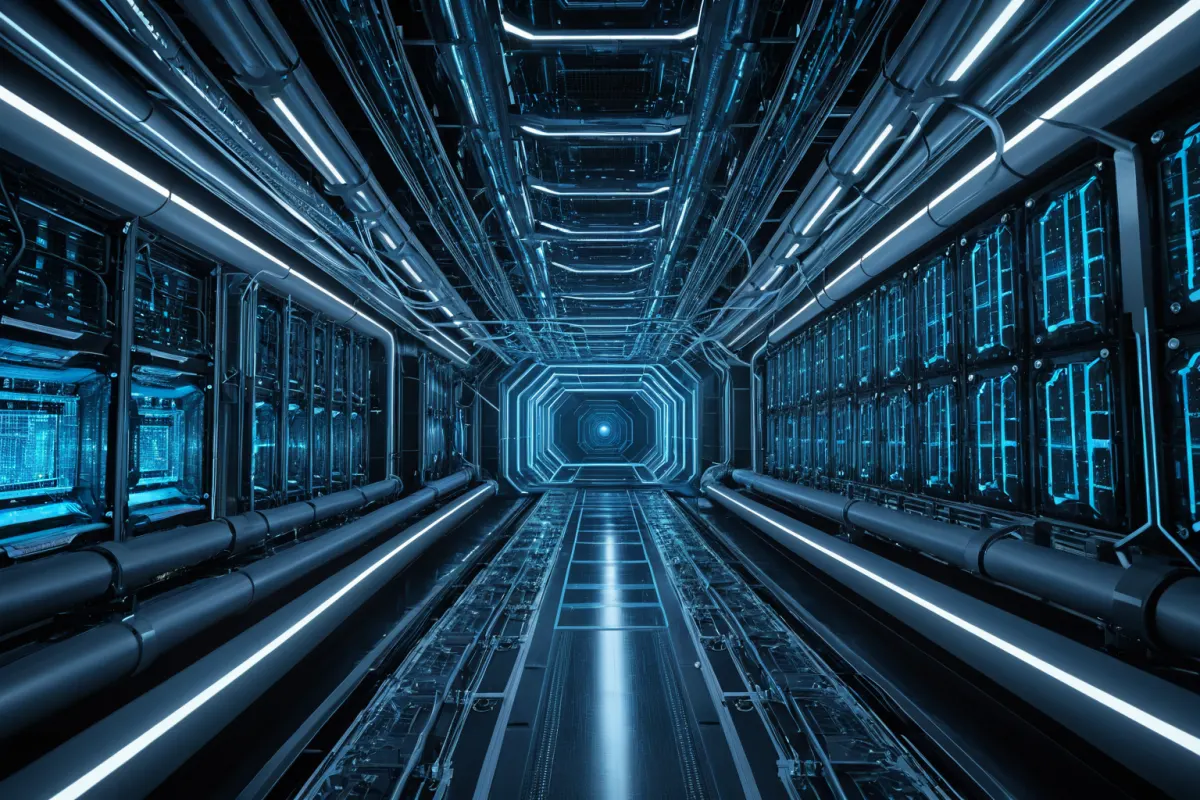
In practice, liquid cooling or high-density rack designs are often evaluated. However, the latest technology isn't always the best solution—maintenance complexity, initial investment costs, and operational team capabilities must also be considered. Power contracts and cooling methods should not be viewed separately but as part of an integrated package from the start.
Minimizing Network Latency Requirements
In AI centers, network performance is just as important as server speed. Large model training requires multiple nodes to communicate simultaneously, so any delay reduces overall efficiency. Similarly, inference services suffer if response times slow during peak user demand periods.
Thus, high-speed switches, low-latency networks, and sufficient internal bandwidth are essential. Simply increasing internet connection speeds isn't enough; how quickly GPUs can exchange data internally is often more critical for AI workloads. AI tasks are surprisingly sensitive to network bottlenecks.
For example, even with the same model, poor network configuration can increase training time or cause interruptions from minor disruptions. The solution involves implementing high-speed fabric structures and adding redundancy and alternative paths in key areas. Traffic separation should also be designed into operations for stability.
Data Storage and Security System Implementation
The National AI Computing Center isn't just a computing space—it's where large volumes of data flow, so storage performance matters, but security systems like access control and encryption are even more critical. As data grows, backup and recovery systems must also be in place.
AI data is often categorized into source training data, preprocessed data, and model outputs. Some of these may contain sensitive information that's difficult to export externally, so without fine-grained access control, security risks increase significantly. A single data leak can undermine not just technical capabilities but also policy trust.
Practically, it's common to separate storage based on speed needs versus archival importance rather than consolidating everything in one location. For instance, frequently accessed data is placed on high-speed storage while long-term archives use cost-efficient options. Adding access logs and approval processes can reduce operational burden.
Operational Automation and Failure Response Systems
As centers grow larger, manual operations become impractical. Tasks like resource allocation, usage monitoring, failure detection, and backup switching must be automated. While manageable at the tens-of-servers scale, hundreds of servers quickly exceed human capacity.
The importance of operational automation stems from reliability rather than efficiency alone. When failures occur, systems need to quickly identify affected servers and shift resources to alternative sections to prevent training interruptions or public service outages.
For example, if inference services slow on a particular node, the system should automatically reroute traffic to another node. Building this requires defining monitoring metrics, alert thresholds, and recovery procedures from the beginning—adding automation later often proves ineffective.
Budget Execution and Phased Expansion Strategy
Building a National AI Computing Center as a complete system upfront is difficult due to high equipment costs, power infrastructure, and cooling requirements. Therefore, phased construction rather than all-at-once development is more realistic.
The key here is prioritization: secure core computing resources first, then gradually enhance storage, networking, security, and automation features. Investing in top-tier specs for everything upfront can lead to high operating costs and low utilization rates.
For instance, Phase 1 might focus on securing a central GPU cluster and basic power infrastructure; Phase 2 could add enhanced cooling and network capacity; and Phase 3 would introduce multi-center coordination and advanced operational systems. This approach makes budget execution more transparent and allows adjustments based on actual demand.
Direction for National AI Computing Center Infrastructure Development
In the end, the core principle is not to view speed, power, network, security, and operations as separate elements but as an integrated system. The infrastructure must function organically rather than as isolated components—otherwise, even if one part excels, overall performance will fall short.
Therefore, a good development approach prioritizes creating expandable structures over excessive initial investment. The system should scale quickly with demand, remain functional during failures, and securely manage growing data volumes. As public infrastructure, reliability and sustainability are paramount.
A nation's AI competitiveness ultimately depends on this foundation. No matter how advanced models become, they're useless if the underlying infrastructure is unstable. Conversely, a solid infrastructure enables various institutions and industries to rapidly experiment and scale their AI applications.
FAQ
Q1. What should be secured first in National AI Computing Center infrastructure?
A1. Typically, GPU computing resources and power infrastructure are prioritized. Without sufficient power, even high-performance computing cannot operate; conversely, having only power without the right computing capabilities won't support actual AI workloads.
Q2. Must cooling solutions always use the latest technology?
A2. Not necessarily. The most important factor is selecting a solution that fits equipment density, budget constraints, and operational team capabilities. Simpler, easier-to-maintain structures may be more practical initially.
Q3. Is it better to complete center construction all at once?
A3. Generally, phased expansion is safer. Scaling according to demand and budget helps avoid over-investment and low utilization rates.
Note: National AI Computing Center policies and technical standards may change; for actual business planning, always refer to the latest official announcements and detailed project plans.
Continue exploring similar topics.
Browse Category ArticlesFAQ
What should be secured first in National AI Computing Center infrastructure?
Typically, GPU computing resources and power infrastructure are prioritized. Without sufficient power, even high-performance computing cannot operate; conversely, having only power without the right computing capabilities won't support actual AI workloads.
Must cooling solutions always use the latest technology?
Not necessarily. The most important factor is selecting a solution that fits equipment density, budget constraints, and operational team capabilities. Simpler, easier-to-maintain structures may be more practical initially.
Is it better to complete center construction all at once?
Generally, phased expansion is safer. Scaling according to demand and budget helps avoid over-investment and low utilization rates.
Korean Source
This article is an English localization of a Korean-language report from BlogScore. Original: 국가AI컴퓨팅센터 인프라 구축 과제 5가지와 해결 방향