
Fire Evacuation Procedures in Religious Sites: Real-Life Examples and Practical Steps
Key Steps in Religious Site Fire Evacuation Procedures
Fires at religious sites can occur unexpectedly. The first step in safety management is regularly inspecting fire alarms and evacuation routes. All members should know the locations of evacuation paths and fire extinguishers, especially with special plans for children and elderly individuals.
In a real case, quick response saved lives: clearly marked fire extinguishers and well-maintained evacuation routes allowed everyone to evacuate safely.
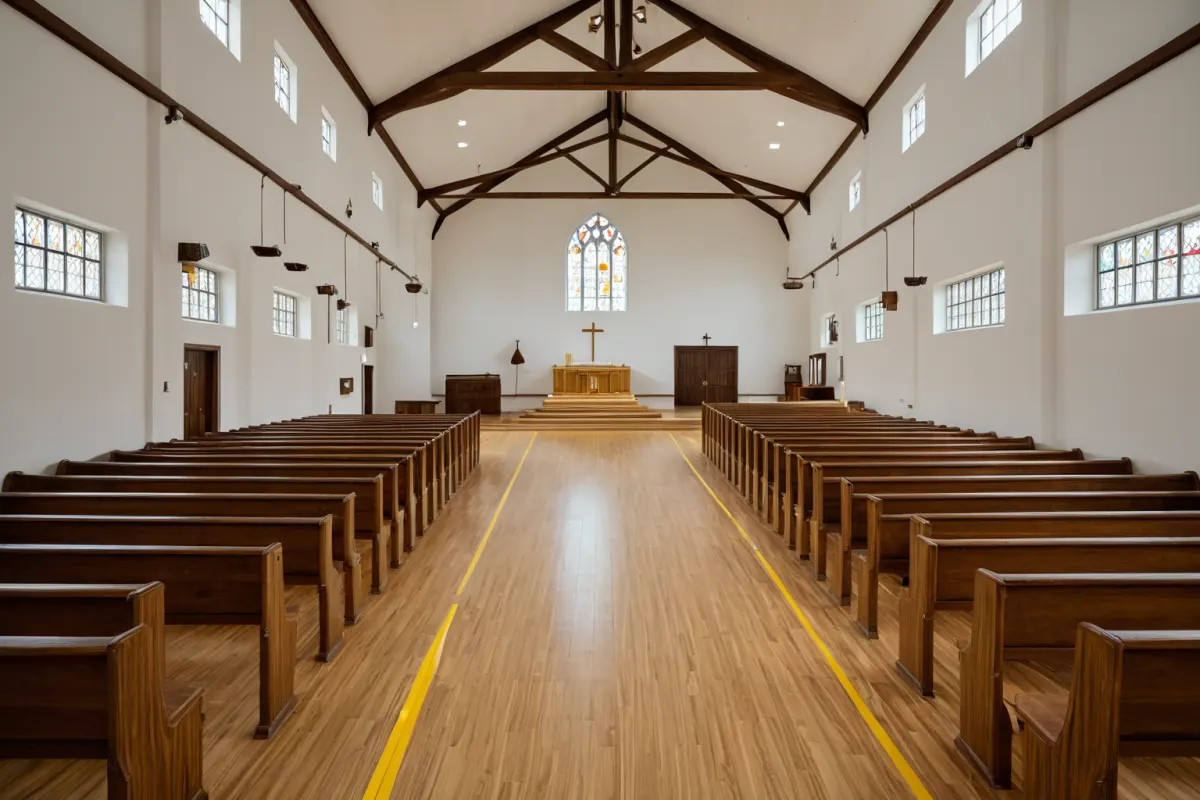
Fire evacuation procedures are not just rules but a systematic process responsible for members' safety. When designing evacuation paths, consider the building's structural features—such as distances between central aisles and side exits in churches, staircase width and height. Directional signs and glow-in-the-dark lighting should be installed to ensure visibility during nighttime or smoke conditions.
Effective execution requires clear communication between site managers and members. For example, forming a 'safety check team' to verify all members have evacuated, especially in large religious sites where confusion could arise.
Analyzing Real-Life Fire Evacuation Cases at Religious Sites
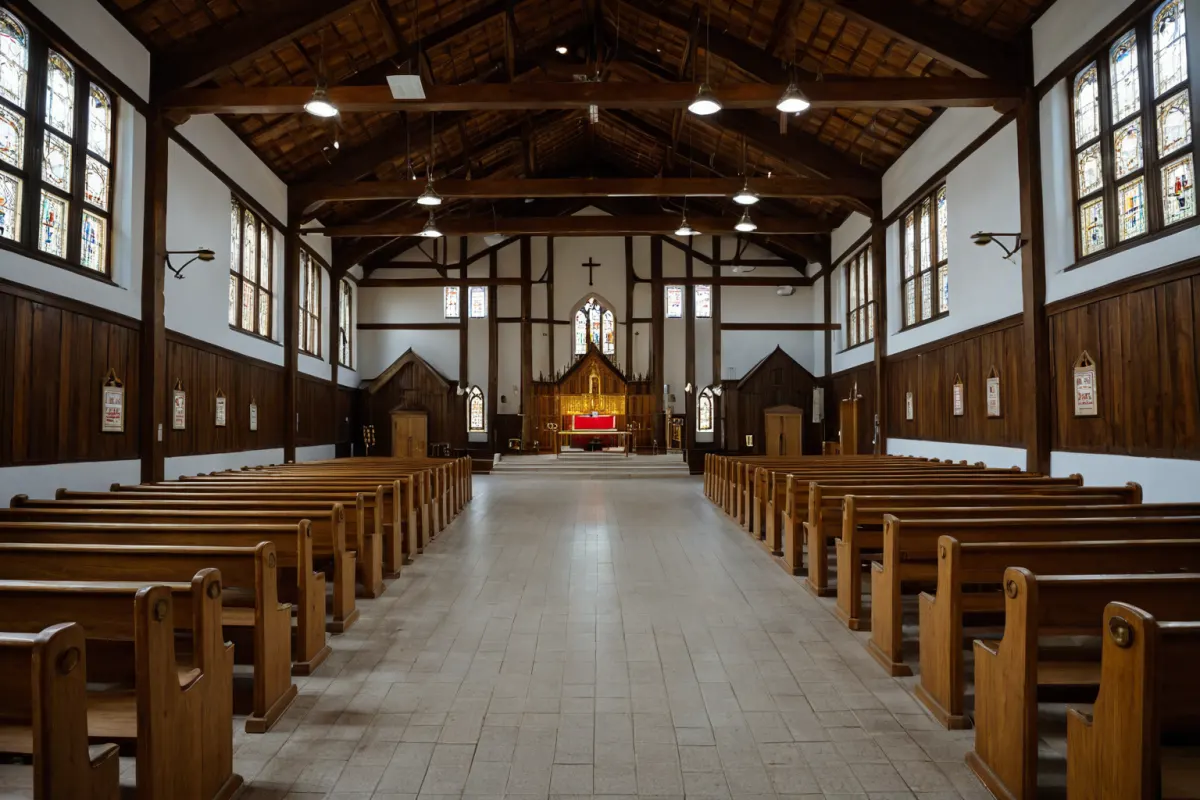
The biggest risk during a fire is panic. Evacuation routes should be pre-determined, as straight and obstacle-free paths leading to the nearest exits.
In one real case, all members evacuated safely within three minutes due to regular drills and quick alarm system response. Clear signage and lighting along evacuation routes were critical.
Successful cases show that regular evacuation drills prepare members to react quickly in actual emergencies. For instance, conducting at least two drills annually increases familiarity and minimizes confusion during crises. Drills should include various scenarios for better preparedness.
Fire extinguishers and alarm systems require regular checks. Fire alarms should be tested monthly, and fire extinguishers checked immediately after use to ensure recharging is complete. This prevents critical failures during actual fires.
Practical Steps for Fire Prevention at Religious Sites
Fire prevention is a core part of religious site management. Regular electrical inspections and replacing fire extinguishers are essential, especially in places like churches where electrical devices are frequently used.
All wiring should be regularly inspected to avoid overloads from outlets. Fire extinguishers should be checked monthly, with expired ones replaced immediately.
Additional prevention measures include turning off electrical devices after use—such as lighting and audio equipment in churches. Smoking should be prohibited inside the site or restricted to designated safe areas.
Another key check is smoke detectors: their presence and operational status must be confirmed regularly. Smoke detectors alert early, providing crucial time for evacuation, so they should be installed and maintained properly.
The Importance and Execution of Fire Evacuation Procedures
Evacuation procedures are a critical responsibility for site managers. All members must be familiar with the procedure and regularly practice through drills, especially children and elderly who require special attention.
Evacuation maps and clear path markings should be visible throughout the site, with all doors easily accessible. Members must take personal responsibility for safety until firefighters arrive.
The success of evacuation depends on both management preparation and member cooperation. For example, during an evacuation, teachers or guardians should quickly calm children and guide them along the route. Elderly members may need assistance from support equipment or by asking for help.
Fire Prevention and Response Checklist for Religious Sites
Key items to check include: fire extinguisher status; regular electrical inspections; clean evacuation routes; and testing of fire alarm systems.
These checks remove potential risks. Fire extinguishers and alarms should be checked monthly to confirm they are functional.
The checklist should also include smoke detector functionality, updated evacuation maps, and tests of emergency lighting. These ensure a quick response during fires.
Site managers should create and regularly update this checklist, recording results for systematic safety management.
Key Information on Religious Site Fire Evacuation Procedures
Managers must regularly verify that all members know the evacuation procedures. Drills should occur at least quarterly, with new members receiving training upon joining.
Evacuation path markings and lighting must remain clear and free of obstacles. Providing contact lists and emergency numbers to all members is also important for quick response.
Contact information should clearly link to fire departments, local police, and site safety officers for immediate assistance during emergencies.
Fire Evacuation Procedures FAQ
What should I do when the fire alarm sounds? Move quickly along the evacuation route, stay calm, and help others around you.
Where are fire extinguishers located inside the site? They are installed in all areas with clear markings for easy access.
What if an evacuation path is blocked? Find another route or move to a safe area and contact emergency services using the provided numbers.
You can view similar articles in one place.
View Related ArticlesFAQ
What should I do when the fire alarm sounds?
Move quickly along the evacuation route, stay calm, and help others around you.
Where are fire extinguishers located inside the site?
They are installed in all areas with clear markings for easy access.
What if an evacuation path is blocked?
Find another route or move to a safe area and contact emergency services using the provided numbers.
Korean Source
This article is an English localization of a Korean-language report from BlogScore. Original: 사역 화재 대피 절차 실제 사례: 안전 관리의 중요성과 구체적 실행 방법