
Fire Chief Choi Yong-chul Announces Plans to Strengthen Emergency Response Systems
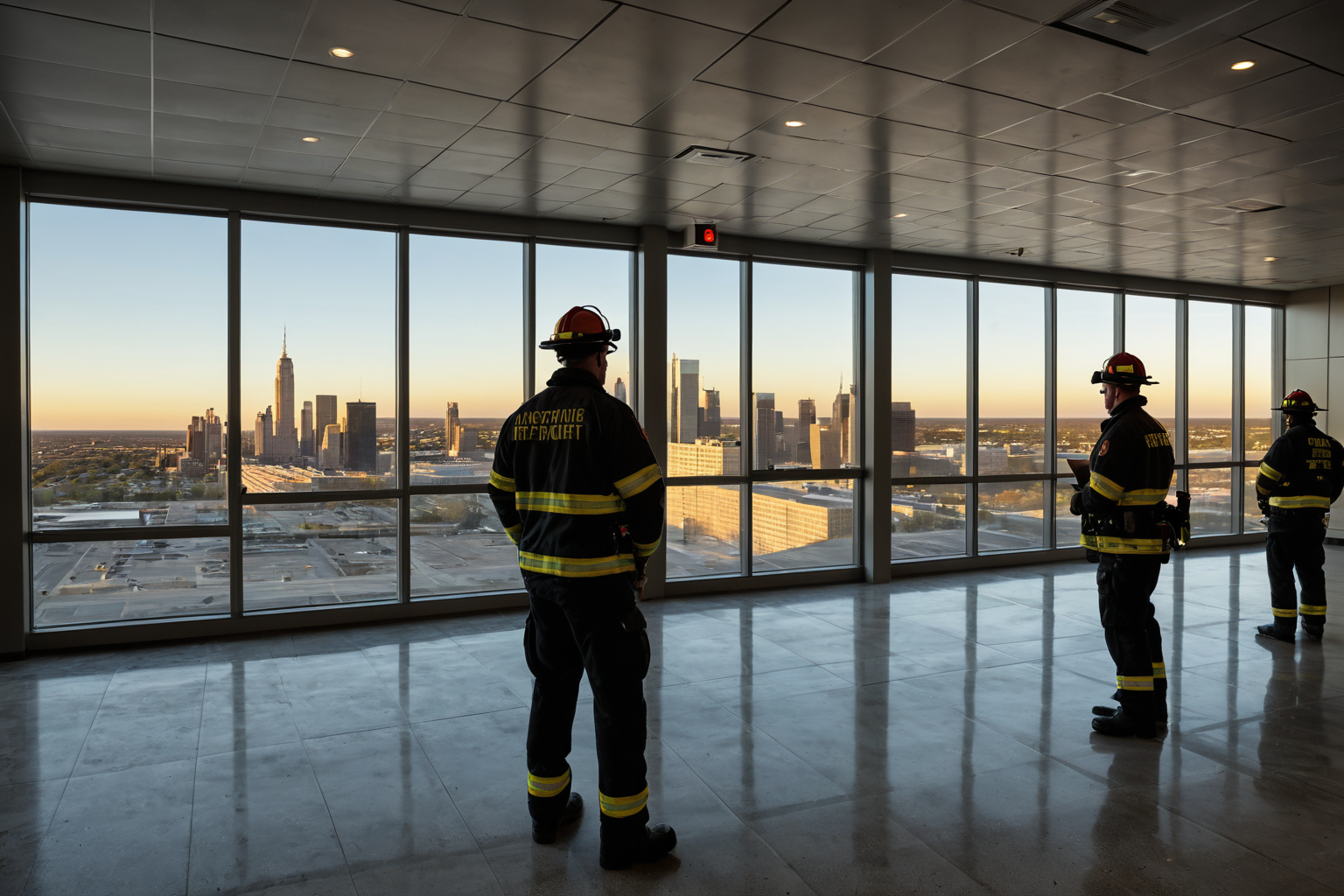
Choi Yong-chul, the newly appointed head of the Fire Administration, pledged to build "a reliable 119 service that is grounded in fundamentals and strong at the scene," with organizational culture reform and enhanced disaster response systems as key priorities. Appointed as the 8th Fire Administration Director on August 21, 2026, Choi plans to unveil a comprehensive plan for organizational culture reform by September 21. He emphasized the principle of "no exception based on rank" regarding issues of bullying and misconduct. Additionally, he announced plans to strengthen systems for responding to summer disasters such as heavy rain and heatwaves, along with investments in fire safety big data, unmanned robots, and AI technology.
Choi Yong-chul's Organizational Culture Reform Plan
On September 14, Choi emphasized the principle of "no exception based on rank" regarding bullying and misconduct issues, outlining directions for improving organizational culture. This aims to eliminate unreasonable hierarchical practices within the Fire Administration and establish a more scene-oriented operational approach. The comprehensive plan scheduled for release by September 21 will include thorough measures against bullying and misconduct, along with strategies to strengthen fire officials' job adaptation.
Notably, Choi stated that "to gain public trust, the Fire Administration must prioritize on-site service," indicating a strategic shift beyond internal discipline improvements toward faster and higher-quality responses at actual disaster sites.
At an award ceremony for an idea competition on fire safety big data on September 16, Choi stressed the importance of strengthening disaster prediction and response systems through big data. This aims to move away from passive post-disaster responses toward data-driven rapid decision-making systems.
Specific Measures for Strengthening Disaster Response Systems
To prepare for summer disasters, Choi convened an emergency inspection meeting on July 8 to assess flood preparedness and activated a situation task force proactively. This was aimed at establishing response systems in areas expected to face heavy rainfall.
On July 18, the nationwide fire response readiness was urgently inspected, with enhanced patrols in areas prone to flooding and landslides. Particularly, the Central Emergency Rescue Control Center was activated due to rising water levels at Pilseung Bridge, enabling faster responses during disasters.
A rapid response system for preventing fires in traditional markets is also underway. Given that traditional markets have a higher fire risk due to their characteristics, the Fire Administration is conducting direct on-site inspections and strengthening preventive measures.
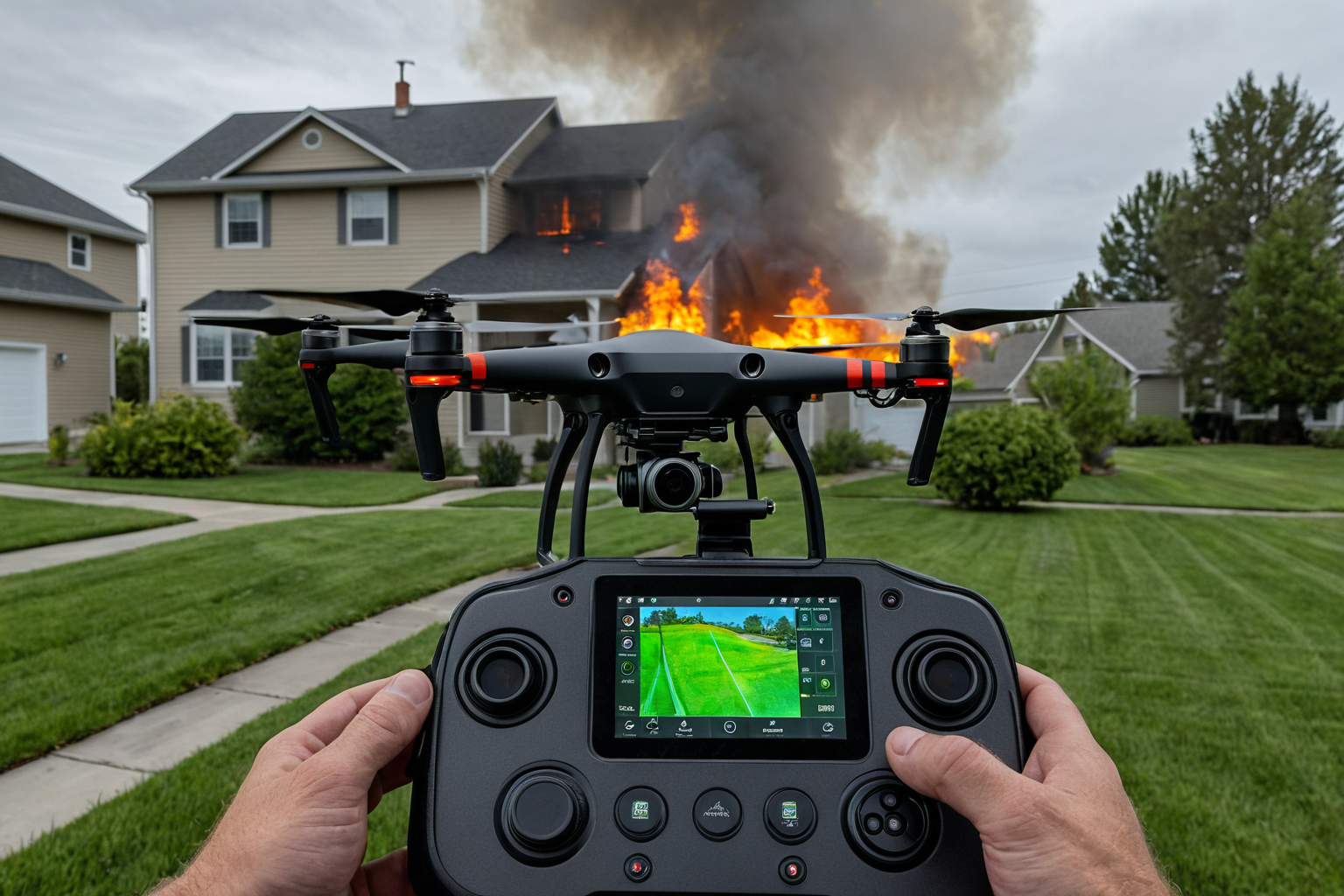
The Fire Administration plans to invest 37.13 billion won in unmanned robots and AI disaster response technology in its 2026 budget. This investment aims to reduce personnel risks during fires or rescue operations while enabling faster responses through innovative technology adoption.
Improving Disaster Response Systems Through Innovation
The Fire Administration is enhancing disaster prediction and response systems by utilizing fire safety big data, moving away from post-disaster responses toward a data-driven preventive system.
The investment plan for unmanned robots and AI technology aims to minimize personnel risks at disaster sites while enabling faster responses. Particularly, these technologies can be used in areas difficult to access due to fires or floods for information gathering and rescue operations, marking an innovative approach.
On September 16, the Fire Administration held an award ceremony for its idea competition on fire safety big data, aiming to gather diverse ideas for practical problem-solving at disaster sites. This strategy is designed to foster innovation that addresses real-world challenges.
The administration also plans to honor 69 outstanding firefighters with special awards to highlight positive internal examples and contribute to organizational culture improvement.
Key Measures Taken So Far
Since being appointed as the 8th Fire Administration Director on August 21, Choi has conducted organizational discipline inspections for summer disaster preparedness. This was particularly important given the expected heatwaves and heavy rains requiring quick response systems.
On July 8, an emergency inspection meeting for flood preparedness was held, with a situation task force activated proactively to establish response systems in areas expecting heavy rainfall.
On July 18, nationwide fire readiness was urgently inspected, and patrols were intensified in areas prone to flooding and landslides. The Central Emergency Rescue Control Center was activated due to rising water levels at Pilseung Bridge, enabling faster disaster responses.
On September 14, Choi announced the planned release of a comprehensive organizational culture reform plan by September 21, emphasizing improvements in internal culture alongside building public trust.
On September 16, an award ceremony for fire safety big data utilization and an idea competition was held, seen as the first step toward strengthening disaster prediction and response systems based on data.
Future Plans and Key Points to Watch
Choi plans to unveil a comprehensive organizational culture reform plan by September 21. This will include thorough measures against bullying and misconduct, along with a focus on scene-oriented operations.
The Fire Administration also plans to announce its investment in unmanned robots and AI disaster response technology through the 2026 budget, totaling 37.13 billion won. This aims to reduce personnel risks during fire or rescue operations while enabling faster responses through innovative technology adoption.
Notably, the use of fire safety big data and rapid response systems for preventing fires in traditional markets are expected to yield practical results as concrete examples. These represent not just technological adoption but a strategic approach focused on solving real-world problems at disaster sites.
Key Information to Verify
The specific details of Choi's organizational culture reform plan, scheduled for release on September 21, will include measures to address bullying and misconduct while outlining a scene-oriented operational direction.
The Fire Administration's investment in unmanned robots and AI technology is included in the 2026 budget, with further details about implementation timing and scope to be announced. This is expected to play a significant role in innovatively improving disaster response systems.
The Fire Administration is gathering practical solutions for on-site problem-solving through fire safety big data utilization and idea competitions. This approach is evaluated as more than just technological adoption, representing a strategic effort toward real improvement.
Frequently Asked Questions
Q: What plans does Choi Yong-chul intend to announce?
Choi Yong-chul plans to unveil a comprehensive organizational culture reform plan by September 21. This will include thorough measures against bullying and misconduct, along with a focus on scene-oriented operations.
Q: What innovative technologies does the Fire Administration plan to adopt?
The Fire Administration plans to invest 37.13 billion won in unmanned robots and AI disaster response technology. This is designed to reduce personnel risks during fires or rescue operations while enabling faster responses.
Q: How does the Fire Administration utilize fire safety big data?
The Fire Administration uses fire safety big data to strengthen disaster prediction and response systems, moving away from post-disaster responses toward a data-driven preventive system.
Frequently Asked Questions
Choi Yong-chul, the new head of the Fire Administration, aims to gain public trust by improving organizational culture and strengthening disaster response systems. The comprehensive plan scheduled for release on September 21 is expected to include specific measures addressing bullying and misconduct while promoting a scene-oriented operational approach.
The investment in unmanned robots and AI technology is anticipated to play a key role in innovatively improving disaster response systems. This is not seen as mere technological adoption but rather an approach focused on solving real-world problems at disaster sites.
Fire safety big data utilization and rapid response systems for preventing fires in traditional markets are gaining attention as concrete examples with practical results. These demonstrate how the Fire Administration's innovative approach applies to actual situations at disaster sites.
Under Choi's leadership, the Fire Administration is expected to grow into an organization prioritizing public safety. This will be achieved through strategic approaches starting from within the organization, rather than just technological adoption or policy changes.
You can view similar articles on this topic all at once.
View Related ArticlesFAQ
What plans does Choi Yong-chul intend to announce?
Choi Yong-chul plans to unveil a comprehensive organizational culture reform plan by September 21. This will include thorough measures against bullying and misconduct, along with a focus on scene-oriented operations.
What innovative technologies does the Fire Administration plan to adopt?
The Fire Administration plans to invest 37.13 billion won in unmanned robots and AI disaster response technology. This is designed to reduce personnel risks during fires or rescue operations while enabling faster responses.
How does the Fire Administration utilize fire safety big data?
The Fire Administration uses fire safety big data to strengthen disaster prediction and response systems, moving away from post-disaster responses toward a data-driven preventive system.
Korean Source
This article is an English localization of a Korean-language report from BlogScore. Original: 소방청장 최용철, 신속한 대응 체계 구축 계획 발표