
Exploring the 'Pro-Japanese Scanning Tool' Phenomenon in South Korea
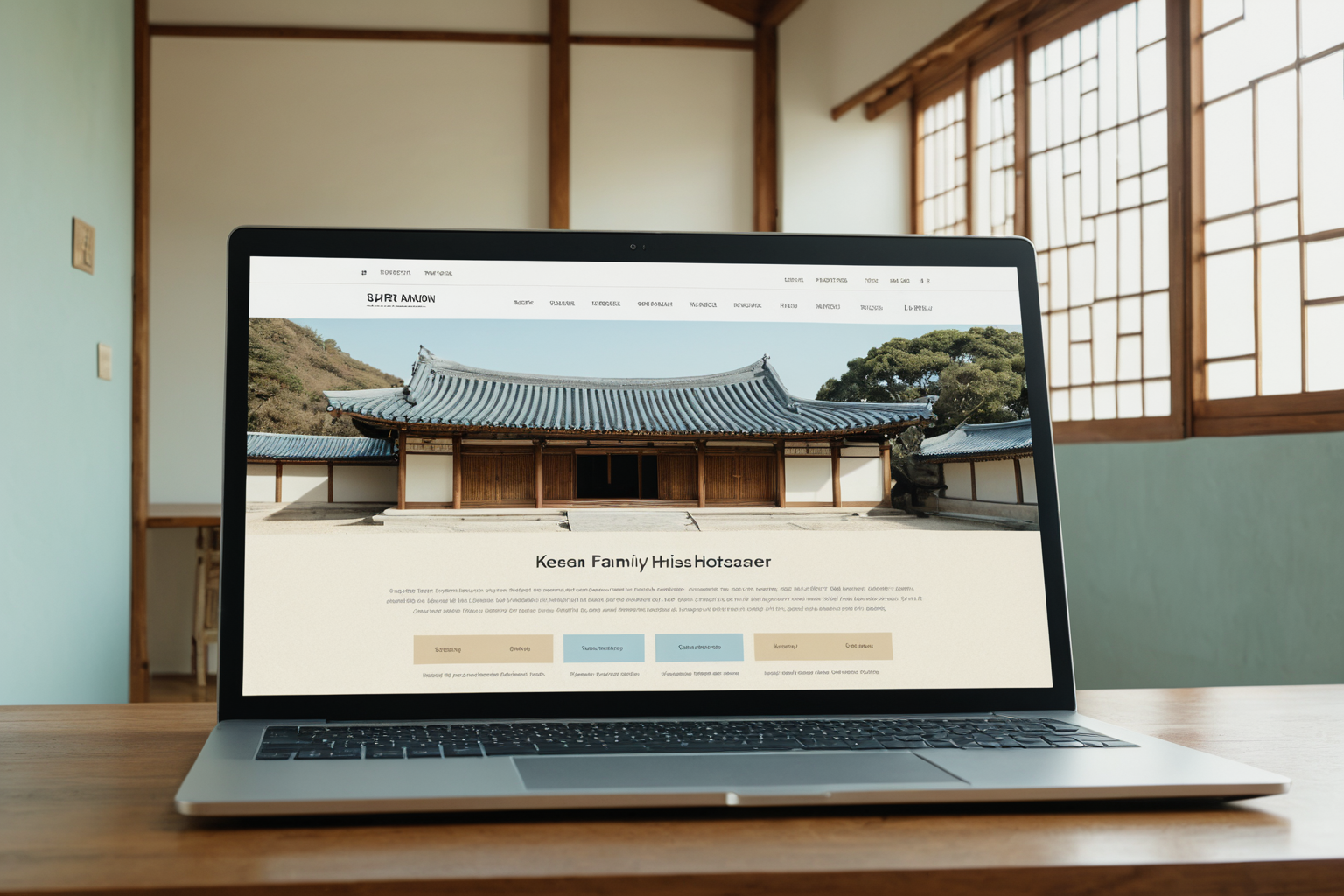
What is the Pro-Japanese Scanning Tool?
The Pro-Japanese Scanning Tool is an online service that lets users input their surname and ancestral home to discover if their ancestors were independence activists or collaborators during Japan's colonial period. The tool gained widespread attention in late 2026 after actor Ha Young's great-grandfather was identified as a collaborator, sparking public debate.
How the Service Works
Users enter their surname and ancestral home (bon-gwan) to see if their family history includes independence activists or pro-Japanese figures. The tool has been promoted alongside the 'family roots' trend leading up to Liberation Day (August 15), with multiple media outlets reporting on its growing popularity.
The service not only provides historical information about ancestors but also clearly explains the criteria for distinguishing between independence activists and collaborators, helping users avoid misunderstandings. It has become a starting point for many families to explore their historical background, as one user shared after discovering an ancestor who participated in the independence movement through their ancestral home 'Seorabeol.' This discovery led to family discussions about their heritage.
How the Service Spread
The tool gained attention on August 16, 2026, following controversy around Ha Young's great-grandfather. Media coverage by Daily Newspaper and Daily Economy on August 17 further spread awareness, with Weekly Chosun and Korea Daily reporting on August 18, leading to its appearance in the top search trends on Naver by August 20.
Online communities like Doku and Eomuk Korea played a significant role in spreading personal experiences. Users shared their findings about ancestors through these platforms, turning what began as simple information searches into social conversations that fostered family discussions about historical identity.
Background of the Service
The service emerged after actor Ha Young's great-grandfather was identified as a collaborator in August 2026. This incident sparked public interest, especially around Liberation Day (August 15), when many South Koreans were already engaged in exploring their family roots. The 'family roots' trend naturally brought attention to the Pro-Japanese Scanning Tool.
This trend wasn't just about tracing ancestry—it encouraged people to reflect on how their ancestors' independence movement experiences are carried forward in modern society.
Media Coverage of the Service
Weekly Chosun and Daily Newspaper highlighted the tool's background, emphasizing that entering an ancestral home allows users to check if their ancestors were activists or collaborators. The Confucian News analyzed how the service promotes reflection on family history.
Daily Newspaper noted on August 17 that the tool has become more than just a search tool—it serves as a catalyst for social conversations. Weekly Chosun reported on August 18 that reflections on family history are becoming a new social phenomenon, encouraging users to move beyond simple information searches into meaningful discussions about their heritage.
User Experiences with the Tool
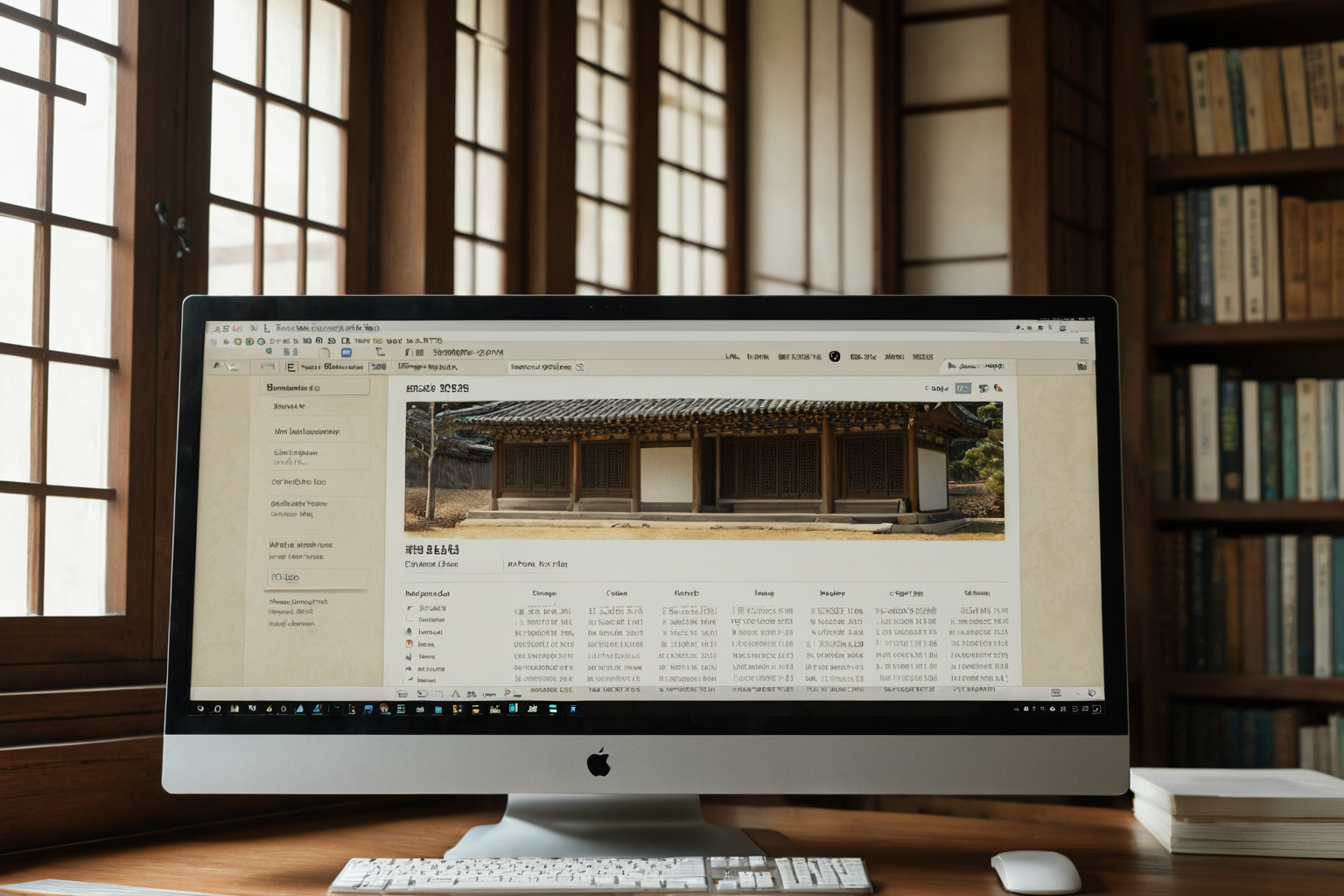
While specific user experience screenshots of the tool's interface are not widely available online, some community members shared stories like discovering an independence activist in their family through ancestral home 'Chungju Lee.' This led to sharing family stories about the independence movement. These exchanges have helped users move beyond simple information searches into a process of rediscovering their historical identity.
Social Impact
The Pro-Japanese Scanning Tool has become more than just an online tool—it's encouraged many South Koreans to reflect on their family histories and sparked social discussions. During the Liberation Day period in mid-August 2026, as part of the 'family roots' trend, it gained significant popularity.
Many families began discussing ancestors' historical backgrounds more openly, sharing stories related to independence movements. This has turned simple information searches into meaningful conversations about national identity and historical continuity.
Key Information About the Service
The Pro-Japanese Scanning Tool allows users to input their surname and ancestral home to check if ancestors were independence activists or collaborators during Japanese colonial rule. It became popular in mid-August 2026 alongside the 'family roots' trend leading up to Liberation Day.
Multiple media outlets including Weekly Chosun, Daily Newspaper, and Confucian News have reported on it. However, specific user experience screenshots are not widely available online, with most coverage focusing on the service's content and social impact rather than personal stories.
Frequently Asked Questions
What is the Pro-Japanese Scanning Tool?
An online tool that lets users input their surname and ancestral home to check if ancestors were independence activists or collaborators during Japan's colonial period.
When did the service first gain attention?
The tool began gaining attention on August 16, 2026, after controversy surrounding actor Ha Young's great-grandfather.
Which media outlets reported on it?
Weekly Chosun, Daily Newspaper, and Confucian News have covered the service extensively.
Explore more content related to this topic in one place.
View Related ArticlesFAQ
What is the Pro-Japanese Scanning Tool?
An online tool that lets users input their surname and ancestral home to check if ancestors were independence activists or collaborators during Japan's colonial period.
When did the service first gain attention?
The tool began gaining attention on August 16, 2026, after controversy surrounding actor Ha Young's great-grandfather.
Which media outlets reported on it?
Weekly Chosun, Daily Newspaper, and Confucian News have covered the service extensively.
Korean Source
This article is an English localization of a Korean-language report from BlogScore. Original: 친일파 스캐너 홈페이지 갈무리, 실제 사용자 경험 공유