
European Wildfires Spreading: Climate Change and Dry Summers as Key Factors
Key Causes of European Wildfire Spread: Climate Change and Heatwaves
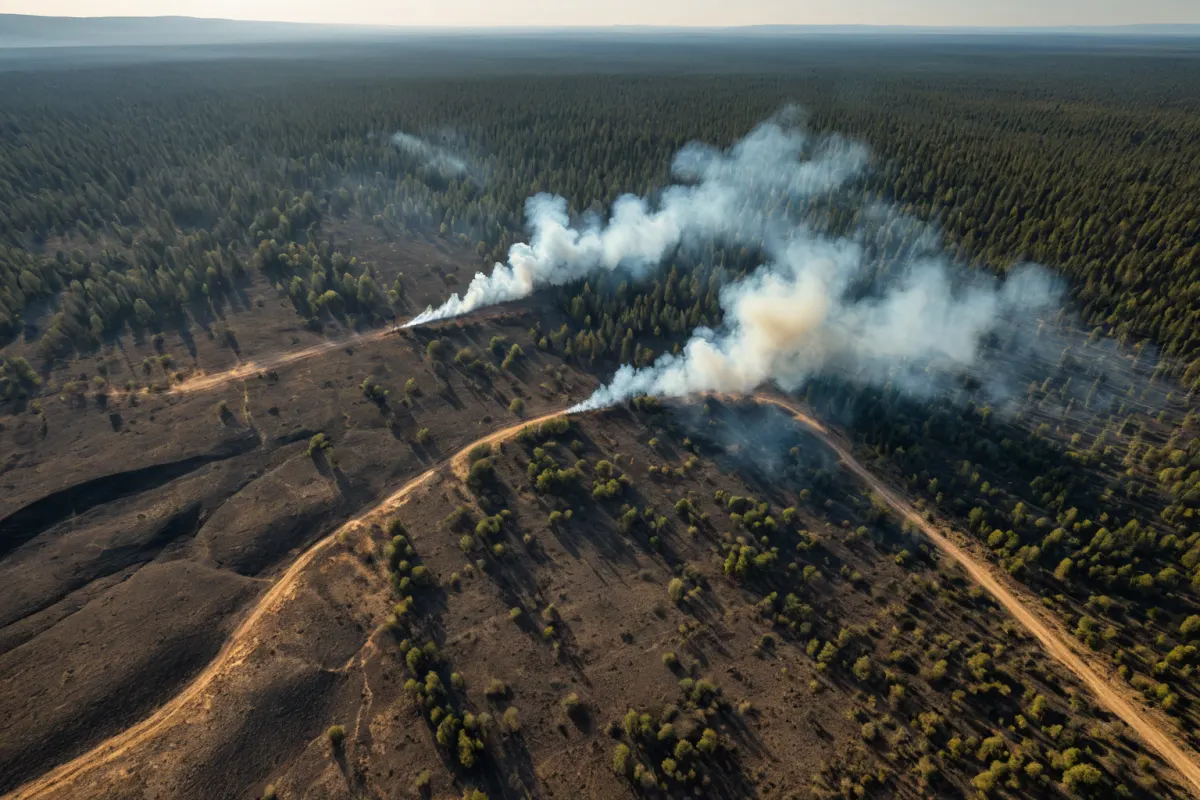
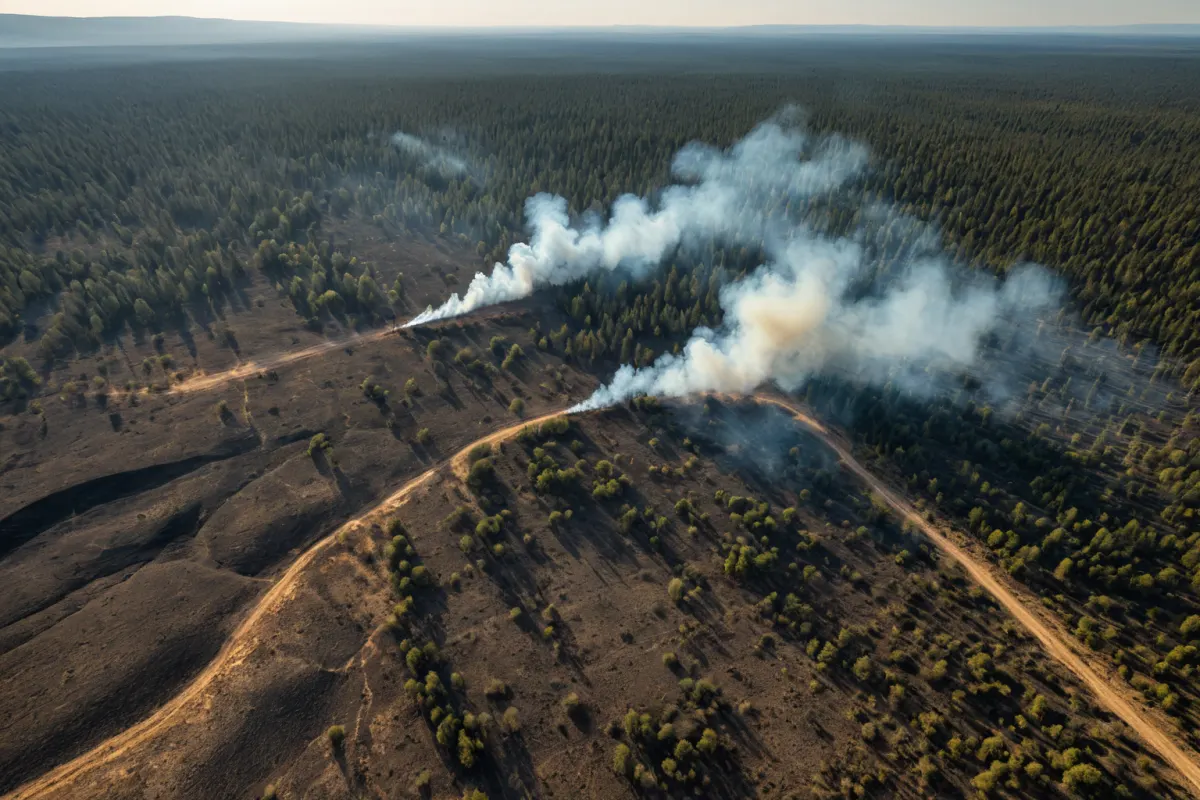
Recent large-scale wildfires across Europe are primarily attributed to extreme heatwaves and dry summers caused by climate change. Scientists report that climate change has increased both the frequency and scale of wildfires, with major fires once occurring every 100 years now happening approximately every decade.
You can view a collection of similar articles on this topic.
View Related ArticlesCurrent Situation and Scale of Wildfire Damage
In Spain, extreme heat, strong winds, and dry conditions have forced 92,000 people to evacuate, leading to the declaration of the country's first national emergency. In France, this year's largest wildfire has displaced 200,000 people, while at least 12 fatalities have been reported in Spain.
Wildfire seasons are now advancing by several weeks due to climate change, accelerating fire risks in Mediterranean regions. Europe is often referred to as the 'Continent of Fire,' with analysis indicating that climate change has had a decisive impact on wildfire spread.
Correlation Between Wildfire Frequency and Climate Change
Major wildfires, which historically occurred once every 100 years, are now happening roughly every decade due to climate change. This aligns with research indicating that climate change has increased the likelihood of large-scale fires by 40 times.
The wildfire season has advanced by several weeks across Europe, resulting in record-breaking fire activity. On September 19, 2025, European wildfires were reported as the most extensive on record, highlighting an accelerating cycle of climate crisis.
Analysis of Specific Causes Behind Wildfire Spread
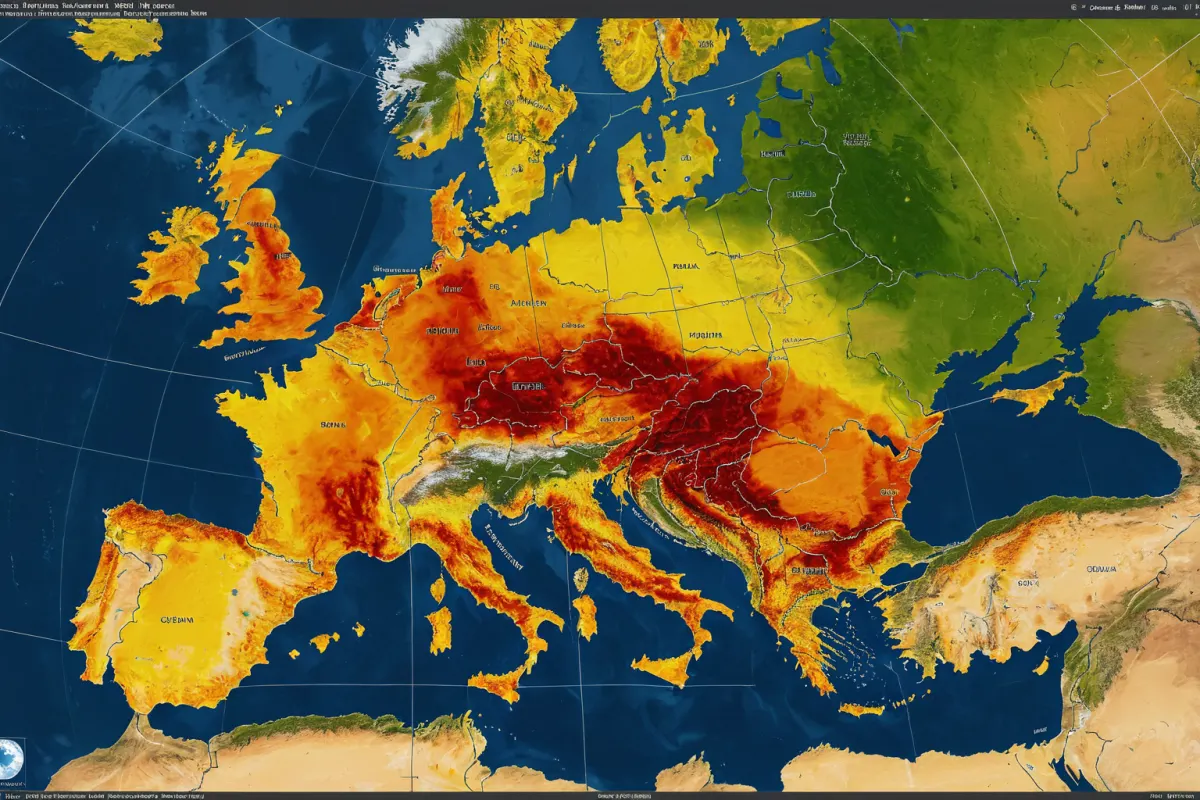
The main factors contributing to recent wildfire spread in Europe are extreme heat and dry summers driven by climate change. Fires ignited under temperatures exceeding 40°C, with at least 12 deaths reported in Spain.
Scientists emphasize that climate change has increased both the frequency and scale of wildfires, while 'flash droughts' in European regions have exacerbated water shortages and fire risks. This serves as a warning about how heat domes caused by climate change can impact global weather patterns.
Climate change-induced worsening air pollution has reportedly led to 4.5 million premature deaths, demonstrating that wildfire impacts extend beyond immediate fire damage to broader health consequences.
Response Efforts and Need for International Cooperation
Spain declared a national emergency and carried out large-scale evacuations, while France saw 200,000 people displaced by this year's largest wildfire. These events underscore the need for international action on climate change.
In a scenario where wildfire likelihood has increased 40-fold, European nations must develop comprehensive climate response strategies and strengthen fire prevention and emergency systems through international cooperation. Mediterranean regions, which naturally face higher fire risks, are seeing these risks accelerate due to climate change.
Warnings have emerged that wildfires in Canada could impact Europe as well, illustrating the global nature of climate change. Europe's 'Continent of Fire' moniker highlights the urgency for immediate action on climate change.
Confirming the Relationship Between Wildfire Damage and Climate Change
Analysis of European wildfire causes confirms that extreme heatwaves and dry summers driven by climate change have been decisive in spreading fires. Temperatures exceeding 40°C led to fire outbreaks, with at least 12 deaths reported in Spain.
Research aligns with Europe's situation, showing that climate change has advanced the wildfire season by several weeks and increased the risk of large-scale fires. This demonstrates how climate change affects not just temperature rises but also ecosystems and social structures.
The report linking 4.5 million premature deaths to worsened air pollution from wildfires highlights that climate change impacts extend beyond natural disasters, posing serious threats to human health and societal safety.
Necessary Information Verification and Further Research
The reported scale of wildfire damage includes 92,000 evacuations in Spain, 200,000 displacements in France, and at least 12 fatalities. However, the research claiming climate change has increased fire likelihood by 40 times requires further verification.
Reports that wildfire seasons have advanced by several weeks also need confirmation through precise data. Additionally, more detailed information is needed regarding 'flash droughts' and Europe's water scarcity situation for a comprehensive understanding.
Frequently Asked Questions
How are European wildfires related to climate change?
Climate change-driven heatwaves and dry summers are the primary causes of European wildfires. Major fires that once occurred every 100 years now happen roughly every decade, with wildfire seasons advancing by several weeks.
What is the scale of damage from European wildfires?
In Spain, extreme heat, strong winds, and dry conditions have led to 92,000 evacuations. In France, this year's largest wildfire displaced 200,000 people, with at least 12 reported deaths in Spain.
What is the impact of climate change on wildfires?
Climate change has reportedly increased wildfire likelihood by 40 times and contributed to 4.5 million premature deaths due to worsened air pollution. Additionally, heat dome effects from climate change can affect regions beyond Europe.
Frequently Asked Questions
European wildfires are spreading directly as a result of climate change, with extreme heat and dry summers being the main factors. Major fires that once occurred every 100 years now happen approximately every decade, while Spain declared its first national emergency due to these events. Climate change is having severe impacts beyond simple temperature increases, affecting ecosystems and social structures.
The link between wildfire-related air pollution worsening and 4.5 million premature deaths shows that climate change not only causes natural disasters but also poses serious threats to human health and societal safety. European nations must develop climate response strategies and strengthen international cooperation for fire prevention and emergency systems.
With the acceleration of climate change, wildfire risks are expected to grow further, making comprehensive responses urgent. Europe's experience serves as a global warning that all countries need to prepare for climate change impacts.
Continue exploring similar topics.
Browse Category ArticlesFAQ
How are European wildfires related to climate change?
Climate change-driven heatwaves and dry summers are the primary causes of European wildfires. Major fires that once occurred every 100 years now happen roughly every decade, with wildfire seasons advancing by several weeks.
What is the scale of damage from European wildfires?
In Spain, extreme heat, strong winds, and dry conditions have led to 92,000 evacuations. In France, this year's largest wildfire displaced 200,000 people, with at least 12 reported deaths in Spain.
What is the impact of climate change on wildfires?
Climate change has reportedly increased wildfire likelihood by 40 times and contributed to 4.5 million premature deaths due to worsened air pollution. Additionally, heat dome effects from climate change can affect regions beyond Europe.
Korean Source
This article is an English localization of a Korean-language report from BlogScore. Original: 유럽 산불 확산 주요 요인: 기후 변화와 건조한 여름