
Essential Summer Heatwave Preparedness Checklist: Home, Workplace, and Outings


Essential Pre-Heatwave Preparation Checklist
Heatwave preparedness requires thorough preparation at home, work, and during outings. Checking your electric vehicle's charger and battery status is essential when driving, while construction sites implement focused prevention periods for heatstroke during extreme temperatures. When the perceived temperature exceeds 31°C, a 10-minute rest is recommended, and manufacturing and logistics companies are strengthening on-site management. Heatwave preparedness goes beyond individual preparation—it requires collaboration across society, with active participation from government, businesses, and citizens.
Heatwave Preparedness at Home
When facing heatwaves at home, it's advisable to set air conditioners and fans above 26°C for energy savings. Especially when driving electric vehicles, checking the charger and battery status in advance ensures stable operation during extreme heat. Gyeonggi Province is promoting low-carbon urban lifestyles to address climate change, encouraging households to use energy-efficient electronics. Improving indoor ventilation is also important—open windows and doors to encourage natural airflow, and use curtains or blinds made from absorbent natural materials to prevent indoor temperature rise.
Heatwave Preparedness at Work
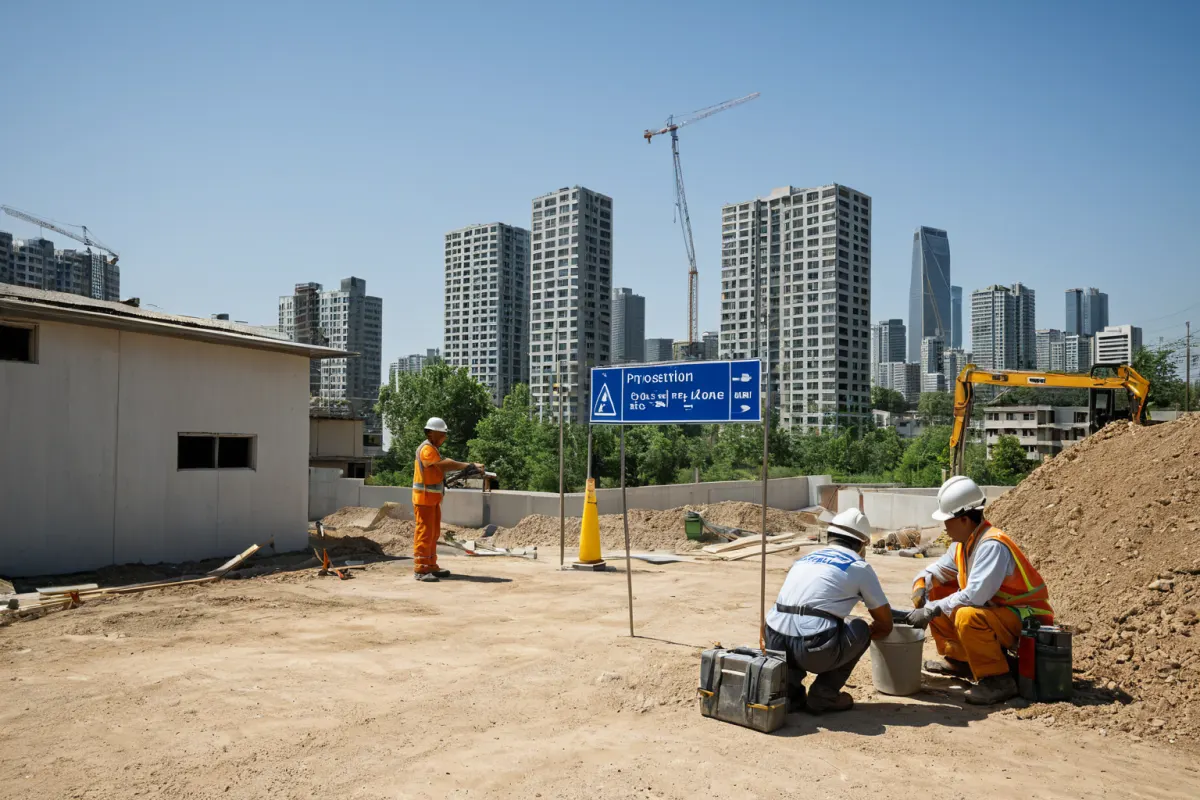
Construction sites and manufacturing/logistics companies are strengthening on-site management for heatwave response. DL E&C launched a campaign of five basic rules for heatwave preparedness starting June 10, 2025, initiating focused periods to prevent heatstroke at construction sites. When perceived temperatures exceed 31°C, a 10-minute rest is recommended—a policy designed to ensure worker safety.
Confederation of Korean Trade Unions (KCTU) has established an 'Heatwave Monitoring Team' this year, promising practical protection of rest and work stoppage rights. This supports workers in safely working during heatwaves. Additionally, construction sites are adjusting work hours—minimizing outdoor work between 8 AM and 2 PM when temperatures are highest, and concentrating tasks in the evening to improve site management.
Heatwave Preparedness for Outings
When going out, a 10-minute rest is recommended if perceived temperature exceeds 31°C. Vehicle checks—including tinting, air conditioning, and tire condition—are essential. KT is implementing heatwave measures alongside the Suwon Water Festival, providing guides for safe enjoyment during outings.
Heatstroke-related accidents have occurred in 156 cases over five years, with one out of every five victims being a foreign worker. This highlights the importance of heatwave preparedness, especially since foreign workers may face language barriers accessing heatwave information—making multilingual support systems and government-level tailored guidance essential.
Real-World Examples of Heatwave Response
Chungsong County operates indoor rest areas specifically for foreign workers and vulnerable groups, providing cooling facilities and water. Manufacturing/logistics companies are enhancing on-site inspections and training to respond to heatwaves. A heatwave preparedness checklist was released on June 26, 2025, guiding households and workplaces on preparation methods.
Heatwave Response Policies and Measures
Various policies address heatwave preparedness in response to climate change. On July 27, 2024, measures to prevent heatstroke accidents at retail sites were strengthened. DL E&C began its five basic rules campaign on June 10, 2025. A heatwave checklist was published on June 26, 2025.
KT will implement heatwave measures alongside the Suwon Water Festival on July 15, 2025, providing guides for safe outdoor enjoyment. Tata Motors Korea (Tata Daewoo Mobility) offered free vehicle inspections including air conditioning, battery, and tire checks as part of a no-charge service from August 3, 2026, to ensure stable vehicle operation during heatwaves.
The Importance and Future Outlook of Heatwave Response
Industrial safety regulations are set to improve, with stricter laws on heatwave preparedness expected starting in 2025. Over five years, there have been 156 cases of heatstroke-related accidents, with a high proportion involving foreign workers. This underscores the need for an environment where all workers can safely perform their duties.
HJ Heavy Industry conducted safety management inspections at construction sites on August 6, 2024, emphasizing the importance of heatwave response. Gyeonggi Province continues to promote low-carbon urban lifestyles as part of climate change response, making energy-efficient usage at home and work increasingly important. Additionally, government and businesses are expanding education programs to help workers recognize and respond to heatwave risks independently.
Heatwave Preparedness Checklist Verification Points
When a heatwave warning is issued and perceived temperatures exceed 31°C, mandatory measures are required on-site. Vehicle checks—including tinting, air conditioning, and tire condition—are essential. Manufacturing/logistics companies are strengthening on-site management for heatwave response. Additionally, personal temperature monitoring systems now allow for faster responses to heatwaves.
Frequently Asked Questions
How many heatstroke-related accidents have occurred over the past five years?
156 cases occurred over five years, with a higher proportion involving foreign workers.
What should be done when perceived temperature exceeds 31°C?
A 10-minute rest is recommended, and mandatory measures are required on-site.
How do construction sites prepare for heatwaves?
DL E&C has launched a campaign of five basic rules and initiated focused periods to prevent heatstroke during extreme temperatures.
You can find similar articles in one place.
View Related ArticlesFAQ
How many heatstroke-related accidents have occurred over the past five years?
156 cases occurred over five years, with a higher proportion involving foreign workers.
What should be done when perceived temperature exceeds 31°C?
A 10-minute rest is recommended, and mandatory measures are required on-site.
How do construction sites prepare for heatwaves?
DL E&C has launched a campaign of five basic rules and initiated focused periods to prevent heatstroke during extreme temperatures.
Korean Source
This article is an English localization of a Korean-language report from BlogScore. Original: 폭염 대비 필수 체크리스트: 가정, 직장, 외출 시 준비 방법