
Essential Materials for Press Conferences: Press Releases, Photos, and Fact-Checking Tips
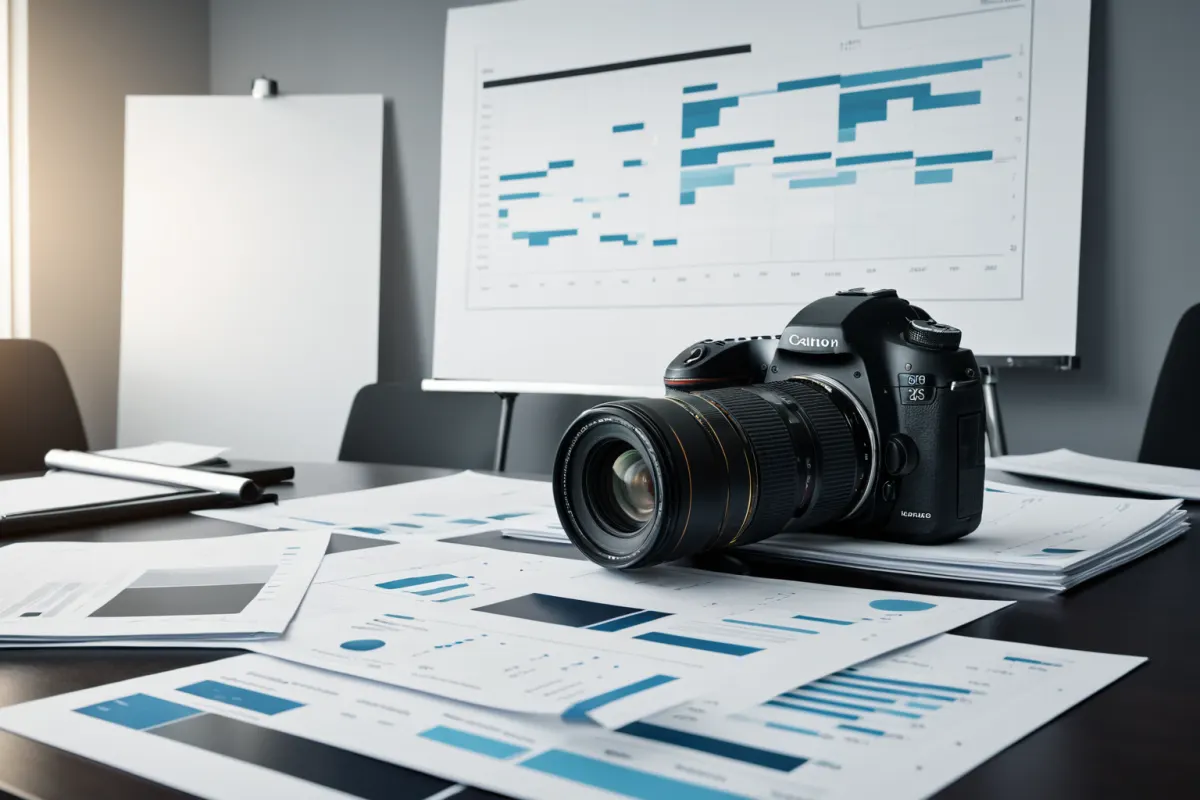
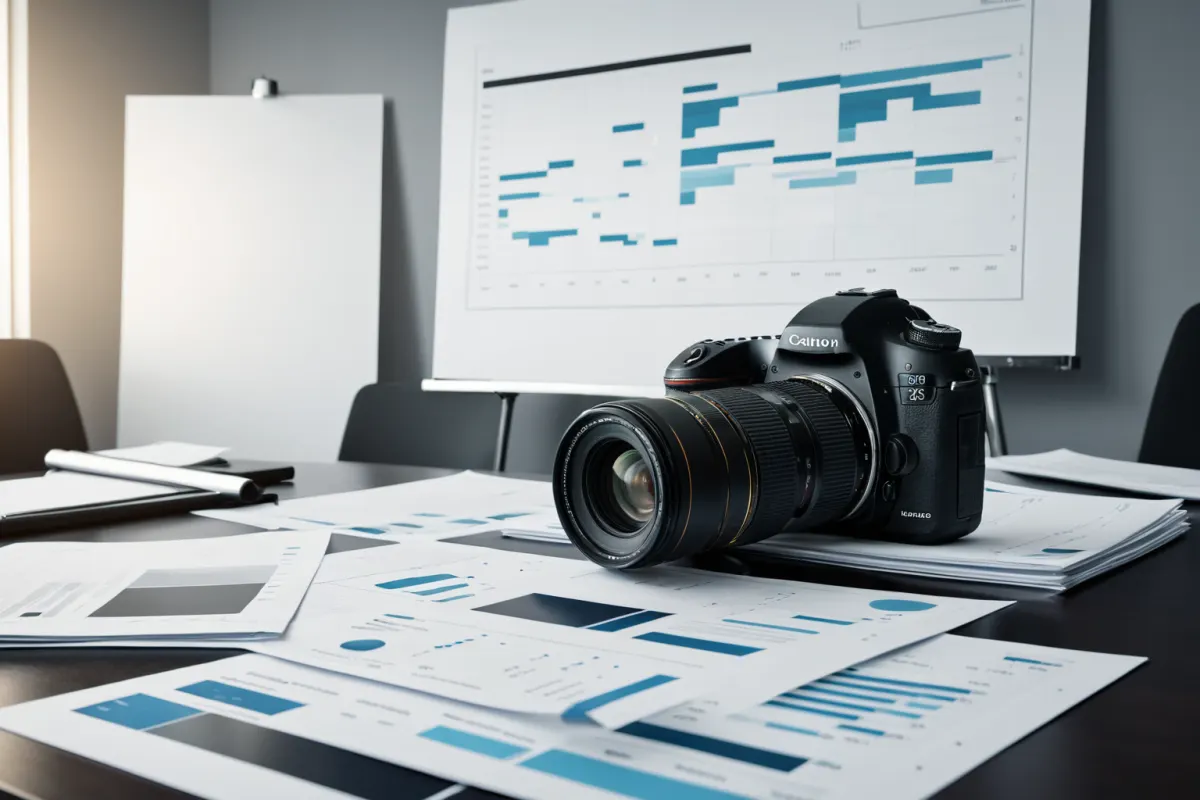
The essential materials for a press conference are ultimately press releases, on-site photos, and key fact-checking resources. Having these three elements well-prepared ensures your message remains consistent and makes responding to questions much easier. Particularly important is that the press release isn't just an announcement document but rather material ready to be directly used in a news article.
When first preparing, accuracy of content matters more than flashy formatting. Photos should be organized to highlight their newsworthiness, and fact-checking should focus on items prone to errors like numbers, dates, and names. Many mistakes come from small typos or lack of specificity, so developing a habit of checking these in advance—before the event—is far more important than rushing corrections right before the presentation.
Basic Components of Press Conference Materials
You can think of press conference materials as falling into three main groups: a press release summarizing the announcement, photos showing the scene and message, and fact-checking resources verifying content accuracy.
If needed, you may also include brief bios of speakers, organizational information, contact details, and notes for handling potential follow-up questions. Journalists prefer materials that are easy to understand at a glance, so even if there's a lot of information, the key points should remain clear.
Press releases should be organized with title, core message, body text, and supporting details. Instead of including just one main image, prepare multiple photos showing different angles—such as wide shots of the scene, close-ups of key moments—to increase their usability in articles.
You can find similar articles all in one place.
View Related ArticlesKey Items to Verify in Press Releases
The headline is the first thing readers notice, but the opening paragraph is actually more important. It should clearly state who, what, when, where, and why the announcement was made so journalists can quickly assess its relevance.
For example, instead of "Our company launched a new product," write something like "Company A unveiled an eco-friendly packaging solution at a press event in Seoul on July 25." Missing key details like dates or locations can reduce the perceived credibility of your materials.
Be especially careful with numerical data. Figures related to sales, participant counts, survey results, or schedules should be double-checked for accuracy. Making last-minute corrections right before the presentation can sometimes introduce more errors than it fixes.
Guidelines for Preparing On-Site Photos
Photos are often overlooked but play a significant role in press conference materials. Journalists prefer clear, well-composed images that immediately convey the scene without needing additional explanation.
The safest approach is to include one front-facing photo of the speaker, one wide shot of the venue, and one close-up capturing key action or details. For example, at a product launch event, photos showing the product being handled during explanation are more useful than just shots of the stage setup.
Example: At a new product launch, instead of only photographing the speaker on stage, include images where they're holding and explaining the product. Also ensure that background elements like event names, lighting, and composition are checked for usability.
Frequently Mistaken Facts in Fact-Checking
Fact-checking isn't about complex verification—it's simply confirming basic facts. Names, titles, dates, locations, sequences, and numbers are the most common areas where errors occur.
Even when the information is correct, it's easy to misrepresent details within a sentence. For instance, writing "Q3 performance announcement" instead of "Q3 performance preview," or listing an event start time as 2 PM versus 3 PM.
To minimize these mistakes, have someone other than the writer review the materials. When one person writes and checks everything themselves, it's easy to miss errors due to familiarity with the content.
Format That Works Well for Journalists
Journalists prefer short, quotable sentences rather than lengthy explanations. So even if a sentence is long, limit each paragraph to just one key piece of information for clarity.
Place important numbers or the purpose of the announcement at the beginning of key statements. Instead of "This event was planned to boost local business activity," write something like "Eight organizations jointly organized this event to boost local business activity." Specific details make it easier for journalists to incorporate your message into their articles.
If you anticipate certain questions, include brief notes in the press release footer. However, avoid defensive explanations—just state facts concisely.
Practical Preparation Order
When starting out, keep the preparation process simple. First summarize the core announcement in one sentence, then draft a press release, select appropriate photos, and finally conduct fact-checking.
For example, if "new product launch" is the main point, your press release should highlight three key features and the launch date, while photos should include actual product shots and event scenes. Fact-checking materials would cover pricing, specifications, and sales locations. This separation helps prevent confusion between different types of information.
Practical details that are often overlooked include speaker contact information, responsible person's phone number, photo source links, and version notes for revisions. These small but important elements can make a big difference when journalists need to respond quickly to breaking news.
The Difference Between Well-Prepared and Poorly Prepared Materials
Well-prepared materials remain clear even when lengthy. Conversely, overly complex documents bury the main message, forcing journalists to verify details themselves—which increases their workload and decreases the likelihood of coverage.
All elements—press releases, photos, and fact-checking resources—should align with each other. If a document states one thing but a photo shows something else, confusion arises. Ensuring consistency between written content and visual materials is crucial for maintaining credibility.
Even small-scale events follow the same principles. Well-organized facts and clean photos increase the likelihood of media coverage, regardless of event size. Conversely, large events with poor materials will struggle to effectively communicate their message.
FAQ
Q1. What is the most important element in press conference materials?
A. Press releases and fact-checking. While photos are important, inaccuracies in content can undermine overall credibility.
Q2. How many photos should be prepared?
A. At least three is a safe number. Prepare one photo of the speaker, one wide shot of the scene, and one close-up of key moments for maximum versatility.
Q3. Who should handle fact-checking?
A. It's best to have someone other than the writer review it. Especially numbers and dates should be double-checked by a second person for safety.
Effective press conference materials prioritize accuracy over style. Developing a habit of reviewing facts rather than just polishing sentences right before the event makes the biggest difference. While formats and submission methods may vary depending on event type and media outlet requirements, these core principles remain consistent.
Continue exploring similar topics.
View Category ArticlesFAQ
What is the most important element in press conference materials?
Press releases and fact-checking. While photos are important, inaccuracies in content can undermine overall credibility.
How many photos should be prepared?
At least three is a safe number. Prepare one photo of the speaker, one wide shot of the scene, and one close-up of key moments for maximum versatility.
Who should handle fact-checking?
It's best to have someone other than the writer review it. Especially numbers and dates should be double-checked by a second person for safety.
Korean Source
This article is an English localization of a Korean-language report from BlogScore. Original: 기사회견 자료 준비물: 보도자료, 사진, 팩트 체크 방법