
Essential Gear for Viewing the Perseid Meteor Shower: Weather, Location, and Timing
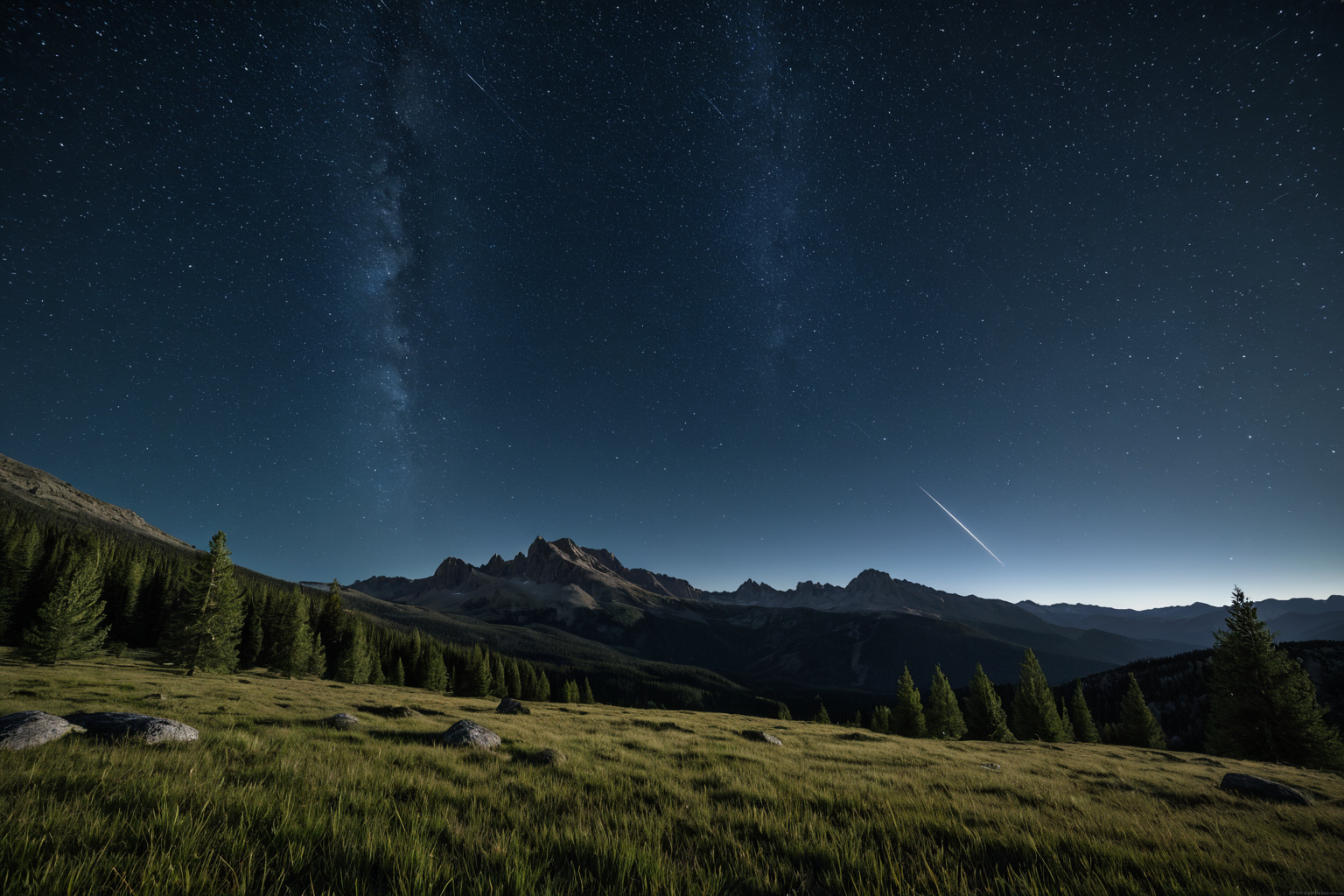
Essential Conditions for Viewing the Perseid Meteor Shower: Weather, Location, and Time
The peak of the Perseid meteor shower on the early morning of August 13–14, 2026, offers ideal conditions with no moonlight, clear weather, and a dark location where up to 100 meteors per hour can be observed. This mirrors the optimal viewing experience recorded in 2021 on August 12 as 'the best conditions in three years.'
When to View the Perseid Meteor Shower: Peak Timing
The Perseids reach their peak between the early morning of August 13–14, 2026, when viewing conditions are optimal. The main observation window is from 10 PM to 4 AM, during which meteors appear most vividly.
Activity peaks in mid-August 2026, particularly on the night of August 13 into the early morning of August 14, offering a chance to observe under clear skies without moonlight.
Ideal Viewing Conditions: Weather, Location, and Time
The most important conditions for viewing the Perseids are 'no moonlight, clear weather,' and 'a dark location.' Bright moonlight can obscure meteors, while cloudy weather makes observation difficult.
Choose a location away from urban areas with minimal artificial lighting. Observing in city centers is challenging due to light pollution; natural settings like mountains or beaches are ideal.
The optimal viewing window runs from 10 PM to 4 AM, when meteors are most active. The peak on the night of August 13–14 makes this period especially favorable for observation.
Previous Experience: Optimal Conditions in August 2021
The Perseids reached their peak on the night of August 12, 2021, under 'best conditions in three years'—with no moonlight and clear skies, allowing observers to see over 100 meteors per hour.
This experience highlights the importance of avoiding moonlight and choosing a dark location. If similar conditions occur in 2026, optimal viewing results can be expected.
Essential Viewing Supplies: Must-Haves
No special equipment is needed to view the Perseids; simply waiting in a dark area is sufficient. However, a chair or portable seat enhances comfort, and warm clothing is recommended for the cool early morning hours.
Avoid using smartphone lights during observation as they can disrupt viewing. Binoculars or telescopes are unnecessary—direct observation with the naked eye is ideal.
Choosing Your Viewing Location
To avoid light pollution, choose natural settings like mountains, beaches, or open fields away from city centers. For August 13–14, early site selection and verification are recommended, especially if public transport access is limited.
Check weather forecasts in advance to select a location with clear skies. Use astronomy apps or weather services for accurate pre-observation planning.
Optimizing Your Viewing Time
The Perseids remain active from mid-August through late August, but the peak occurs on the night of August 13–14. The main observation window remains 10 PM to 4 AM, with the highest meteor activity between midnight and 3 AM.
Patience is key—allow time for your eyes to adjust, and observe slowly for the clearest view of meteors.
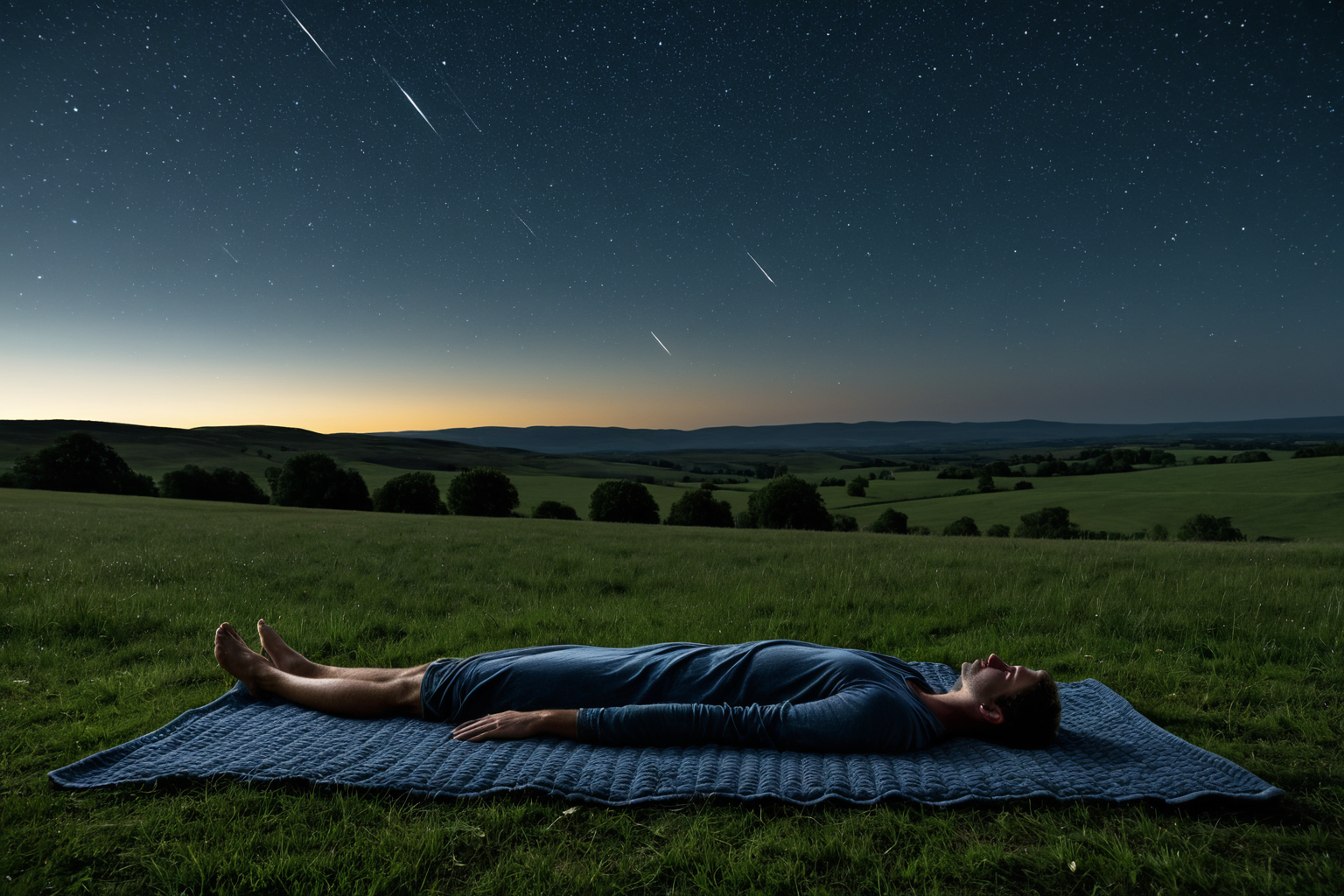
Confirming Viewing Conditions: Weather and Location
Check the weather the day before to ensure clear skies. Cloudy or rainy conditions make observation difficult, so consult astronomy apps or weather services for forecasts.
When selecting a location, avoid areas with heavy light pollution. Choose dark spots like beaches or mountains—especially ideal for August 13–14, 2026, when there will be no moonlight.
Post-Observation Tips
After viewing, stay aware of your surroundings while moving, especially in dark areas. Avoid driving at night to ensure safety.
Dress warmly for the early morning hours; temperatures drop significantly during this time, so wearing layered clothing is essential for comfort and health.
FAQ: Perseid Meteor Shower Viewing Questions
Q: What equipment do I need to view the Perseid meteor shower?
No special equipment is required. The best way to observe meteors is with the naked eye, though a chair or portable seat can enhance comfort.
Q: Why does the peak occur on the night of August 13–14, 2026?
The Perseids reach their peak between the early morning hours of August 13–14, 2026, when clear skies and no moonlight are expected. This timing provides optimal conditions for viewing.
Q: Can I view the Perseid meteor shower from a city?
Urban areas suffer from light pollution, making observation difficult. For best results, choose natural settings like beaches or mountains where lighting is minimal.
Frequently Asked Questions
The Perseids peak on the early morning of August 13–14, 2026, with ideal conditions including no moonlight, clear weather, and a dark location allowing up to 100 meteors per hour. Similar to the 'best conditions in three years' recorded on August 12, 2021, this offers a stunning astronomical event.
Check weather and location beforehand, observing between 10 PM and 4 AM for the best experience. With minimal preparation required and patience, you can enjoy a rich viewing experience of this natural phenomenon.
You can find more articles on similar topics in one place.
Read MoreFAQ
What equipment do I need to view the Perseid meteor shower?
No special equipment is required. The best way to observe meteors is with the naked eye, though a chair or portable seat can enhance comfort.
Why does the peak occur on the night of August 13–14, 2026?
The Perseids reach their peak between the early morning hours of August 13–14, 2026, when clear skies and no moonlight are expected. This timing provides optimal conditions for viewing.
Can I view the Perseid meteor shower from a city?
Urban areas suffer from light pollution, making observation difficult. For best results, choose natural settings like beaches or mountains where lighting is minimal.
Korean Source
This article is an English localization of a Korean-language report from BlogScore. Original: 페르세우스 유성우 관측 필수 준비물: 날씨, 장소, 시간 조건