
Essential Gear and Conditions for Observing the Perseid Meteor Shower
Optimal Timing and Conditions for Perseid Meteor Shower Viewing
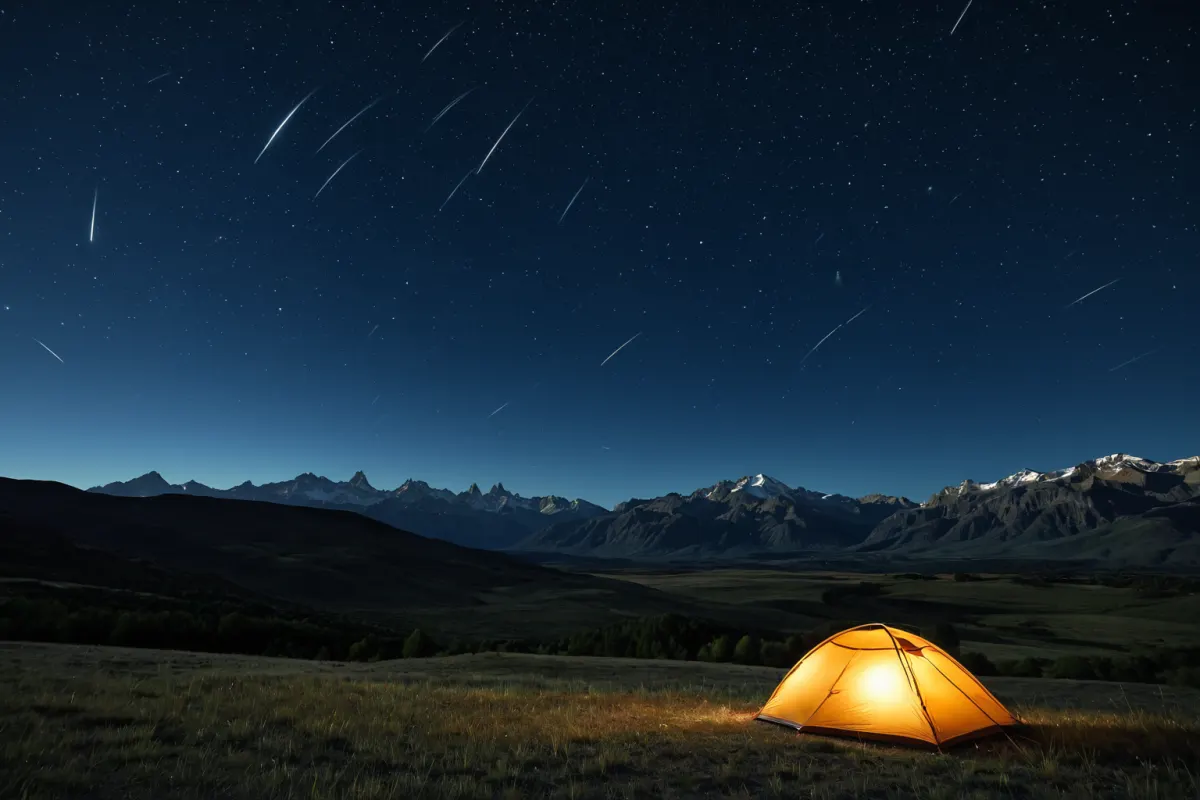
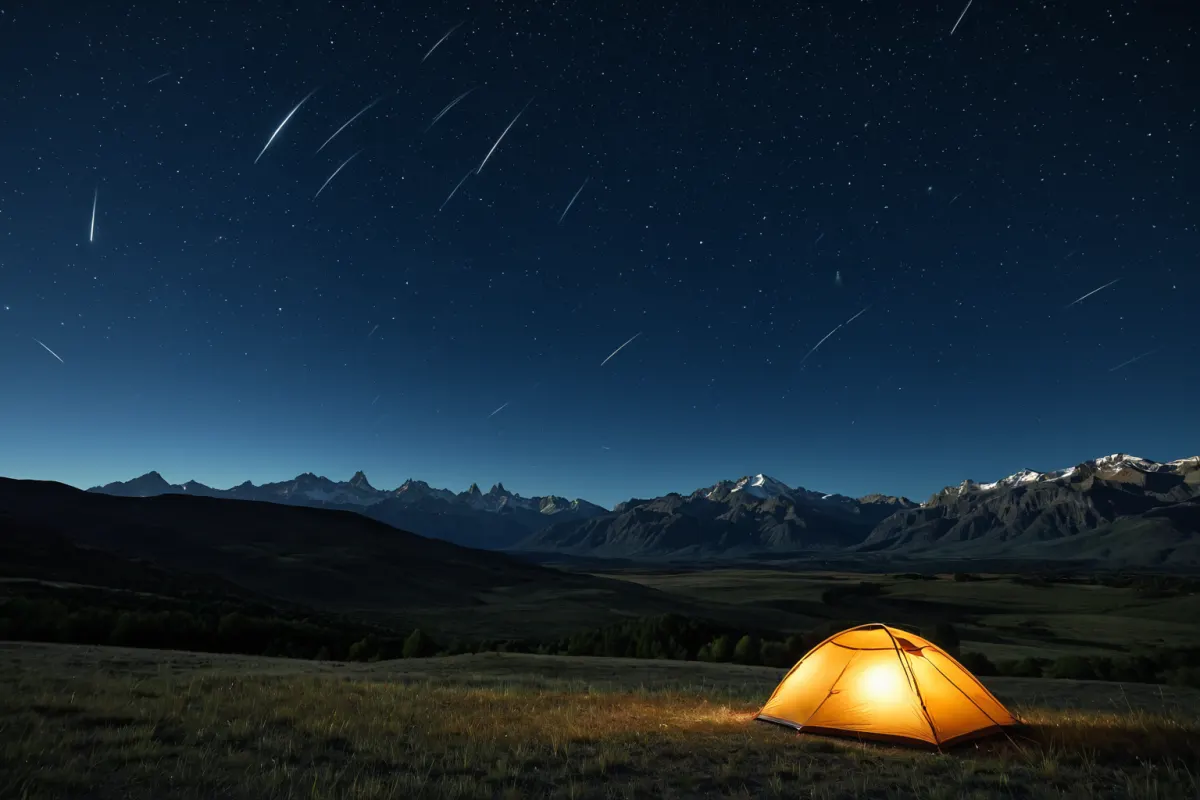
The Perseid meteor shower peaks around the pre-dawn hours of August 13-14, coinciding with a 'new moon' phase when the sky is darkest. This provides ideal viewing conditions, with up to over 100 meteors per hour visible. The best time for observation is between 9 PM on August 12 and 4 AM on August 13.
Essential Viewing Equipment
To observe under dark skies, choose a location with minimal surrounding light. Many observatories across South Korea offer special lectures and events supporting meteor shower viewing, particularly the Nuri Observatory in Gunpo City and Donghae City's 'Shooting Star Mung' program.
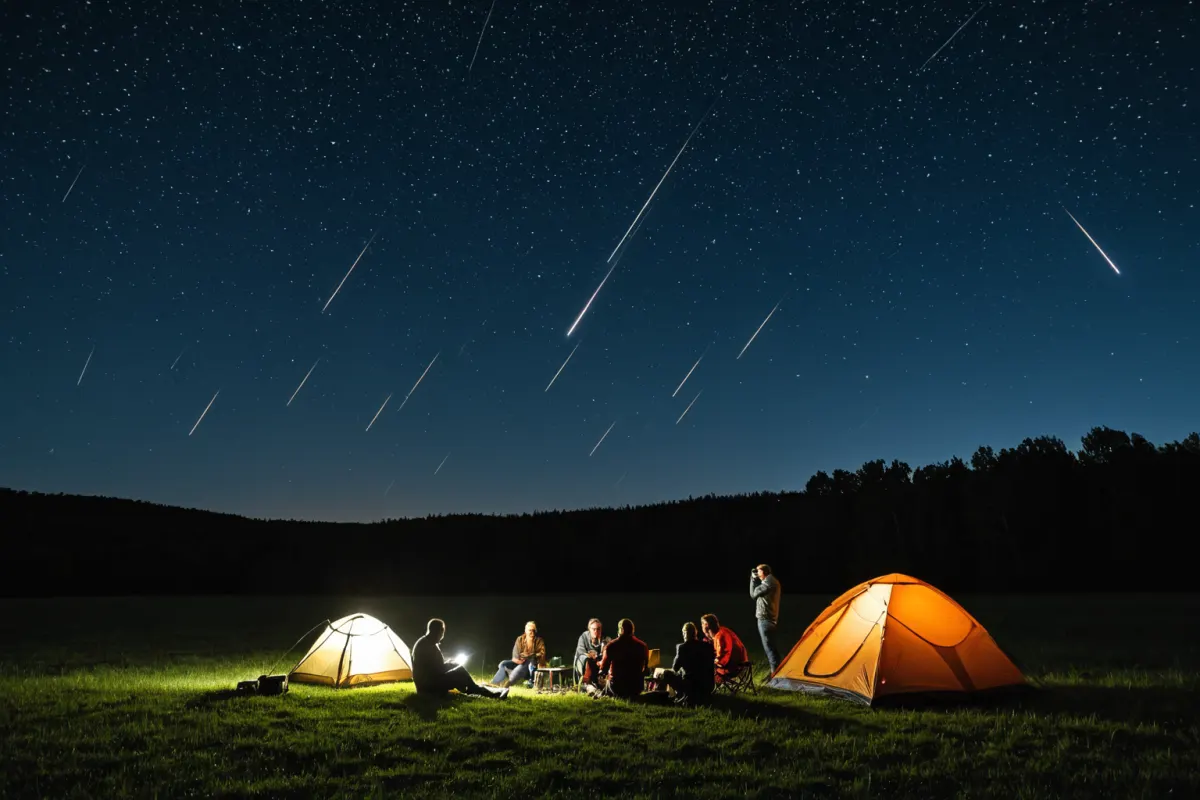
Essential equipment includes a smartphone camera or DSLR with night photography mode. For added comfort, bring a portable chair and warm beverages.
Optimal Viewing Period and Local Events
The peak of the Perseid meteor shower occurs on August 13-14, 2026, when observers can see over 100 meteors per hour. Donghae City will host its 'Shooting Star Mung' program from August 11-14 to support viewing, while Ganghwa County Astronomical Science Museum begins related events on August 6.
Gunpo City's Nuri Observatory hosts a special lecture on August 12, offering guidance from experts on accurate observation techniques. Information about these local events can be found on each local government's official website.
The Importance of Weather and Location Selection
Meteor shower viewing becomes difficult during rainy periods or cloudy days, so checking the weather up until the day before is essential. August late in the season typically sees the end of the rainy season with clearer skies, making it ideal for observation.
When selecting a viewing location, prioritize areas with minimal ambient light. City lights can obstruct the view, so dark locations like mountains or seashores away from urban centers are preferable. Also, confirm accessibility to your chosen site in advance.
Observation Techniques and Tips
No special equipment is required for meteor shower observation. When viewing with the naked eye, block surrounding light and look steadily at the sky for about 10 minutes without moving. For camera photography, use high ISO settings and long exposure times to capture more meteors.
It takes approximately 20 minutes for eyes to adjust to darkness when observing in dark locations, so ensure you allow sufficient time before starting observation. Avoid using portable lights during this adjustment period.
Local Events and Support Programs
Donghae City's 'Shooting Star Mung' program provides special equipment rentals and guidance for viewers. Ganghwa County Astronomical Science Museum distributes educational materials related to meteor shower observation and offers consultations with experts.
Gunpo City Nuri Observatory holds a special lecture at 7 PM on August 12, teaching beginner-friendly observation techniques. These events often require advance reservations, so check the website before attending.
Important Notes for Observers
When observing at night, be mindful of safety, especially when moving outdoors in areas like mountains or seashores. It's recommended to travel with companions and stay alert.
Also important is protecting the surrounding environment during observation. Avoid leaving trash or unnecessary lighting that could disturb other viewers.
Information You Should Check
The most crucial factors for observing the Perseid meteor shower are weather conditions and location selection. The end of the rainy season around mid-August brings clearer skies, making it an ideal time to plan your observation.
Before observing, check local observatory event information. Gunpo City's Nuri Observatory and Donghae City's 'Shooting Star Mung' program offer beginner-friendly guidance. Also confirm that your chosen location has good accessibility beforehand.
Frequently Asked Questions
Can I use a smartphone camera for meteor shower observation?
Yes, using the night mode on a smartphone camera allows you to capture the meteor shower. However, DSLR cameras typically provide better results.
Is the period from 9 PM August 12 to 4 AM August 13 really the best time for viewing?
Yes, especially between 9 PM on August 12 and 4 AM on August 13 is the optimal viewing window. The absence of moonlight during this period creates a darker sky that makes meteors more visible.
What should I consider when selecting a viewing location?
Choose a location with minimal surrounding light and good accessibility. City lights or unnecessary lighting can interfere with observation, so dark areas like mountains or seashores are ideal.
Frequently Asked Questions
The Perseid meteor shower peaks around the pre-dawn hours of August 13-14, coinciding with a 'new moon' phase when the sky is darkest. This provides ideal viewing conditions, with up to over 100 meteors per hour visible. Observation methods are simple.
Before observing, confirm weather and location in advance, and consider participating in local observatory events. Gunpo City's Nuri Observatory and Donghae City's 'Shooting Star Mung' program offer beginner-friendly guidance.
During observation, block surrounding light and allow sufficient time for your eyes to adjust to the darkness. Bringing a portable chair and warm beverages will make the experience more comfortable.
Information about local events can be found on each local government's official website, so it's recommended to check in advance and make reservations before visiting. With these preparations, you can enjoy the best meteor shower viewing experience possible.
You can view similar articles all at once.
View Related ArticlesFAQ
Can I use a smartphone camera for meteor shower observation?
Yes, using the night mode on a smartphone camera allows you to capture the meteor shower. However, DSLR cameras typically provide better results.
Is the period from 9 PM August 12 to 4 AM August 13 really the best time for viewing?
Yes, especially between 9 PM on August 12 and 4 AM on August 13 is the optimal viewing window. The absence of moonlight during this period creates a darker sky that makes meteors more visible.
What should I consider when selecting a viewing location?
Choose a location with minimal surrounding light and good accessibility. City lights or unnecessary lighting can interfere with observation, so dark areas like mountains or seashores are ideal.
Korean Source
This article is an English localization of a Korean-language report from BlogScore. Original: 페르세우스 유성우 관측을 위한 필수 준비물과 조건