
ESG Disclosure Deadline: When Must Your Company Submit?
It's not straightforward to determine a single deadline for mandatory ESG disclosures in South Korea. The submission timeline varies depending on company size, whether it's listed or unlisted, and which disclosure regulations apply. Therefore, the first step is to identify which criteria your company falls under.
ESG-related disclosures may appear voluntary, but some elements are tied to regular reports or mandatory filings, so missing deadlines can cause issues. The key question isn't just "when must it be submitted?" but rather which disclosure, for which entity, and under which regulatory framework.
First: Determine Your ESG Disclosure Scope
Many people mistakenly view ESG disclosures as a single regulation, but in reality, the type of disclosure varies. For example, ESG-related information may be included in annual reports or separate sustainability reports linked to stock exchange filings.
Before checking deadlines, clarify two key points: Is your company listed on a stock exchange? And is the content you're submitting mandatory or voluntary disclosure?
For instance, if a Kospi-listed company A prepares an ESG-related disclosure including greenhouse gas emissions and internal controls, it must first determine whether this is part of a mandatory annual report. The same ESG information can have different deadlines depending on submission channels.
Explore more articles on similar topics in one place.
View Related ArticlesAnnual Filings Are the Primary Deadline Reference
The most fundamental mandatory disclosure is annual reporting. Companies typically must submit their annual report within a set timeframe after the fiscal year ends, and this report may include ESG-related information.
In practice, most companies have a December 31 closing date, making March of each year a critical period. However, since fiscal months vary by company, it's incorrect to assume "all companies submit in March." A company with a June closing date will have a different deadline.
For example, a company with a December closing date must plan its annual report submission timeline after accounting closure, external audit completion, and board approval. ESG items are often prepared last, so many companies start gathering data right after the fiscal year ends to avoid delays.
Common Confusions in ESG Disclosure Deadlines
The most common confusion is treating "ESG disclosure" and "mandatory filing" as synonymous. In reality, ESG refers to the topic of disclosure, while mandatory filings refer to legally required formats. Thus, not all ESG content falls under the same deadline.
Another frequent mix-up involves confusing sustainability reports with annual reports. Some companies publish separate reports that may not be legally required, whereas ESG information included in annual reports can face stricter consequences for delays.
This is why professionals first determine "where to submit." Whether it's a stock exchange filing, financial regulator disclosure, or company website posting affects the required documents and timeline.

Create Reverse Timelines to Avoid Missed Deadlines
Mere calendar dates for ESG disclosures aren't enough. The process involves gathering data, department review, external validation, and CEO approval—requiring action weeks in advance.
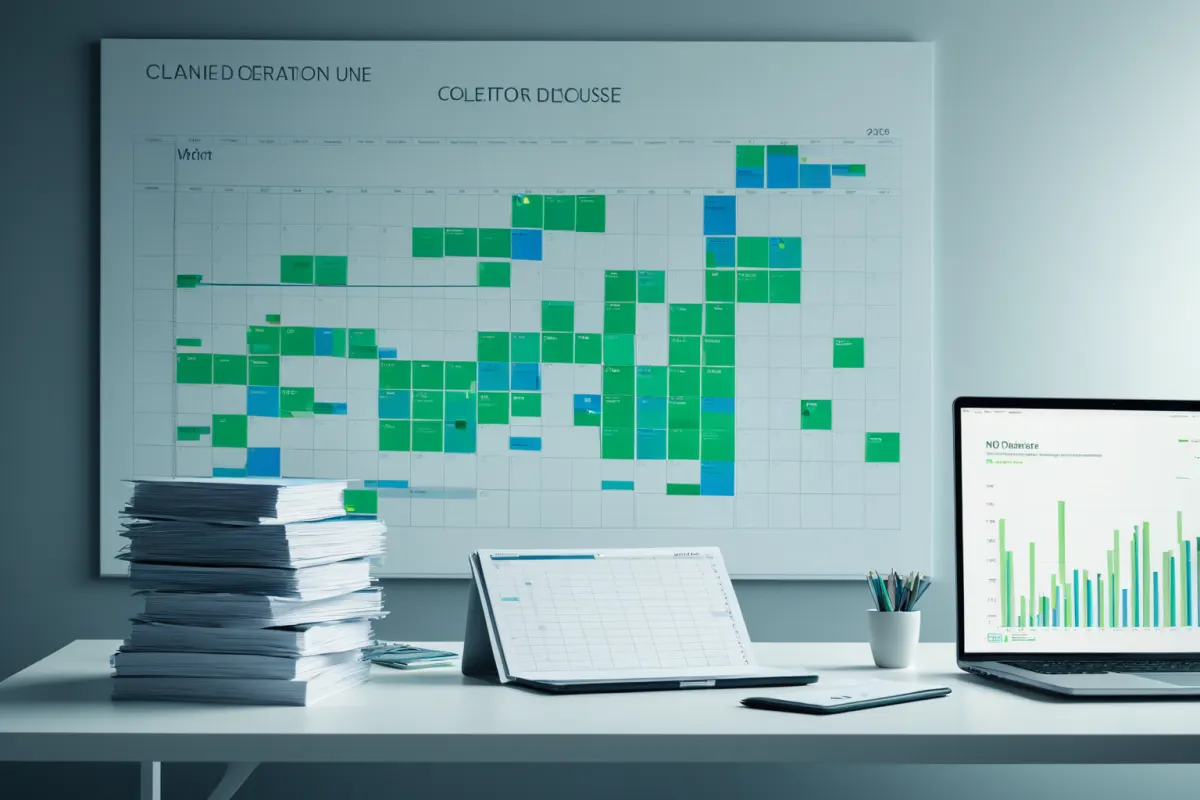
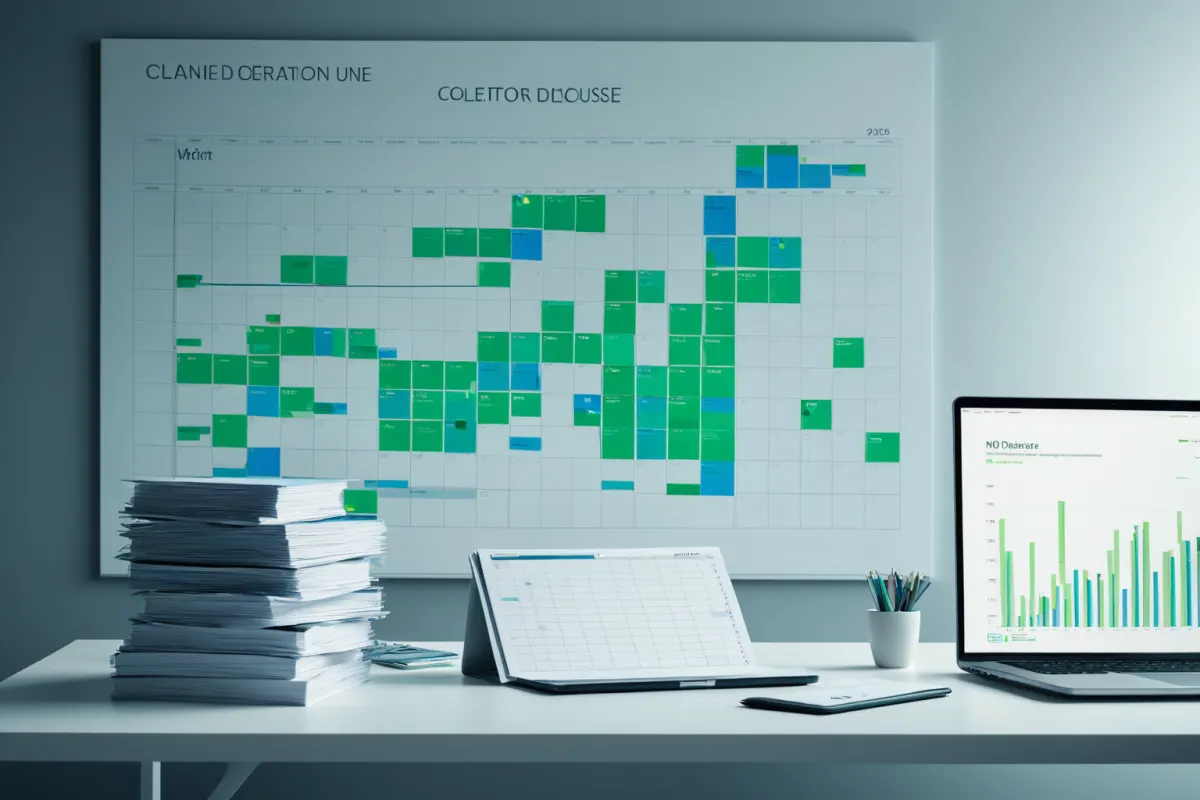
Practitioners commonly use reverse timelines. For example, if the final submission date is late March, data collection might occur in February (environmental and safety data), legal/financial review in early March, document finalization mid-March, and electronic submission checks just before deadline.
This approach distributes responsibility across teams, which is important since ESG data often comes from multiple departments like HR, administration, production, and procurement. Delayed scheduling makes aligning numbers more time-consuming.
Common Reasons for Late Submissions in Practice
In reality, delays are more often due to late data confirmation rather than not knowing the deadline. Items requiring cross-departmental verification—such as carbon emissions, workplace injuries, or supplier management—are common culprits.
For example, a manufacturing company B completed internal control documentation quickly but delayed environmental data validation, causing repeated revisions to their draft disclosure. In such cases, focusing only on the submission date without planning earlier stages leads to problems.
Another case involved a company C preparing for listing who managed investor-facing ESG materials and mandatory filings in the same file, causing confusion between final versions. It's safer to separate official disclosures from promotional materials.
Practical Checklist for Managing Deadlines
Just verifying these five points simplifies ESG disclosure deadline management:
- Confirm your fiscal closing month
- Determine if you're required to submit an annual report
- Verify whether ESG content is part of mandatory disclosures
- Set departmental data submission deadlines first
- Separate final approval date from actual electronic submission time
Addressing these points reduces the common frustration of "I know the deadline, but I'm always late." Especially, leaving a day or two between final approval and submission provides buffer for unexpected changes.
Related Reporting Deadlines to Consider
ESG disclosures don't operate in isolation. They align with annual reports, interim reports, shareholder meetings, external audit schedules, and other filings. Therefore, disclosure managers often integrate ESG timelines into the overall accounting schedule rather than managing them separately.
Additionally, financial regulators and stock exchanges frequently update their disclosure rules, so relying solely on past data for deadlines can be risky. Internal schedules are convenient but must confirm whether they reflect current regulations.
If your company is new to mandatory ESG disclosures, focus this year on understanding the submission structure rather than perfect wording. Timely submission often takes priority over polished content, and you should consider potential follow-up filings or corrections later.
FAQ
Q1: Do all companies submit ESG disclosures on the same date?
No. Deadlines vary based on fiscal closing month, disclosure type, and whether your company is legally required to file.
Q2: Can a standalone sustainability report replace mandatory filings?
Not usually. Separate reports may serve as reference materials but don't substitute for legally required submissions.
Q3: What's the first deadline you should prioritize?
Your fiscal closing date and annual report submission date. Then, work backward to set ESG data collection and internal approval schedules.
Note that regulations and specific deadlines change yearly, so always verify the current year's requirements before filing.
Continue exploring articles on similar topics.
View Category ArticlesFAQ
Do all companies submit ESG disclosures on the same date?
No. Deadlines vary based on fiscal closing month, disclosure type, and whether your company is legally required to file.
Can a standalone sustainability report replace mandatory filings?
Not usually. Separate reports may serve as reference materials but don't substitute for legally required submissions.
What's the first deadline you should prioritize?
Your fiscal closing date and annual report submission date. Then, work backward to set ESG data collection and internal approval schedules.
Korean Source
This article is an English localization of a Korean-language report from BlogScore. Original: ESG공시법정공시 언제까지 내야 할까? 일정과 기한