
Engine Oil Change Intervals and How to Check Oil Condition
Recommended Engine Oil Change Intervals
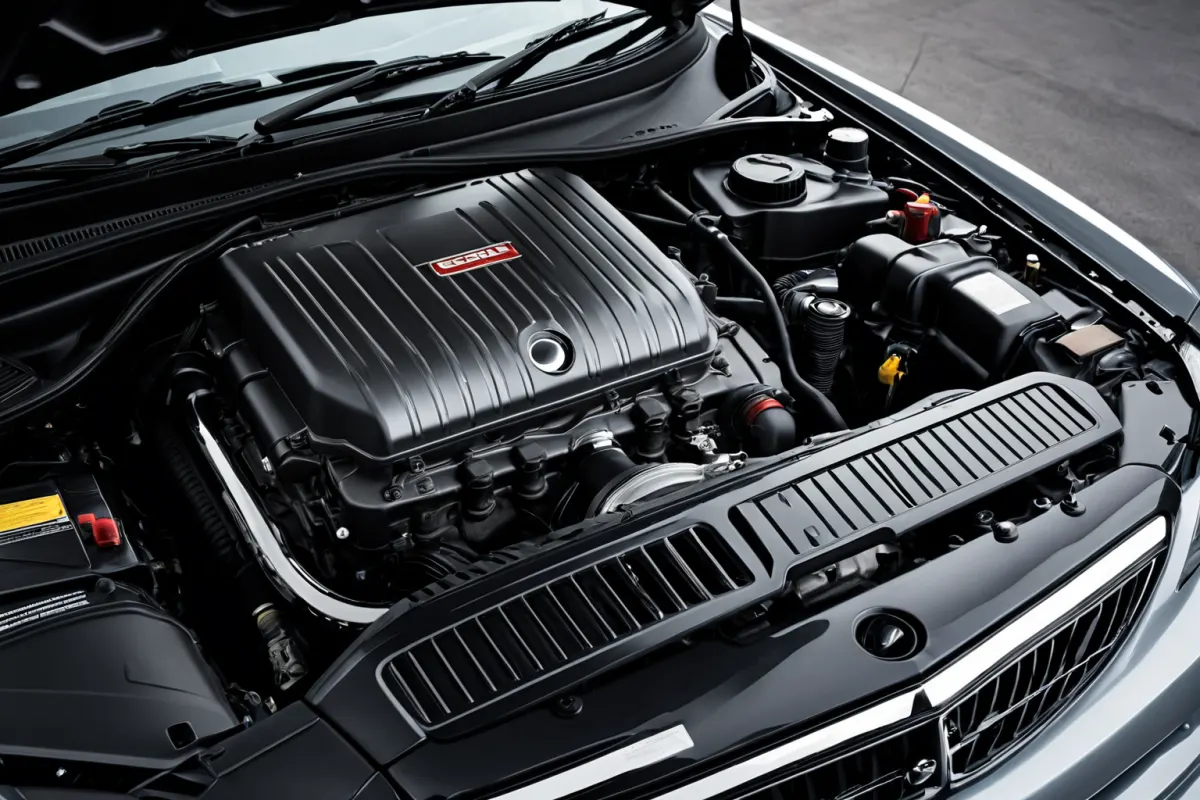
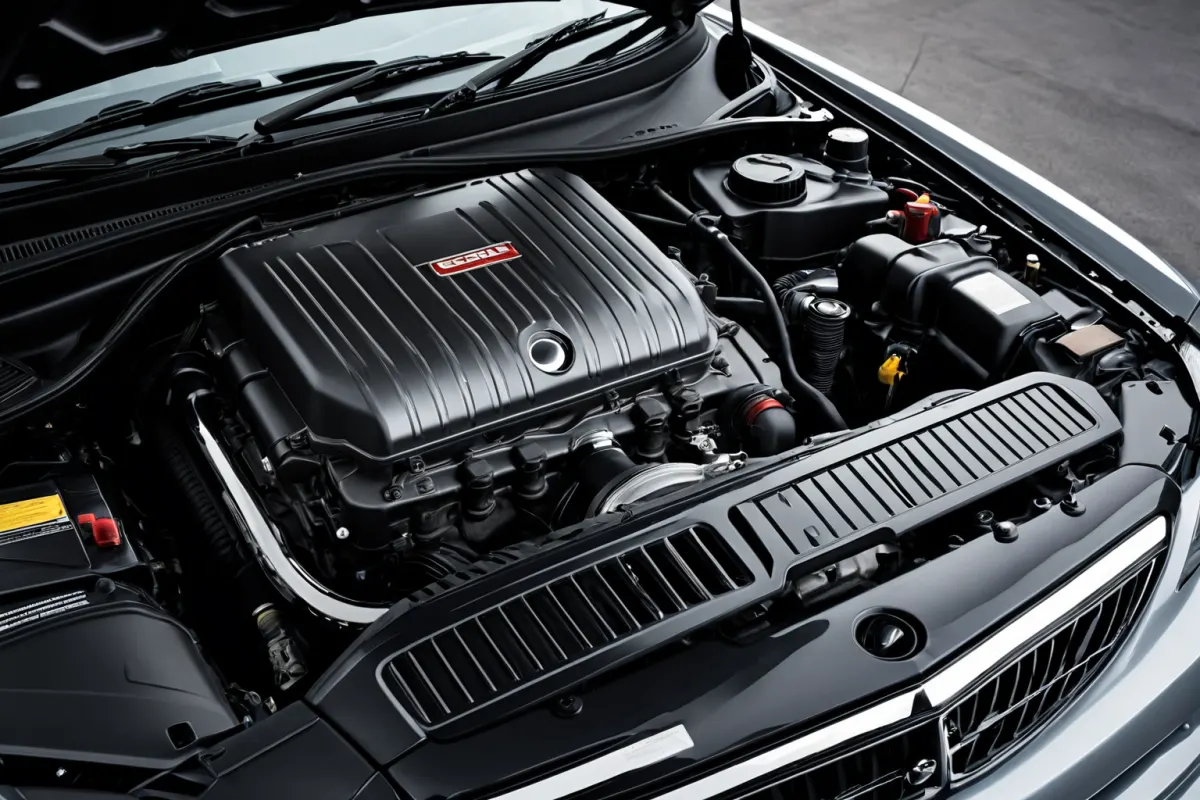
The recommended interval for changing engine oil varies between 5,000km and 10,000km depending on vehicle type and driving conditions. After exceeding the manufacturer's suggested interval, it's important to check the oil condition directly. For vehicles that frequently drive on highways or cover long distances, the change interval may be shorter. Engine oil quality and performance play a critical role in preventing wear on internal engine components and providing cooling effects, making regular changes essential.
Manufacturers' recommended intervals can be found in the vehicle manual or on their official website. For example, some high-performance vehicles recommend changing oil every 5,000km, while standard passenger cars may go up to 10,000km between changes. However, environmental factors (such as driving in cities with heavy particulate pollution) and driving style (like frequent rapid acceleration and hard braking) can adjust the recommended interval.
How to Check Engine Oil Condition
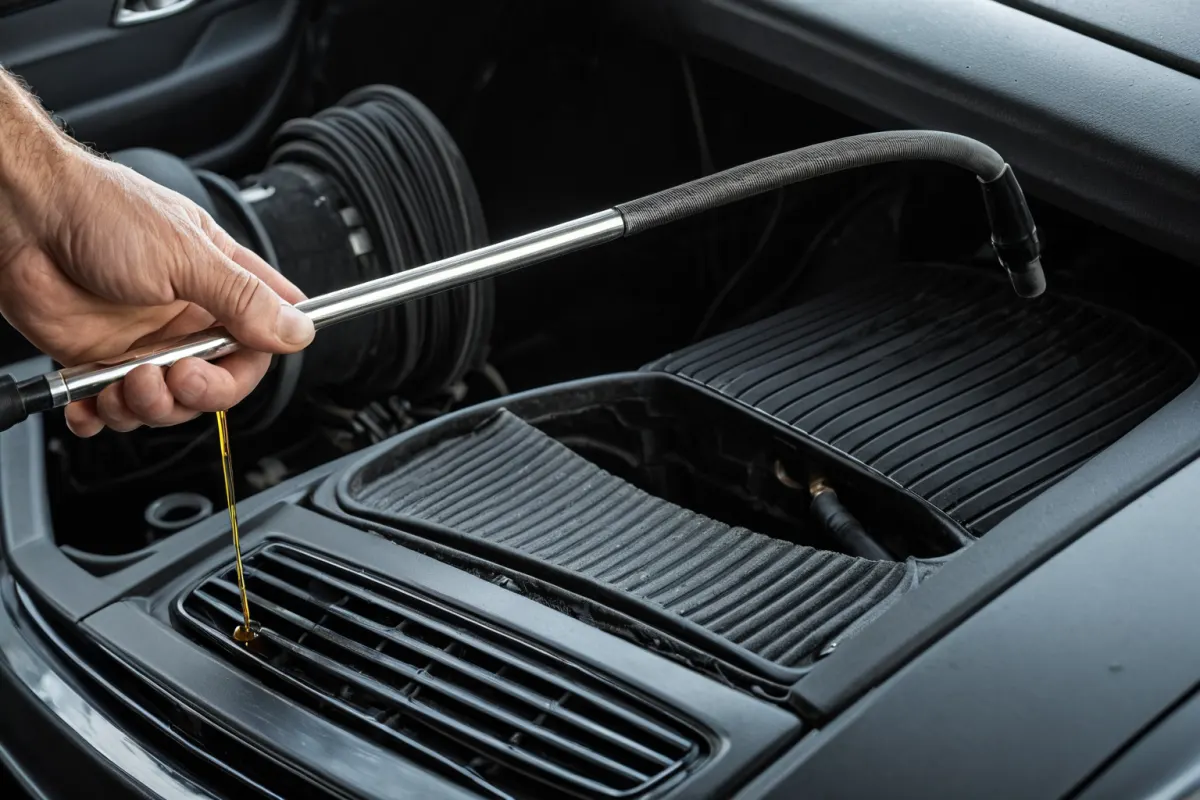
Checking oil level and looking for leaks is crucial. After turning off the engine, remove the dipstick and visually inspect it. The oil level should be between the minimum (MIN) and maximum (MAX) marks; if it falls below MIN, top up immediately.
If oil appears dark or has a strong odor, replacement may be needed. Additionally, if oil viscosity decreases causing increased friction between internal engine parts, consider changing it. This can lead to reduced engine performance and shortened lifespan, so regular checks are important.
To accurately assess oil condition, inspect the dipstick as well as observe the oil color and smell directly. For example, if oil turns a light brown or emits an unpleasant odor, it's time for replacement. Unusual noises from the engine or reduced acceleration performance may also indicate oil-related issues.
Essential Pre-Travel Checks Before Chuseok Holiday
After long trips, be sure to check tire pressure, engine oil, brake systems, and lights. Tire wear indicators are at a depth of 1.6mm. Tire pressure should match the manufacturer's recommended levels listed on a sticker inside the driver's door or in the vehicle manual.
If the brake pedal feels deeper than usual or braking power decreases, delay driving and get it checked at a repair shop. This could indicate low brake fluid or worn components, requiring prompt attention.
Before long trips like Chuseok holiday travel, also check tire wear. If the wear indicator line is close to the surface between tread grooves, consider replacing tires for safety. This helps prevent risks such as blowouts or skidding during driving.
KB Car Tech for Cost Savings
The 'KB Car Tech' service from KB Insurance supports engine oil changes and cost-saving maintenance for vehicles. Regular checks and replacements can extend vehicle lifespan. KB Car Tech offers various services including vehicle diagnostics, maintenance history management, and discounts to provide practical assistance to drivers.
Using KB Car Tech allows you to receive discounts on engine oil changes and perform preventive maintenance through regular inspections. This optimizes vehicle performance and contributes to long-term cost savings.
Engine Oil Shortage Due to Global Supply Issues
Due to the conflict between the U.S. and Iran, there has been hoarding and shortage of engine oil, causing inconvenience for drivers. This issue stems from instability in global supply chains, with higher-end engine oils experiencing more severe shortages.
If engine oil prices have risen or purchasing becomes difficult due to shortages, it's advisable to plan preventive changes ahead of time. Regular checks can help monitor oil condition and allow quick action when needed.
Frequently Asked Questions
How is the engine oil change interval determined?
It varies between 5,000km and 10,000km based on vehicle type and driving conditions. Refer to the manufacturer's recommended interval.
How can I tell if my engine oil condition is poor?
Check oil level and look for leaks; if it appears dark or has a strong odor, replacement may be needed.
What checks should I do before Chuseok holiday travel?
Check tire pressure, engine oil, brake systems, and lights. Also verify tire wear indicators.
You can view similar articles all in one place.
View Related ArticlesFAQ
How is the engine oil change interval determined?
It varies between 5,000km and 10,000km based on vehicle type and driving conditions. Refer to the manufacturer's recommended interval.
How can I tell if my engine oil condition is poor?
Check oil level and look for leaks; if it appears dark or has a strong odor, replacement may be needed.
What checks should I do before Chuseok holiday travel?
Check tire pressure, engine oil, brake systems, and lights. Also verify tire wear indicators.
Korean Source
This article is an English localization of a Korean-language report from BlogScore. Original: 엔진오일 교체 주기, 오일 상태 확인 방법