
Electricity Bill Freeze for Q4 and Energy-Saving Tips Compared

Overview of the Q4 Electricity Bill Freeze Policy
The government has confirmed that fourth-quarter electricity bills will remain frozen, with the fuel cost adjustment rate maintained at 5 won per kWh. This marks a continuous 15 quarters of freezing and 12 consecutive quarters for residential rates. Despite Korea Electric Power Corporation (KEPCO) bearing financial strain—approximately 1.2 billion won in daily interest—the government has chosen to delay electricity price increases.
Significance of the Q4 Electricity Bill Freeze
The Korea Energy Economy News reported on September 22, 2025, that KEPCO would freeze fourth-quarter electricity rates and maintain a fuel cost adjustment rate of 5 won per kWh. The government officially announced this decision on September 23, 2025, despite concerns about potential additional price hikes due to rising demand in advanced industries.
Electricity bills consist of the base rate and fuel cost adjustment. For Q4, this structure remains unchanged, with a 5 won per kWh fuel cost adjustment applied. KEPCO faces financial strain from increased power demand and investments, but the government prioritized easing household burdens by freezing rates.
This freeze continues a policy that began in the second half of 2023. Since then, electricity demand has surged, increasing energy price volatility and sparking debate over rate adjustments. However, the government opted for short-term financial sacrifice to protect consumers.
Energy-Saving Tips and Their Practical Effects
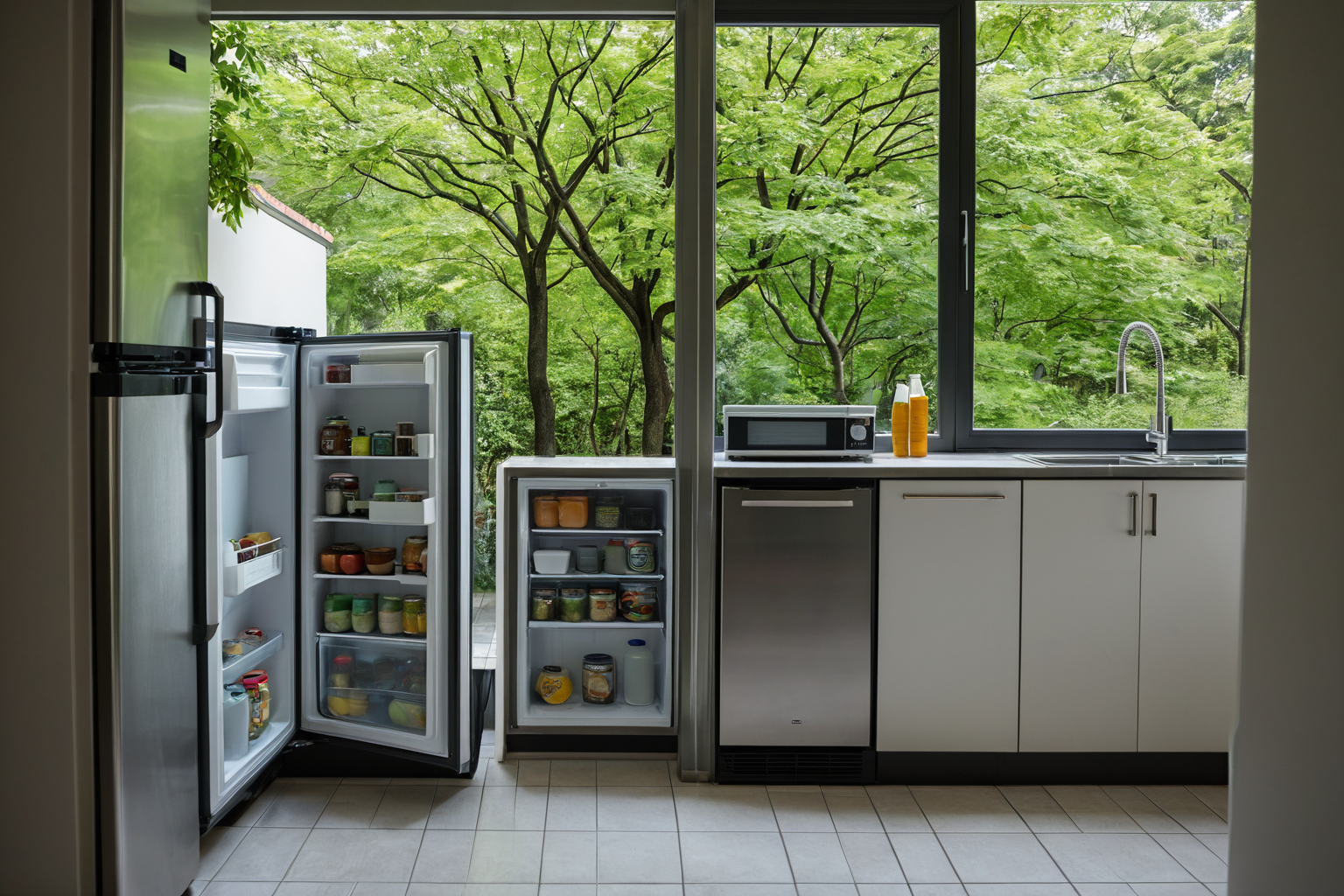
Alongside the electricity bill freeze, practical energy-saving tips have gained attention. Filling the freezer while keeping the refrigerator empty is an effective method to reduce electricity use. According to KEPCO data, this approach can save up to 10% in energy, potentially reducing monthly bills by around 1,000 won.
Managing air conditioners when leaving home is also important. Instead of turning off the AC completely before leaving, raising the temperature slightly helps reduce electricity use. This method offers additional savings on utility costs.
The 'filling the freezer' tip optimizes internal heat distribution in refrigerators, improving cooling efficiency. A full freezer prevents external air from entering, shortening cooling time and reducing power consumption. Conversely, keeping the refrigerator empty when not in use decreases cooling load and saves energy.
Managing standby power for lighting and appliances is also crucial. Turning off unnecessary lights at night and unplugging unused devices can save over 500 won per month on average.
KEPCO's Financial Strain and Government Decision Background
KEPCO is bearing daily interest costs of approximately 1.2 billion won while maintaining the electricity bill freeze. This cumulative financial burden stems from continuous freezing over Q4. Although the government has mentioned 'realizing rate fairness,' it has kept rates frozen for Q4.
KEPCO's financial strain results from investments in advanced industries and renewable energy infrastructure. Recent years have seen significant capital spent on solar and wind power projects, increasing financial pressure. Despite this, the government chose to absorb short-term costs to protect consumers.
An analysis of KEPCO’s finances shows cumulative losses of about 5 trillion won as of December 2024, driven by rising electricity demand and energy price volatility. The government is reviewing potential financial support for KEPCO in next year's budget.
Practical Methods for Energy-Saving Tips
Optimizing refrigerator use is key to saving energy. Filling the freezer slows heat loss, reducing electricity consumption. Keeping the refrigerator empty when not in use lowers cooling load and saves energy.
Air conditioner management is also important. Turning off AC completely before leaving causes more power usage upon restart. Raising the temperature by 2-3 degrees while away can save around 1,000 won monthly.
Using electric washing machines during low-demand evening hours helps reduce costs, as these times have lower electricity rates. Lowering wash temperatures also reduces energy consumption.
Q4 Electricity Bill Freeze and Future Outlook
The Q4 freeze has sparked debate about potential rate increases in 2026. KEPCO’s ongoing financial strain means the government is considering how to adjust electricity rates next year.
Practicing energy-saving tips remains important. Achieving a 10% reduction can lower monthly bills by around 1,000 won—a simple yet effective household strategy. Filling freezers and managing AC settings are typical examples.
Long-term efforts to ease electricity bill burdens include expanding renewable energy adoption and modernizing power grids. The government plans to strengthen solar panel installation support from 2025 onward, which could benefit consumers directly.
Key Information to Note
The Q4 electricity bill freeze represents a continuous 15-quarter policy (12 quarters for residential rates). KEPCO’s financial strain amounts to daily interest costs of 1.2 billion won, driven by increased power demand and investments.
Energy-saving tips include filling the freezer while emptying the refrigerator and adjusting AC temperature when away. These methods can save up to 10% in energy use, potentially reducing monthly bills by around 1,000 won.
KEPCO’s financial strain stems from investments in advanced industries and renewable energy infrastructure, resulting from rising electricity demand and energy price volatility. The government is reviewing potential financial support for KEPCO in next year's budget.
Frequently Asked Questions
When does the Q4 electricity bill freeze take effect?
The freeze applies from October 1, 2025, following the government’s announcement on September 23, 2025.
Do energy-saving tips actually reduce bills?
Yes. Filling the freezer and keeping the refrigerator empty, along with slightly raising AC temperatures when away, can save up to 10% in energy use, reducing monthly bills by about 1,000 won on average.
How will KEPCO’s financial burden be resolved?
KEPCO is currently bearing daily interest costs of 1.2 billion won while maintaining the freeze. The government is reviewing potential financial support for KEPCO alongside next year's rate adjustments.
You can view more articles on similar topics at once.
View Related ArticlesFAQ
When does the Q4 electricity bill freeze take effect?
The freeze applies from October 1, 2025, following the government's announcement on September 23, 2025.
Do energy-saving tips actually reduce bills?
Yes. Filling the freezer and keeping the refrigerator empty, along with slightly raising AC temperatures when away, can save up to 10% in energy use, reducing monthly bills by about 1,000 won on average.
How will KEPCO's financial burden be resolved?
KEPCO is currently bearing daily interest costs of 1.2 billion won while maintaining the freeze. The government is reviewing potential financial support for KEPCO alongside next year's rate adjustments.
Korean Source
This article is an English localization of a Korean-language report from BlogScore. Original: 4분기 전기요금 동결과 에너지 절약 팁 비교