
Economic Impact Analysis of Yemeni Houthi Attack on Saudi Airport
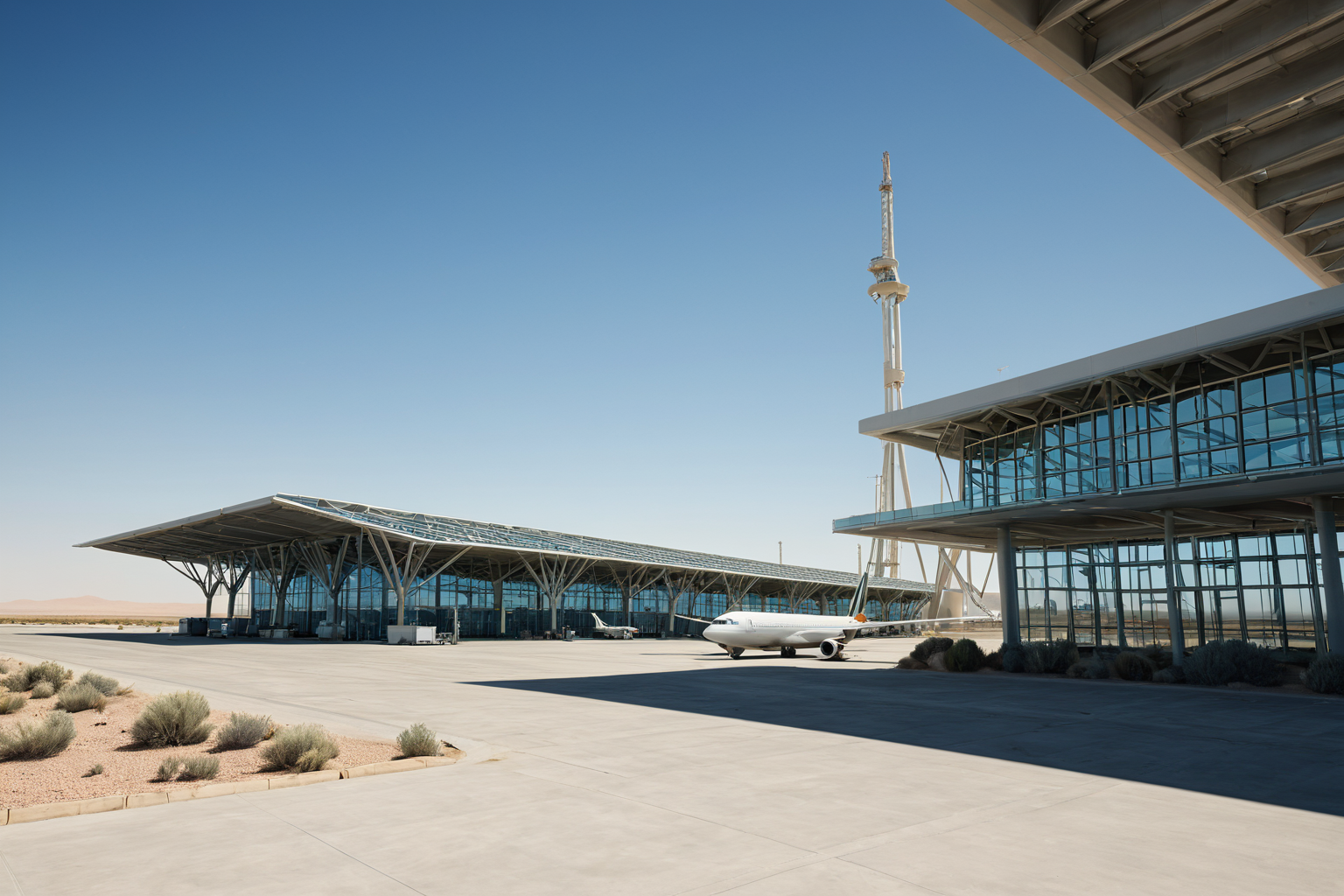
Economic Ripple Effects of the Saudi Airport Attack
A drone attack by Yemen's Houthi rebels on Saudi airports and oil infrastructure has caused international oil prices to surpass $98, significantly impacting the Middle East economy. This incident, which began as retaliation for a strike on Sanaa airport, has expanded the risk of blocking the Strait of Hormuz and Red Sea, disrupting global supply chains. Specifically, the shutdown of Saudi Aramco production facilities following the attack led to reduced oil exports from July 2026 through September 2026, directly affecting the international energy market. Infrastructure damage in southern Saudi Arabia also temporarily halted air travel, negatively impacting tourism and trade activities.
Attack Timeline and Casualties
On July 14, 2026, Houthi rebels attacked southern Saudi airports and Aramco oil facilities, declaring it retaliation for the Sanaa airport strike. By September 8, approximately 70 people had been injured. The attack appears to have stemmed from the Houthis' capture of the Mocha port and subsequent Saudi retaliatory airstrikes. Civilian infrastructure in southern Saudi Arabia was also damaged during the attack, with reports of damage to residential and commercial properties. This complex situation is analyzed as a result of multiple factors related to the Yemeni civil war, with the Houthi rebels claiming civilian casualties occurred due to Saudi airstrikes.
Rising Oil Prices and Global Supply Chain Disruption
On July 23, international oil prices surpassed $98, significantly impacting the Middle East economy. This was directly caused by an increased risk of blocking the Strait of Hormuz and Red Sea due to Houthi attacks. Specifically, disruptions in oil supply chains from the Red Sea—Saudi Aramco's main export route—raised concerns about potential shipping halts. The International Energy Agency (IEA) warned of increased price volatility due to supply chain disruptions, predicting further oil price increases by late July 2026. Additionally, global logistics costs have risen, placing a burden on importers in the Asian market.
Saudi Response and Re-evaluation of U.S. Dependence
The Saudi government condemned the Houthi attack on civilian infrastructure and navigation interference, immediately calling for its cessation. Following this, Saudi Arabia began discussing a re-evaluation of its reliance on the United States amid concerns about the destabilization of Middle East security frameworks. This strategic adjustment appears to reflect Saudi efforts to respond to changing international circumstances. Specifically, Saudi Arabia is shifting toward seeking multilateral security cooperation rather than strengthening military ties with the U.S., signaling potential weakening of U.S. influence in the region. The Saudi Ministry of Foreign Affairs has announced plans to pursue a diversified strategy to secure international trade and energy stability.
Escalating Security Threats and Blockade Risks
After the Houthi attacks, risks of blocking the Strait of Hormuz and Red Sea have expanded. This has heightened tensions in the Middle East, with Gulf states expressing concerns about how to end the Iran conflict. Experts warn that potential blockades of the critical oil artery, the Strait of Hormuz, and the Red Sea could lead to a global economic downturn. The World Trade Organization (WTO) has urged multilateral dialogue to prevent trade disruptions in case of blockades, while the European Union (EU) is also engaging in diplomatic efforts to ease regional tensions. Additionally, Iran appears to be supporting the Houthi rebels, escalating U.S.-Iran tensions in the Middle East.

Detailed Economic Impact Analysis of Saudi Airport Attack
The surge in international oil prices following the attack has directly impacted the Middle East economy. After damage to Saudi Aramco facilities and airports, disruptions occurred in oil production and exports, leading to global energy price fluctuations. Specifically, oil production in Saudi Arabia is estimated to have decreased by 20% after the attack, disrupting the energy supply balance in the Middle East. Risks of blocking the Strait of Hormuz and Red Sea have disrupted supply chains, with potential severe impacts on the global economy if oil transport routes are blocked. The International Monetary Fund (IMF) predicts that the Middle East's economic growth rate will decline by 1.5 percentage points in the second half of 2026.
Tensions Between Saudi Arabia and Houthi Rebels
The Houthis targeted Saudi airports as retaliation for a strike on Sanaa airport, reflecting complex factors related to the Yemeni civil war. After Saudi Arabia conducted retaliatory airstrikes following damage to Aramco facilities, tensions escalated when a ceasefire collapsed. Specifically, the Houthis' capture of Mocha port worsened relations between Saudi Arabia and the Yemeni government, signifying strategic shifts in regional positioning. Saudi Arabia is preparing strong responses to the Mocha port occupation, which could lead to further military actions. Additionally, the Houthi rebels warned that Saudi attacks risk reigniting the Yemeni civil war.
Economic Uncertainty in the Middle East
Saudi Arabia's discussion of re-evaluating its reliance on the U.S. has foreshadowed changes in Middle East security structures, increasing economic uncertainty in the region and having significant impacts on global markets. Specifically, expanding risks of blocking the Strait of Hormuz and Red Sea have heightened concerns about supply chain stability. The International Energy Agency (IEA) estimates that economic losses due to energy supply instability in the Middle East could reach approximately $50 billion by late 2026. Additionally, this situation may negatively impact foreign direct investment (FDI) inflows into the Middle East.
Verified Information
Reports related to the Saudi airport attack align with Houthi claims of capturing Mocha port and Saudi airstrikes. This has heightened regional tensions, resulting in rising global oil prices and expanded risks of blocking the Strait of Hormuz and Red Sea. Governments have condemned Houthi attacks on civilian infrastructure and called for an immediate halt, while Saudi Arabia is discussing re-evaluating its reliance on the U.S. Readers can refer to reports from the International Energy Agency (IEA) and International Monetary Fund (IMF) for deeper understanding of economic impacts.
Frequently Asked Questions
Why did international oil prices rise due to the Saudi airport attack?
The Houthi rebel drone attacks on Saudi airports and oil facilities increased the risk of blocking the Strait of Hormuz and Red Sea, disrupting global oil supply chains. This led to international oil prices surpassing $98.
How did Saudi Arabia respond?
Saudi government condemned Houthi attacks on civilian infrastructure and navigation interference, immediately calling for their cessation. Additionally, Saudi Arabia is discussing re-evaluating its reliance on the U.S., foreshadowing changes in Middle East security structures.
What economic impacts has the Houthi attack had on the Middle East?
The Houthi attacks caused rising oil prices, expanded risks of blocking the Strait of Hormuz and Red Sea, and global supply chain disruptions. These factors have directly impacted the Middle East economy and could affect the global economy.
You can view similar articles on this topic in one place.
View Related ArticlesFAQ
Why did international oil prices rise due to the Saudi airport attack?
The Houthi rebel drone attacks on Saudi airports and oil facilities increased the risk of blocking the Strait of Hormuz and Red Sea, disrupting global oil supply chains. This led to international oil prices surpassing $98.
How did Saudi Arabia respond?
Saudi government condemned Houthi attacks on civilian infrastructure and navigation interference, immediately calling for their cessation. Additionally, Saudi Arabia is discussing re-evaluating its reliance on the U.S., foreshadowing changes in Middle East security structures.
What economic impacts has the Houthi attack had on the Middle East?
The Houthi attacks caused rising oil prices, expanded risks of blocking the Strait of Hormuz and Red Sea, and global supply chain disruptions. These factors have directly impacted the Middle East economy and could affect the global economy.
Korean Source
This article is an English localization of a Korean-language report from BlogScore. Original: 사우디 공항 공격으로 인한 지역 경제 영향 분석