
Domestic Production Tax Credit Policy Changes: Key Updates for 2026
Background of the Domestic Production Tax Credit Policy
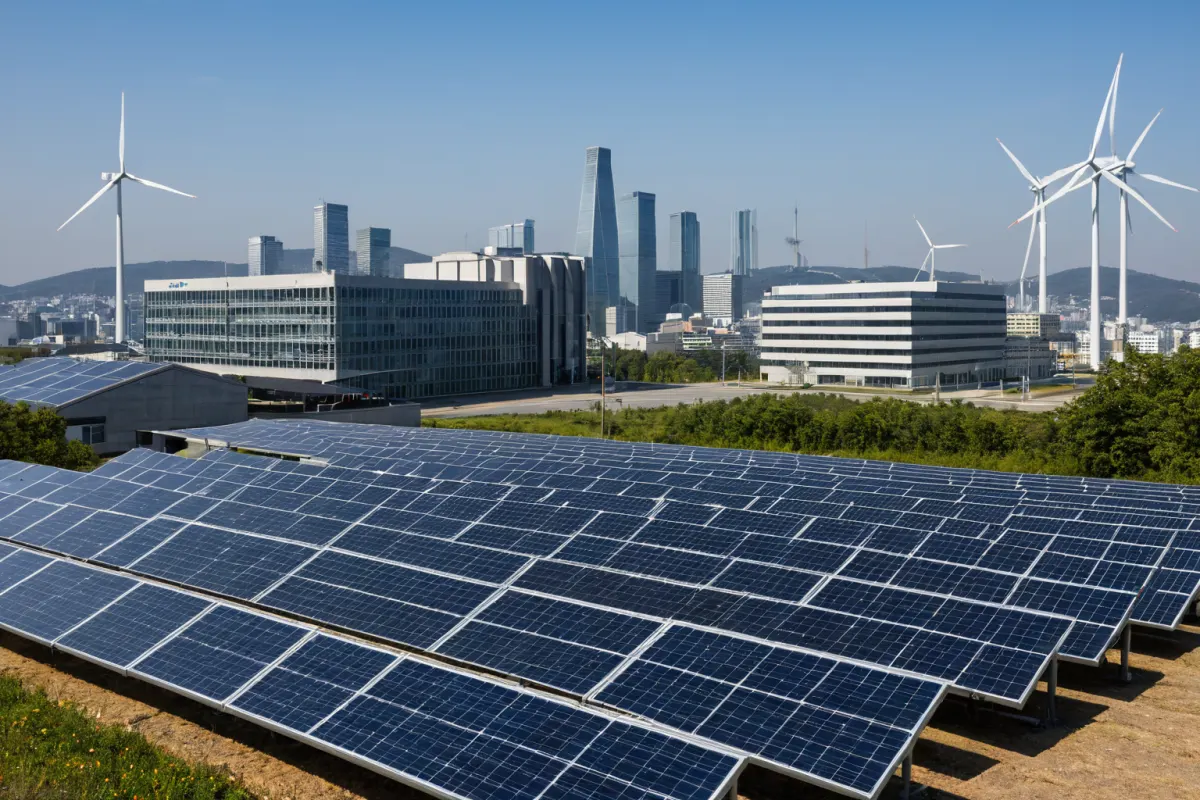
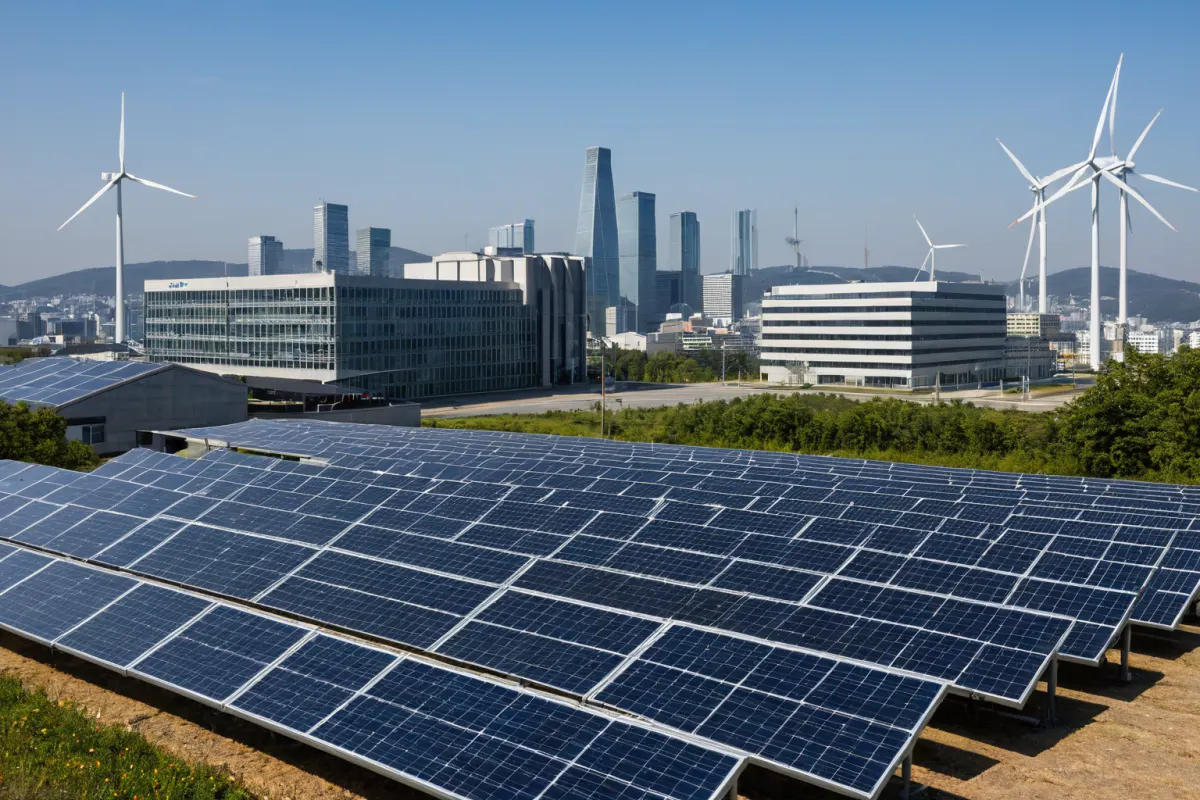
The domestic production tax credit policy will be introduced through a 2026 tax law amendment, supporting domestic production in six strategic industries—solar power, wind energy, batteries—and national strategic technology sectors such as semiconductors, AI, and biotechnology. This policy, referred to as 'K-IRA,' draws inspiration from the U.S. Inflation Reduction Act (IRA) and has become a key focus of the 2026 tax reform.
The Solar Industry Association and Korea New Energy Industry Association welcome this policy, anticipating enhanced competitiveness in advanced technologies. Following the announcement of the 2026 tax law amendment, the number of export-oriented companies is expected to reach a five-year high.
Representative Hwang Jeong-a has proposed the National Strategic Technology Production Tax Credit Act to strengthen support for domestic production in AI, semiconductors, and biotechnology. Alongside the introduction of a new productive financial ISA (Individual Savings Account), expanded overseas supply chain investment is also being pursued, viewed as a strategy to enhance global competitiveness.
Related policy changes are concentrated in areas such as bio raw materials and advanced manufacturing, with expectations that tax system revisions starting in 2026 will boost domestic production. The U.S. advanced manufacturing production tax credit (Section 45X) is cited as a reference example.

Support Status by Major Industry Sectors
The domestic production tax credit system will apply to six strategic industries, including solar power, wind energy, and batteries, marking the introduction of what is known as K-IRA—a tax credit tied to domestic production volume. The Solar Industry Association and Korea New Energy Industry Association welcome this policy, expecting it to strengthen competitiveness in advanced technologies.
Starting in 2026, tax credits will be introduced under tax reforms to support domestic production in national strategic technology sectors like semiconductors, secondary batteries, AI, and biotechnology. Representative Hwang Jeong-a has proposed related legislation aiming to expand production in these fields.
A new productive financial ISA is planned to support domestic production of semiconductors and secondary batteries. The introduction of the domestic production tax credit is expected alongside expanded overseas supply chain investment, which is anticipated to strengthen export companies' competitiveness.
Corporate tax credits for bio raw materials are set to be introduced, with CDMO (Contract Development and Manufacturing Organization) companies expected to benefit the most. These provisions will likely be included in tax system revisions starting in 2026.
Korea's 'K-IRA' policy is linked to changes in major countries' electric vehicle subsidy policies. Countries like Germany and the UK, which announced the abolition of EV subsidies in March 2026, are now considering reintroducing them due to declining sales after the cut-off. In response, South Korea is urged to strengthen its domestic production incentive tax measures.
Historical Context of Policy Changes
The domestic production tax credit policy will be introduced for the first time in the 2026 tax law amendment. Previously, both welfare and industrial support shifted toward subsidies instead of tax credits, but recent policy changes have brought back tax credits.
According to a July 2026 article, the domestic production tax credit is planned to be introduced to expand overseas supply chain investment, with particular focus on supporting production in advanced technology sectors.
Representative Hwang Jeong-a announced plans to propose related legislation in July 2026 aimed at enacting the National Strategic Technology Production Tax Credit Act. The bill seeks to strengthen domestic production in AI, semiconductors, and biotechnology.
The Solar Industry Association and Korea New Energy Industry Association welcomed the policy introduction, expecting enhanced competitiveness in advanced technologies. Following the announcement of the 2026 tax law amendment, the number of export companies is expected to reach a five-year high.
The U.S. advanced manufacturing production tax credit (Section 45X) is cited as a reference example for this policy, seen as a strategic move to boost global market competitiveness.
Response Strategy for Domestic Electric Vehicle Industry
Major countries are considering reintroducing electric vehicle subsidies after abolishing them in March 2026 due to declining sales. Germany and the UK announced the abolition of EV subsidies in March 2026 but are now reviewing a policy U-turn amid falling sales.
Korea is urged to strengthen its domestic production incentive tax measures through the introduction of 'K-IRA' to counter rising Chinese electric vehicles, which threaten the survival of domestic car manufacturers.
Discussions on responding to major countries' policy changes and strengthening competitiveness in Korea's EV industry are ongoing. This issue directly impacts the development of South Korea's advanced technology industries.
Key Information to Verify
The domestic production tax credit policy applies to six strategic industries and national strategic technology sectors, operating under what is called K-IRA—a tax credit system linked to domestic production volume. Representative Hwang Jeong-a has proposed related legislation, with new productive financial ISA and expanded overseas supply chain investment also being pursued.
The Solar Industry Association and Korea New Energy Industry Association welcome the policy, expecting enhanced competitiveness in advanced technologies. Following the announcement of the 2026 tax law amendment, export company numbers are expected to reach a five-year high.
Corporate tax credits for bio raw materials and advanced manufacturing sectors will benefit CDMO companies most significantly. These provisions will likely be included in tax system revisions starting in 2026.
Frequently Asked Questions
What are the main industries covered by the domestic production tax credit policy?
The domestic production tax credit policy applies to six strategic industries—solar power, wind energy, batteries—and national strategic technology sectors such as semiconductors, AI, and biotechnology. This represents the introduction of a K-IRA-style tax credit system tied to domestic production volume.
What does Representative Hwang Jeong-a's proposed bill include?
Representative Hwang Jeong-a has proposed the National Strategic Technology Production Tax Credit Act, aiming to support domestic production in AI, semiconductors, and biotechnology. This bill became a key focus of the 2026 tax reform.
How do major countries' electric vehicle subsidy changes affect South Korea?
Major countries like Germany and the UK are considering reintroducing EV subsidies after abolishing them in March 2026 due to declining sales. In response, South Korea is urged to strengthen its domestic production incentive tax measures. The rise of Chinese electric vehicles has raised survival concerns for domestic car manufacturers.
Frequently Asked Questions
The domestic production tax credit policy supports the production of six strategic industries and national strategic technology sectors under a system called K-IRA, inspired by the U.S. IRA. It was introduced as a key focus in the 2026 tax law amendment.
Representative Hwang Jeong-a has proposed related legislation, with new productive financial ISA and expanded overseas supply chain investment also being pursued. The Solar Industry Association and Korea New Energy Industry Association welcome this policy, expecting enhanced competitiveness in advanced technologies.
Following the announcement of the 2026 tax law amendment, export company numbers are expected to reach a five-year high. Corporate tax credits for bio raw materials and advanced manufacturing sectors will most benefit CDMO companies.
In response to major countries' EV subsidy changes, South Korea is urged to strengthen its domestic production incentive tax measures. The rise of Chinese electric vehicles has raised survival concerns for domestic car manufacturers.
The policy is viewed as a strategy to enhance global competitiveness and is expected to begin full implementation from 2026 onward, contributing to industrial development.
You can view similar articles in one place.
View Related ArticlesFAQ
What are the main industries covered by the domestic production tax credit policy?
The domestic production tax credit policy applies to six strategic industries—solar power, wind energy, batteries—and national strategic technology sectors such as semiconductors, AI, and biotechnology. This represents the introduction of a K-IRA-style tax credit system tied to domestic production volume.
What does Representative Hwang Jeong-a's proposed bill include?
Representative Hwang Jeong-a has proposed the National Strategic Technology Production Tax Credit Act, aiming to support domestic production in AI, semiconductors, and biotechnology. This bill became a key focus of the 2026 tax reform.
How do major countries' electric vehicle subsidy changes affect South Korea?
Major countries like Germany and the UK are considering reintroducing EV subsidies after abolishing them in March 2026 due to declining sales. In response, South Korea is urged to strengthen its domestic production incentive tax measures. The rise of Chinese electric vehicles has raised survival concerns for domestic car manufacturers.
Korean Source
This article is an English localization of a Korean-language report from BlogScore. Original: 국내생산세액공제 최신 정책 변화, 주요 내용 정리