
The Dokdo Sovereignty Dispute: Analyzing Domestic Reactions to Japan's Defense White Paper
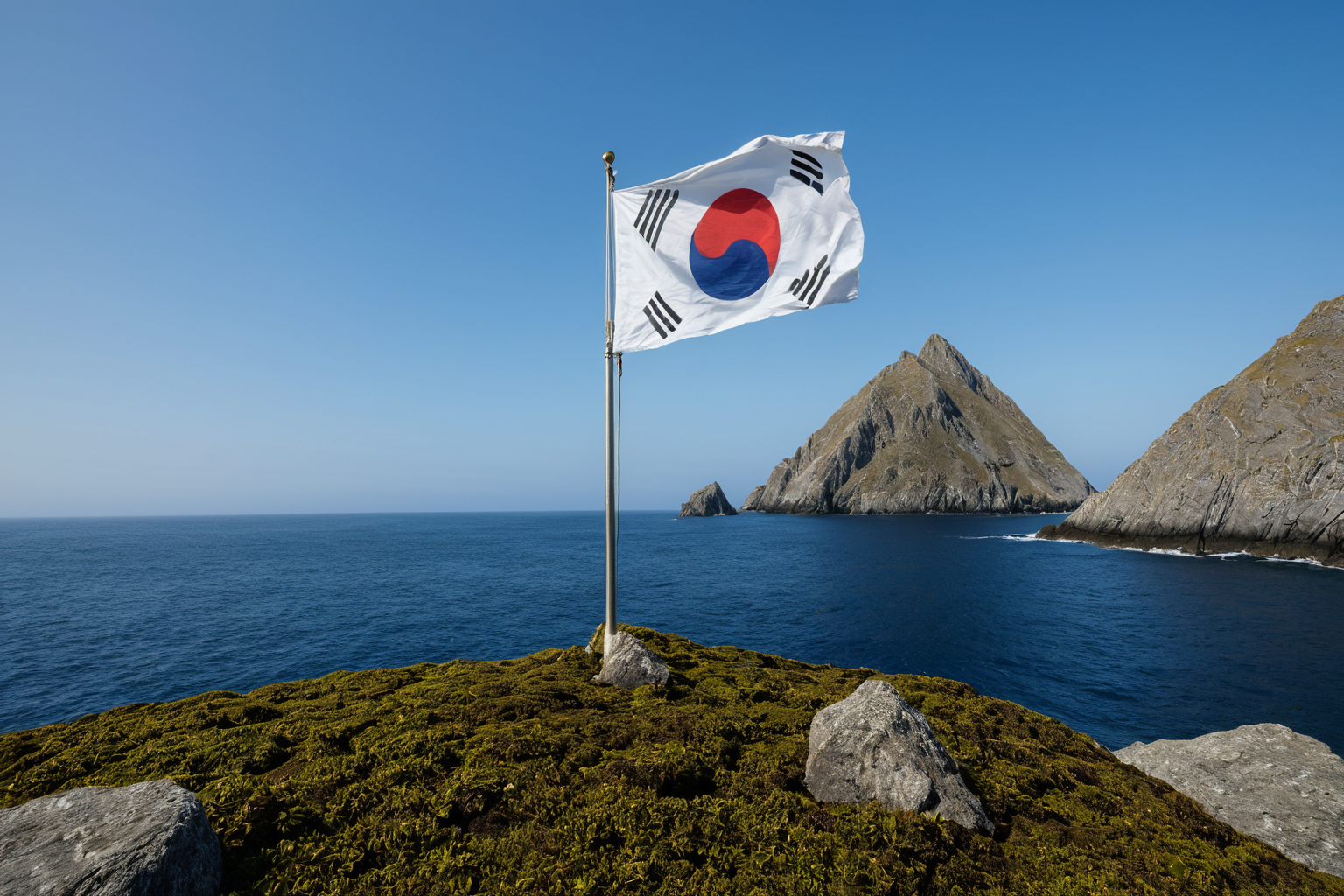
The Persistence of Japan's Dokdo Sovereignty Claim in Defense White Papers
Japan's defense white paper has included claims that Dokdo is part of Japan for 22 consecutive years, prompting strong domestic reactions. The government and Gyeongsangbuk-do (North Gyeongsang Province) have urged Japan to withdraw its claim based on international law and historical facts, particularly after the August 4, 2026 release of the defense white paper, which reasserted Dokdo's sovereignty. Japanese officials have maintained this position since the early 1900s, though the international community has not accepted it; UN documents from 2005 clearly identify Dokdo as South Korean territory. Japan's continued stance remains a major obstacle to improving bilateral relations.

Government and Local Authorities' Strong Response
The government continues to protest Japan's 22-year-old claim in its defense white paper, urging Tokyo to retract it. Gyeongsangbuk-do Education Office and Provincial Assembly strongly condemned the August 5 statement regarding Dokdo sovereignty, stating 'Dokdo is South Korea's inherent territory, and Japan's claim ignoring international law and historical facts cannot be justified.' The education office is developing educational materials on Dokdo for local schools, while the provincial assembly has formed a special committee to thoroughly analyze Japan's position. The government also delivered an official protest through its embassy in Tokyo and is running campaigns to highlight Dokdo's importance internationally.
Japan's Contradictory Approach: Dokdo Issue and Bilateral Relations
Despite maintaining its Dokdo claim, Japan has repeatedly referred to South Korea as a 'key partner' for three consecutive years in its defense white papers. This contradictory stance suggests Japan aims to improve its international image while clinging to its territorial position. Although Japan has promoted economic cooperation with South Korea since 2023, political tensions over Dokdo have hindered progress. While Tokyo has attempted dialogue on historical issues, the Dokdo dispute remains a core point of contention.
International Context: China's Criticism and Its Impact on Japan-South Korea Relations
China criticized Japan's inclusion of 'China threat theory' in its defense white paper, arguing that Japan is deflecting from its own unresolved issues by highlighting external threats. China pointed out that Japan emphasizes both the Dokdo sovereignty claim and the 'China threat theory,' suggesting it is attacking other countries instead of resolving its own problems. In response, China has urged Japan to resolve the Dokdo issue as part of improving Japan-South Korea relations while strengthening criticism against Japan's 'China threat theory.' South Korean President has adjusted rhetoric on historical issues and emphasized cooperation, but Japan's Dokdo claims continue to hinder bilateral progress.
Historical Background of the Dokdo Sovereignty Dispute
Dokdo is recognized as South Korea's inherent territory under international law and historical facts since 1954, when the South Korean government began administering it. Japan has claimed Dokdo since the early 1900s, but the international community has not accepted this position; UN documents from 2005 clearly identify Dokdo as South Korean territory. A 1968 Japanese report on maritime zones and international law did not classify Dokdo under Japanese jurisdiction, and in 2007, Japan itself acknowledged it does not claim Dokdo as part of its territory. These historical facts weaken the legal basis for Japan's position.
Consistency of Domestic Public Opinion and Responses
Domestic public opinion strongly rejects Japan's claims about Dokdo in its defense white paper, with media and civil society groups emphasizing that 'Dokdo is South Korea's inherent territory' based on international law and historical facts. In Gyeongsangbuk-do, various campaigns and educational activities are underway to protect Dokdo, reflecting public resistance against Japan's position. The August 5, 2026 announcement by the Gyeongsangbuk-do Education Office of a 'Dokdo Sovereignty Enhancement Educational Program' focuses on teaching students about Dokdo's history and international law in local schools. Civil society group 'Dokdo Guardians' held a large rally at Seoul's Gwanghwamun Square on August 4, the day Japan released its defense white paper, to affirm their resolve to protect Dokdo's sovereignty.
Limits of Improving Japan-South Korea Relations
Improving Japan-South Korea relations depends on resolving the Dokdo issue. If Japan renounces its claim over Dokdo, cooperation and dialogue between the two nations could progress more smoothly. However, Japan continues to pursue bilateral improvement while maintaining its territorial dispute, creating a contradictory stance. Economic cooperation programs initiated in 2023 have struggled due to political tensions over Dokdo, and high-level talks have often highlighted the Dokdo issue, deepening divisions. The ongoing controversy surrounding Japan's defense white paper remains a persistent challenge for improving relations.
Information for Searchers
It is important to understand how domestic public opinion in South Korea reacts to Japan's claims about Dokdo sovereignty in its defense white paper, and how Japan's contradictory approach affects bilateral relations. Specifically, the interaction between the August 4, 2026 release of the defense white paper claiming Dokdo as Japanese territory and the government and Gyeongsangbuk-do's strong protest statement reflects evolving public sentiment. Comparing the timing of Japan's defense white paper releases with diplomatic schedules can help explore possibilities for international efforts to resolve the Dokdo issue.
Frequently Asked Questions
Is Dokdo South Korea's inherent territory?
Yes. Dokdo is recognized as South Korea's inherent territory under international law and historical facts.
Why does Japan's defense white paper claim Dokdo as part of Japan?
Japan has maintained this claim for 22 years, but it contradicts international law and historical facts and faces strong opposition from the South Korean government and public.
What should Japan do to improve Japan-South Korea relations?
Japan should resolve the Dokdo sovereignty issue and shift toward prioritizing cooperation with South Korea.
You can view similar articles on this topic in one place.
View Related ArticlesFAQ
Is Dokdo South Korea's inherent territory?
Yes. Dokdo is recognized as South Korea's inherent territory under international law and historical facts.
Why does Japan's defense white paper claim Dokdo as part of Japan?
Japan has maintained this claim for 22 years, but it contradicts international law and historical facts and faces strong opposition from the South Korean government and public.
What should Japan do to improve Japan-South Korea relations?
Japan should resolve the Dokdo sovereignty issue and shift toward prioritizing cooperation with South Korea.
Korean Source
This article is an English localization of a Korean-language report from BlogScore. Original: 독도 주권 논란, 일본 방위백서에 대한 국내 여론 분석