
DN Automotive Battery Plant Lead Poisoning Incident: Cause Analysis
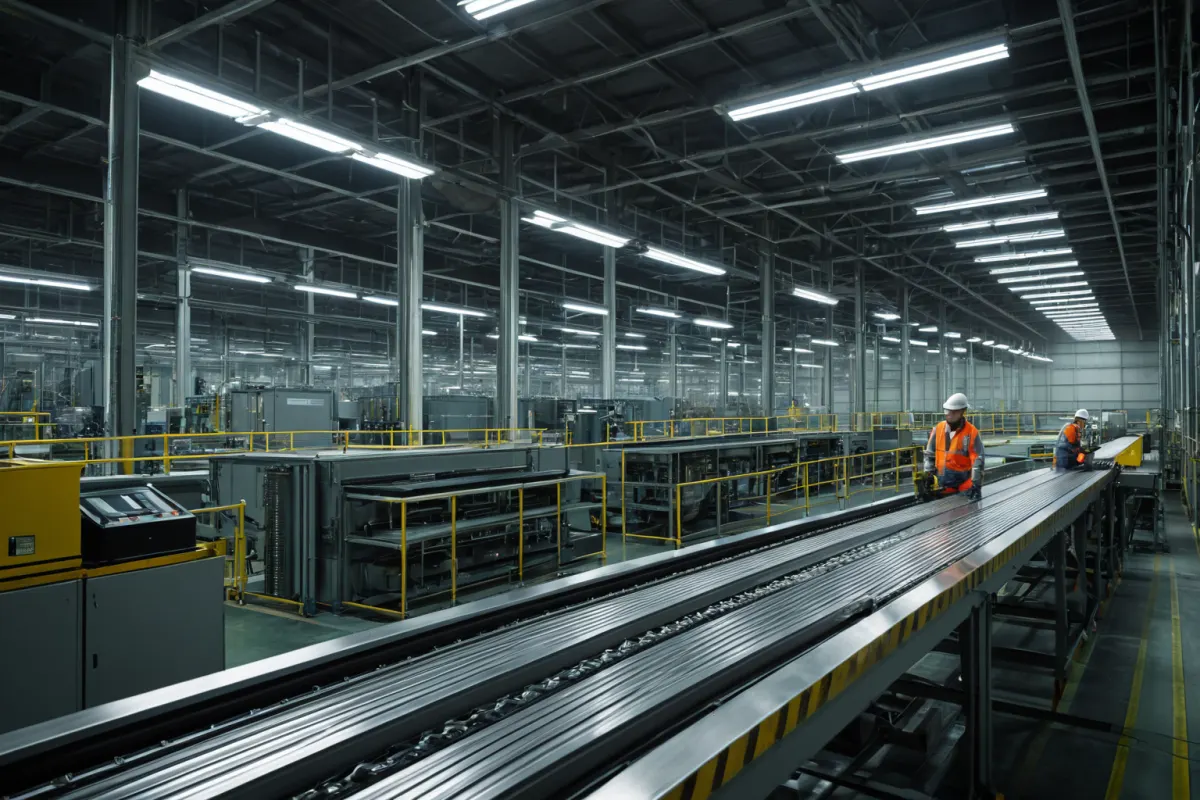
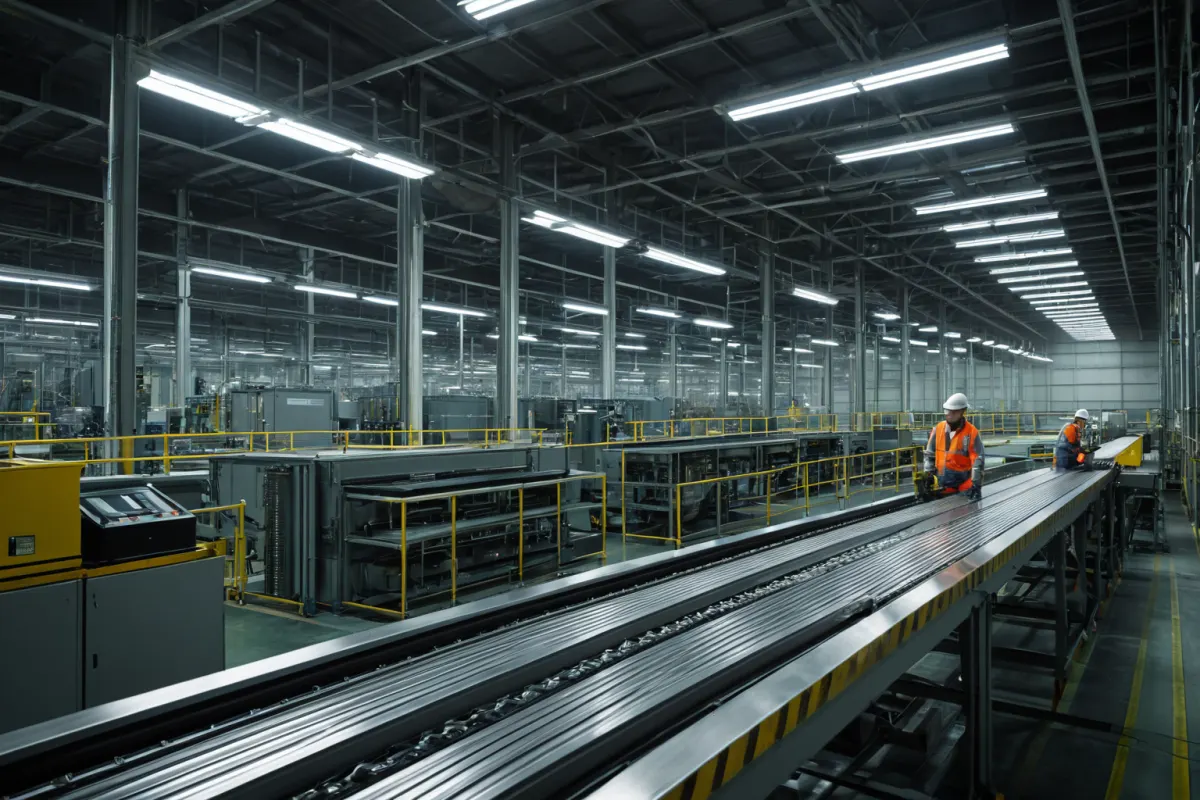
DN Automotive Battery Plant Lead Poisoning Incident Overview
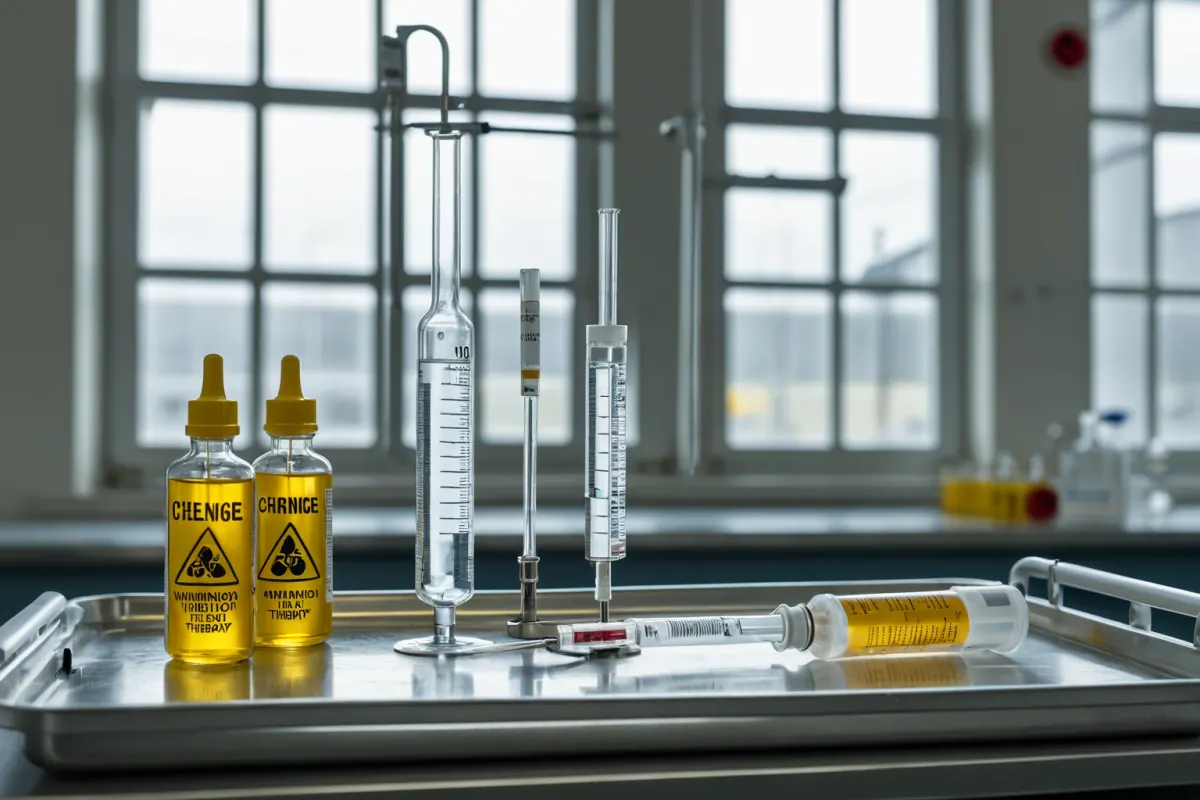
It was confirmed that DN Automotive's Ulsan plant administered a heavy metal chelation injection—marketed as a vitamin injection—to 217 workers. This was done to artificially lower blood lead levels below the occupational disease threshold (40 μg/dL), according to union analysis. The average blood lead level for 114 workers from 2022–2025 was found to be 15.6 μg/dL, approximately ten times higher than the general adult average of 1.44 μg/dL.
This level far exceeded the occupational disease standard, and despite serious failures in hazardous substance management at the factory, the company administered these injections before health checkups to artificially reduce lead levels. This method is prohibited for preventive use in the U.S., with risks of kidney damage and other side effects.
Key Facts of the Incident
DN Automotive's Ulsan plant was fined 46.2 million won (approximately $35,000) for violating 88 industrial safety and health regulations. Workers reported health issues including kidney dysfunction, high blood pressure, and neurological symptoms, yet no cases of lead poisoning meeting occupational disease criteria were reported over five years.
Following a report on MBC's 'Straight' program on October 11, 2026, DN Automotive publicly admitted to administering the chelation injections to 217 workers. The Cheong Wa Dae (Presidential Office) chief spokesperson criticized the company, and President Yoon ordered a thorough investigation.
Purpose and Risks of the Injections
The company misled workers by calling the injections 'vitamin shots,' which is prohibited for preventive use in the U.S. Despite blood lead levels being over ten times higher than normal, the company used these injections to conceal elevated levels.
At DN Automotive's Ulsan plant, lead levels exceeding five times the standard were detected during production, yet the factory circumvented safety evaluations by using deceptive practices that harmed worker health. This severely undermined occupational disease management systems.
The union demands a thorough investigation into hazardous substance exposure and injection administration at the plant. The case highlights how the company prioritized profits over worker health, failing to comply with occupational disease management standards.
The lead poisoning issue at DN Automotive's Ulsan plant is not just an internal management failure but also illustrates the inadequacy of occupational disease prevention systems in industrial settings. Calls are growing for stronger policies to protect workers' health and stricter oversight of hazardous substance management.
Government Response and Future Outlook
The government plans to thoroughly investigate DN Automotive's violations of the Industrial Safety and Health Act. This reflects a strict response toward companies that fail to comply with occupational disease management standards.
Labor unions and labor authorities are demanding a review of DN Automotive's hazardous substance management system and stronger policies for worker health protection. The incident serves as a reminder of how critical proper occupational disease management is in industrial settings.
FAQ
Why were injections administered at DN Automotive Ulsan plant?
The injections—chelation therapy to remove heavy metals, falsely labeled as vitamin shots—were used to artificially lower blood lead levels below the occupational disease threshold (40 μg/dL) before health checkups.
How many violations of the Industrial Safety and Health Act were found at DN Automotive Ulsan plant?
The plant was found in violation of 88 regulations, resulting in a fine of 46.2 million won (approximately $35,000).
How was the lead poisoning incident reported?
The issue was first reported on MBC's 'Straight' program on October 11, 2026. Following this, DN Automotive admitted to administering the injections, and the government ordered a thorough investigation.
Korean Source
This article is an English localization of a Korean-language report from BlogScore. Original: DN오토모티브 배터리 관련 납 중독 사고 원인 분석