
DMZ Landmine Explosion Incident: On-Site Conditions and Safety Measures
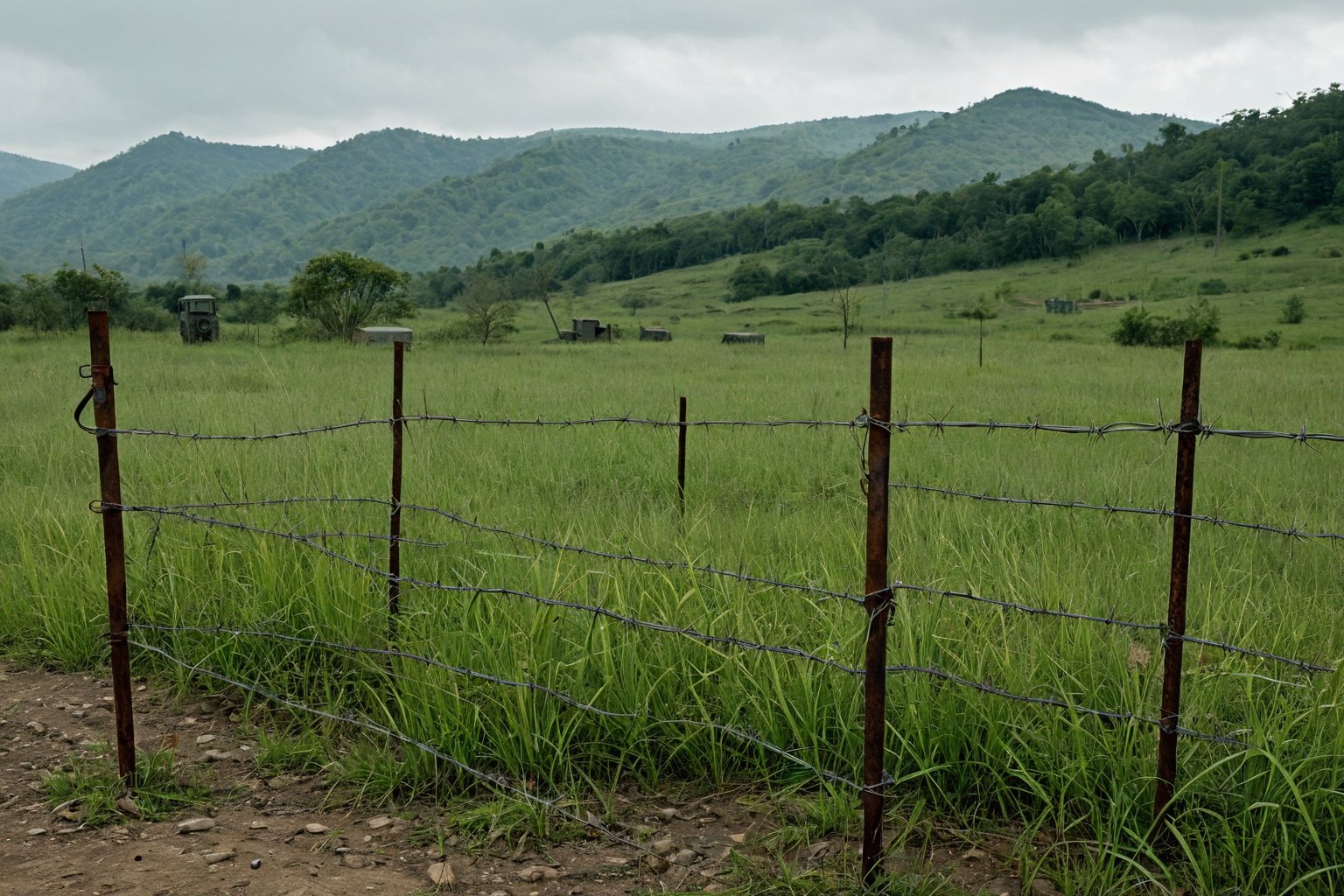
DMZ Landmine Explosion Incident Site Conditions
On September 21, 2026, three soldiers from the 25th Army Division sustained injuries (two severely, one lightly) after a landmine explosion in the DMZ. Investigation revealed at least four North Korean mines, one rubber anti-personnel mine, and an additional plastic mine were discovered. This incident highlights serious safety concerns within the DMZ, prompting joint military and UN Command efforts to secure access on September 26. Notably, the accident occurred in a non-military zone typically used for operations and surveillance, raising further safety risks.
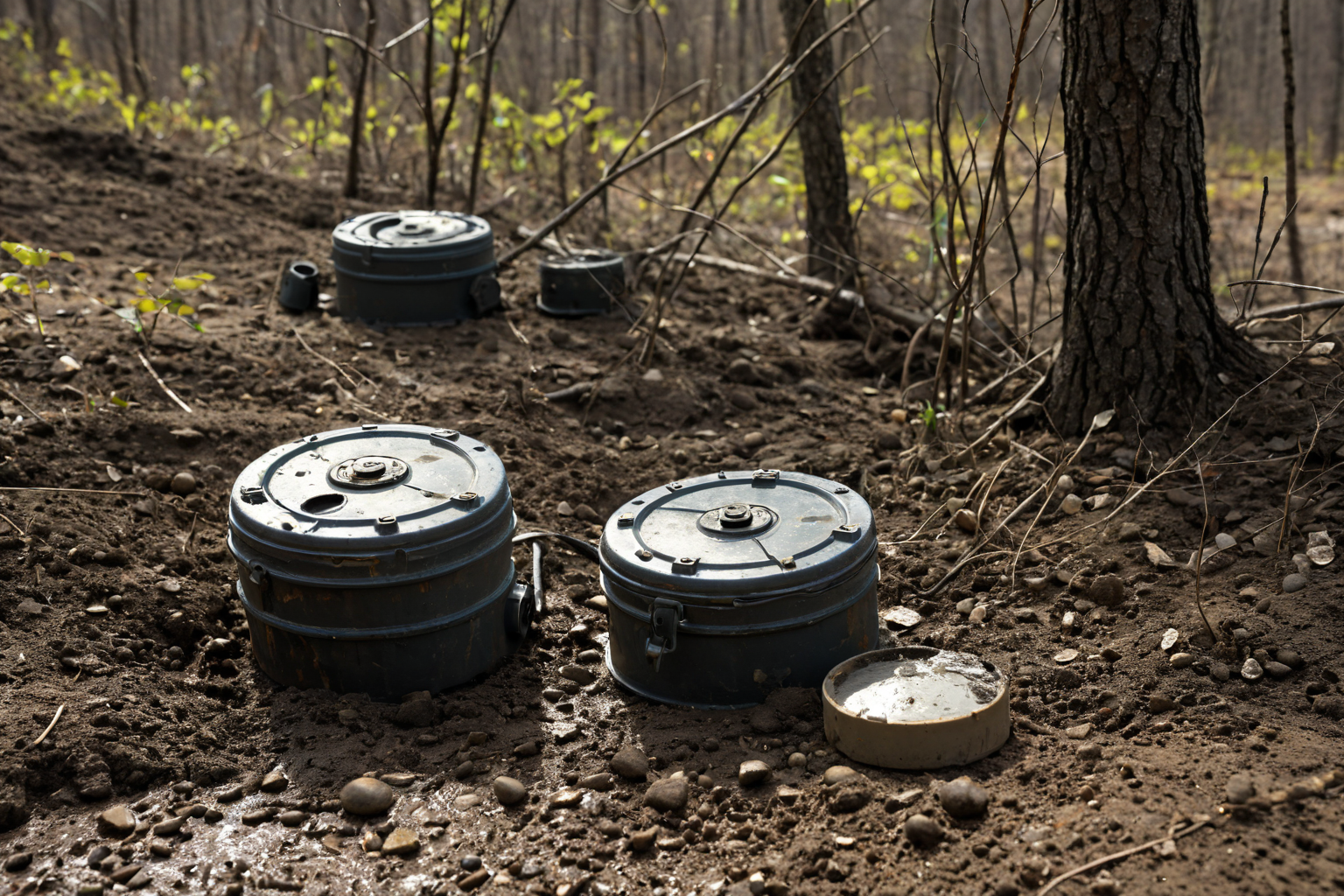
Analysis of the mines found that North Korean models closely resembled rubber anti-personnel mines, while plastic mines were difficult to detect due to their minimal metal components. Unlike traditional metal mines, these could evade detection by standard metal detectors, posing a significant threat to soldiers. The failure to spot the mines in time also exposed gaps in DMZ surveillance systems.
Incident Timeline and Investigation Schedule
The incident occurred during routine DMZ operations by the 25th Army Division on September 21, with injury details and mine types confirmed through official government reports. On September 26 (the third day post-incident), military and UN Command conducted their first joint site investigation but failed to reach the blast location, with further investigations planned. This six-day delay reflects adherence to safety protocols.
On September 28, parliamentary debate in the National Assembly’s Defense Committee highlighted political disagreements over investigation methods. The ruling party urged swift action, while the opposition prioritized thorough fact-finding. This tension underscores the need for transparent and credible investigations.
Types of Mines Found and Media Coverage
At the explosion site, at least four North Korean mines, one rubber anti-personnel mine, and additional plastic mines were confirmed. Media reports indicated these mines were distinct from those initially spotted, with soldiers reporting a device similar to a pressure mine. Additional unexploded mines were also noted.
Rubber anti-personnel mines, commonly used by North Korea, are lightweight and hard to detect. They typically cause ankle injuries rather than severe wounds, disrupting troop movement. Plastic mines, lacking significant metal content, evade standard detection systems, further complicating safety efforts.
Government Non-Disclosure Measures and Political Disputes
The government implemented non-disclosure measures for site security but denied any cover-up. This transparency helped maintain public trust, though some media expressed concerns about excessive information control.
Parliamentary discussions emphasized balancing speed and expertise in investigations. Military and UN Command’s joint findings were highlighted as essential for an official report.
Safety Measures and Recommendations
Following the incident, enhanced safety protocols are being considered. Additional mines found at the site are believed to be North Korean, necessitating improved DMZ procedures. The military plans further investigations after failing to reach the blast zone, while the government focuses on securing the area.
Detection and removal of mines require specialized equipment, especially for plastic mines that evade metal detectors. Training and advanced technology must be prioritized to strengthen safety systems.
Incident Cause and Investigation Status
The explosion is attributed to North Korean mines based on joint military findings. While some reports questioned this, it remains the most likely scenario pending further verification.
Investigations began six days post-incident but failed to reach the blast site, highlighting the complexity of mine detection in challenging terrain. Further analysis aims to pinpoint exact locations and causes.
Key Information and Precautions
The government confirmed non-disclosure measures for safety without concealment, reiterating DMZ security’s importance. Additional mines are believed North Korean, requiring detailed investigation.
Readers should note: First, accurately identifying mine types and locations is critical. Second, improving surveillance systems to detect hidden threats is essential. Third, maintaining transparency in investigations will foster public trust.
Frequently Asked Questions
What caused the DMZ landmine explosion?
North Korean mines are suspected, with at least four confirmed North Korean mines, one rubber anti-personnel mine, and additional plastic mines found on-site.
When did the investigation begin?
The first joint military-UN Command site visit occurred six days after the incident on September 26, 2026, but failed to reach the blast zone.
Why did the government implement non-disclosure measures?
Safety reasons; the government stated no concealment was involved.
View similar articles on this topic in one place.
View Related ArticlesFAQ
What caused the DMZ landmine explosion?
North Korean mines are suspected, with at least four confirmed North Korean mines, one rubber anti-personnel mine, and additional plastic mines found on-site.
When did the investigation begin?
The first joint military-UN Command site visit occurred six days after the incident on September 26, 2026, but failed to reach the blast zone.
Why did the government implement non-disclosure measures?
Safety reasons; the government stated no concealment was involved.
Korean Source
This article is an English localization of a Korean-language report from BlogScore. Original: DMZ 지뢰 폭발사고 현장 상황과 주의사항, 실제 사례 분석