
DMZ Landmine Explosion Incident: Government Response and Opposition Criticism
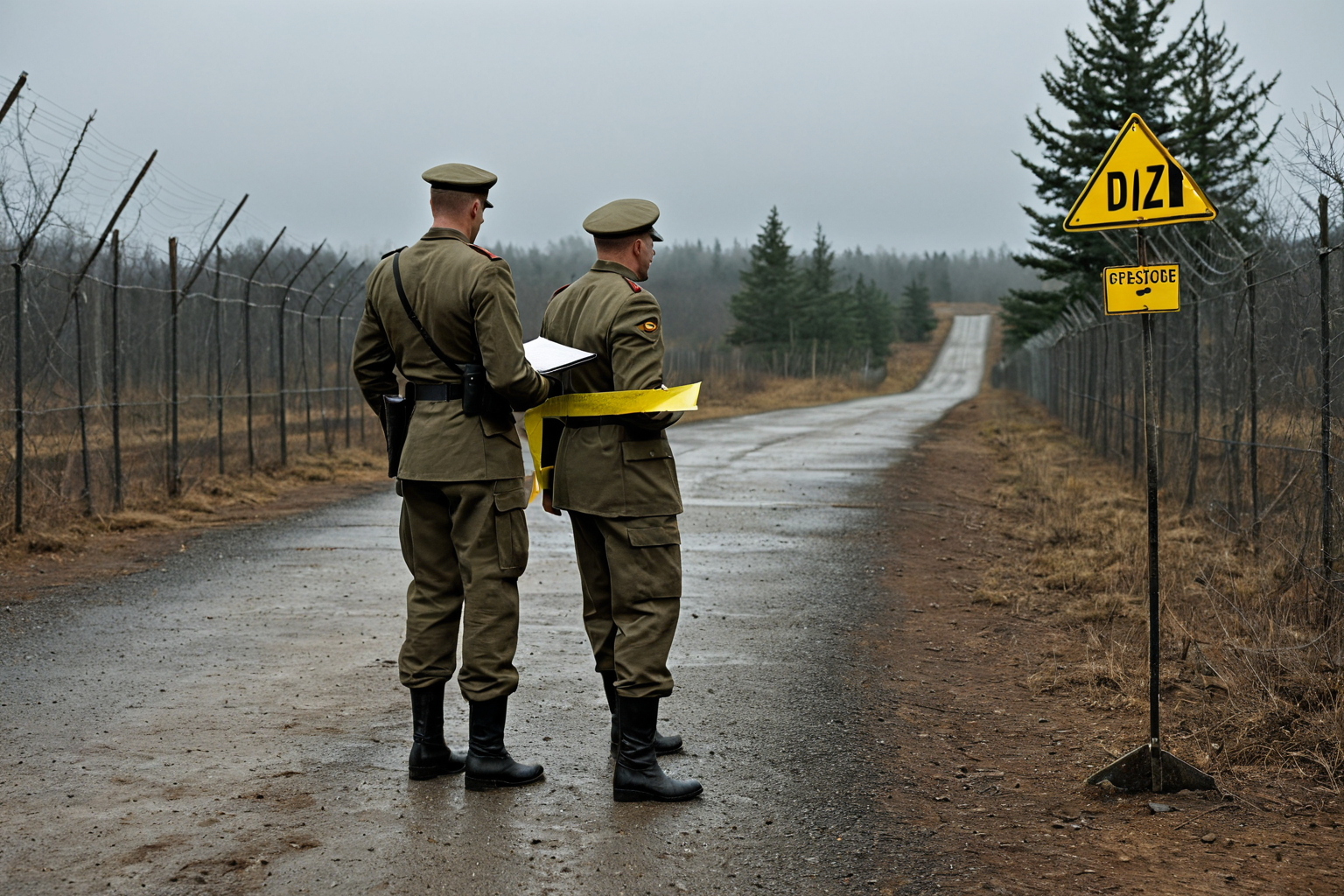
DMZ Landmine Explosion: Government Response and Opposition Criticism
The South Korean government has faced strong criticism from opposition parties over its slow investigation and response to a landmine explosion in the Demilitarized Zone (DMZ). Six days after the incident, on-site investigations finally began, despite testimony about a mine-in-the-foot (MIF) device. Inconsistent information between the National Forensic Service (NFS) report and the Joint Chiefs of Staff's lack of official notification has raised concerns.
Key Facts: Incident and Government Response
Following the landmine explosion in the DMZ, Defense Minister, Chairman of the Joint Chiefs of Staff, and Army Chief visited the site for emergency response. However, the six-day delay in conducting an on-site investigation—despite MIF testimony—has sparked criticism over sluggish action. Political clashes between parties have intensified as they debate uncovering the truth.
Incident Details: From Explosion to Delayed Investigation
The incident reportedly involved a mine-in-the-foot (MIF) device, but the government did not begin on-site investigations for six days. Representative Na Kyung-won and People Power Party members called for immediate clarification and evidence preservation, while Jang Dong-hyuk classified the incident as a North Korean provocation. Park Ji-won criticized the government's inaction with 'Why is the government doing nothing?'
Members of parliament from both parties urged swift investigation and reevaluation of North Korea policy, emphasizing that it took six days for the government to start investigating the landmine explosion. The opposition claims the government delayed action out of concern over North Korean reactions, alleging cover-ups related to prisoners (though this is unclear in context), and has even called for impeachment against President Yoon Suk Yeol's administration.
Investigation Findings: NFS Report vs. Joint Chiefs' Lack of Official Notification
The National Forensic Service's preliminary report suggested a North Korean military mine, but the Joint Chiefs of Staff stated they had not received an official notification regarding this finding. Defense Minister announced plans to respond after confirming the cause, while Kang Sin-cheol mentioned testimony suggesting it was not an MIF device. Han Dong-hoon reportedly pressured the military over unexploded mine claims.
As of September 28, 2026, the Ministry of National Defense has yet to confirm the cause of the incident, continuing criticism that its response has been slow. The Joint Chiefs' lack of official notification on the NFS report has led to inconsistent information, undermining public trust.
Response and Safety: Political Clash Between Parties
Criticism of the government's response has intensified, with opposition parties strongly criticizing the government for failing to conduct an active investigation. Jang Dong-hyuk classified the landmine explosion as a clear North Korean provocation, while Na Kyung-won criticized the government's response and called for thorough investigation and evidence preservation.
The People Power Party has used the DMZ incident as a political attack, stressing the urgency of preventing evidence loss. Representatives Song Seok-joon and the Foreign Affairs Committee Chair have urged immediate clarification and reevaluation of North Korea policy. Calls for impeachment against President Yoon Suk Yeol's administration have further escalated political tensions.
Key Points to Verify: Investigation Delay and Forensic Findings
The core issue with the DMZ landmine explosion is the delayed investigation and inconsistent information. While the NFS report points to a North Korean military mine, the Joint Chiefs of Staff confirmed they had not received an official notification about this finding. This has shaken public trust in the government's response, deepening political clashes.
Conducting on-site investigations six days after the incident—despite MIF testimony—is being criticized as sluggish. The government has faced continued criticism for failing to quickly determine the cause, potentially undermining democratic transparency and public trust.
Frequently Asked Questions
What is the suspected cause of the DMZ landmine explosion?
The National Forensic Service's preliminary report suggests a North Korean military mine, but the government has not officially confirmed this. The Joint Chiefs of Staff stated they were not notified of the NFS findings, and Kang Sin-cheol mentioned testimony indicating it was not an MIF device.
How serious is the delay in government investigation?
The on-site investigation began six days after the incident despite MIF testimony, leading to criticism over slow action. This delay has damaged public trust due to perceived lack of urgency.
How are opposition parties criticizing the government?
The opposition claims the government delayed investigations out of concern for North Korea and covered up prisoner-related issues (though unclear in context), calling for impeachment against President Yoon Suk Yeol's administration. Na Kyung-won and Jang Dong-hyuk have strongly criticized the government's response, urging thorough investigation and evidence preservation.
Frequently Asked Questions
The DMZ landmine explosion incident has intensified political controversy due to delayed government investigations and inconsistent information. The discrepancy between the NFS report and the Joint Chiefs' lack of official notification has raised concerns about transparency, undermining public trust. The government must quickly confirm the cause and transparently communicate findings to restore confidence.
As political clashes continue between parties, urgent active investigation and response are needed. While on-site investigations began six days after the incident despite MIF testimony, criticism over delayed action persists. This has damaged public trust and highlighted the importance of transparency in government responses.
The Ministry of National Defense and Joint Chiefs must share accurate information to address public concerns. Additionally, confirming the cause promptly and reporting transparently will contribute to democratic transparency and trust-building.
This incident serves as a reminder of how critical swift and transparent government action is for public safety. In this moment when the government's role in safeguarding citizens' security is emphasized, it must restore public trust through timely and transparent investigations and communication.

You can view similar articles on this topic in one place.
View Related ArticlesFAQ
What is the suspected cause of the DMZ landmine explosion?
The National Forensic Service's preliminary report suggests a North Korean military mine, but the government has not officially confirmed this. The Joint Chiefs of Staff stated they were not notified of the NFS findings, and Kang Sin-cheol mentioned testimony indicating it was not an MIF device.
How serious is the delay in government investigation?
The on-site investigation began six days after the incident despite MIF testimony, leading to criticism over slow action. This delay has damaged public trust due to perceived lack of urgency.
How are opposition parties criticizing the government?
The opposition claims the government delayed investigations out of concern for North Korea and covered up prisoner-related issues (though unclear in context), calling for impeachment against President Yoon Suk Yeol's administration. Na Kyung-won and Jang Dong-hyuk have strongly criticized the government's response, urging thorough investigation and evidence preservation.
Korean Source
This article is an English localization of a Korean-language report from BlogScore. Original: DMZ 지뢰 폭발 사건 현장 상황과 정부 대응