
DMZ Explosion Incident: Reporting and Investigation Process
DMZ Explosion Incident and Initial Reports
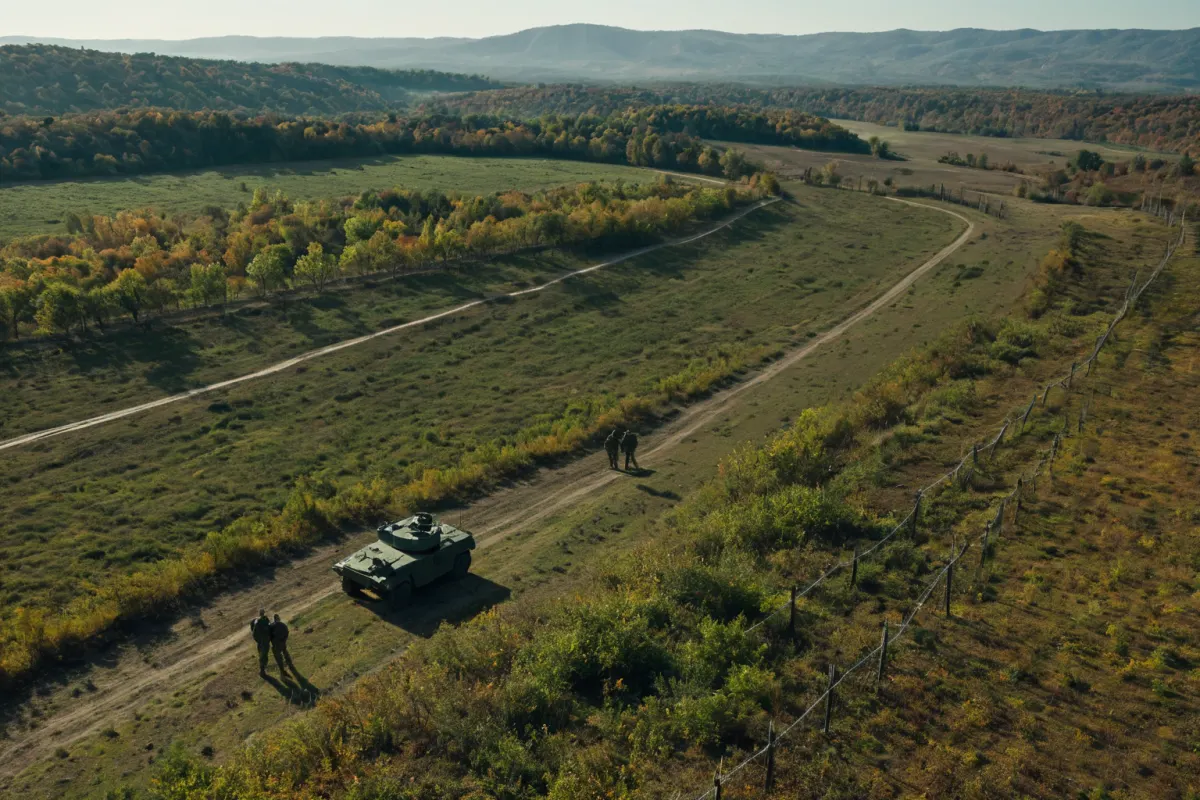
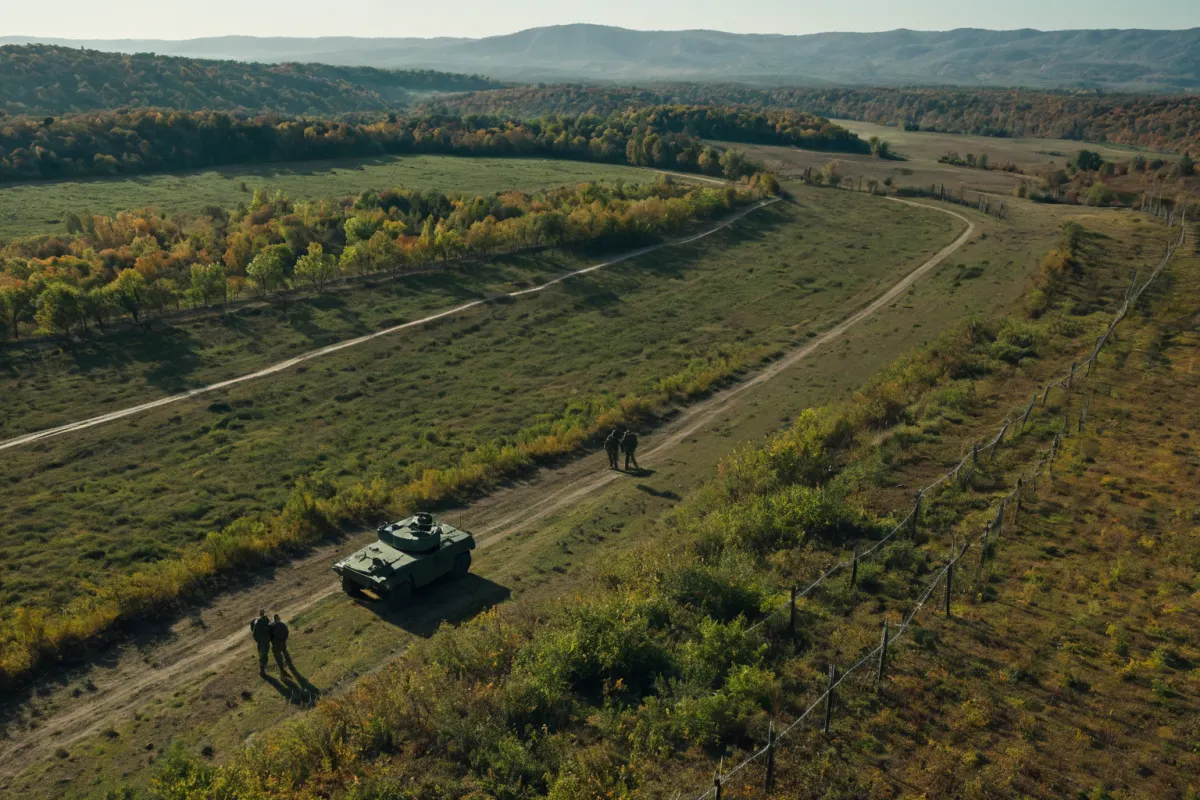
A landmine-related explosion in the western Demilitarized Zone (DMZ) on September 21, 2026, injured three soldiers. The Joint Chiefs of Staff (JCS) and United Nations Command (UNC) conducted on-site investigations and officially demanded an apology from North Korea, citing a violation of the armistice agreement.
The incident occurred during military reconnaissance operations within the western DMZ, resulting in minor injuries to three service members. The JCS determined the explosion was caused by North Korean mine placement, violating the armistice agreement, and jointly with UNC demanded an official apology from the North.
UNC began on-site investigations immediately after the incident on September 21, while the JCS initiated additional on-site investigations five days later on September 26. This procedure was established for prompt responses to armistice violations.
Determination of Armistice Violation and Additional Findings
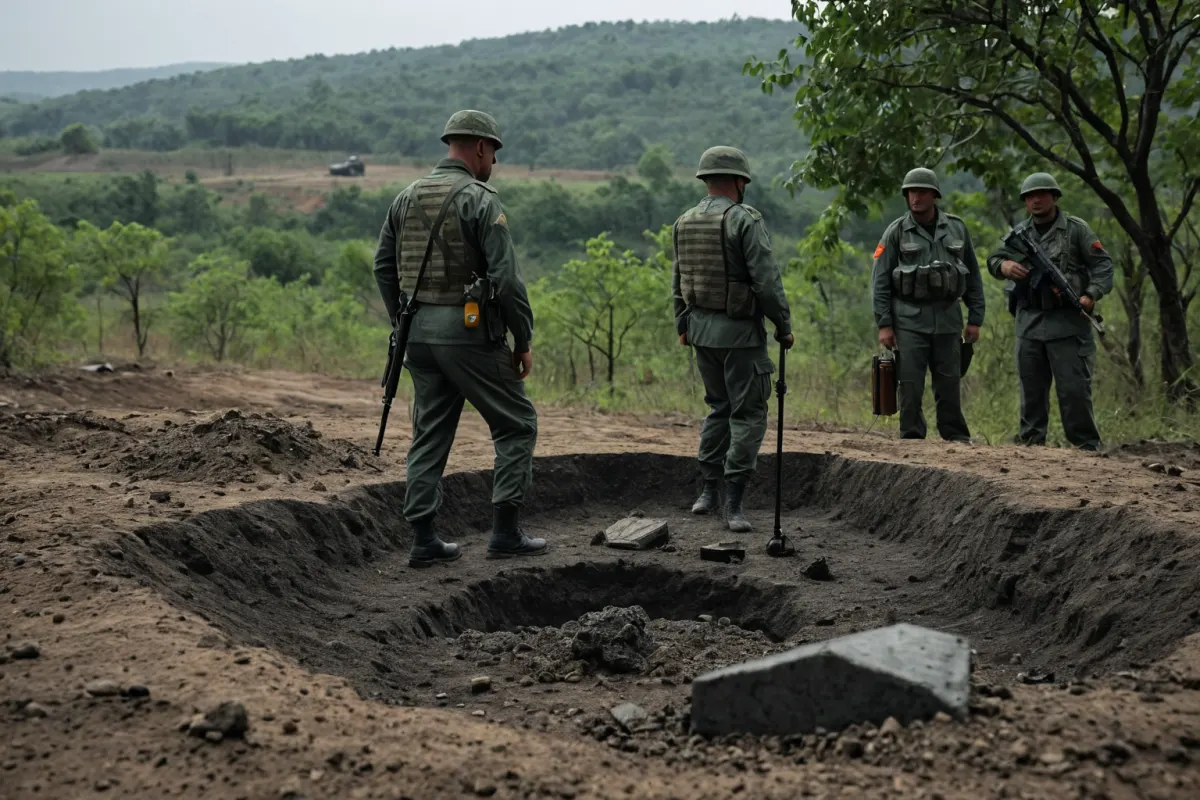
The JCS confirmed at least four North Korean mines at the explosion site, which UNC classified as a violation of the armistice agreement. The discovery of additional plastic mines further strengthened suspicions of North Korean mine placement.
On September 29, the JCS identified some mines found at the scene as made of plastic material, matching characteristics consistent with North Korean mine-laying methods. UNC determined that mine placement violated Article 2 of the armistice agreement and used this as grounds to demand an apology from North Korea.
On September 29, the JCS stated that mines discovered in the DMZ were confirmed to be placed by North Korean forces, constituting a violation of the armistice agreement. They also disclosed that at least four North Korean mines were found at the scene.
UNC officially classified the incident as an armistice violation on September 30, nine days after the accident, and issued a statement demanding an apology from North Korea. This marked the first time UNC had classified a DMZ incident as an armistice violation.
Official Response and Controversy
The JCS and UNC announced on September 30 that they considered the incident a violation of the armistice agreement and demanded an apology. However, controversy arose over the government's use of the phrase 'unfortunate accident' in the context of comforting injured soldiers.
On October 1, nine days after the incident, the Blue House (Cheong Wa Dae) explained that the term 'unfortunate accident' was used to comfort injured personnel, not to imply the accident itself was unjust. The government clarified it was intended as a gesture of sympathy for the wounded soldiers, not an indication of North Korea's responsibility.
Political debate followed regarding how to respond. Opposition parties argued that using 'unfortunate accident' appeared to downplay North Korea's responsibility and called for additional measures such as site visits and comprehensive meetings. The government stated it would announce specific actions after completing the investigation.
Investigation Process
Military and UNC officials began on-site investigations five days after the incident on September 26, with the JCS officially announcing the cause as North Korean mines on September 29. The Blue House stated it would take action following the investigation but did not disclose specific details.
UNC started on-site investigations immediately after the incident on September 21, while the JCS initiated additional investigations on September 26. This procedure was designed for prompt responses to armistice violations.
On September 29, the JCS identified some mines as plastic-made, matching North Korean mine-laying methods. UNC classified mine placement as a clear violation of Article 2 of the armistice agreement and demanded an apology from North Korea based on this finding.
On September 30, the JCS and UNC jointly announced their determination that the incident constituted a violation of the armistice agreement and formally demanded an apology. This marked the first time UNC had classified a DMZ incident as an armistice violation.
Ranking Changes and Future Outlook
What caused the DMZ explosion?
The incident was determined to be caused by North Korean mines placed in violation of the armistice agreement.
How were investigations conducted after the accident?
The JCS and UNC began on-site investigations five days after the incident, discovering additional North Korean mines at the scene.
In what context was the phrase 'unfortunate accident' used?
The government explained it was used to comfort injured soldiers, but political debate followed regarding how this phrasing might affect perceptions of responsibility.
You can find similar articles in one place.
View Related ArticlesFAQ
What caused the DMZ explosion?
The explosion was caused by North Korean mines placed in violation of the armistice agreement.
How did investigations proceed after the accident?
Joint investigation began five days post-incident, with confirmation of North Korean mines on September 29.
Why was there controversy over 'unfortunate accident'?
The government used it to comfort injured soldiers, but opposition argued it minimized North Korea's responsibility.
Korean Source
This article is an English localization of a Korean-language report from BlogScore. Original: DMZ 폭발 사고 관련 신고 내용과 진상 조사 과정