
Diverse Policy Cooperation Cases for Economic Recovery After Kumamoto Earthquake Disaster
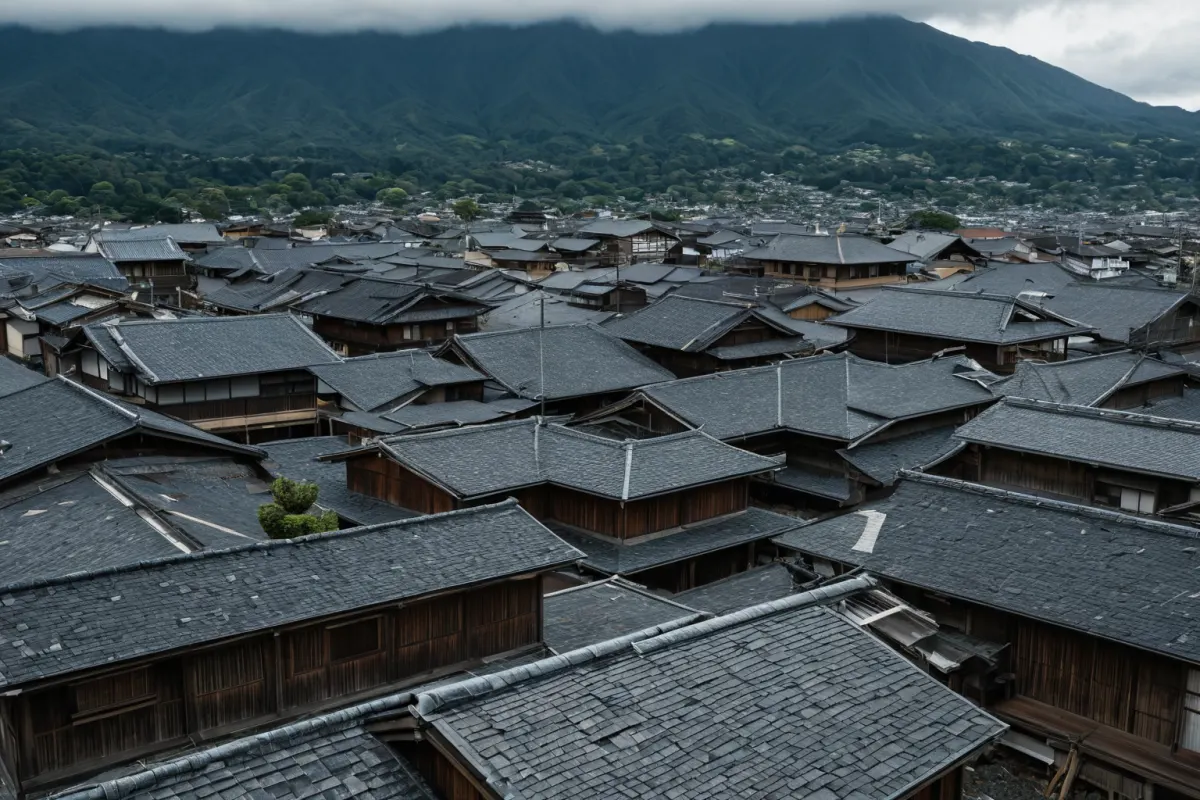
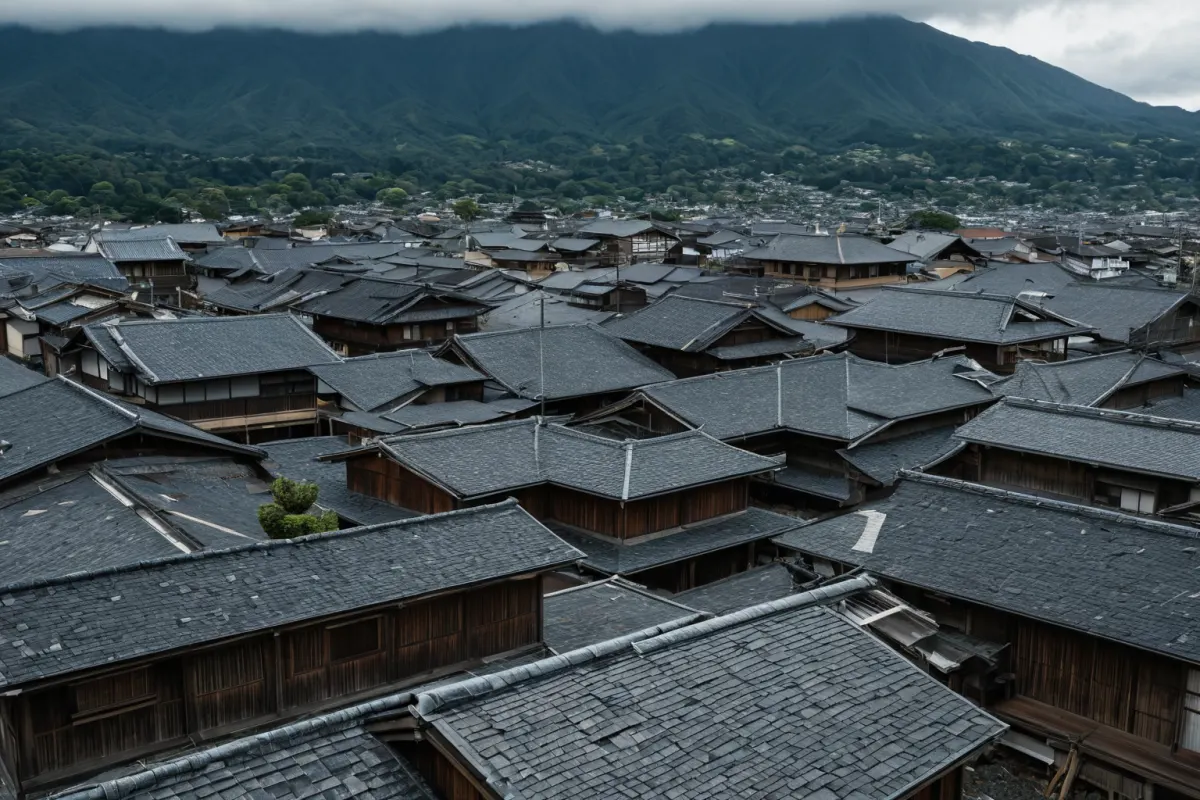
Kumamoto Earthquake Death Toll and Economic Damage Scale
The powerful earthquake that struck Kumamoto Prefecture on July 28, 2026 resulted in 34 fatalities, with TSMC and Sony/Tokyo Electric factories shutting down, exacerbating economic damage. The Japanese government activated its Emergency Disaster Response Headquarters and implemented 'push-forward support' including temporary air conditioners and power generators.
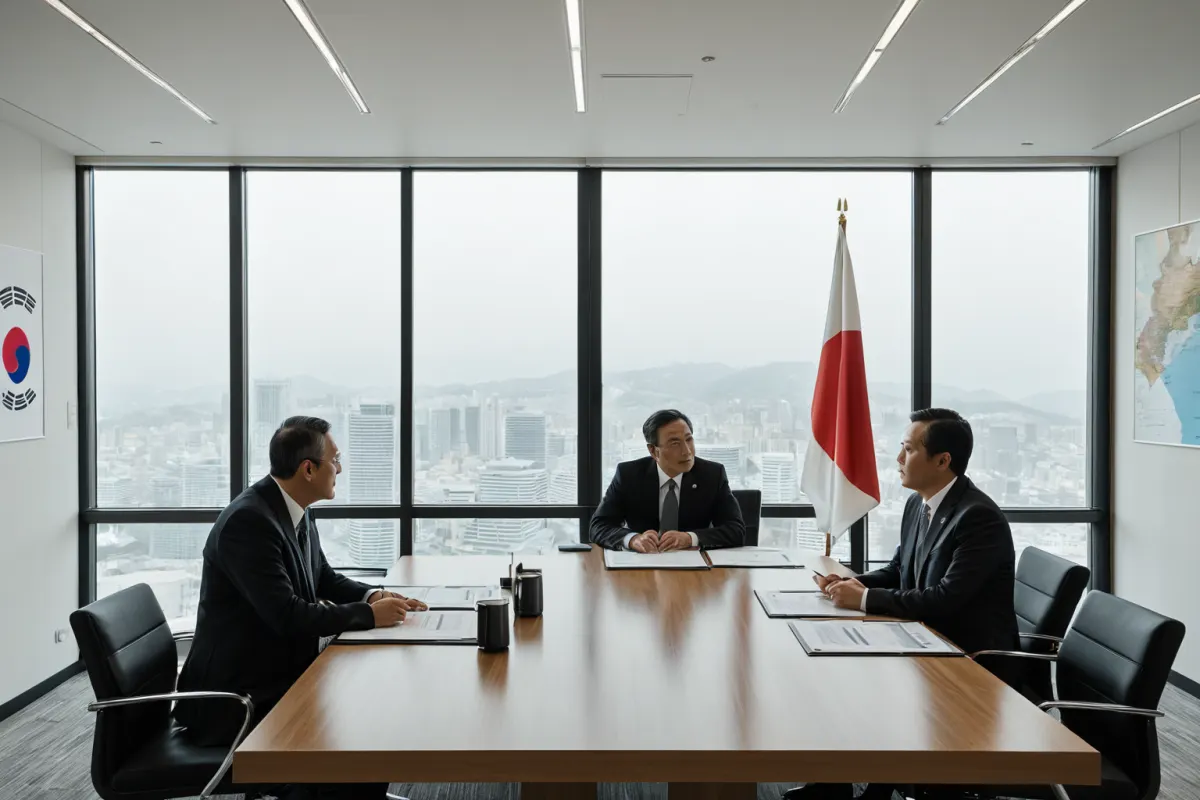
Regional Cooperation Case: 43-Year Friendship Between Chungnam Province and Kumamoto
Chungnam Province provided financial aid and reconstruction personnel to support Kumamoto's earthquake recovery. This cooperation was based on a 43-year friendship relationship, with the decision made by Chungnam Province on July 29, 2026.
International Cooperation and Economic Recovery Strategy
Following the Kumamoto earthquake, world leaders pledged international cooperation with Japan. A high-speed road network connection strategy was proposed for economic recovery after major disasters. The Japanese government is struggling to assess economic impact as fatalities increased from 13 to 34.
Historical Context: Similarities to Kumamoto Earthquake in 2016
The Kumamoto earthquake exhibited similar characteristics to the 2016 event. This historical pattern provides valuable reference for developing economic recovery strategies.
The death toll rose from 13 on July 28 to 34 by July 30, following the July 28, 2026 earthquake. Transportation disruptions including JR Shinkansen halted operations, complicating recovery efforts in Kumamoto region.
The Japanese government activated its Emergency Disaster Response Headquarters and implemented 'push-forward support' with temporary air conditioners and power generators focused on immediate infrastructure restoration and resident stability.
Chungnam Province's support based on 43 years of friendship played a significant role in Kumamoto's recovery. After deciding to provide aid on July 29, 2026, Chungnam sent funds and reconstruction personnel, strengthening Japan-South Korea cooperation.
Internationally, world leaders pledged cooperation with Japan. This demonstrates that the Kumamoto earthquake requires global response rather than just regional assistance.
A high-speed road network connection strategy was proposed as a key economic recovery approach after major disasters. This aims to restart regional economic activity and enable efficient distribution of reconstruction resources.
Social support also emerged through fans wearing T-shirts featuring Luffy, the character from One Piece who hails from Kumamoto. This unique example combines popular culture with disaster relief, reflecting public emotional support for residents.
The Kumamoto earthquake shared similar characteristics with the 2016 event, emphasizing the importance of incorporating past experiences into response strategies.
The Japanese government is struggling to assess economic impact due to increasing fatalities and corporate damage. Accurately determining the scale of economic losses remains challenging.
With Sony and Tokyo Electric factories shutting down, economic impacts on Japan's electronics industry became apparent. This demonstrates potential global supply chain vulnerabilities.
The Ministry of Public Safety began reviewing domestic earthquake response systems following the Kumamoto disaster. This aims to improve South Korea's own response framework by learning from Japan's approach.
Timeline and Damage Situation of Kumamoto Earthquake
A magnitude 7.1 earthquake struck Kumamoto Prefecture on July 28, 2026, disrupting transportation including JR Shinkansen. Fatalities increased from 13 confirmed on July 28 to 34 by July 30.
The economic damage expanded due to shutdowns at TSMC and Sony/Tokyo Electric factories. This represents production halts for major Japanese companies, with expected impacts on global supply chains.
Immediately after the earthquake, the Japanese government activated its Emergency Disaster Response Headquarters and began 'push-forward support' using temporary air conditioners and power generators to focus on resident living conditions.
On July 29, 2026, Chungnam Province decided to provide financial aid and reconstruction personnel for Kumamoto's earthquake damage. This cooperation was based on the 43-year friendship between Chungnam and Kumamoto.
On July 30, 2026, the Japanese government reported fatalities had risen to 34 and acknowledged difficulties assessing economic impact. This made developing recovery strategies more urgent.
Internationally, world leaders pledged cooperation with Japan, reflecting that the Kumamoto earthquake is not just a regional issue but requires global attention.
Economic Impact Analysis of Kumamoto Earthquake
The death toll rose from 13 to 34, showing early challenges in accurately assessing damage scale following disasters.
TSMC stated it would require time to resume production. This suggests potential long-term economic impact from factory disruptions.
Shutdowns at Sony and Tokyo Electric factories directly impacted Japan's electronics industry, demonstrating global supply chain vulnerabilities.
Transportation disruptions including JR Shinkansen halted operations, making recovery efforts more difficult. Restricted mobility within the region affected local movement.
The Japanese government's 'push-forward support' focused on immediate resident living conditions using temporary air conditioners and power generators. This approach emphasizes strengthening emergency response in early disaster stages.
Policy Cooperation Cases and Economic Recovery Strategy
Cooperation between the Japanese government, Chungnam Province, and international community followed the Kumamoto earthquake. This demonstrates diverse policy cooperation cases for disaster response.
Chungnam Province provided funds and reconstruction personnel based on 43 years of friendship. This shows how regional cooperation can play an important role in disaster response.
International cooperation pledges highlighted that the Kumamoto earthquake requires global-level response, offering a reference for other countries' disaster management approaches.
The high-speed road network connection strategy proposed as a key economic recovery approach after major disasters aims to restart regional economic activity and enable efficient distribution of reconstruction resources.
Wearing T-shirts featuring One Piece's Luffy supporting Kumamoto represents a unique example combining popular culture with disaster relief, reflecting emotional support for residents.
The Kumamoto earthquake shared similar characteristics with the 2016 event, emphasizing that incorporating past experiences into response strategies is important.
Information to Verify and Important Notes
The death toll from the Kumamoto earthquake increased from 13 to 34. This shows early challenges in accurately assessing damage scale following disasters.
The Japanese government is struggling with economic impact assessment due to rising fatalities and corporate damage, indicating a complex situation requiring multifaceted response.
The high-speed road network connection strategy aims to restart regional economic activity after major disasters, enabling efficient distribution of reconstruction resources.
Frequently Asked Questions
Q: How many fatalities resulted from the Kumamoto earthquake?
A: The death toll rose from 13 on July 28 to 34 by July 30.
Q: What type of support did Chungnam Province provide?
A: Based on a 43-year friendship, Chungnam provided financial aid and reconstruction personnel.
Q: What economic recovery strategy was proposed?
A: A high-speed road network connection strategy was proposed for economic recovery after major disasters.
Frequently Asked Questions
The Kumamoto earthquake led to a significant death toll increase from 13 to 34, with economic damage expanding due to factory shutdowns. Cooperation between the Japanese government, Chungnam Province (with its 43-year friendship), and international partners played important roles in response efforts. The event shares similarities with the 2016 Kumamoto earthquake, providing valuable reference for future recovery strategies.
Post-earthquake 'push-forward support' by the Japanese government and the high-speed road network connection strategy proposed for economic recovery offer potential approaches for future disasters. Additionally, social support through One Piece character Luffy's Kumamoto-themed T-shirts represents a unique combination of popular culture and disaster relief that has gained attention.
Economic impact assessment remains incomplete as of now, with further information needed. However, current evidence shows Japanese authorities, regional partners, and international community working together for response and recovery efforts.
The Kumamoto earthquake demonstrates that major disasters require global-level responses rather than just regional assistance, highlighting the importance of international cooperation in future disaster scenarios.
You can view similar articles on this topic together.
View Related ArticlesFAQ
How many fatalities resulted from the Kumamoto earthquake?
The death toll rose from 13 on July 28 to 34 by July 30.
What type of support did Chungnam Province provide?
Based on a 43-year friendship, Chungnam provided financial aid and reconstruction personnel.
What economic recovery strategy was proposed?
A high-speed road network connection strategy was proposed for economic recovery after major disasters.
Korean Source
This article is an English localization of a Korean-language report from BlogScore. Original: 구마모토 강진 재해 경제 회복을 위한 다양한 정책 협력 사례