
Digimon UP Partner Guide: Role-Based Recommendations and Priorities
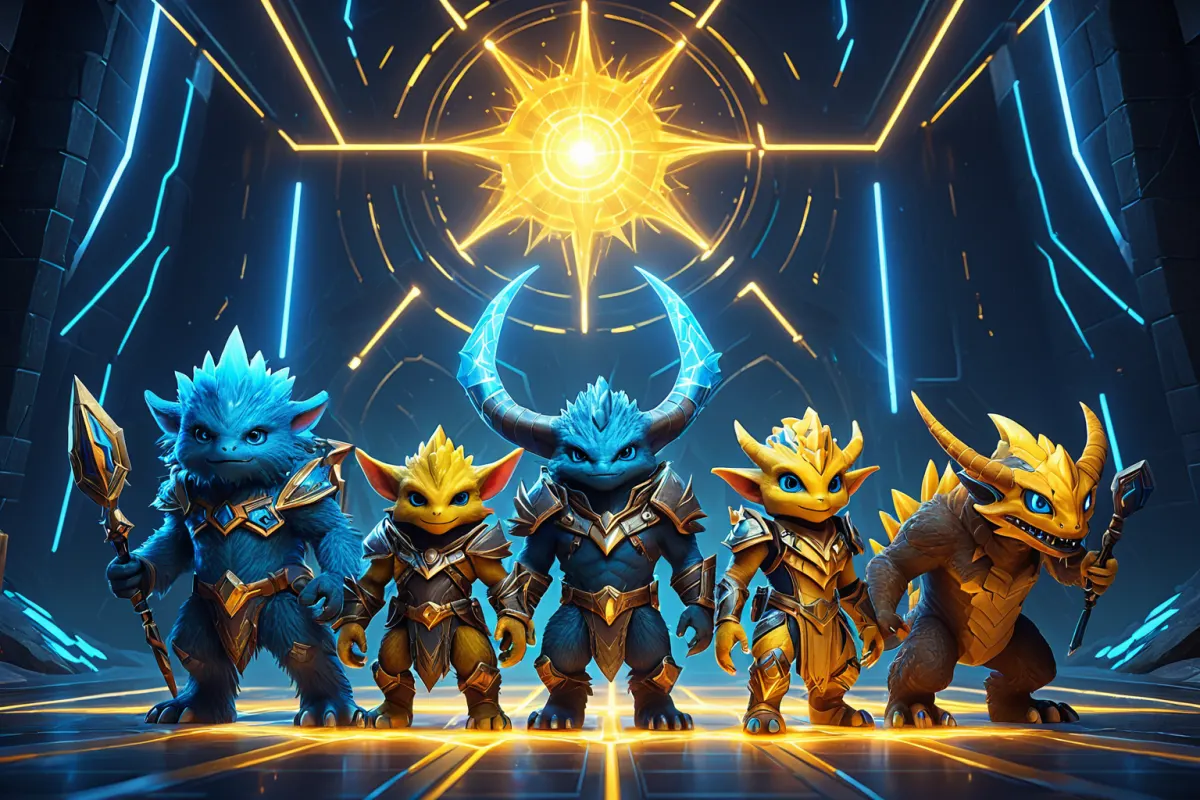
Choosing a Digimon UP partner isn't just about picking the most visually appealing monster—you need to consider both early-game progression speed and late-game utility. At present, it's more effective to prioritize one defensive partner who stabilizes your front line and one farming partner who speeds up resource collection rather than focusing solely on a single attacker.
Especially with Digimon UP, evolution and growth paths are crucial. Making ambiguous choices early can quickly drain resources. This guide outlines which partners to prioritize by role and provides a straightforward progression order for beginners.
Digimon UP Partner Selection Criteria
The first thing to check when selecting a partner is their role. Whether they're an attacker, tank, or support determines whether your team stays stable.
The second factor is early-game feel. Even with the same rarity, partners with broader skill ranges or better efficiency in auto-battle will grow noticeably faster. Finally, consider evolution material burden. Partners requiring heavy resources early on take longer to become strong.
For example, a high-damage partner may not be useful if they can't survive encounters, leading to repeated stage failures. Conversely, a seemingly ordinary partner who provides defensive support significantly improves farming stability.
Find more articles on similar topics in one place.
View Related ArticlesRole-Based Priority Recommendations
The best partners to level up first are main attackers. They're essential in both boss battles and regular stages, so having one properly leveled makes progression noticeably faster.
Next come tank-type partners. Characters that reduce incoming damage or buy time are especially valuable in auto-battle. Even if their damage is slightly low, the battle won't stall due to constant interruptions.
Finally, adding a support-type partner completes your team. One reliable skill like healing, buffs, or debuffs makes a big difference. However, beginners should prioritize attackers and tanks over excessive support early on.
Priority Example
- 1st Priority: Versatile main attacker
- 2nd Priority: Survival-focused tank
- 3rd Priority: Healing or buff support
- 4th Priority: Specialized partners for specific situations
For example, a balanced early team might consist of one area-of-effect attacker, one defensive partner who can withstand hits, and one with healing support. This setup allows you to progress through stages while efficiently gathering resources.
Why Growth Priority Matters
Digimon UP's resource management suffers if you spread your efforts evenly across all partners. You'll quickly run into weak points where combat power is just adequate, causing bottlenecks.
Thus, early on it's more efficient to focus on one partner until they're fully developed. Prioritize what gives the most noticeable improvement: level, evolution, equipment, or skill enhancement. Often, issues like frequent battle failures stem from poor skill composition or survival abilities rather than low levels.
For instance, if you keep losing to bosses, focus on improving your tank's survivability or support skills instead of pouring resources only into your attacker. Conversely, if regular stages are slow, prioritize an area-of-effect attacker first.
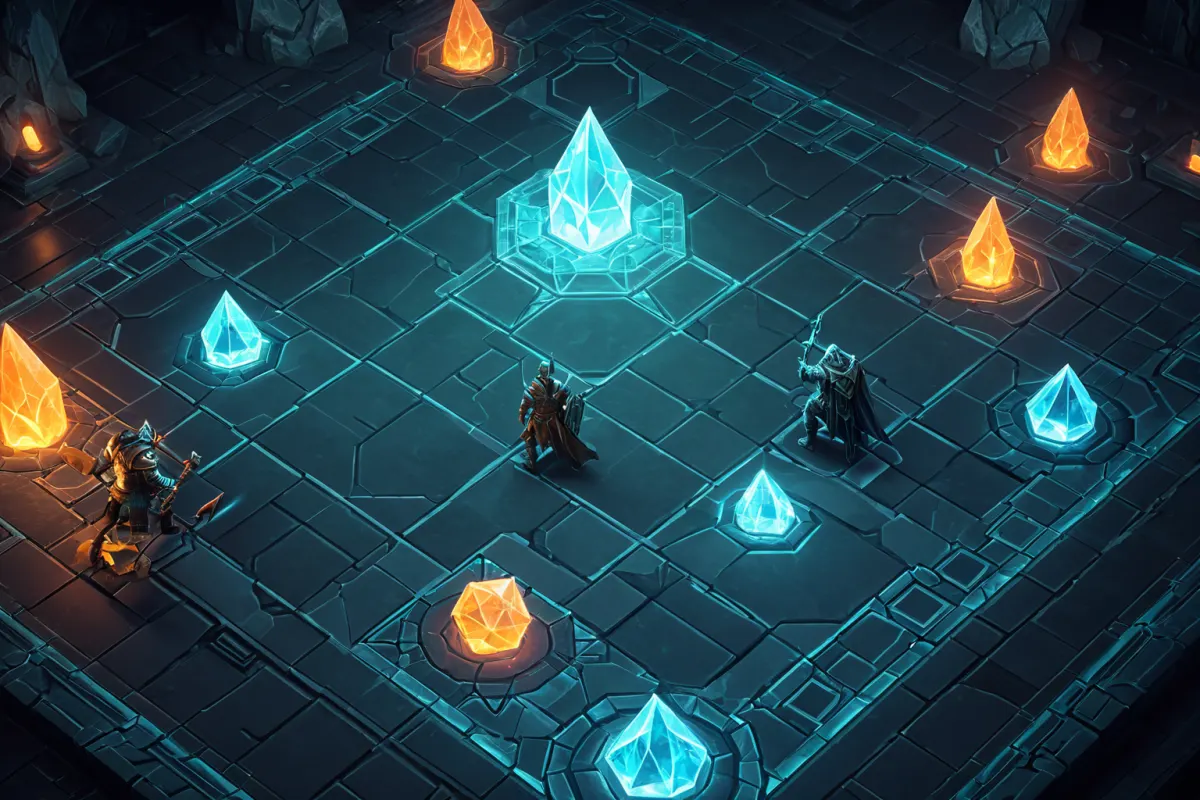
Common Mistakes in Starting Partners
Your starting choice should focus more on long-term operations than short-term combat power. A partner that seems strong initially but requires long evolution paths can become a burden later.
A common oversight is skill stability. Skills that trigger consistently in auto-battle are far better than those with complex conditions. Also, crowd control effects like pulling or binding enemies prove surprisingly useful—they lower stage difficulty and speed up progression.
If you're considering a re-roll (re-roll), don't just look for the highest rarity. Prioritize combinations that work immediately with your current account. Early on, a team structure where all members contribute is more important than one overpowered character.
Re-rolls and Early Growth Flow
The main reason players re-roll Digimon UP partners is to reduce early stress. However, newly acquired partners don't always fit every situation. So right after starting, focus on overcoming the sticking points in your progression using available resources.
A practical flow looks like this: First level up your main attacker, then add a survival-focused partner. Finally, pick a support that improves farming efficiency. Following this order prevents excessive resource drain early on.
For example, use an area-of-effect attacker to clear stages quickly, pair it with a defensive partner to reduce battle failures, and then add healing or buff support for better stability. While not the only solution, this combination works well for most beginners.
Frequent Mistakes in Party Composition
The most common mistake is filling your team with multiple attackers. Even if combat power looks high, the inability to survive leads to repeated stage clears.
Another error is changing partners too frequently. Digimon UP's growth requires concentrated resources; spreading them across many partners causes significant losses. It's better to stick with around three core members and steadily grow them. When you find a new character, assess whether it offers real improvement over your existing team before making changes.
In practice, decide based on the situations where you get stuck most often. Struggling with mobs? Prioritize area-of-effect attackers. Bosses are tough? Focus on single-target damage or survival support. Frequent auto-battle failures? Increase tank and healing focus.
Best Direction to Grow Now
When prioritizing partners today, prioritize role over name recognition. Early on, choose versatile types that speed up progression; mid-game, pick defensive types for stability; late-game, go for specialized types strong in specific content.
In other words, when choosing Digimon UP partners, first check what your account lacks: attack if you're weak offensively, tank if survival is an issue, or support if battles drag on. Following this rule reduces the chance of failed growth significantly.
Keep in mind that partner value can shift with updates, so it's wise to review your strategy after new partners are added or balance changes occur.
FAQ
Q. Which type of Digimon UP partner should I level up first?
A. Typically, focus on a main attacker first. Then add tanks and supports for stable progression.
Q. Do I need to re-roll my partners?
A. Not strictly necessary, but securing a partner that fits your current role makes growth much smoother.
Q. Is it better to level multiple partners at once?
A. Early on, focus on around three core members for efficiency. Spreading resources slows visible progress.
Partner value can change with game meta and patches, so review your strategy after new seasons or updates arrive.
Keep checking out more articles on similar topics.
View Category ArticlesFAQ
Which type of Digimon UP partner should I level up first?
Typically, focus on a main attacker first. Then add tanks and supports for stable progression.
Do I need to re-roll my partners?
Not strictly necessary, but securing a partner that fits your current role makes growth much smoother.
Is it better to level multiple partners at once?
Early on, focus on around three core members for efficiency. Spreading resources slows visible progress.
Korean Source
This article is an English localization of a Korean-language report from BlogScore. Original: 디지몬 UP 파트너 정리: 역할별 추천과 육성 우선순위