
Democratic Party Leadership Race: Key Issues and Political Significance
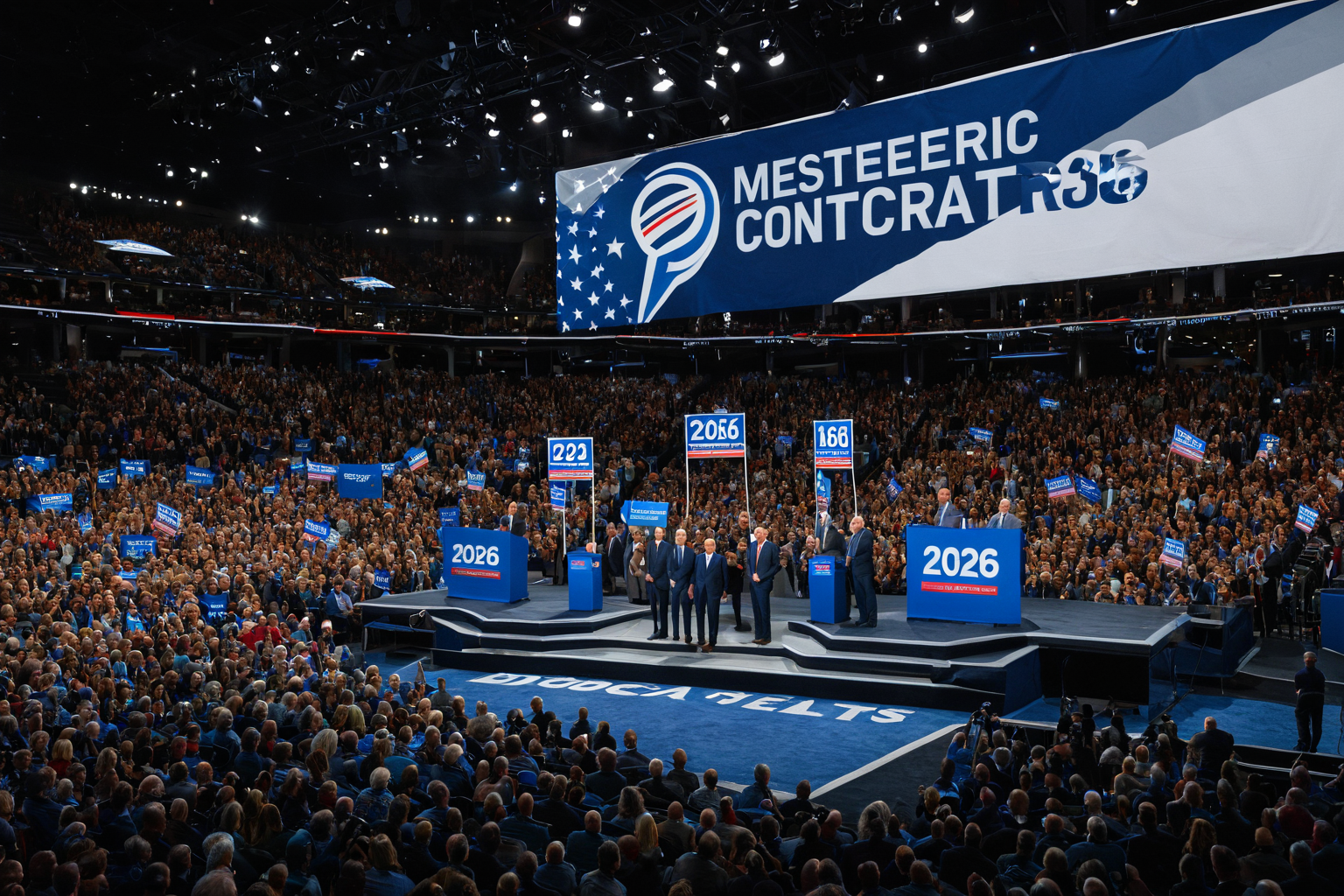
Democratic Party Leadership Race: Kim Min-seok vs. Jeong Cheong-rae in a Tight Contest
The Democratic Party is currently holding joint campaign meetings ahead of its scheduled August 17 party convention to elect the party leader and top committee members. The race between candidate Kim Min-seok and Jeong Cheong-rae remains highly competitive, with recent polling showing Kim leading Jeong by a narrow margin in Gangwon and TK regions at 48.54% to 44.40%.
At the South Jeolla and Gwangju joint campaign meeting, former party leader Song Young-gil spoke, while Kim Min-seok emphasized improving housing supply speed and passing a housing law amendment. He also mentioned support from former MP Choo Mi-ae and announced plans to alleviate Gyeonggi Province's financial burden through policy improvements.
In Jeju and Incheon regions, top committee candidates competed, with results showing Park Sun-won, Choi Min-hee, Seo Mi-hwa, Han Min-su, and Kim Yong as the leading candidates. The party leadership election will be decided by a 30% public opinion poll combined with delegate voting, and analyses regarding President Lee Jae-myung's influence are ongoing.
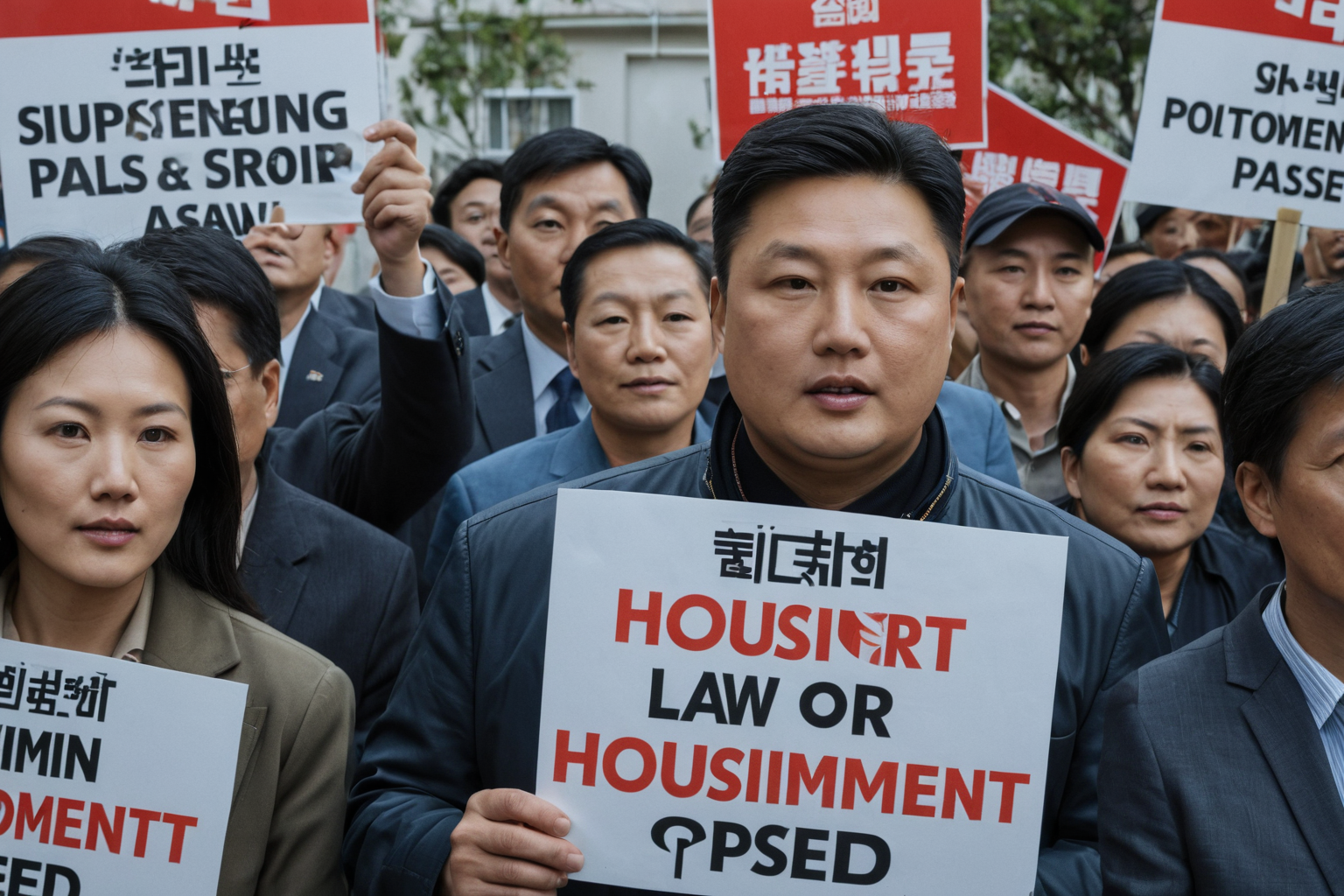
Key Statements from Joint Campaign Meetings
At a joint campaign meeting held in Gangwon on August 9, Kim Min-seok declared 'the Kim-Jeong rivalry must end,' formally declaring his competition with Jeong Cheong-rae. Jeong emphasized that he has never left the party, while Song Young-gil stated he would take responsibility for the results.
At a meeting held in Seoul on August 16, both Jeong Cheong-rae and Song Young-gil attended to present their platforms. The event drew attention to reported conflicts between the 'one person one vote' system and the 'preference voting system,' sparking debate over internal party election procedures.
Jeong Cheong-rae's statement 'I will protect Lee Jae-myung' later became a notable slip of the tongue, drawing attention as a potential factor affecting voter sentiment in Honam (southern Korean region), with analysts suggesting it could influence the election outcome.
Main Issues in Party Leadership Race
As the Democratic Party prepares for its August 17 convention, the leadership contest has become more complex due to conflicts between the 'one person one vote' system and the 'preference voting system.' Some reports indicate that this conflict emerged during the first round of voting, raising concerns about potential party divisions.
Kim Min-seok emphasized passing a housing law amendment as part of his housing supply policy, announcing plans to reduce Gyeonggi Province's financial burden. This policy statement has drawn attention within the party, particularly regarding its potential impact on Honam region voter sentiment.
The results of the Jeju and Incheon top committee elections showed Park Sun-won, Choi Min-hee, Seo Mi-hwa, Han Min-su, and Kim Yong as the leading candidates. These results reflect internal regional tensions and candidate preferences within the party. Notably, Jeju and Incheon have traditionally been strongholds for the Democratic Party, making these outcomes significant indicators of the election's direction.
Predictions and Analysis of Election Results
The final results will be determined by a combination of 30% public opinion polls and delegate votes at the August 17 convention. Kim Min-seok's chances of winning appear to be increasing, with ongoing analyses regarding President Lee Jae-myung's influence on the election.
Some experts suggest that Kim Min-seok may secure support by emphasizing his connection to the Lee Jae-myung administration. Jeong Cheong-rae attempted to retain existing party supporters with his statement 'I have never left the party,' but a slip of the tongue regarding Honam voter sentiment has introduced uncertainty.
Top Committee Election Results and Regional Characteristics
The top committee election results in Jeju and Incheon showed Park Sun-won, Choi Min-hee, Seo Mi-hwa, Han Min-su, and Kim Yong as the leading candidates. These outcomes reflect internal regional tensions and candidate preferences within the party.
Jeju has traditionally been a Democratic Party stronghold but recent election results appear to reflect local sentiment dynamics. Incheon is also a key Democratic Party support base, making its top committee election results potentially influential in shaping the overall election landscape.
Kim Min-seok's victory in Gangwon and TK regions is attributed to his policy statements on housing supply issues, particularly emphasizing the need for passing a housing law amendment. This focus appears to have resonated with party members.
Controversy Over Election Systems
The Democratic Party has reported conflicts between its 'one person one vote' system and 'preference voting system,' sparking debate over internal election procedures. Some argue that system improvements are necessary.
During the first round of voting, conflicts between these two systems raised concerns about potential party divisions. The 'one person one vote' system, which selects a single candidate, has been criticized for potentially favoring specific candidates in highly competitive situations.
Conversely, the 'preference voting system,' which allows voters to consider multiple candidates based on preference, is seen as more equitable when multiple candidates are competing. This debate could lead to important discussions about internal party reform and innovation.
Verified Information
As of now, specific results regarding the top committee candidate competition remain limited. Some reports indicate that in Jeju and Incheon regions, the top committee election results were reported as Park Sun-won, Choi Min-hee, Seo Mi-hwa, Han Min-su, and Kim Yong, but exact vote percentages and additional data have not been confirmed.
Additionally, specific examples and outcomes of conflicts between the 'one person one vote' system and preference voting system in party elections have yet to be reported. This issue could significantly impact internal party reform efforts.
Analyses regarding President Lee Jae-myung's influence on the election remain largely speculative, with insufficient concrete data available. Therefore, it is important to await the final results at the August 17 convention.
Frequently Asked Questions
Why did Kim Min-seok lead Jeong Cheong-rae in the Democratic Party leadership race?
In Gangwon and TK regions, Kim Min-seok secured 48.54% support compared to Jeong Cheong-rae's 44.40%, a margin of 4.14 percentage points. His policy statements on housing supply issues, particularly emphasizing the need for passing a housing law amendment, appear to have gained party members' support.
What were the results of the Jeju and Incheon top committee elections?
The top committee election results in Jeju and Incheon showed Park Sun-won, Choi Min-hee, Seo Mi-hwa, Han Min-su, and Kim Yong as the leading candidates. These results reflect internal regional tensions and candidate preferences within the party.
What is the conflict between 'one person one vote' system and 'preference voting system' in Democratic Party elections?
The 'one person one vote' system selects a single candidate, potentially favoring specific candidates in highly competitive situations. The 'preference voting system' allows voters to consider multiple candidates based on preference, which is seen as more equitable when multiple candidates compete. This conflict has raised concerns about potential party divisions.
Frequently Asked Questions
The Democratic Party is currently holding a leadership race between Kim Min-seok and Jeong Cheong-rae ahead of its August 17 convention, with regional dynamics and policy proposals shaping the contest. Kim Min-seok has secured a narrow lead in Gangwon and TK regions through housing supply policy statements, while questions remain about top committee election results and ongoing debates over internal election systems. With limited concrete data available, the final outcome will be determined at the August 17 convention.
Jeong Cheong-rae's slip of the tongue regarding 'protecting Lee Jae-myung' has introduced a potential variable in Honam voter sentiment, which could influence the election results. The ongoing debate between the 'one person one vote' and 'preference voting systems' represents an important issue for internal party reform.
As the Democratic Party seeks to establish new leadership through this competition, the outcome will significantly impact future political prospects. It remains crucial to monitor developments until the August 17 convention results are announced.
You can view similar articles on this topic in one place.
View Related ArticlesFAQ
Why did Kim Min-seok lead Jeong Cheong-rae in the Democratic Party leadership race?
In Gangwon and TK regions, Kim Min-seok secured 48.54% support compared to Jeong Cheong-rae's 44.40%, a margin of 4.14 percentage points. His policy statements on housing supply issues, particularly emphasizing the need for passing a housing law amendment, appear to have gained party members' support.
What were the results of the Jeju and Incheon top committee elections?
The top committee election results in Jeju and Incheon showed Park Sun-won, Choi Min-hee, Seo Mi-hwa, Han Min-su, and Kim Yong as the leading candidates. These results reflect internal regional tensions and candidate preferences within the party.
What is the conflict between 'one person one vote' system and 'preference voting system' in Democratic Party elections?
The 'one person one vote' system selects a single candidate, potentially favoring specific candidates in highly competitive situations. The 'preference voting system' allows voters to consider multiple candidates based on preference, which is seen as more equitable when multiple candidates compete. This conflict has raised concerns about potential party divisions.
Korean Source
This article is an English localization of a Korean-language report from BlogScore. Original: 당대표 합동연설회의 주요 내용과 정치적 의의