
Decoding the Ending of 'Flower and Grass', What Does the Final Scene Mean?
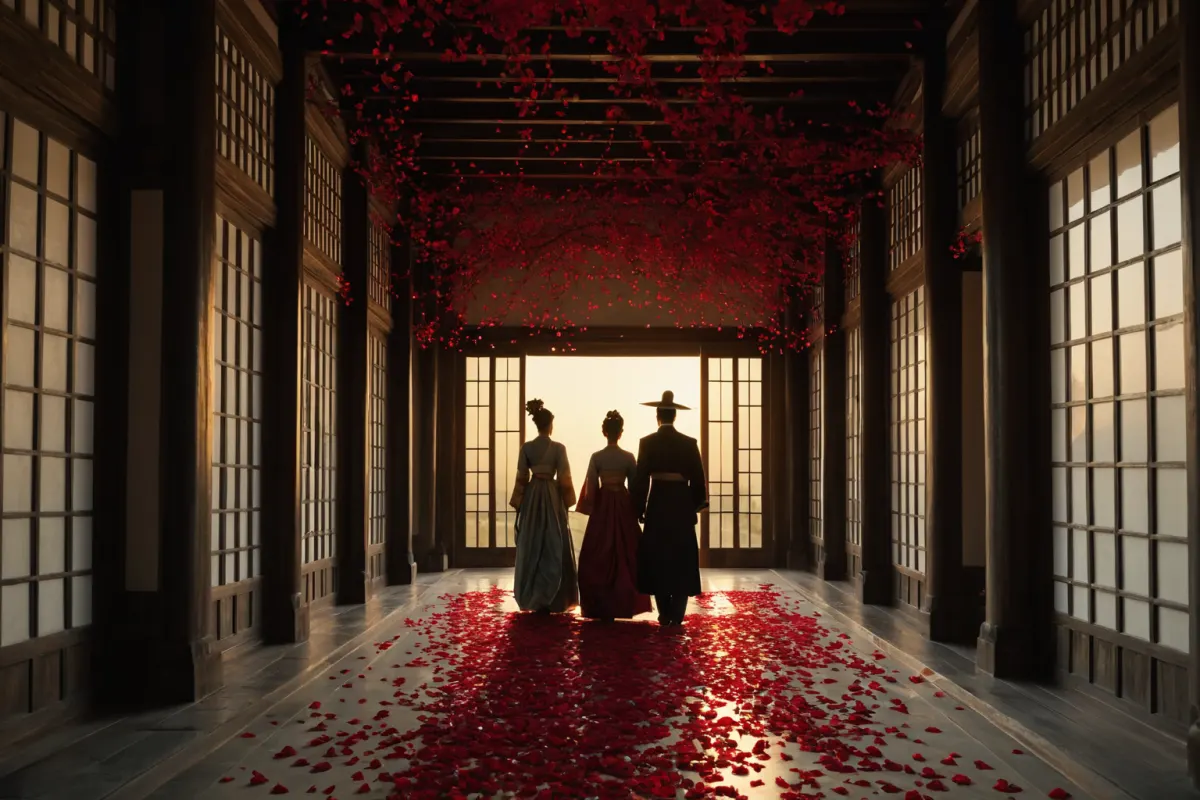
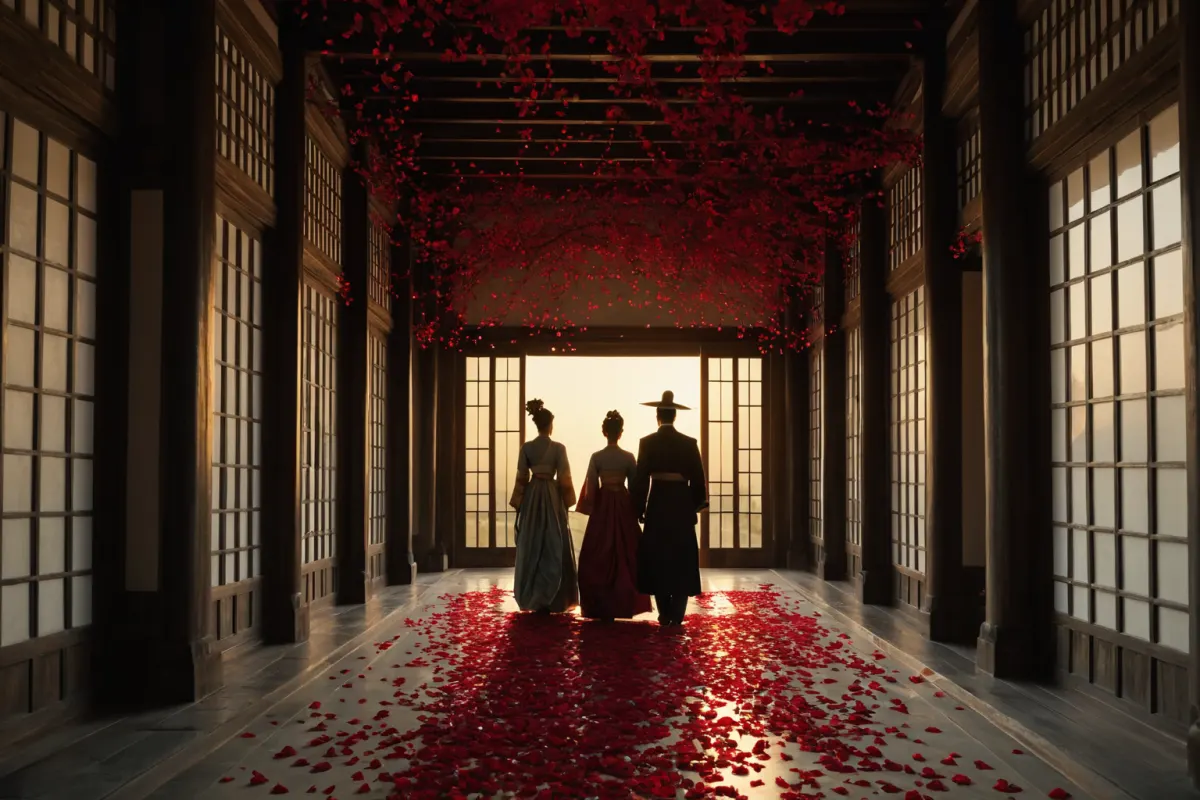
The ending of Flower and Grass ultimately illustrates what it means to protect love, making it easier to understand if viewed as a conclusion that emphasizes "how to safeguard love." The final scene highlights the significance of choices between Ma Goe and Seon, moving beyond whether it's a happy ending or not to show how each character has evolved.
Many viewers curious about the Flower and Grass ending interpretation are most interested in "who ends up with whom" and "why the scene concludes this way." However, to fully grasp the drama’s message, one must consider both the characters' emotional journeys and the historical constraints of their time.
The Core Meaning of the Flower and Grass Ending
The heart of Flower and Grass ending lies not in marriage itself but in each character's process of choosing their own path. The conclusion shows that their feelings go beyond simple emotion, evolving into a transformation that transcends social status, roles, and responsibilities.
This is why the final scene doesn't just leave viewers with a sense of "things worked out," but instead reveals what price and decisions love demands in real life. This aspect gives Flower and Grass its subtle yet realistic emotional depth, distinguishing it from typical romantic historical dramas.
You can find more articles on similar topics here.
View Related ArticlesRelationship Changes in the Final Scene
The most noticeable change in the ending is how the distance between characters has shifted. Initially, arranging marriages seemed like the sole purpose, but by the end, their relationships have evolved toward understanding each other's wounds.
For example, some characters move away from hiding their feelings, while others step back to protect the person they care about. This progression means that instead of asking "who won," it’s more accurate to focus on "who changed." For first-time viewers, paying attention to what choices were made rather than just expressions and dialogue makes interpretation much clearer.
How 'Flower and Grass' Setting Influences the Ending
The drama's premise as Flower and Grass: The Matchmaking Office of Joseon is key to understanding its ending. The irony lies in how those who brought people together for marriages struggled with their own emotions, and the conclusion resolves this contradiction.
In other words, it shows whether the methods used to arrange others' marriages were applicable to their own lives or if they had to make different choices. Understanding this structure helps viewers see the final scene not as a sudden twist but as the natural result of the story's buildup.
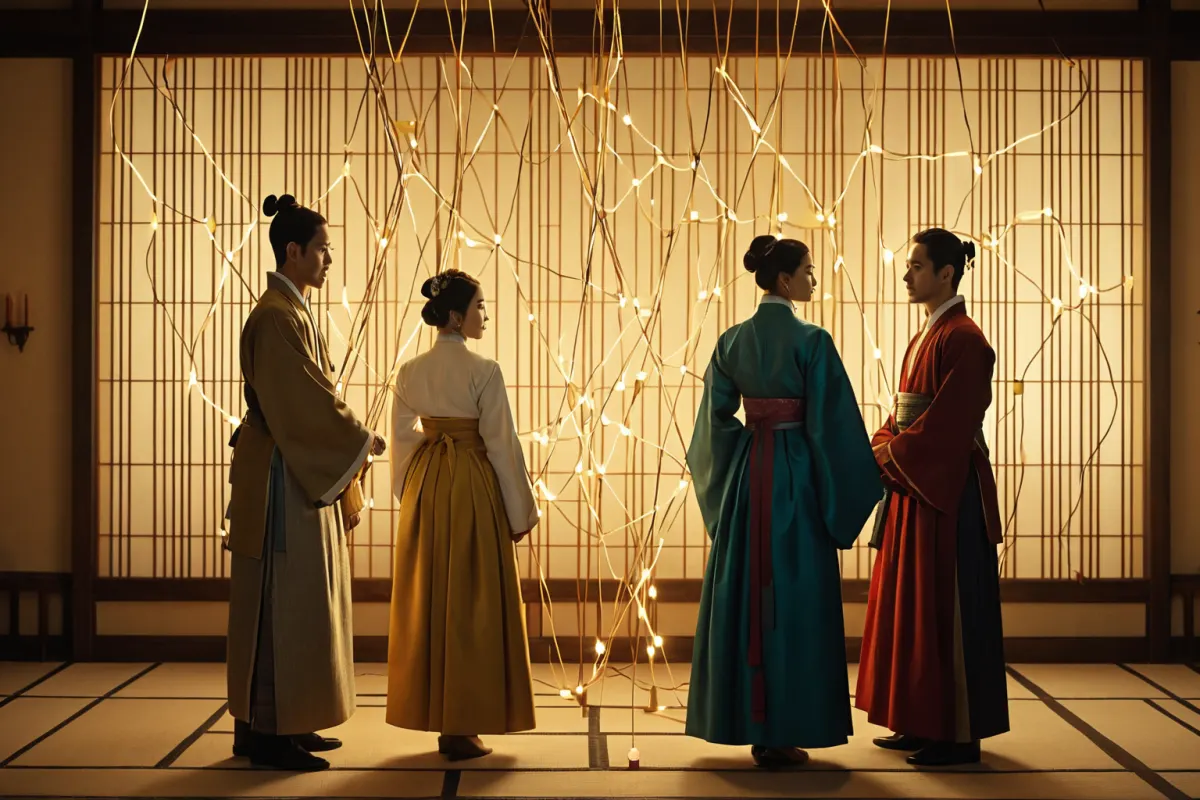
It’s helpful to view character relationships like the diagram shown here, which visually summarizes their connections. Instead of memorizing relationship maps, focusing on where each character started emotionally aids better understanding of the ending interpretation.
Key Points for Each Character's Ending
The character played by Flower and Grass Park Ji-hoon showcases significant emotional development at the center of the drama. His initial awkwardness and incomplete feelings culminate in a clear conviction toward one person, which greatly strengthens the ending’s impact.
Flower and Grass Byun Woo-seok, portrayed by Byun Woo-seok, is not just a supporting role but serves as a balancing element for the story. His choices contrast with others’, making each character's decision more visible and impactful in the conclusion.
Even secondary characters like Flower and Grass Go Young-soo have meaningful roles at the end. Though they don’t take center stage, these characters help connect emotional threads and deepen the ending’s resonance.
Audience Reaction: Ratings and Buzz
The Flower and Grass ratings are remembered not as a blockbuster hit but as a show that gained popularity through word-of-mouth. Viewers who enjoyed it watched until the end, making the conclusion more about sharing interpretations than receiving a clear-cut ending.
This type of drama reveals new details upon rewatching. First-time viewers might see it as romance-focused, but later viewings highlight character choices, dialogue, and final expressions. This is why many seek Flower and Grass reruns.
Key Points for Understanding the Ending
When watching the ending, consider three things: first, not just who spoke but why they said it at that moment; second, not physical closeness but emotional distance changes; third, even if it seems like a happy ending, what challenges remain within it.
For example, simply seeing two characters together might lead to disappointment. Flower and Grass focuses more on the process of accepting relationships rather than their completion.
This is why interpreting the Flower and Grass ending isn’t just about "who got together" but also acknowledging what each character recognized as their own shortcomings.
Misunderstandings About the Flower and Grass Ending
A common confusion is that the ending doesn't feel like a clear, final conclusion. However, this wasn't intentional ambiguity—it aligns with the drama's atmosphere and message to leave room for lingering emotion.
Another point of confusion is when certain characters' emotions don’t fully resolve. This isn't a flaw but a narrative technique that encourages viewers to fill in the blanks. As time passes, rewatching can lead to slightly different interpretations.
Key Takeaways When Interpreting the Ending
The drama's ending leans more toward "relationships continuing" rather than a fully closed finale. It’s important to focus on how earlier events connect with the final choices, not just the immediate emotions after the end.
If you're watching for the first time, it’s helpful to summarize character introductions and relationship shifts before rewatching the ending. Despite complex emotional arcs, the structure is straightforward—tracking which characters influenced each other's decisions makes the flow clearer.
FAQ
Q1. Is the Flower and Grass ending a happy ending?
The conclusion leaves more of an aftertaste than a definitive happy ending. The focus isn't on whether love was successful but how each character's choices were resolved.
Q2. Why does the final scene feel confusing?
It’s not just about romance; social status, responsibility, and emotional changes are all intertwined. To understand it, you need to view the final scene alongside earlier relationship dynamics.
Q3. Are there details that become clearer on a rewatch?
Yes—paying attention to character expressions and dialogue context makes interpretation sharper. Especially noting why key choices were made before the ending helps clarify everything.
The Flower and Grass ending is closer to characters accepting love in their own ways rather than providing a simple conclusion. Availability of latest episodes or reruns may vary, so checking current service information is recommended for viewers interested in rewatching.
Check out more articles with similar topics.
View Category ArticlesFAQ
Is the Flower and Grass ending a happy ending?
The conclusion leaves more of an aftertaste than a definitive happy ending. The focus isn't on whether love was successful but how each character's choices were resolved.
Why does the final scene feel confusing?
It’s not just about romance; social status, responsibility, and emotional changes are all intertwined. To understand it, you need to view the final scene alongside earlier relationship dynamics.
Are there details that become clearer on a rewatch?
Yes—paying attention to character expressions and dialogue context makes interpretation sharper. Especially noting why key choices were made before the ending helps clarify everything.
Korean Source
This article is an English localization of a Korean-language report from BlogScore. Original: 꽃파당 결말 해석, 마지막 장면 의미는?