
Decoding Kim Jong Un's Encouragement Visits: Who and What Was Checked?
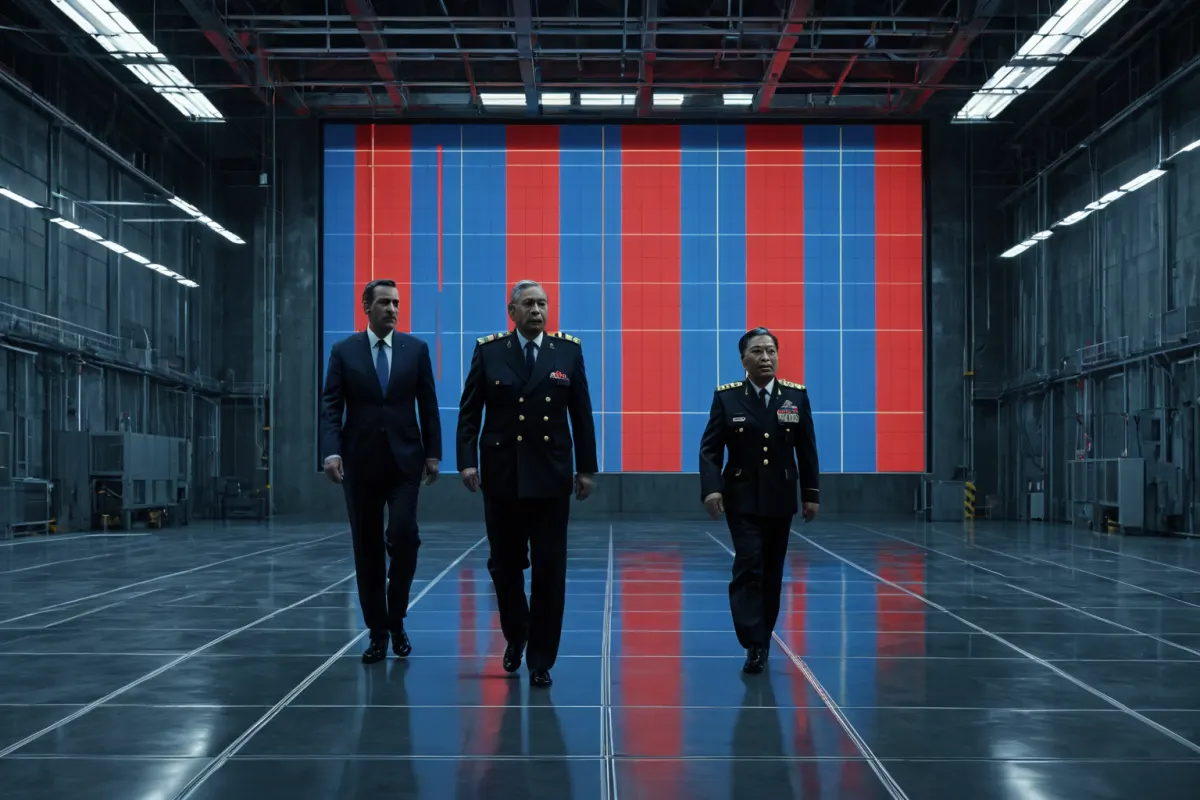
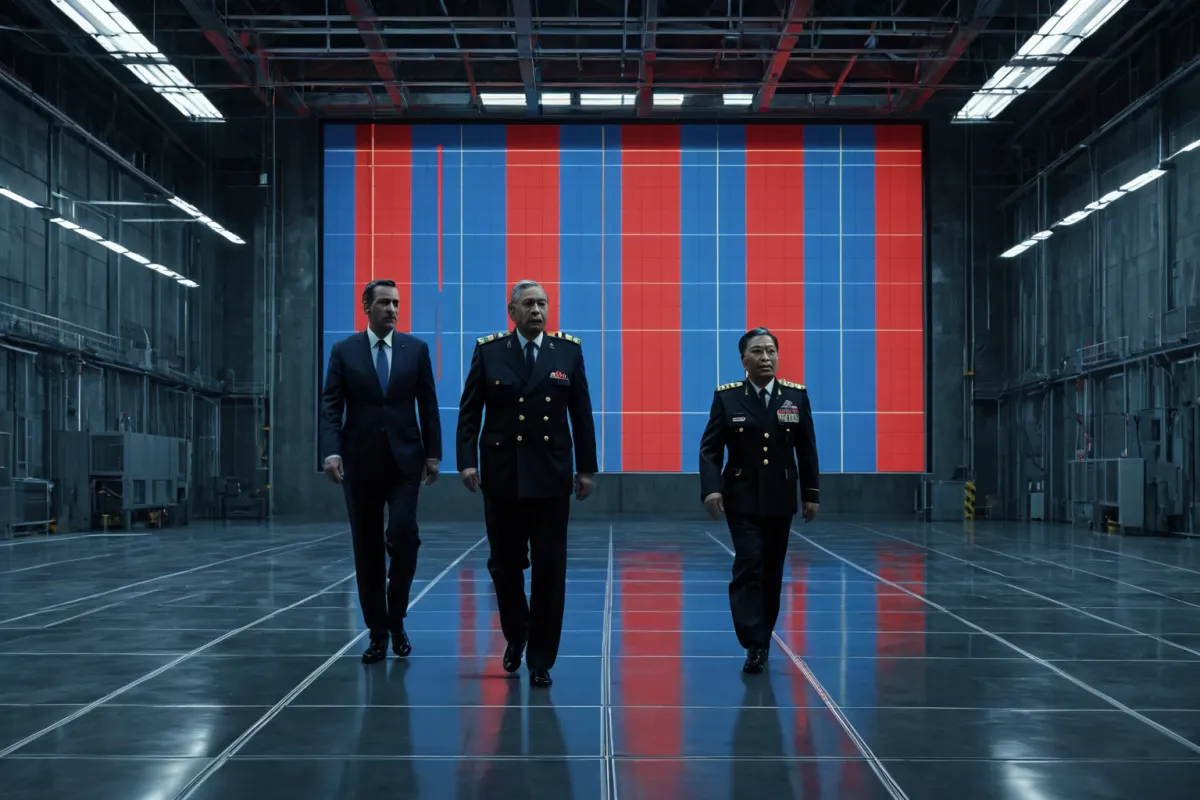
Kim Jong Un's encouragement visits typically involve on-site inspections or checks at military units, factories, or facilities, with key details including who accompanied him and what was inspected. These reports should be read not just as visit announcements but as political messages reflecting on-site management status and potential future actions.
Many readers are particularly curious about 'who went along,' 'what was checked,' and 'why it's being publicized now.' Understanding these visits requires looking beyond a single-line news item—examining the itinerary, accompanying figures, and even background elements in published photos to grasp the full context.
Key Points to Check During Encouragement Visits
First, consider the location and target of the visit. The meaning differs depending on whether it's a military facility, industrial site, agricultural area, or construction zone.
For instance, if visiting a military unit, focus may be on combat readiness, equipment status, and training outcomes. If inspecting a factory or research facility, production performance, technological development, and working conditions become more important.
Though headlines may seem similar at first glance, the inspection priorities can vary significantly. That's why it's helpful to examine both the background in photos and descriptive text from the site itself.
You can view more articles on similar topics at once.
View Related ArticlesWhy Accompanying Figures Matter
The people accompanying Kim Jong Un during these visits are not just security personnel. They are likely individuals who directly report on site achievements or are key administrators responsible for policy implementation.
For example, if military leadership accompanies him to a military facility, it may indicate a focus on command structure checks. If party and government officials join an economic site visit, the emphasis might be more on evaluating policy execution.
By noting who appears alongside Kim Jong Un, you can determine whether this visit was merely a morale-boosting gesture or part of a broader inspection intended to lead to future directives.
How to Interpret What Was Inspected
Public reports often include terms like production volume, technological level, facility operations, safety management, and combat readiness. These phrases signal the core focus of the inspection.
For instance, if 'equipment operational rate' is emphasized, it suggests a focus on production efficiency. If 'combat capability enhancement' appears, it may indicate heightened military preparedness. Repeated mentions of 'modernization' could suggest ongoing efforts to upgrade outdated facilities or replace equipment.
When reading these reports, pay more attention to the nouns than the rhetoric—note what facility was inspected, which figures were mentioned, and any directives given for clearer understanding.

The Message in the Timing of Public Disclosure
The timing of when a visit is made public also carries meaning. Visits disclosed shortly after internal schedules differ from those timed around specific anniversaries or political events.
If the timing aligns with such milestones, it may signal efforts to boost internal unity, showcase achievements, or send external messages. Conversely, brief disclosures during quieter periods might suggest a focus on site management or addressing issues behind the scenes.
For example, similar encouragement visits published early in the year could be linked to setting annual goals, while those appearing before or after military exercises may aim to shape public sentiment and mobilize support.
Clues Hidden in On-Site Photos
Just as important as the written content are the photos. Elements like documents on desks, wall slogans, equipment layout, and even the color of work uniforms can reveal the nature of the site being inspected.
If people appear closely arranged in a photo, it may indicate an official ceremony. If machinery is prominently featured, it could highlight technological focus. Outdoor training scenes would point more toward military significance.
For instance, if workers are lined up with production lines visible in the background, this suggests not just a courtesy visit but also an inspection of achievements and encouragement for mobilization.
Misunderstood Terms: Encouragement Visits vs. Other Types
Many confuse 'encouragement visits' with inspections, on-site guidance, or celebratory visits—though they are distinct terms with different connotations within North Korean media.
'Encouragement visits' emphasize boosting morale among on-site personnel, while 'on-site guidance' carries a stronger tone of direct instruction and evaluation. Inspections focus more on verification, and celebratory visits often link to completion announcements or commemorative events.
Therefore, rather than judging solely by the headline, it's better to look at which terms are repeated in the article body for clearer interpretation.
Example: How to Read a Real Report
Take this example: 'Kim Jong Un visited the ○○ factory to inspect production status and encourage employees.' The core focus here is on operational conditions of the facility and workforce motivation. Noting who accompanied him—such as economic officials—adds further context.
Another example: 'Kim Jong Un guided the operation of new equipment and discussed combat readiness measures.' This points to a military-focused message, with the visit's purpose more aligned with checking preparedness than simple encouragement.
Readers should focus first on what was emphasized rather than where the visit occurred for clearer understanding of such reports.
Additional Perspectives for Better Context
These reports are better understood when viewed alongside prior schedules and subsequent follow-up coverage. If the same location is mentioned days later, it may indicate ongoing implementation of directives from the visit.
Another angle to consider is the scope of public disclosure. More photos and longer statements suggest an active effort to spread a message, while brief reports lean more toward symbolic announcements.
In short, Kim Jong Un's encouragement visits gain meaning when analyzed through the lens of accompanying figures, inspection focus, timing, and photo composition—not just the visit itself.
FAQ
Q1. What should be checked first during Kim Jong Un's encouragement visits?
A. Location, accompanying personnel, and inspection focus—these three elements form the foundation for interpreting the report.
Q2. How is an 'encouragement visit' different from 'on-site guidance'?
A. Encouragement visits emphasize boosting morale among workers; on-site guidance involves more direct instruction and evaluation. The wording in the article reveals this distinction.
Q3. Can you understand the meaning just by looking at photos?
A. Partially, yes. Background facilities, personnel arrangement, equipment types, and slogan phrases can all offer clues about the nature of the visit.
The interpretation may vary depending on timing—checking related reports together is recommended for a more complete understanding.
Continue exploring similar topics.
Browse CategoryFAQ
What should be checked first during Kim Jong Un's encouragement visits?
Location, accompanying personnel, and inspection focus—these three elements form the foundation for interpreting the report.
How is an 'encouragement visit' different from 'on-site guidance'?
Encouragement visits emphasize boosting morale among workers; on-site guidance involves more direct instruction and evaluation. The wording in the article reveals this distinction.
Can you understand the meaning just by looking at photos?
Partially, yes. Background facilities, personnel arrangement, equipment types, and slogan phrases can all offer clues about the nature of the visit.
Korean Source
This article is an English localization of a Korean-language report from BlogScore. Original: 김정은 격려 방문, 누가·무엇을 점검했나