
Decoding 'Gayeomju Gu': The Meaning and Origin of This Korean Idiom
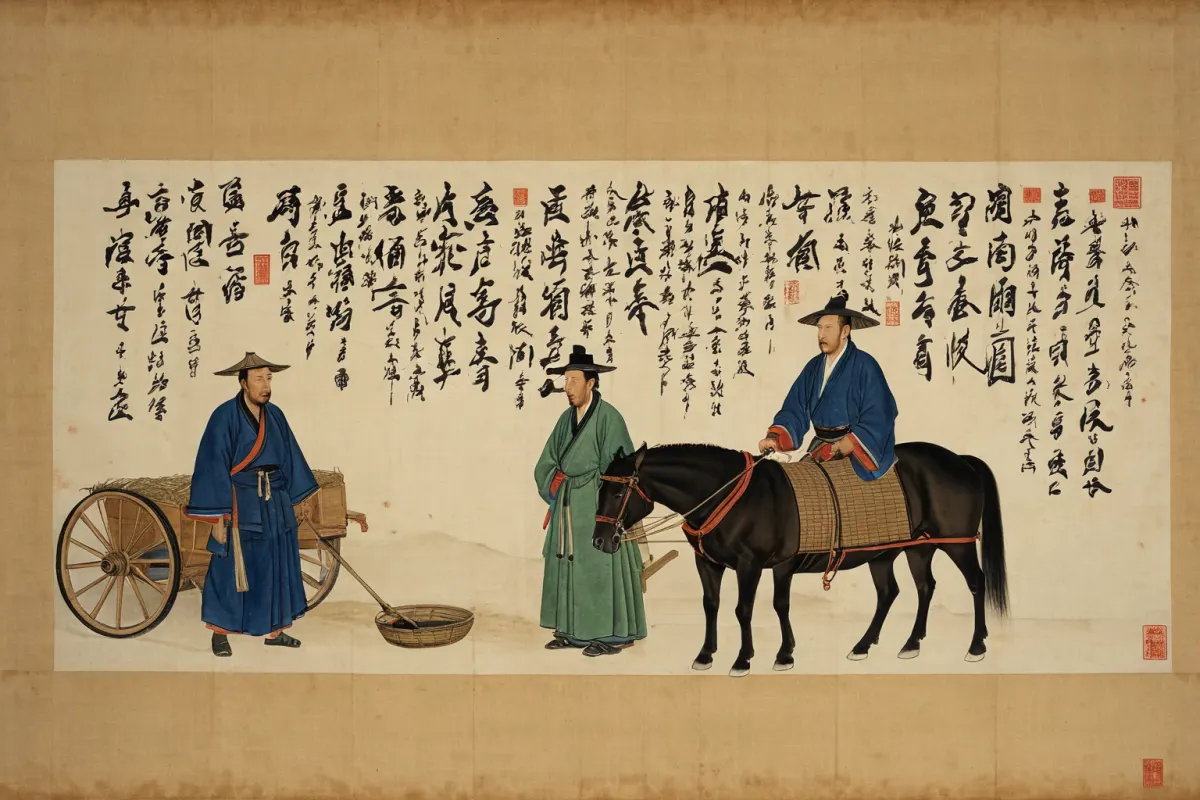
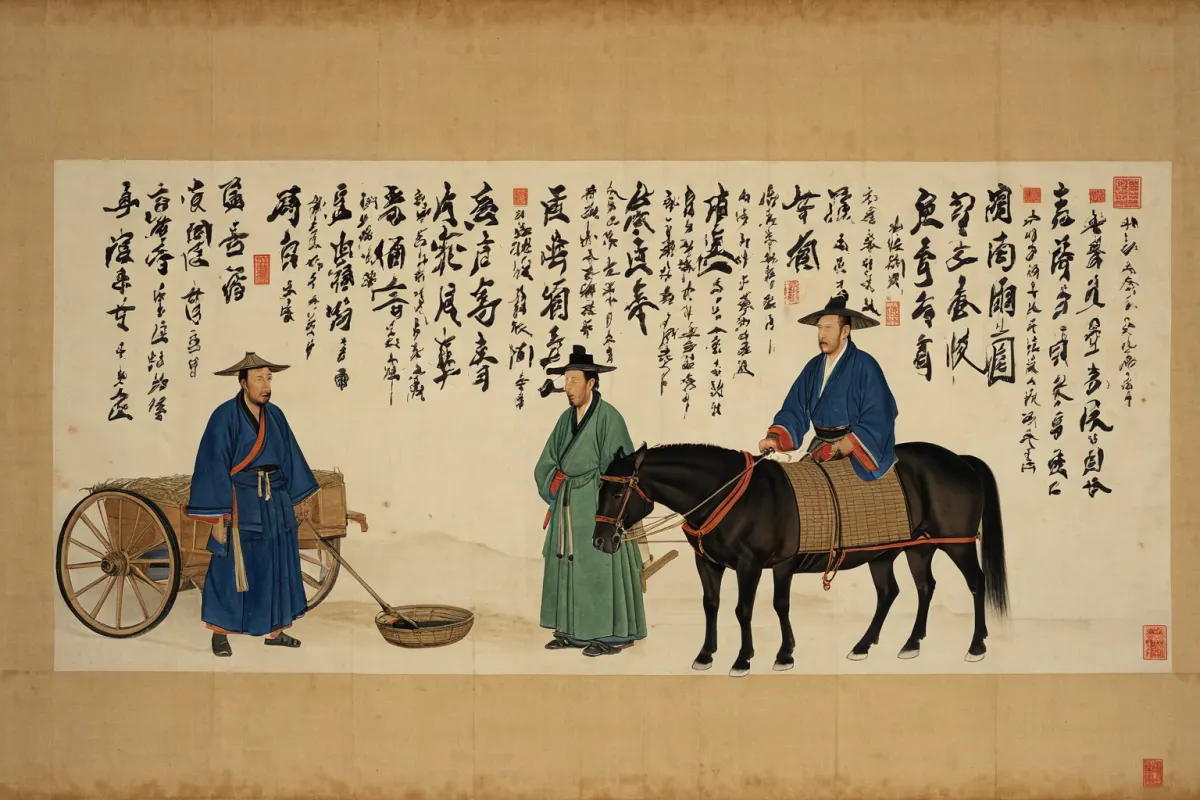
The Meaning and Origin of Gayeomju Gu
Gayeomju Gu (苛斂誅求) is a classical Chinese idiom that criticizes excessive taxation and forced exploitation. Each character carries specific meaning: 'Gae' (苛) means severity or harshness, 'Yeon' (斂) refers to tax collection, 'Ju' (誅) signifies punishment, and 'Gu' (求) denotes demands.
This idiom was frequently used during the Joseon Dynasty to criticize unfair tax policies. It remains relevant today as a term to highlight excessive exploitation or negative behavior in modern society. Media outlets such as the Chosun Ilbo and Sengul Sengul have previously explained its meaning and origin.
The Meaning of Each Character
Gayeomju Gu (苛斂誅求) is a four-character idiom. 'Gae' means severity or harshness, 'Yeon' refers to collecting taxes or resources, 'Ju' means punishment or penalty, and 'Gu' signifies demands or forced requests.
The overall meaning criticizes situations where people suffer due to strict tax collection and forced demands. During the Joseon Dynasty, local officials often used this term to describe their unfair imposition of taxes or plundering from citizens.
To better understand the characters: 'Gae' means 'harsh,' 'Yeon' means 'to collect (taxes),' 'Ju' means 'to punish,' and 'Gu' means 'to demand.' Combined, these four characters form a phrase that criticizes the negative impact of excessive taxation and forced demands on society.
Historical Context
The Chosun Ilbo introduced Gayeomju Gu as a practical Chinese character in an article dated March 29, 2021. Sengul Sengul also published an explanation of the idiom's historical context and modern applications on April 6, 2022.
Maeil Labor News referenced Gayeomju Gu in an October 27, 2020 article titled 'The Tax That Caused Protests by Courtesans,' discussing a historical example related to the idiom. This refers to the Chosun Dynasty's tax system called 'Joheungse,' where local officials imposed excessive taxes on citizens, leading to protests by courtesans (prostitution business owners).
Chungbuk Ilbo's December 2, 2021 article titled 'Harsh Politics Is More Terrifying Than a Tiger' used similar expressions to address social issues. The article compared unfair policies from the Joseon Dynasty with modern politics, warning about the negative impact of excessive power.
Modern Interpretations
In contemporary society, Gayeomju Gu is often used metaphorically to describe unfair exploitation or excessive demands. Maeil Economy reported on August 10, 2021 in an article titled 'Witnessing the Modern-Day Gayeomju Gu' how this idiom applies to modern issues like urban redevelopment projects and unjust tax collection.
Hangyung Sinmun addressed similar contemporary issues related to Gayeomju Gu in a September 27, 2000 article titled '[Reflection] Tax Regret,' referencing the idiom to express societal dissatisfaction with tax policies.
Korea Housing Economy News pointed out in a July 19, 2018 article titled 'Stop Gayeomju Gu in Urban Redevelopment' that modern urban redevelopment projects can create issues similar to unfair taxation from the Joseon Dynasty. This comparison highlights how historical problems persist today.
Modern examples of Gayeomju Gu include excessive compensation demands during urban redevelopment, unjust tax imposition on citizens, and other situations where people feel exploited. These scenarios are often metaphorically described as 'Gayeomju Gu' to express social dissatisfaction.
Related Cases and Examples
Sisun News featured an article on February 2, 2015 titled '[Today's Idiom] Gayeomju Gu [苛斂誅求],' presenting the historical background of the idiom and its potential modern applications. The article was noted for using classical idioms to shed light on contemporary social issues.
Gayeomju Gu was historically used during the Joseon Dynasty to criticize unfair tax policies, but today it is also applied to address social inequality or abuse of power. For example, when companies impose excessive fees on consumers or governments collect taxes unfairly from citizens, this idiom may be used to describe such situations.
Key Points for Understanding Gayeomju Gu
The meaning of each character in Gayeomju Gu (苛斂誅求) can be broken down as follows: 'Gae' means severity, 'Yeon' refers to tax collection, 'Ju' signifies punishment, and 'Gu' denotes demands.
Historically, this idiom originated from criticism of Joseon Dynasty tax policies. It is still used today to criticize excessive exploitation or unfair behavior. Media outlets like Chosun Ilbo and Sengul Sengul have covered the meaning and origin of this term.
When readers want to understand Gayeomju Gu, it's important to interpret 'Gae' as 'harsh,' 'Yeon' as 'collect taxes,' 'Ju' as 'punish,' and 'Gu' as 'demand.' This four-character combination criticizes the negative impact of excessive taxation and forced demands on society.
Additional Information About Gayeomju Gu
Gayeomju Gu is a classical idiom that criticized unfair tax policies during the Joseon Dynasty. The characters mean 'Gae' for severity, 'Yeon' for tax collection, 'Ju' for punishment, and 'Gu' for demands.
In modern society, the term Gayeomju Gu is used to criticize excessive taxation, unfair urban redevelopment projects, and other negative behaviors. Maeil Economy has previously introduced examples of what they call 'modern-day Gayeomju Gu.'
Readers should consider both historical context and modern applications when understanding this idiom. For instance, during urban redevelopment processes involving unjust demands or tax collection, people may refer to it as 'Gayeomju Gu.'
Frequently Asked Questions
What is the meaning of each character in Gayeomju Gu?
Gayeomju Gu (苛斂誅求) means 'Gae' refers to severity, 'Yeon' to tax collection, 'Ju' to punishment, and 'Gu' to demands.
In what historical context was Gayeomju Gu used?
Gayeomju Gu was used during the Joseon Dynasty to criticize unfair tax policies. Specifically, it referred to local officials imposing excessive taxes on citizens or plundering their resources.
How is Gayeomju Gu used in modern society?
In contemporary times, Gayeomju Gu is metaphorically used to describe excessive taxation and unfair demands. Maeil Economy has introduced examples of 'modern-day Gayeomju Gu' in articles.
You can view similar articles on this topic all at once.
View More Related ArticlesFAQ
What is the meaning of each character in Gayeomju Gu?
Gayeomju Gu (苛斂誅求) means 'Gae' refers to severity, 'Yeon' to tax collection, 'Ju' to punishment, and 'Gu' to demands.
In what historical context was Gayeomju Gu used?
Gayeomju Gu was used during the Joseon Dynasty to criticize unfair tax policies. Specifically, it referred to local officials imposing excessive taxes on citizens or plundering their resources.
How is Gayeomju Gu used in modern society?
In contemporary times, Gayeomju Gu is metaphorically used to describe excessive taxation and unfair demands. Maeil Economy has introduced examples of 'modern-day Gayeomju Gu' in articles.
Korean Source
This article is an English localization of a Korean-language report from BlogScore. Original: 가렴주구 한자 뜻과 유래를 쉽게 풀어본 단어 해석